As someone who has lived in the Philippines for over 18 years, I’m not that surprised to meet a foreigner who doesn’t know a thing about the country, let alone Metro Manila, the national capital region I grew up in. Among its neighboring Southeast Asian cities, Manila tends to be overshadowed by flashy bucket list heavyweights like Bangkok and Singapore. When tourists do swing by, my hometown is reduced to a quick layover before heading to one of the country’s white-sand beaches.
Yes, the Philippines’ beaches are stunning — there are over 7,000 islands to choose from, after all — but Manila is more than a pitstop. It’s a sprawling, tropical metropolis where a uniquely Spanish, East Asian and American history collides in food, architecture, language and culture. Young creatives are driving a vibrant arts and nightlife scene where local designers, playful cocktails and sustainable-minded culinary experiences are shaping a colorful and cosmopolitan Manila.
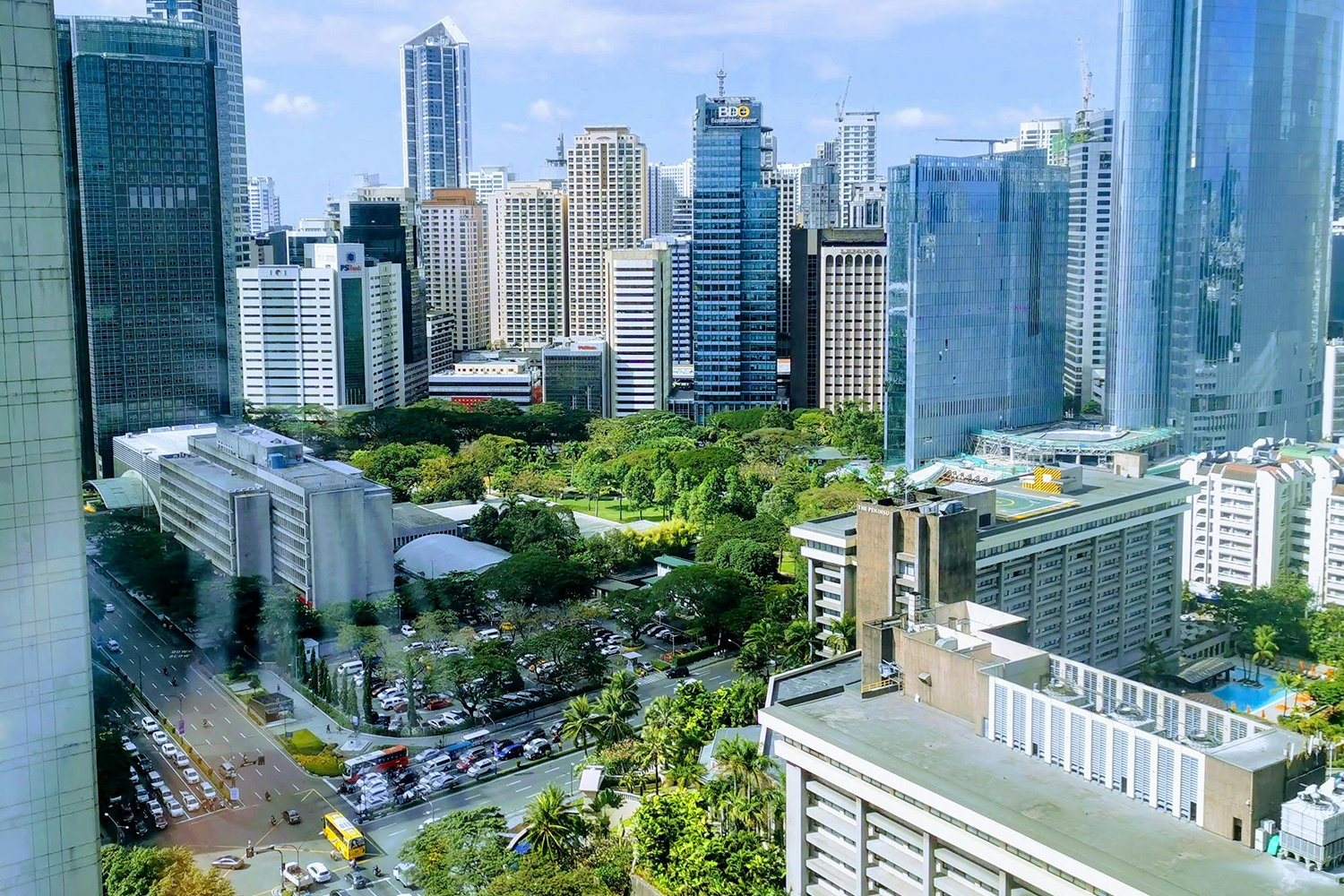
It’s worth noting that Filipinos are known not just for their friendly demeanors, but also for their fluency in English (thanks, America!), making navigating Manila just so easy. Whether you have a stopover in Manila before heading to the beach or want to squeeze in another destination in Southeast Asia, I’m proud to be of service. Below, a true local’s guide.
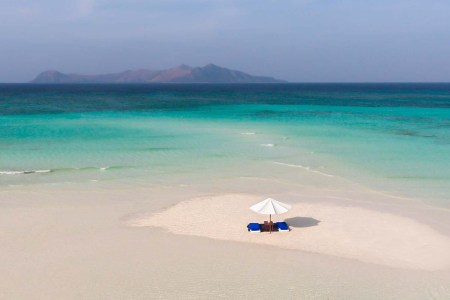
Spectacular, Underrated Southeast Asian Islands You Need to Visit
Skip the crowds and add these lesser-known gems to your Southeast Asia Island-hopping listWhat to Know Before You Go
When locals like myself say “Manila,” they usually refer to Metro Manila, the metropolitan area comprised of multiple cities including Makati, Taguig and the historic city of Manila itself. It’s a car region through and through, so plan on getting around by private charter or Grab, Southeast Asia’s version of Uber. Be prepared for tropical heat and the occasional downpour. The best time to visit both the country’s beaches and cities is during the “colder” seasons of December and January, when it’s less humid and evenings offer a mellow breeze.
A Uniquely Asian and Hispanic Melting Pot
Philippine colonial history is wild: Spanish, American and Japanese colonial powers all left their own lasting legacies and scars over hundreds of years. The Philippines was a Spanish colony for over 300 years, and this rich history is still preserved in the walled city of Intramuros. Walking through Old Manila’s cobblestone streets (or taking a biking tour, a la Olivia Rodrigo), you’ll still see horse-drawn kalesas and guards dressed in 16th century uniform. The fortified neighborhood is where you’ll find historic landmarks Fort Santiago as well as the Manila Cathedral. There’s also Casa Manila, a museum that replicates an affluent colonial home.
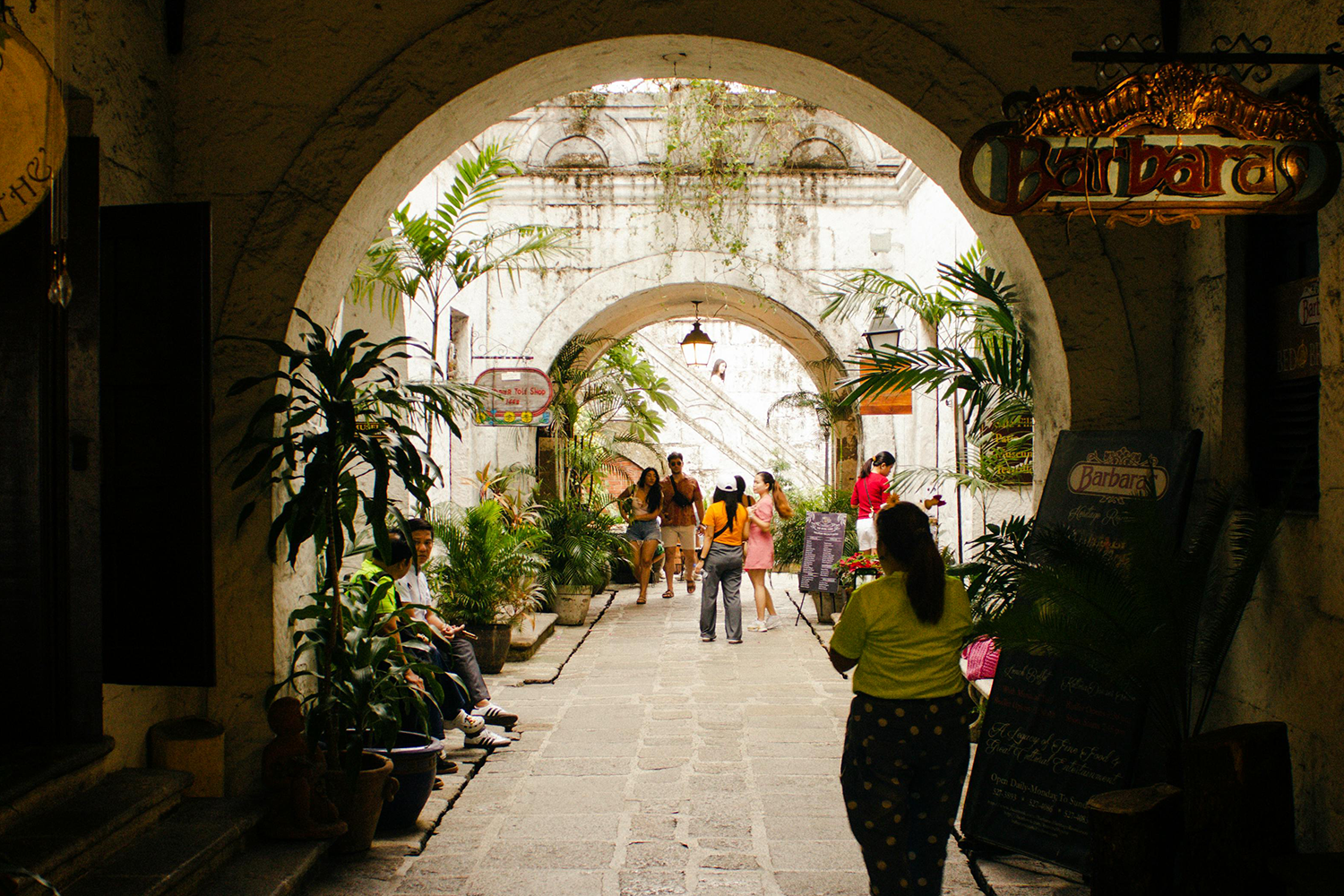
Yet Manila’s location in the heart of Southeast Asia makes it a one-of-a-kind melting pot of Asian cultures. Manila is home to the world’s oldest Chinatown, Binondo. It’s chaotic and slightly grunge, but that’s part of the charm. On the historic Escolta street stands The First United Building, one of the few Art Deco survivors of World War II and now a burgeoning arts and design hub where visitors can hop around experimental artist-led shops and studios. Ongpin Street nearby is packed with street food stalls and cheap cafeterias serving up Filipinized Chinese classics like pancit (stir-fry noodles), freshly baked hopia (bean-filled mooncake), fried lumpia (spring roll) and sweet puto (steamed rice cake).
For art lovers and history buffs alike, museums like the Philippine National Museum and Ayala Museum house some of the country’s most treasured cultural pieces. There’s also The Natural History Museum, which exhibits the country’s rich biological and geological diversity.
Neighborhoods to Explore
Salcedo Village
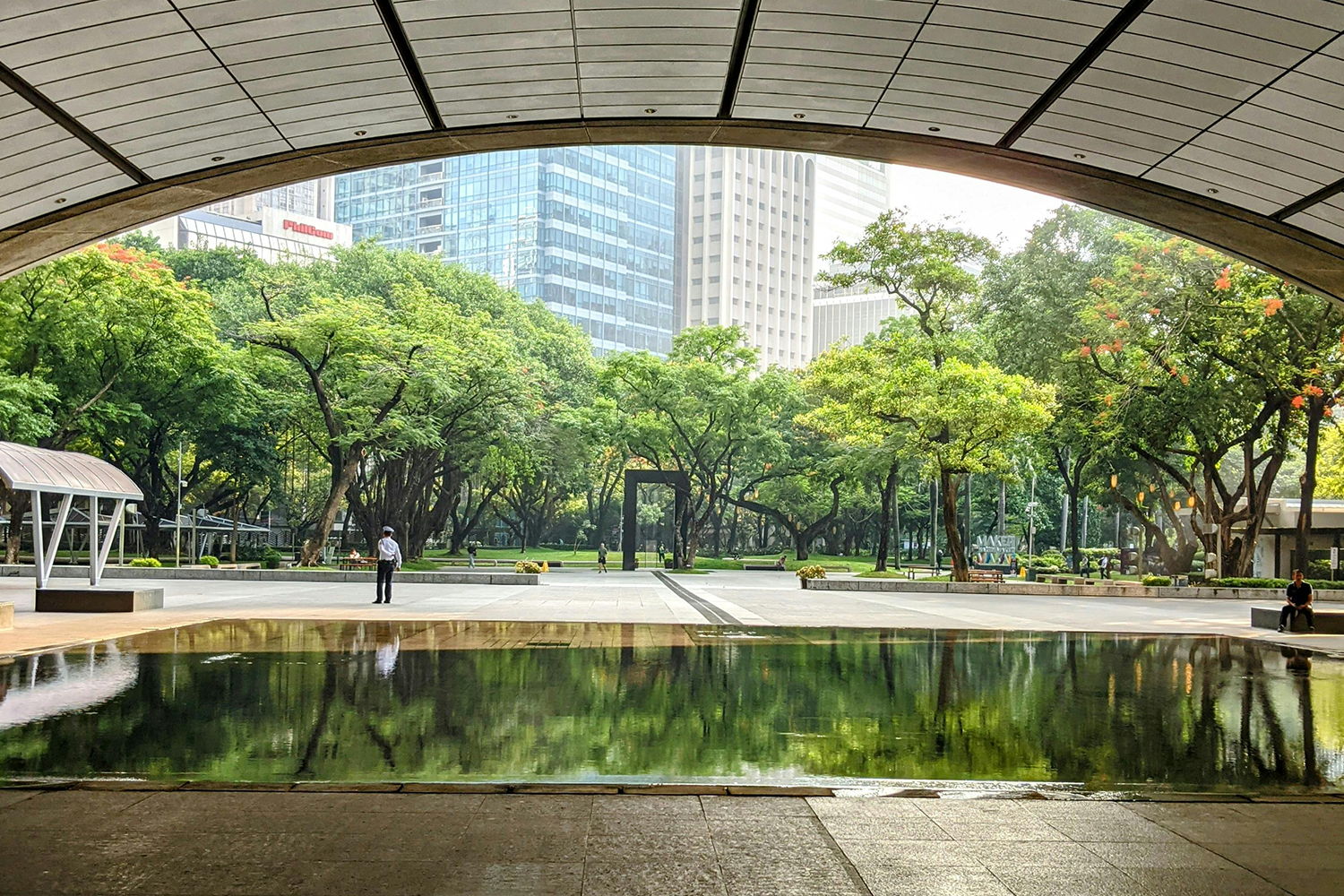
Salcedo Village is still the quaint residential area I grew up in, but in recent years it’s gained quite the fashionable reputation. I suggest catching brunch at the Saturday farmers market Salcedo Market, where you can also shop locally made products and produce. Walk over to the restaurant-filled L.P. Leviste street for my favorite iced coffee at Cartel Coffee Deli. Come evening, the midcentury modern cocktail and listening bar 78-45-33 hosts ticketed jazz performances most weekends. It’s right across the street from Atomic World, a trendy Y2K-inspired clothing store. For an intimate experience, Good Morning Wines is a cozy six-seater wine bar with a whimsical portfolio of organic Japanese wine.

Salcedo is a short walk away from the Ayala Triangle Gardens, an urban park development right in the heart of the city, right next door to the Makati Stock Exchange.
Poblacion
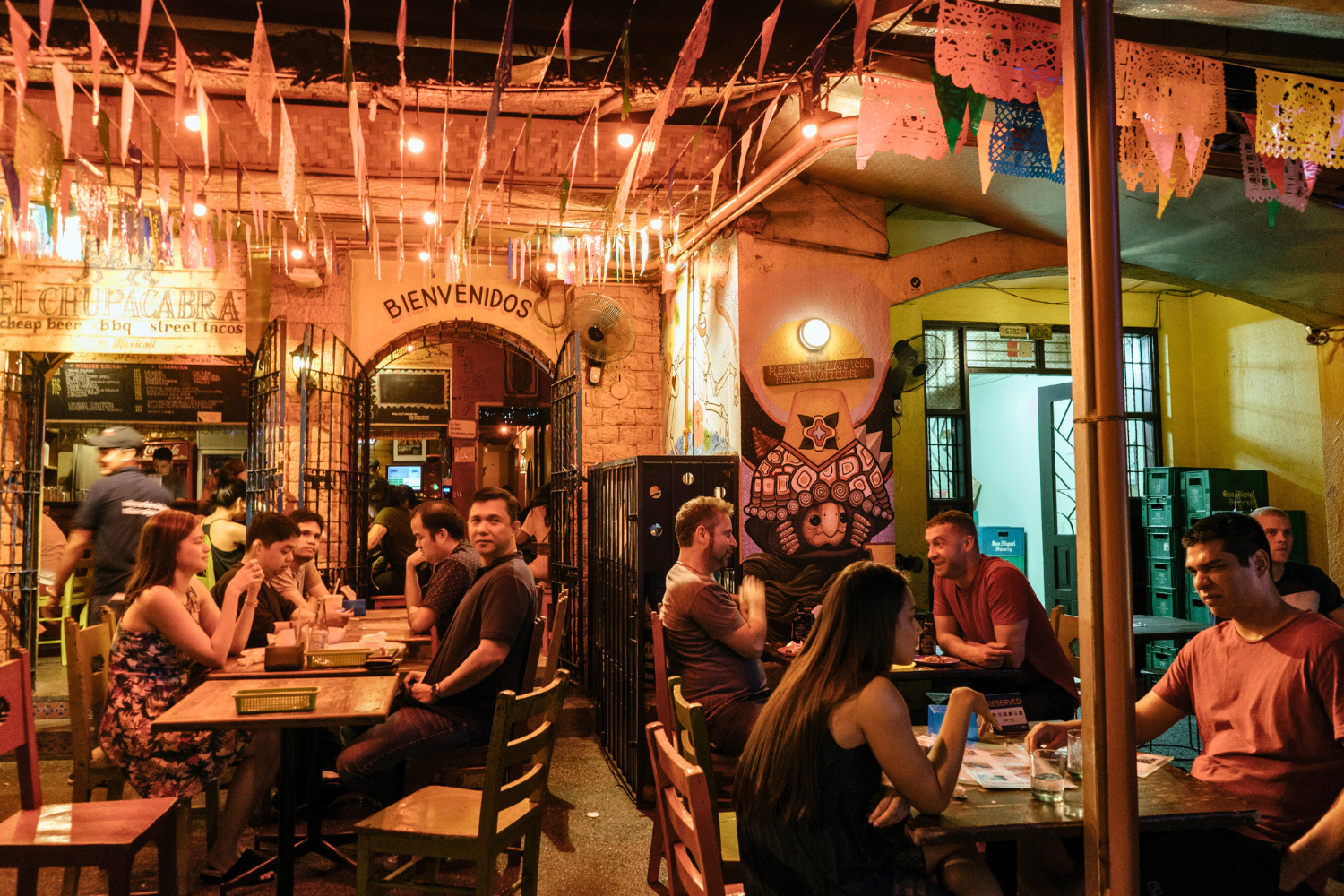
Poblacion reminds me a lot of the nightlife in San Juan or Guadalajara: open-air eateries, dancing all night and a creative yet affordable cocktail scene with a tropical tilt. On my last trip, my friends took me to Annex House, an all-day social club that feels like stepping into a friend’s home. They make a lovely mango rum cocktail. If a bar and bites crawl is top of mind, I’ve enjoyed Spirits Library, Tambai Yakitori, Polilya, Cheshire and Lampara for both their menus and frenetic energies.
Karrivin Plaza
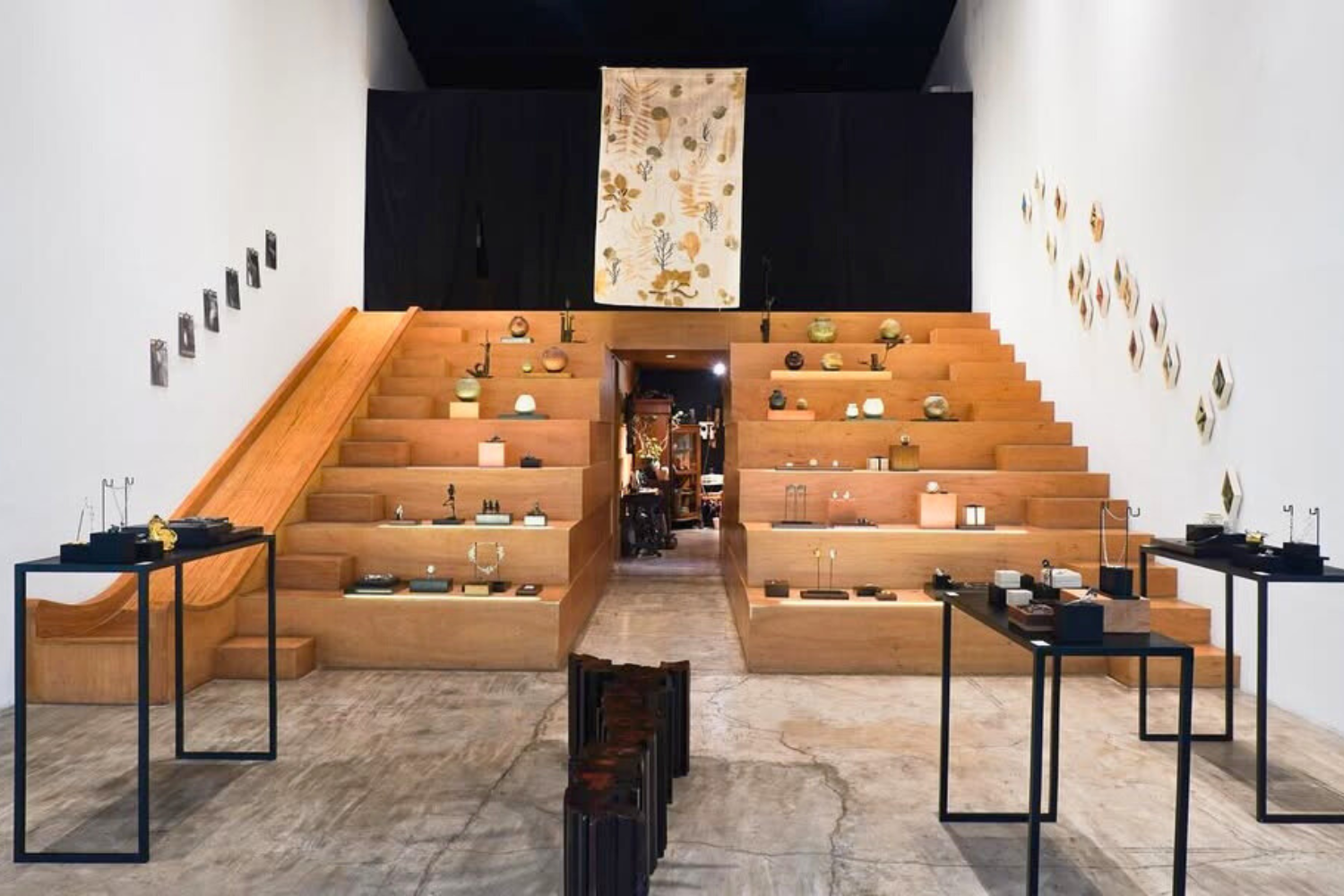
Tucked away in an old office complex, Karrivin Plaza is a compact design-forward open-air enclave. Here you’ll find galleries Art Informal and the Drawing Room, shops and a bakery. For more art, Silverlens Gallery (which has a branch in New York City) is down the block.
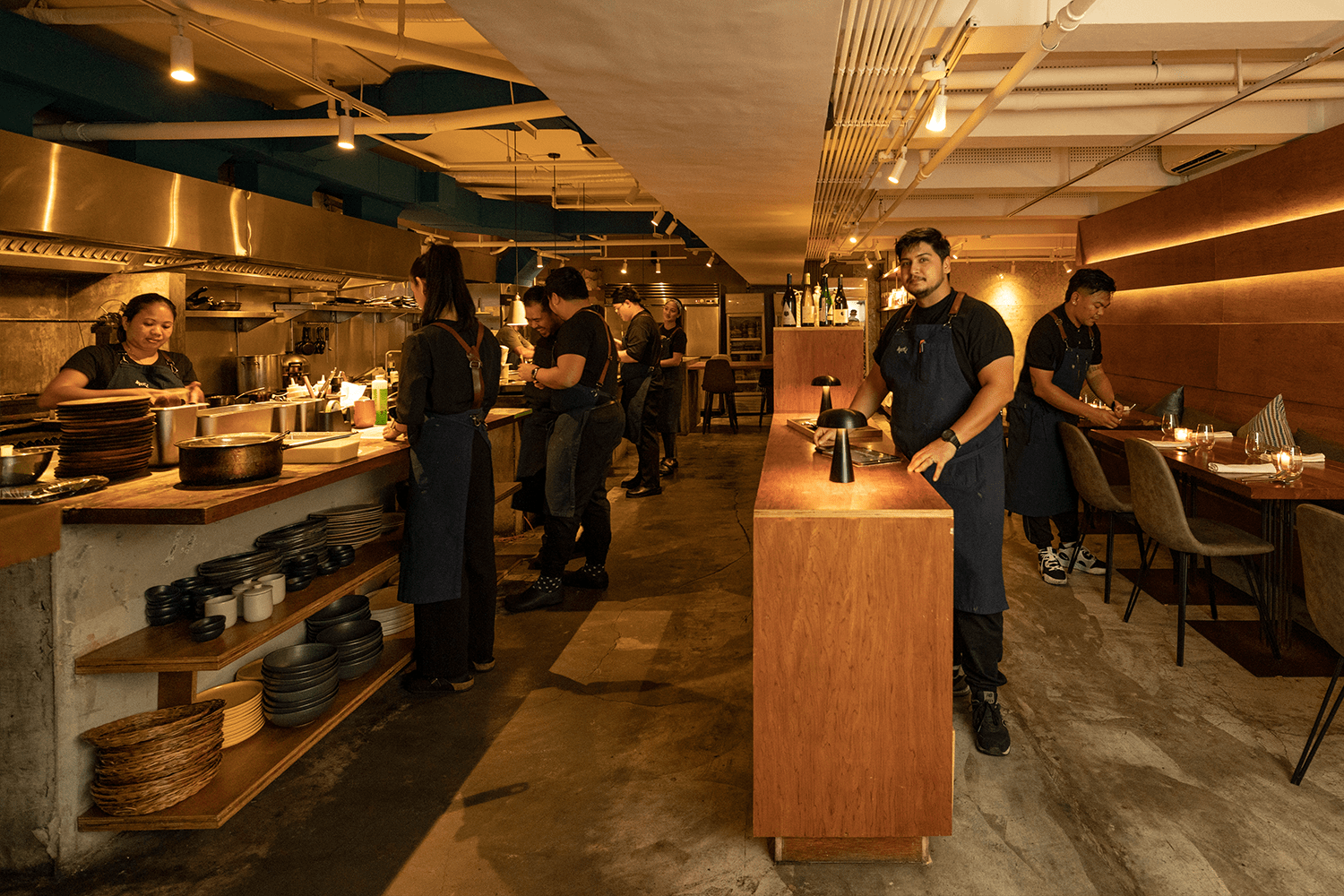
Most notably, Karrivin Plaza is where some of the country’s most innovative young chefs have set up posts, bringing Filipino food into the global stage. I’m always blown away by Metiz’s sheer creativity: they experiment with traditional methods of preservation, and their seasonal menus deliver bold flavors. Toyo Eatery is regularly ranked as one of Asia’s best restaurants (even Dua Lipa is a fan). Inato next door is a newer intimate spot offering a unique “whatever goes” menu where your meal is left up to the chef’s discretion.
Nature Worth the Drive
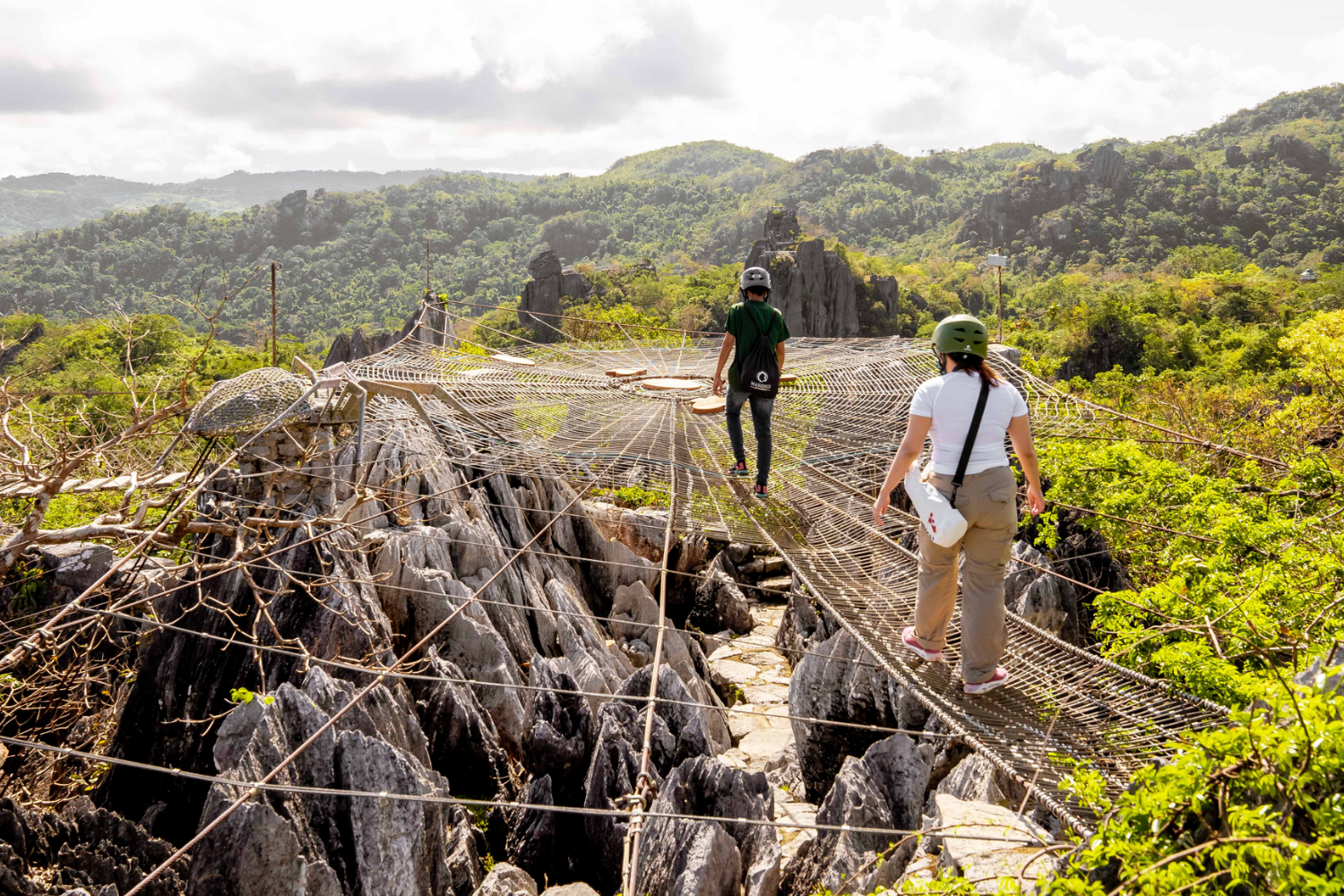
As a car city, Manila is best explored with a private charter. Not only is it the best — and surprisingly, affordable — way to get around, but it also makes road trips to the country’s stunning nature just outside of city limits possible. An American friend could not stop raving about Masungi Georeserve, a hiking trail set against an ancient karst landscape of protected limestone located just an hour and a half away. Seasonal celestial hikes make for a unique excursion to learn about the geopark’s conservation efforts.
If a calm view while sipping on rich tableya hot chocolate sounds more up your speed, Balay Dako in Tagaytay City offers a walk-in only weekend Filipino brunch buffet with open-air views of Taal Volcano, a small, active caldera in the middle of Taal Lake. Nearby Antonio’s is a fine dining alternative truly worth the drive. The restaurant is housed in a colonial-style home and surrounded by lush gardens.
Restaurants You Won’t Find on Any Other List
There’s no better way to discover a new culture than through its food. I’ve yet to come across an international list that reflects the impeccable local experience of dining in Manila: true farm-to-table menus, restaurants spearheaded by chefs from all over the world and — the best part — reasonable price points. I’ve rounded up a few of mine and my friends and family’s favorites below.
For casual Filipino: Manam, Mary Grace, Via Mare, Jollibee, Milky Way, The Peninsula Hotel lobby
For decadent Chinese: East Ocean Palace, Shang Palace at the Shangri-la Hotel
For fresh Japanese: 12/10, Tsukiji, Daimasu Omakase, Mendokoro Ramenba, Umu
For continental and European: Crosta Pizzeria, Txoko Asador, Sala Martinez, Brasserie Sagana, Mamou

More Like This


We're always on the scene eating, drinking and traveling near and far to bring you the best of what's happening out in the real world. Sign up for IRL now.