It has come to my attention that the cool kids are showering with the lights off.
According to a report from PopSugar, TikTok’s wellness influencers are now swearing by “dark showers” — some call them “sensory showers” — in which they turn off all the lights, spark a candle and either play music, listen to nature sounds or just straight vibe.
Some of you (like me, and many online commenters) may already be doing this. I’m not entirely sure when I started showering in the dark — 2022, maybe? It started from necessity. In my apartment, the bathroom bulb throws the sort of fluorescent light you’d find at a hospital or gas station.
At any rate, a hot, dark, silent shower is now an indelible part of my wind-down routine. It ostensibly ends my day. Once it’s over, I don’t look at my phone again. I climb into bed, read until my eyes get droopy and go to sleep.
The internet seems somewhat divided on dark showers. Some wonder why every little thing needs to be a trend, others say you’re begging for a shadow monster to come murder you. I can’t comment on the latter, but as for the former: so many wellness trends are bogus and/or costly. Shouldn’t we celebrate the rare bit of viral advice that’s free, and actually backed by some science?
The Benefits of Powering Down
In a healthy sleep-wake cycle, cortisol peaks in the morning (just before you wake up), and lowers as you approach bedtime.
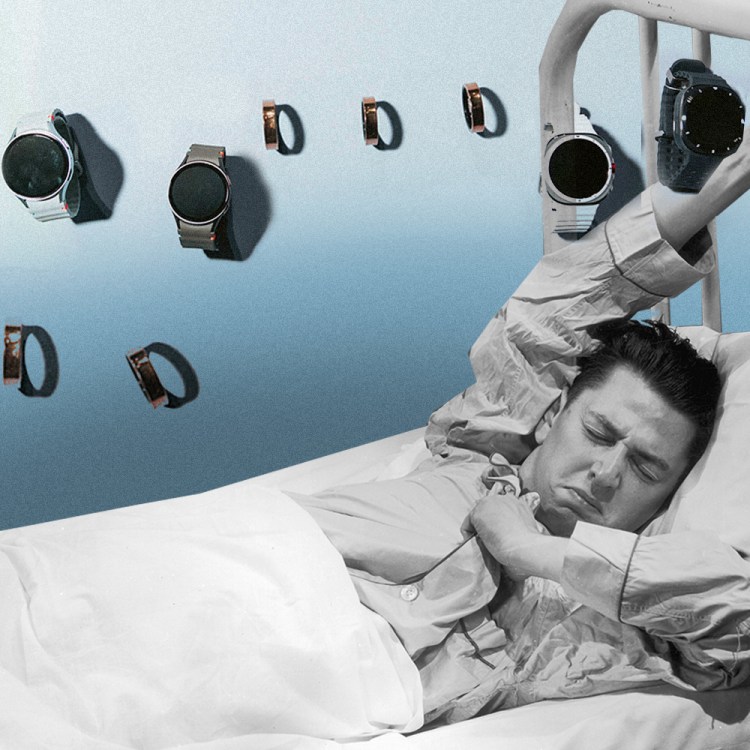
But an overwhelming majority of adults have trouble shaking off their stress hormones as bedtime approaches. Sleep and the stress response are regulated by overlapping systems, so if you’re consistently headed to bed feeling wired, your sleep latency and subsequent cycles are going to suffer.
The Everyday Habit That Might Bring Your Good Ideas Back
Looking to reboot your creativity? We have a suggestion.There are plenty of ways to manage this, including modifying your diet, cutting off caffeine intake earlier in the day, closing the laptop earlier or avoiding intense workouts in the hours before bed.
But dark showers are a no-brainer — an almost effortless way to unwind. While they haven’t been formally studied, they likely contribute to reduced stress levels by lowering cortisol, heart rate and blood pressure, as part of a broader sensory downshift. (The heat plays a vital role here, too!)
Another way of thinking about this: we all process an ungodly sum of visual inputs per day. After 16 hours of backlit screens, the least we can do is spend a few silent minutes in an unlit room.
I’ve always had a lot of trouble meditating. It’s a long-term goal of mine to get better at it. But dark showers simulate meditation for me. They open a back door to a calmer, somewhat surrealist state, where I’m able watch thoughts come and go, form random ideas and even forget where I am for minutes at a time. This could be better for our water bill (and the environment), but you’ve got to take your wins somewhere.
Finally, the dark shower also signals a concrete end to the workday. This has never been so important, in the post-pandemic age of cloud-based workflow. Think of it as a sanctum. You can bring your day in there with you, but by the time you leave, it ceases to exist. Far better to reflect on your day with warm water on your back than stress about it once your head hits the pillow.
More Like This


Twice a week, you'll find proven advice and tips, expert interviews, deeply reported features and personal essays on living better — for however long you’re here. Subscribe to Champ now.