Nota bene: All products in this article are independently selected and vetted by InsideHook editors. If you buy something, we may earn an affiliate commission.
After years of using virtual private networks (VPN) on an ad hoc basis — mainly to watch American football when I was traveling overseas and to stream geo-locked content (which recently includes much of BBC Radio, to my surprise) — I recently decided to invest in a multi-year-long VPN subscription. No more seven-day free trials. No more switching services based on immediate need or an enticing promotional offer.
If you shop, stream or pretty much do anything online, it’s a good idea to get a VPN. If you do any of this while traveling, it’s a really good idea to invest in a VPN. Below, we explain a few reasons why a VPN is important, and why ExpressVPN is our virtual private network of choice.
What Is a VPN?
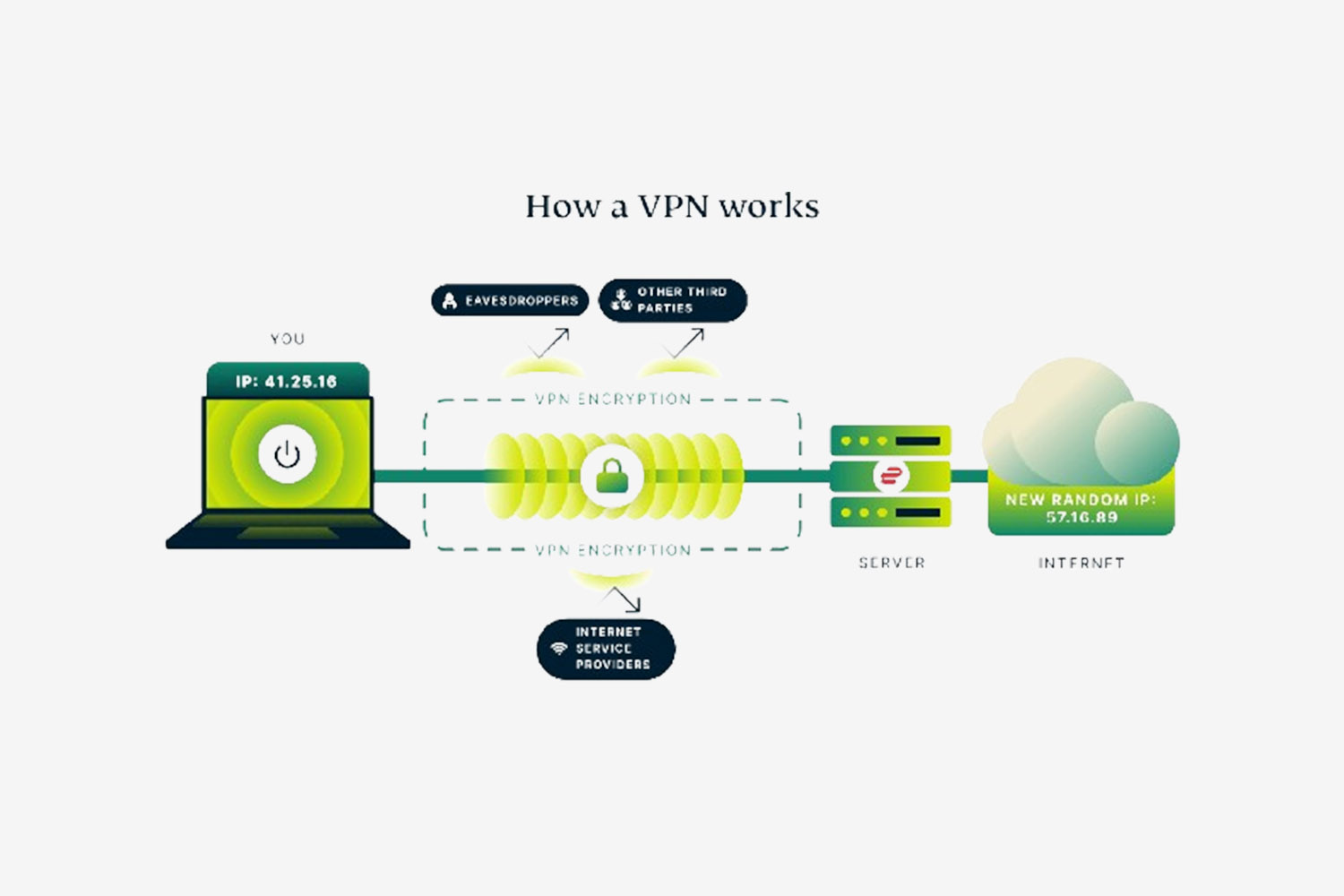
A virtual private network (VPN) is software that creates an encrypted connection between your device and a remote server, masking your actual IP address. A good VPN will keep your online activity private, unblock restricted or geo-blocked websites and encrypt your connections. There are some lesser-known benefits as well, such as getting you better airline deals, circumventing speed throttling and reducing latency when gaming, in some cases.

The 7 Reasons You Need a Virtual Private Network, Stat
Online privacy, data security and unexpected bargains awaitWhy You Should Spend Money on a VPN
Yes, there are plenty of free virtual private networks. But besides offering a limited set of features, slow speeds and data caps on usage, these free VPNs aren’t necessarily safe. They utilize weak encryption tools and the providers — which need to make money, mind you — will sometimes collect and sell your browsing data. You’ll also be exposed to pop-up ads and malware.
There’s also a level of trust involved when you use a known VPN service. Just this month, Google issued an alert warning of malicious applications disguising themselves as legitimate VPN services, often through social media advertising. These fake services will then piggyback off of existing free VPNs to offer limited service but will also deliver dangerous malware that can “exfiltrate sensitive data such as browsing history, private messages, financial credentials and cryptocurrency wallet information,” according to Laurie Richardson, Google’s vice president of trust and safety. As Google suggests, only download VPN apps from official sources (like ExpressVPN), and check for apps with the VPN badge in Google Play. Be skeptical of free offers and avoid sideloading unknown apps.
And you know what? Having a legit, paid VPN doesn’t have to be expensive! ExpressVPN is currently offering a 30-day trial for free and a basic plan that starts at $3.49 per month. A small price for privacy and freedom (and football streams).
What you do with a VPN is your own business. But as age verification bills and even unenforceable (and possibly well-meaning but poorly thought out) VPN bans murk up the legislative schedule and weaken online anonymity — while exposing users to data leaks and hacks — now is as good a time as any to proactively protect your online identity and invest in a VPN.
Why ExpressVPN Is a Superior VPN Choice for Travel
First, it’s not just us! According to Top10VPN.com, an independent review site, ExpressVPN is the “best VPN in the world,” as it was in 2019 (when we last did a big VPN guide). It scored a 9.4/10 in overall scoring and earned top marks for streaming, user experience, number of server locations and device compatibility.
As you can see, ExpressVPN has a solid history (they launched in 2009). According to the company, they offer 10 Gbps servers in 105 countries and all 50 states. They offer up a series of apps that work across the entire tech spectrum (Windows, Mac, Android, iOS, Linux, Amazon Fire TV and more).
Here’s what a few bucks of month gets you, besides peace of mind and a very simple device set-up:
- Security: ExpressVPN promises no activity of connection logs.
- Adaptability: A single subscription can give you VPN access on up to 14 devices.
- Speed: ExpressVPN uses its own VPN protocol called Lightway, which makes connections extremely fast (apparently, sites such as TechRadar and Tom’s Guide agree, with both calling Express the fastest VPN service).
- Streaming anywhere: You can use ExpressVPN to access several popular streaming services without worrying about geolocated blocking or censorship.

If you’re willing to spend a little more than the Basic plan, ExpressVPN also offers a password manager (you need one); a dedicated IP (aka having your own dedicated but secure server); Identity Defender, a suite of tools that lowers identity theft; and even Identity Theft Insurance, free with one- or two-year plans.
And if you’re traveling, ExpressVPN also offers access to its own virtual prepaid eSIM card. As travel blogger Adam Clarkson notes — and these are benefits I had admittedly never thought of — ExpressVPN also helps you with your banking apps (so they don’t think you’re committing fraud), circumventing hotel wifi restrictions and even parental controls.
How Much Is ExpressVPN?
The latest promotion for ExpressVPN offers a Basic plan for $3.49 per month for 28 months (or $97.72), with “advanced” costing an extra $1.50 per month and a pro version coming in at $7.49 per month. One-year plans cost a dollar or so more, while monthly plans start at $13.
The good news? You can pay by credit card, PayPal, Bitcoin and a few other lesser-known services. And it all comes with a 30-day money-back guarantee.