With a nickname like “the tree of life,” coconut trees are firmly planted on a pedestal across Asia. Its liquid gives water, its flesh food and its sap, well, alcohol.
Known as arrack in Sri Lanka and arak in Indonesia, this potent spirit is essentially distilled coconut sap. Islanders have imbibed in arrack for centuries, with accounts of Marco Polo landing in Sri Lanka and trying “tree wine” as early as the 13th century.
Despite its longevity, few Americans have heard of this soulful spirit. So we’re about to give you a crash course. To learn more about arrack, we spoke to Don Ranasinghe, co-founder of Smoke & Bitters and RAA, the world’s first arrack-only bar in Hiriketiya, Sri Lanka. Our other Sri Lankan arrack expert is Amrit Rajaratnam, founder and managing director of Ropewalk Galle, the country’s first arrack specialty bar. And we also tapped Paul Minea, Bar Manager at Four Seasons Resort Bali at Jimbaran Bay and Bina Nuraga, mixologist at Desa Potato Head.
Not to be confused with the Middle Eastern spirit arak, or araq, made from grapes and aniseed, coconut is king when it comes to this smooth, tropical alcohol. Here is everything you need to know about one of the world’s only naturally fermented spirits.
What Is Sri Lankan Arrack?
”The word ‘arrack’ was defined in Hindi as all distilled spirits,” says Ranasinghe. “For our island, arrack is our beloved coconut spirit with both its history and mystique intertwined with the very tree that gives Sri Lankans life.”
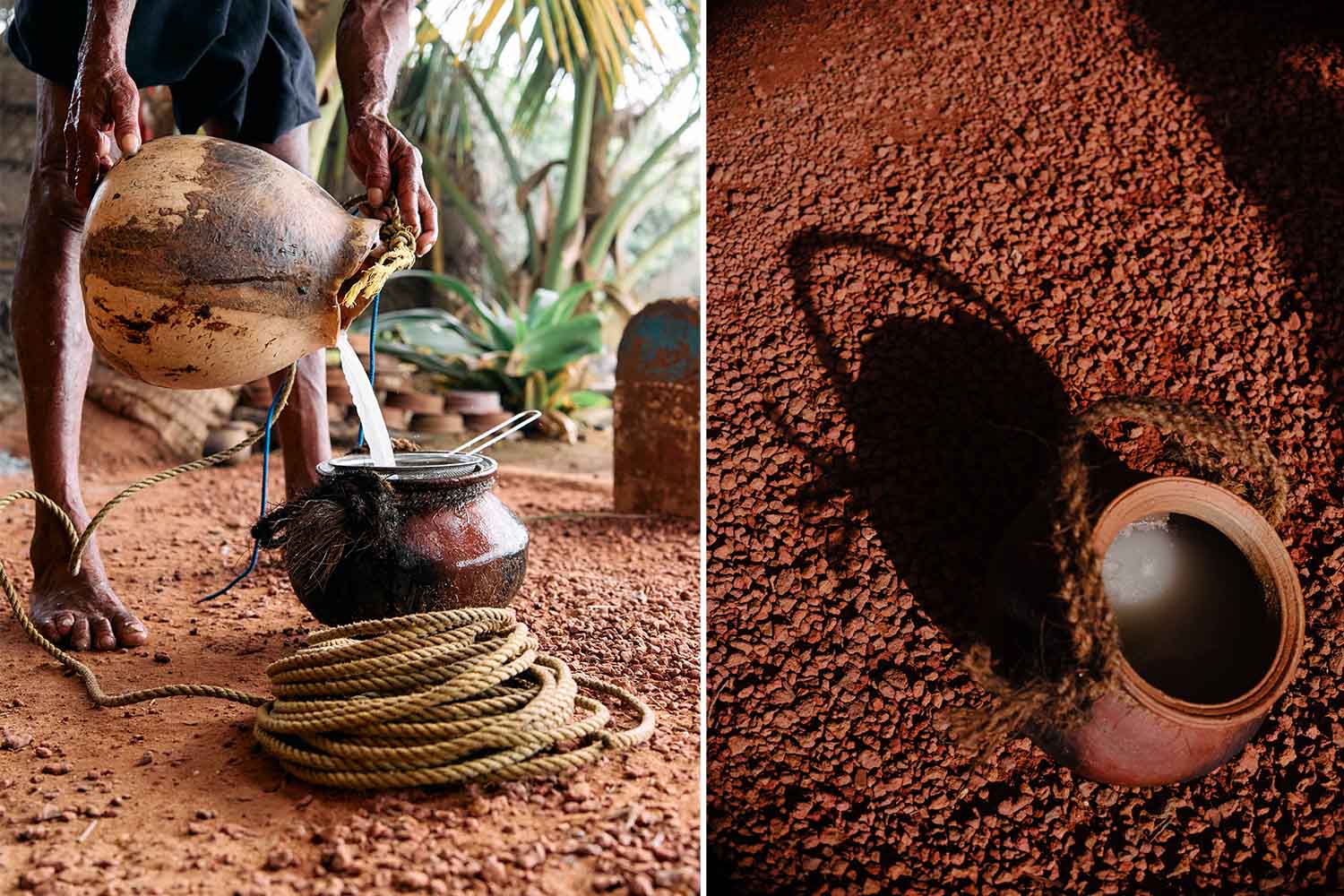
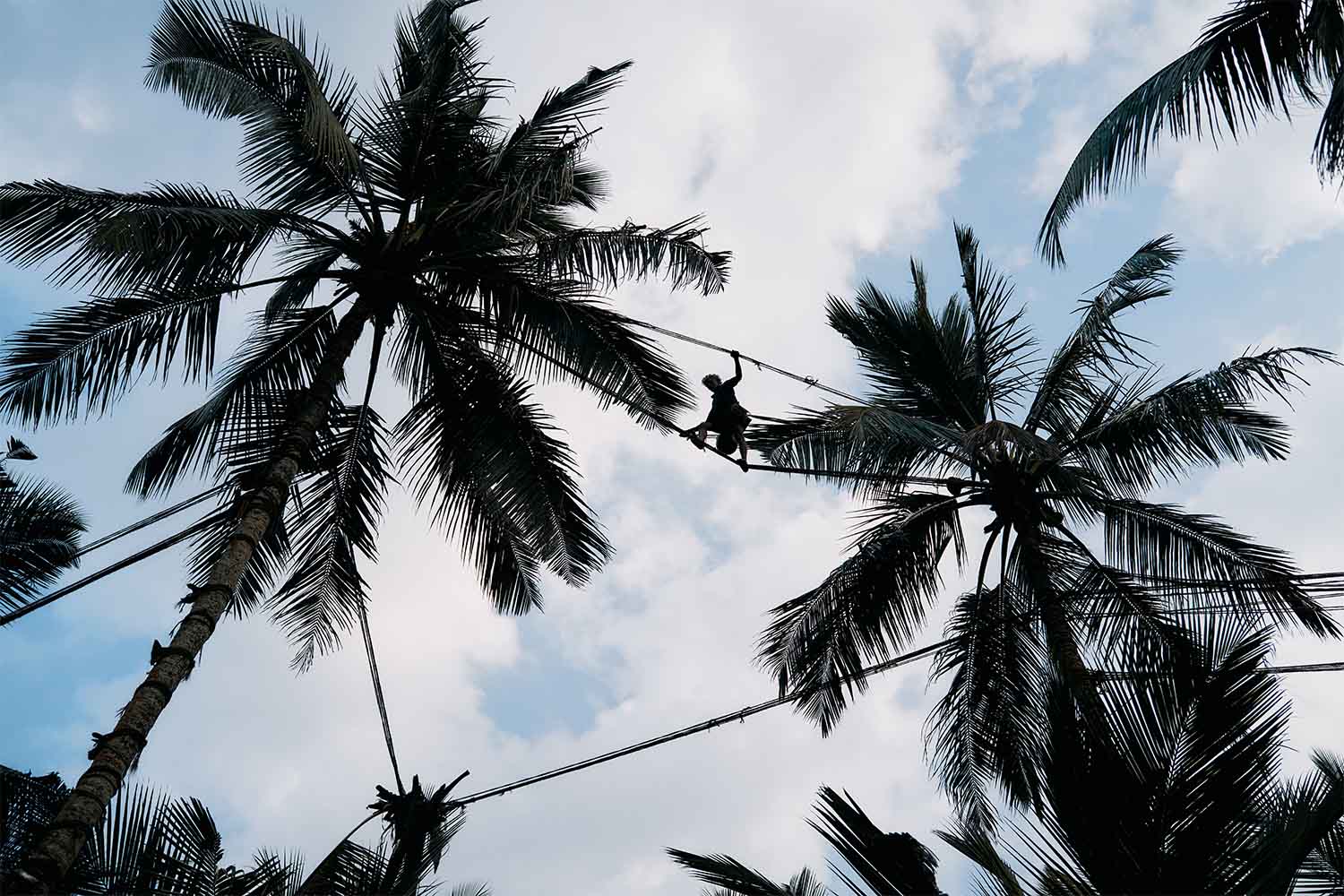
The spirit is distilled from “toddy,” a milky sap that comes from the coconut tree’s flower. In Sri Lanka, “toddy tapping” is an ancient skill, where experienced tappers shimmy up coconut trees, tight-rope walking between each and collecting the toddy in a clay pot. “Toddy tappers practice a true art form that has remained relatively unchanged for centuries,” says Ranasinghe. “It’s a physically demanding [role] that is handed down through generations from father to son.” At Raa in Hiriketiya, drinkers can watch one of the island’s few remaining toddy tappers scale the palms swaying above the tables as he collects toddy to be used in the bar’s cocktails.
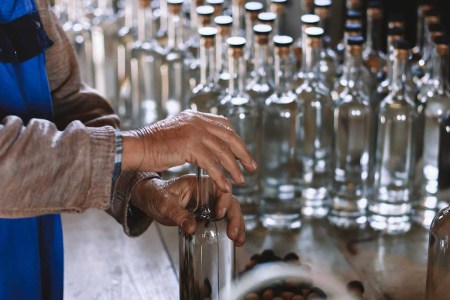
Ranasinghe explains that once toddy is harvested, it naturally ferments in 24 hours to around 4.5% ABV. The alcohol content increases slightly when it’s filtered, and the wash is refined in traditional copper stills at Sri Lanka’s distilleries. Once distilled, the arrack is aged in various wooden vats; extremely dense traditional Halmilla vats are the most premium and give arrack its signature characteristics through the aging process.
What Is Indonesian Arak?
In Indonesia, arak can be distilled from rice, sugarcane or coconut palm, depending on which region of the country you’re in. In Bali, arak is mostly made from coconut palm sap called “tuak” and rice, explains Nuraga. Like in Sri Lanka, coconut farmers tap their trees twice a day to collect their sap. It ferments for several days in a vat with coconut fiber before it’s distilled, says Minea.
Beyond Baijiu: 5 Must-Try Spirits From Around the World
From rakija to arak, five international liquors with storied histories and unique profilesUsed for centuries throughout the islands, Nuraga recalls when arak was used for both recreational and medicinal purposes. “In my village in Tabanan, it was used when someone got sick,” he says. “My parents used it to rub on my back. It helped reduce body temperature and allowed us to sleep well.”
What Does Arrack Taste Like?
“Imagine the smoothness of a fine rum, the botanical nuance of a good whisky, and the tropical soul of Sri Lanka — that’s arrack. It can be light and floral or rich and full-bodied, depending on how it’s made and aged,” says Rajaratnam. “To someone new, I’d say: if you enjoy spirits with depth, character and a story behind them, you’re going to be intrigued by arrack.”
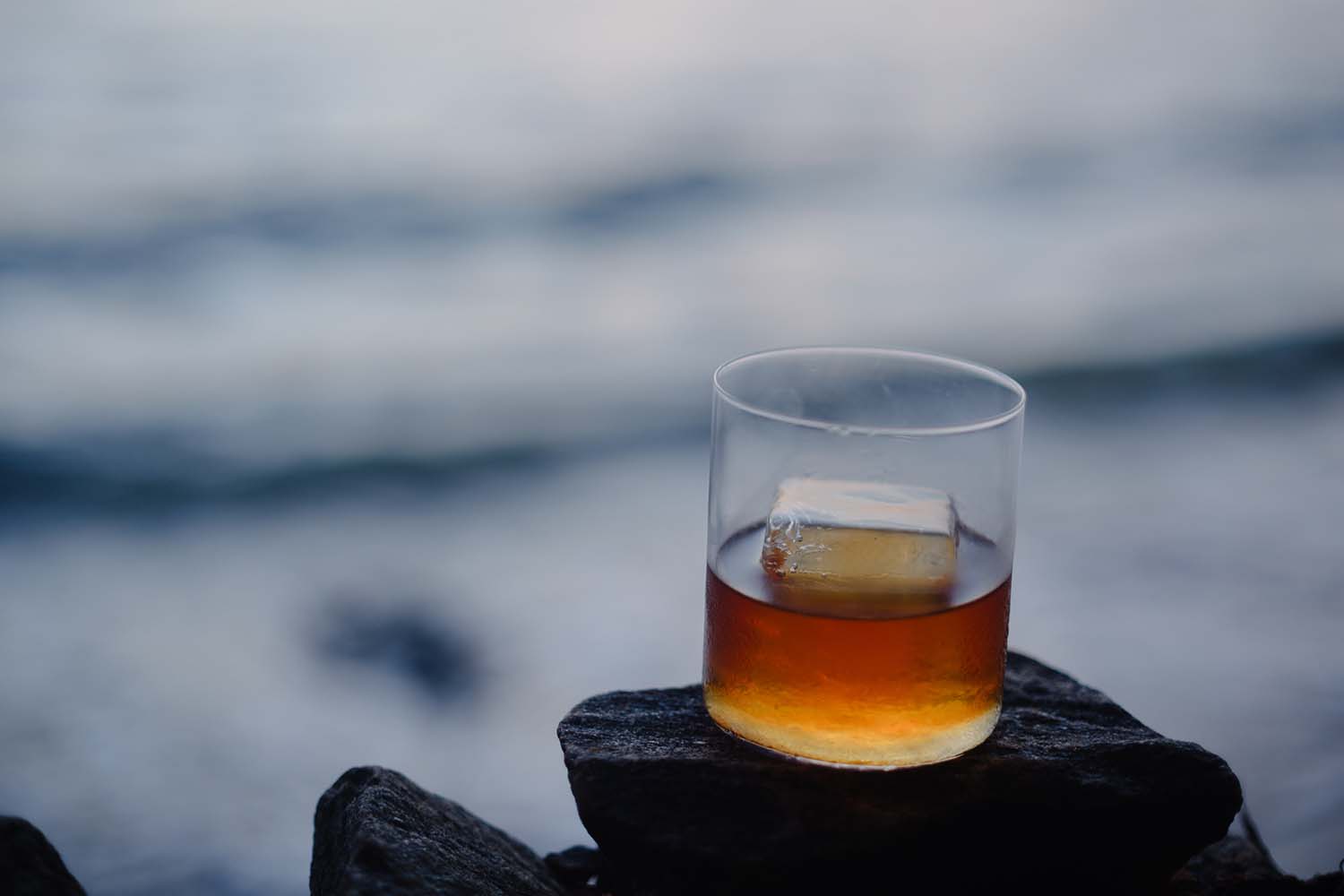
And given its origin, there are definite notes of coconut. Nuraga says, “Balinese arak has a unique sweet note, strong alcohol content and a distinctive aroma that comes from its base ingredients. Arak made from coconut palm has a special, unique flavor — it has a pleasant aroma, a slightly sweet and dry note and a bold strength that sets it apart from other types of arak.”
How to Drink Arrack (and Where to Try It)
In Sri Lanka, Ranasinghe tells us the local favorite is to drink over a few cubes of ice and a splash of soda or water. And in Bali, Nuraga thinks that islanders still prefer it served neat or arak tok in a small glass.
For those not used to its strong taste, cocktails are an increasingly popular way to consume arrack throughout Asia and worldwide. At Ropewalk in Galle, Sri Lanka, their namesake drink is a 45-day spice-infused Old Cask Arrack, served with sous-vide ginger and lemongrass syrup. At Raa, its Tree of Life cocktail is made with curry leaf and coriander arrack, fresh toddy, coconut milk and coconut treacle.
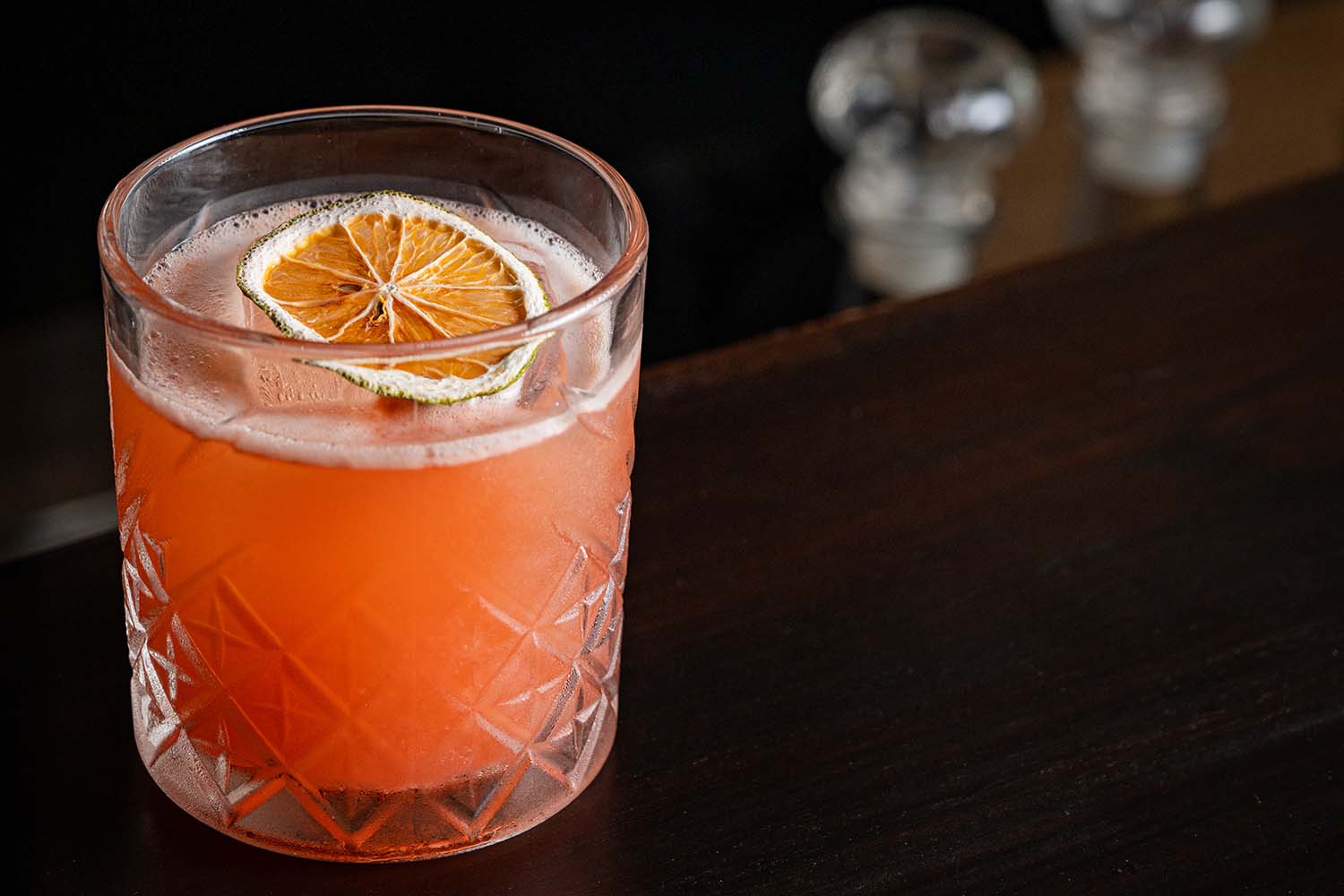
In Bali, at the Four Seasons Resort Bali at Jimbaran Bay, Minea makes a Batukaru Sour with sweet potato arak, jackfruit, ginger, malted barley, lemon and aquafaba. Further west at Potato Head, they’ve been using arak in their cocktails since 2016, specializing in infusions like arak orange, arak spiced and arak black grape.
South of Sri Lanka, in the Maldives, the team at Six Senses Laamu serves an Arrack Zest using arrack, kefir lime cordial, fresh coconut water and fresh lemongrass. Looking to try it closer to home? In New York City, The Bedford Stone Street uses Batavia Arrack van Oosten, Clarified Kalani Coconut Rum, iichiko Shochu, ITALICUS, coconut milk and pineapple for their Coconut Vesper cocktail.
Meet your guide

More Like This

Every Thursday, our resident experts see to it that you’re up to date on the latest from the world of drinks. Trend reports, bottle reviews, cocktail recipes and more. Sign up for THE SPILL now.