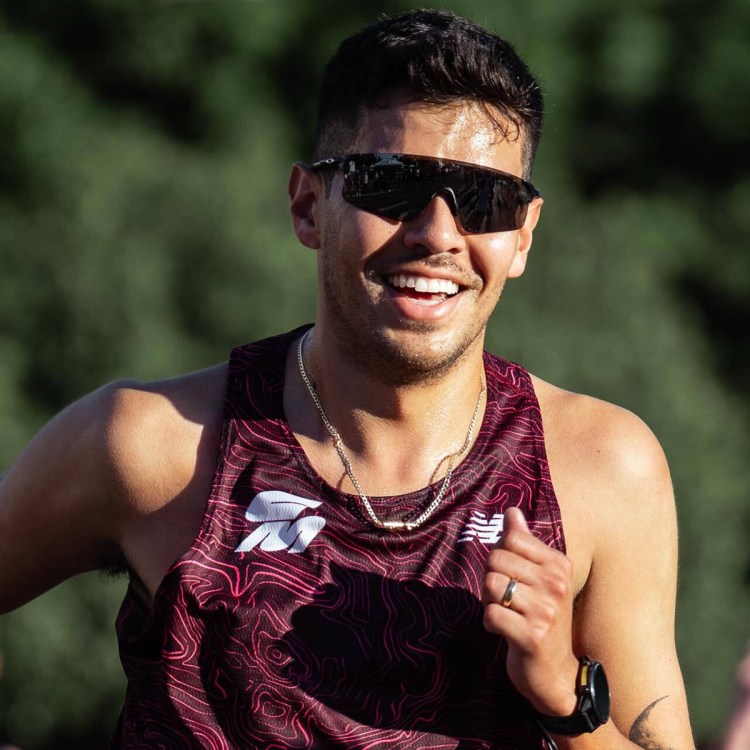
I managed to spot Eliud Kipchoge on Bedford Ave around 10 a.m., cranking 4:50-something miles with men half his age. He was the man everyone wanted to see, and this was made easier by his unexpected uniform: a perforated long-sleeve shirt, with air vents at the elbows and armpits. Everyone around him was wearing a singlet.
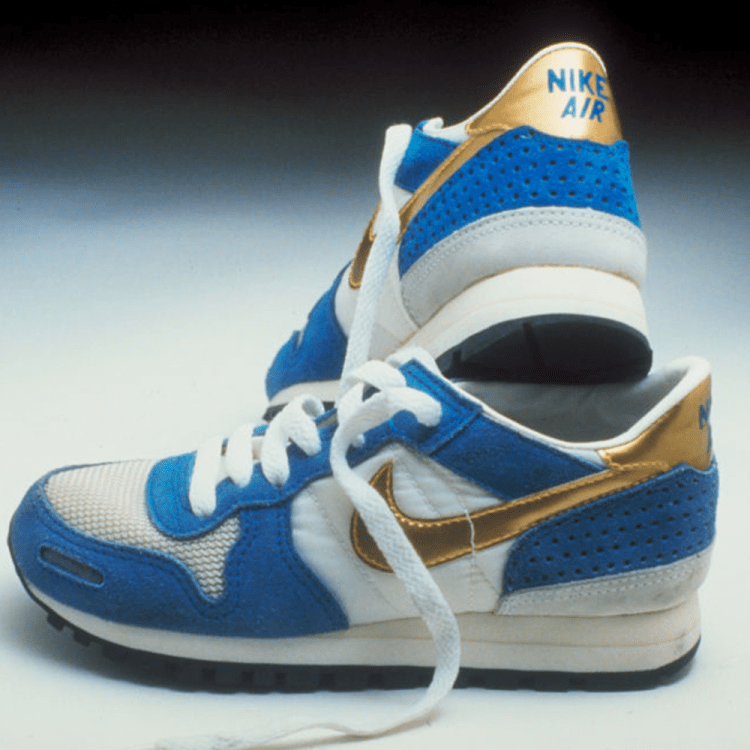
This felt typical: beyond being the greatest marathoner ever, Kipchoge has always been a good soldier for Nike. For decades, he’s raced in newfangled super shoes, spikes and speedsuits, giving Swoosh prototypes a dominant stamp of approval. The Kenyan’s incomparable career has almost perfectly aligned with running’s shoe tech revolution.
It would be strange for the modern face of the sport to simply fade — as he eventually did from the lead pack, around the 16th mile of the New York City Marathon, only 36 hours after announcing he was retiring from racing major marathons. But the keyword there is the penultimate one.
Having collected his Six Star Medal, Kipchoge can close the book on the Abbott World Major Marathons and marathon outside of the organization’s confines, on his terms. After NYC, he announced a new website called eliudsrunningworld.com. He’ll spend the next two years running a different marathon on all seven continents, in the hopes of raising $1 million for the Eliud Kipchoge Foundation, which spearheads education and environmental efforts.
Of course, it’s a move that reflects his age and now-loose grip on the highest echelon of the sport (Kipchoge placed 17th in 2:14:36, well below his old standards). But it’s also an innovative pivot, which suggests he’s keeping pace with running’s ongoing evolution.
While the majors continue to set participation records (New York was the biggest ever, as predicted, with over 59,000 competitors), the broader running community continues to push boundaries across different distances, different types of terrain and different continents. The borders have even turned porous between running and other endurance sports.
Consider the exploits of trail runner Killian Jornet, just last month, when he summited all 72 of the contiguous United States’ “fourteeners” (mountains with elevation above 14,000 feet, scattered across the American West) in 31 days. As if that weren’t ridiculous enough, he also biked the 2,500 miles in between each peak, an odyssey that boomeranged him from Colorado to Washington State.
This is the territory Kipchoge is now at his license to enter, if he wants. Not mountains, specifically — but Antarctica, anything. He isn’t chasing marathon podiums anymore. Kipchoge could run an iconic trail race, or topple a transcontinental FKT or start setting age speed records.
We know his sole running regrets are small. He said to press officials for the Olympics: “I always feel I missed the world record for 5000 meters. I wish I could have done that and maybe run a 10-kilometer world record on the road. [But] in the marathon, I did not miss anything.”
The longer he sticks around, the better. As much as he’ll forever be linked to an era of rapid progress (to that preposterous, all-conditions 1:59:40 in Vienna), he’s always been an old soul: meditative, generous and disciplined. “At peace,” you could say. How rare is that for an athlete, especially one of his caliber? I’m thankful I got to see him last Sunday. But I definitely don’t think it’s for the last time.

More Like This

Twice a week, you'll find guinea pig features, personal essays and expert interviews on living better — for however long you’re here. Subscribe to Champ now.