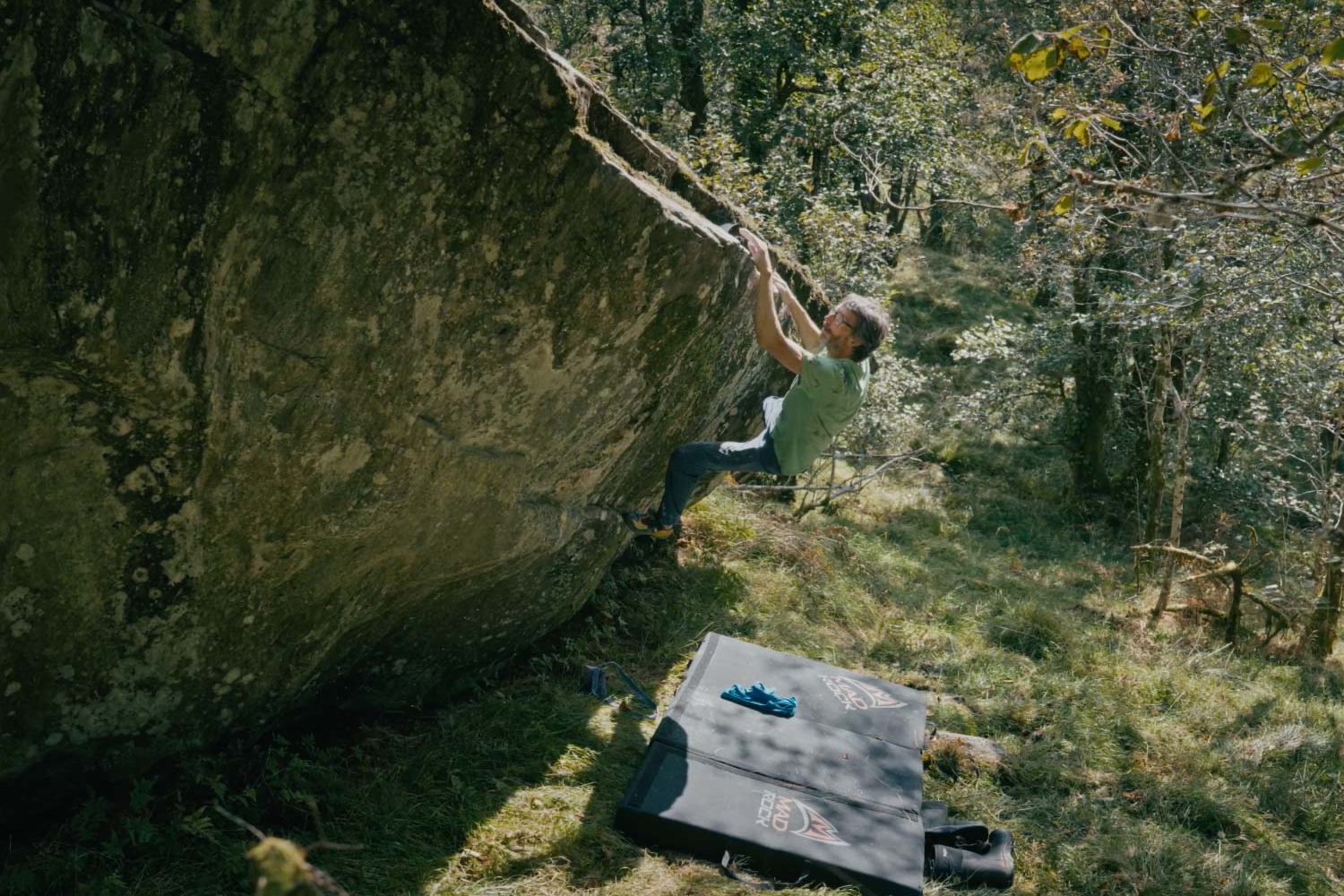
Chris Hamper was in his late fifties when he first realized something was wrong. A lifelong rock climber, he was clambering up a relatively straightforward ascent when his left hand just let go of its own accord. One moment he was gripping the rock face, the next moment, thin air. “I thought that was weird,” Hamper says now, some 10 years later.
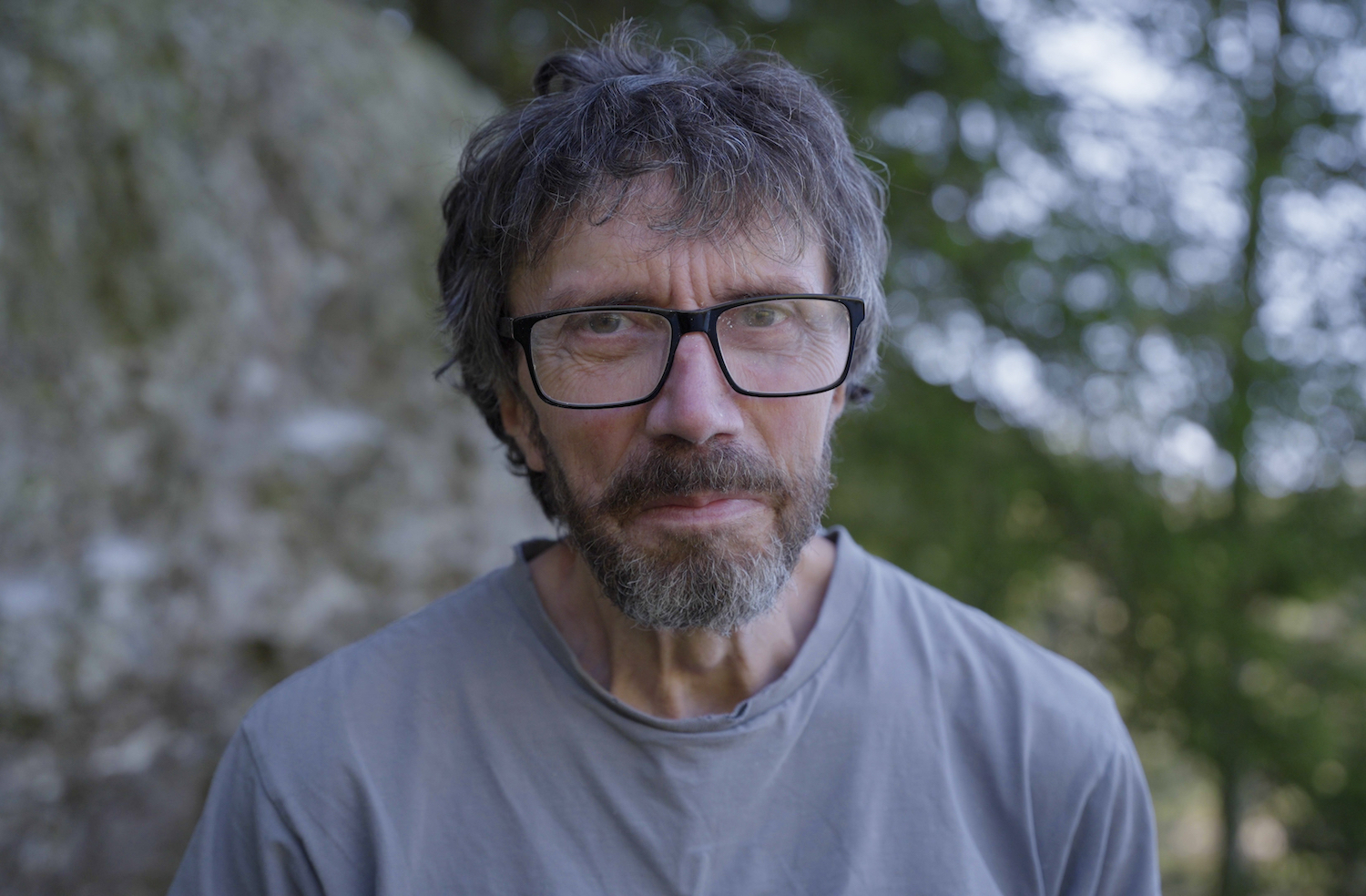
A native of Coventry, a city two hours north of London, the now 68-year-old had always been an avid climber — not necessarily a guy with first ascents to his name, but always one of the first climbers to iconic British routes. Being diagnosed with Parkinson’s disease in late middle-age might’ve stopped all of that, but instead it’s made Hamper more appreciative for what he can do — and determined to keep climbing.
Parkinson’s affects the nervous system, gradually imparing one’s movement patterns. It’s the second most prevalent neurodegenerative disorder in the United States, behind Alzheimer’s. Men are twice as likely to be diagnosed, with 90,000 new cases diagnosed annually, adding to the roughly 1 million Americans already living with it. In the United Kingdom, the numbers are naturally a bit smaller, but globally, Parkinson’s has become the fastest growing neurodegenerative disease.
For filmmaker Jess James, Hamper’s story was not only an inspiration, but a way to draw attention to Parkinson’s. His relationship to Hamper came about through a family connection. When he first heard Hamper’s story, he knew he had to tell it.
“His ability to climb and how Parkinson’s affected his life outside of the gym seemed to be separate,” James says. “I heard about Chris walking into a climbing gym, struggling to put on his harness, then going and still being able to climb one of the hardest routes in the gym. People half his age would gather around and ask ‘How did you do that?”
The result is the a short film called The Parkinson’s Project. Hamper, a quintessentially dry and funny Brit, joined me from his home in Norway to delve into the film, exploring what climbing means and how the simple focus required to keep reaching upwards helps provide shape to his uncertain future.
InsideHook: What’s your earliest memory of climbing?
Chris Hamper: I suppose I’ve always climbed, even when I was a baby, I used to climb the walls and stuff and climb around the house and climb trees. Then there was a teacher who took us climbing when I was about 11. We used to go to North Wales, and get absolutely soaked climbing slabs. As a teenager we used to climb Kenilworth Castle near where I grew up, although you’re not really allowed to climb it any more.
And was climbing an obsession?
Yeah, I was completely obsessed. I used to have pictures on the bedroom wall cut out of magazines and all my equipment hanging there. I was hopeless at sport; they used to argue over who was picking me for football matches at school. I realized climbing was a sport I was good at. It just so happens that I’ve got very long arms and very thin ankles, so it’s a real advantage. My ape index [a measurement comparing arm span to height] is 18 centimeters [seven inches], and it’s getting bigger because I’m getting shorter as I get older.
Climbing is great because you don’t think about anything else while you’re doing it. Has that always been part of the appeal?
Absolutely. Especially now, because it is something where I don’t think about anything else. Although, I’ve lost the ability to work out sequences from the ground because I can’t think, I just can’t piece it together anymore [due to Parkinson’s]. So I just throw myself at it and see what happens.
You were diagnosed with Parkinson’s 10 years ago. What happened?
It was two things. The first was I was trying a boulder problem and I just flew off of it. My hand just released. I thought that was weird and I realized something was wrong. The second thing was that I was a physics teacher, and I had to go through physics problems in front of students and I couldn’t do it anymore. My thoughts weren’t quick enough; I was getting a bit mixed up. I was having to say to students “I don’t know the answer to this,” and that was very unusual for me.
My uncle had died of motor neuron disease, so I started worrying about that. At first, the doctors told me that’s what I had. I had to travel to China for work and I was there the entire week thinking I had three weeks to live. When I came back and they said it was Parkinson’s, I was like “Yes!”
So it was actually a relief? How has it affected your climbing in the years since?
It’s difficult to know, because as I’m getting older, I would be deteriorating anyway, but it’s just a bit more rapid. My fingers are stiffer, so they hook onto things. The holds I choose have to be very specific. I choose problems with exactly the right sort of holds for me, ones with a little edge on them. I haven’t got a chance on the pinches [crimps].
As for the diagnosis affecting my life outside of climbing — when I was working it was quite good because I didn’t have to do any of the extra things other teachers do. So I would joke “I hope I don’t get a cure,” but I’m not working anymore and I wish I didn’t have [Parkinson’s] because there’s so many things I could be doing that I can’t do. I’m into restoring old cars, and I can’t do that. There are simple things I can’t do anymore, like tidying up.
How often are you climbing now?
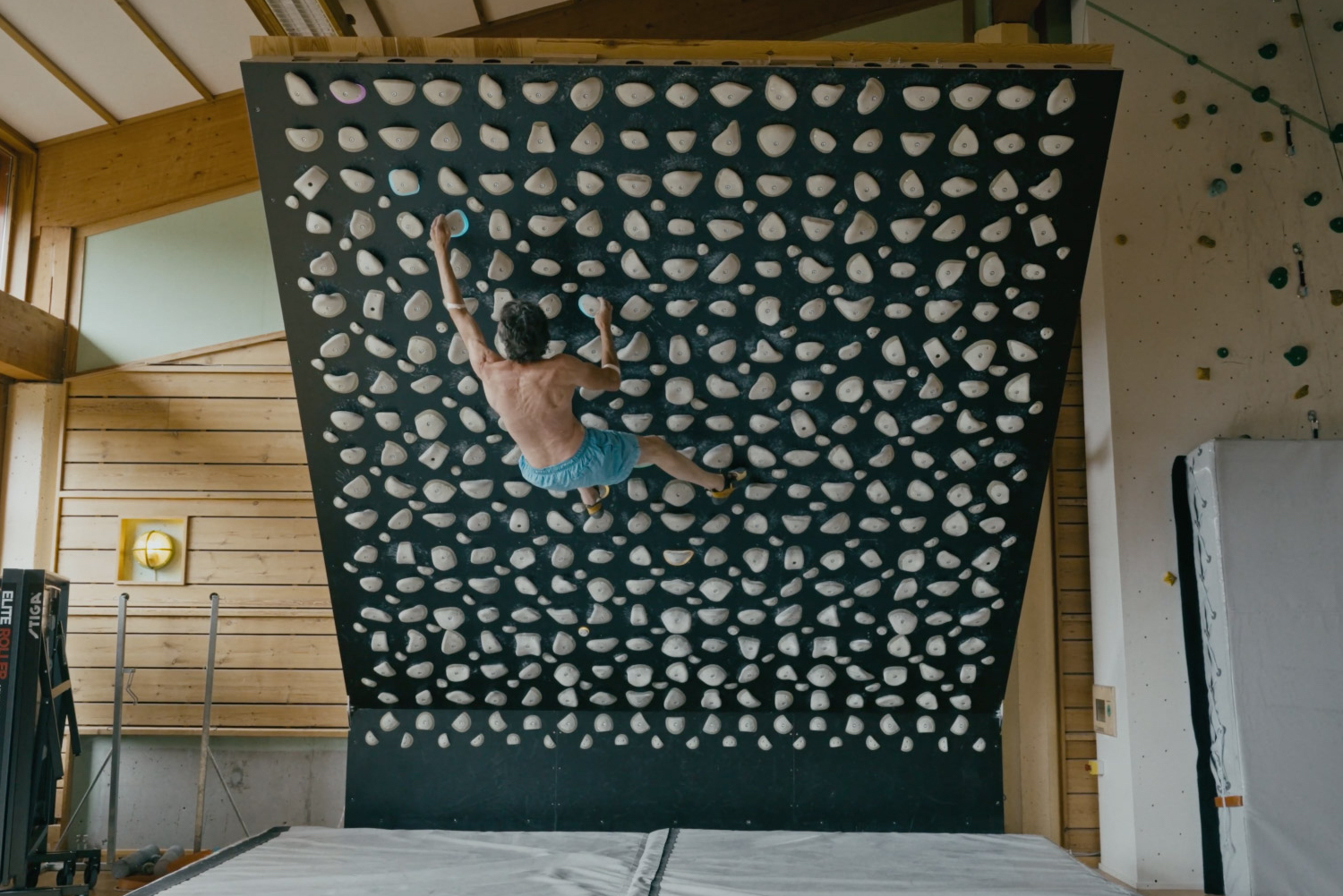
I try to climb three times a week. It’s mostly in the gym. There are outdoor boulders everywhere in Norway, some I can climb, even though they’re way harder than I should be able to, just from muscle memory, but mostly I can’t climb my old, difficult, boulder problems anymore. But in the gym I can still do like a 6c, which is pretty good. But also the gym is where I socialize. I go to meet people and talk. Sometimes I’m in the gym and I feel like I can hardly walk, and I feel unmotivated, but climbing really lifts me up. I get there thinking it’s going to be a waste of time, and it almost never is. I can often climb, and I perform much perform better than I’d thought I would.
Do you have moments that get you down?
I do, but they pass. Sometimes it gets really tough, but you know that that’ll pass and you’ll get together in the end. I think I’ll keep climbing until I’m only able to climb easy 3as or something like that. I’m going climbing today, and now it’s about being positive about it. If I hang about on a problem now, I freeze and I can’t get going again. I have to kick myself into gear. So I keep moving. If I can just continue in a fluid motion, it’s much easier.

More Like This
Twice a week, you'll find proven advice and tips, expert interviews, deeply reported features and personal essays on living better — for however long you’re here. Subscribe to Champ now.