If you’ve ever stared at a menu that features coq au vin or agnolotti or hesitated to order a glass of Beaujolais aloud, you might know the feeling — lost yet intrigued, a bit awkward with pronunciation but willing to trust that the words mean something legit. Menus peppered with foreign terms signal a place that takes taste, regionality and technique seriously. And while European menus have flaunted this linguistic mystique forever, the traditional foodways of another continent are finally getting their due in the United States.
The United States of Diaspora
The food and culture that has shaped AmericaLately, in the world of Southeast Asian dining, chefs are inviting guests to navigate unfamiliar words and flavors with curiosity rather than caution. Spanning 11 countries — Vietnam, Thailand, the Philippines, Singapore and Indonesia, to name a few — the region has long captivated diners. It’s the land of pad thai and pho, but in the United States, the buzziest new restaurants are moving beyond those gateway dishes, diving unapologetically into complex, region-specific flavors.
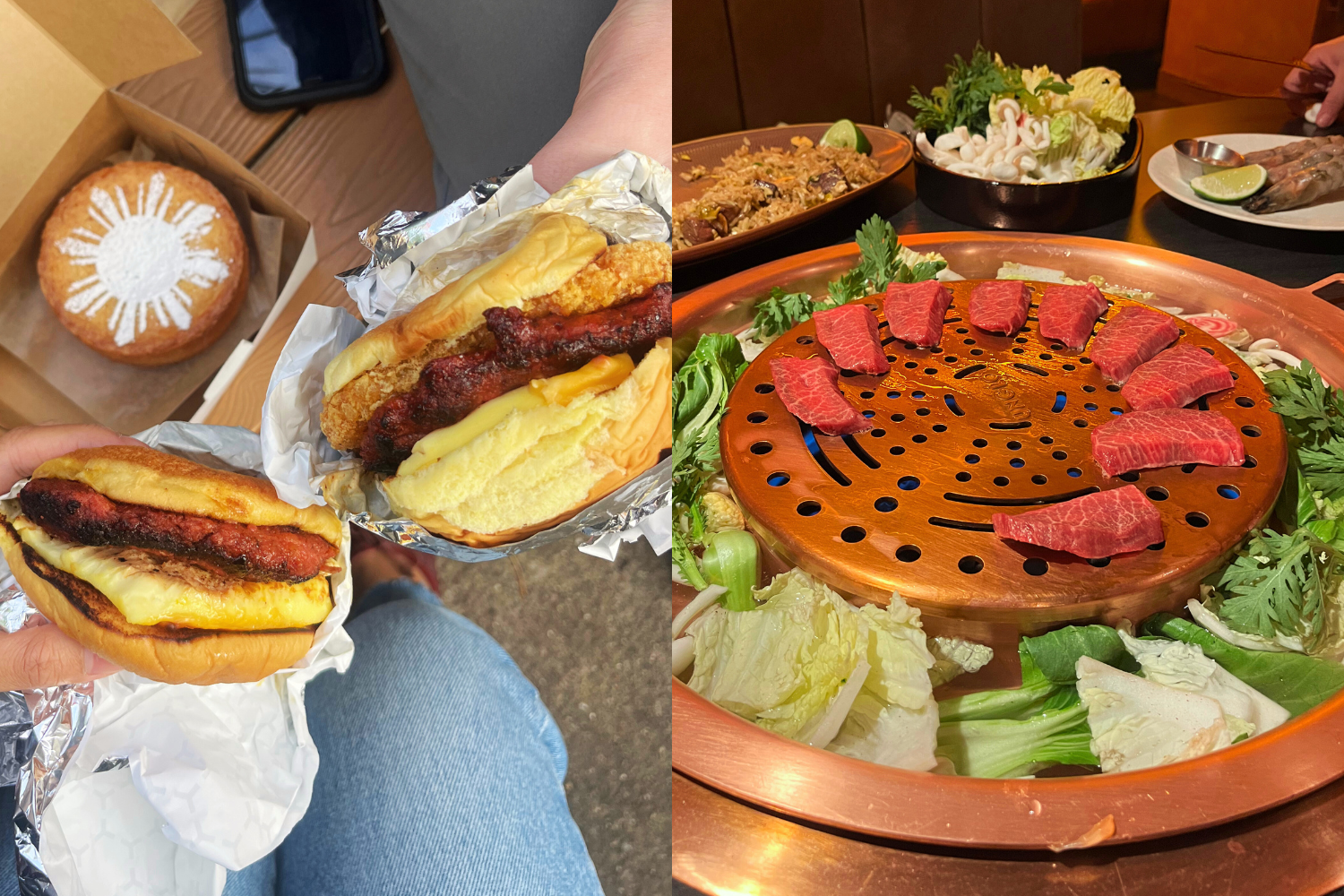
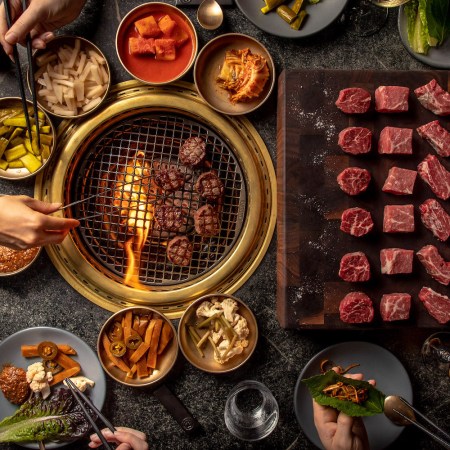
My curiosity led me to Unglo, a new Thai BBQ restaurant in Manhattan from the acclaimed team behind Soothr. I’m drawn to DIY meals: the smoky drama of Korean BBQ, the warmth of Chinese hot pot. Thailand’s moo krata blends the best of both — thinly-sliced meat grilled above a moat of vegetables cooking in broth. At first, my friends and I needed a quick tutorial, but it didn’t take long to get the hang of flipping beef and fishing for veggies. The experience was fun, interactive and delicious, proof that diners are more than willing to learn a new culinary language when the payoff tastes this good.
Unglo isn’t the only restaurant pushing new ideas onto menus. In Chicago, Kasama became the first Filipino restaurant in the United States to earn a Michelin star. The cafe by day and tasting menu by night only exploded in infamy after an episode of The Bear featured their bestselling longganisa sandwich. As a Filipino, I know longganisa is sweet and unusual for many Americans, and it’s tricky to pronounce. Yet its unique profile has been more than simply well-received: By 10 a.m., expect a line stretched across two blocks.
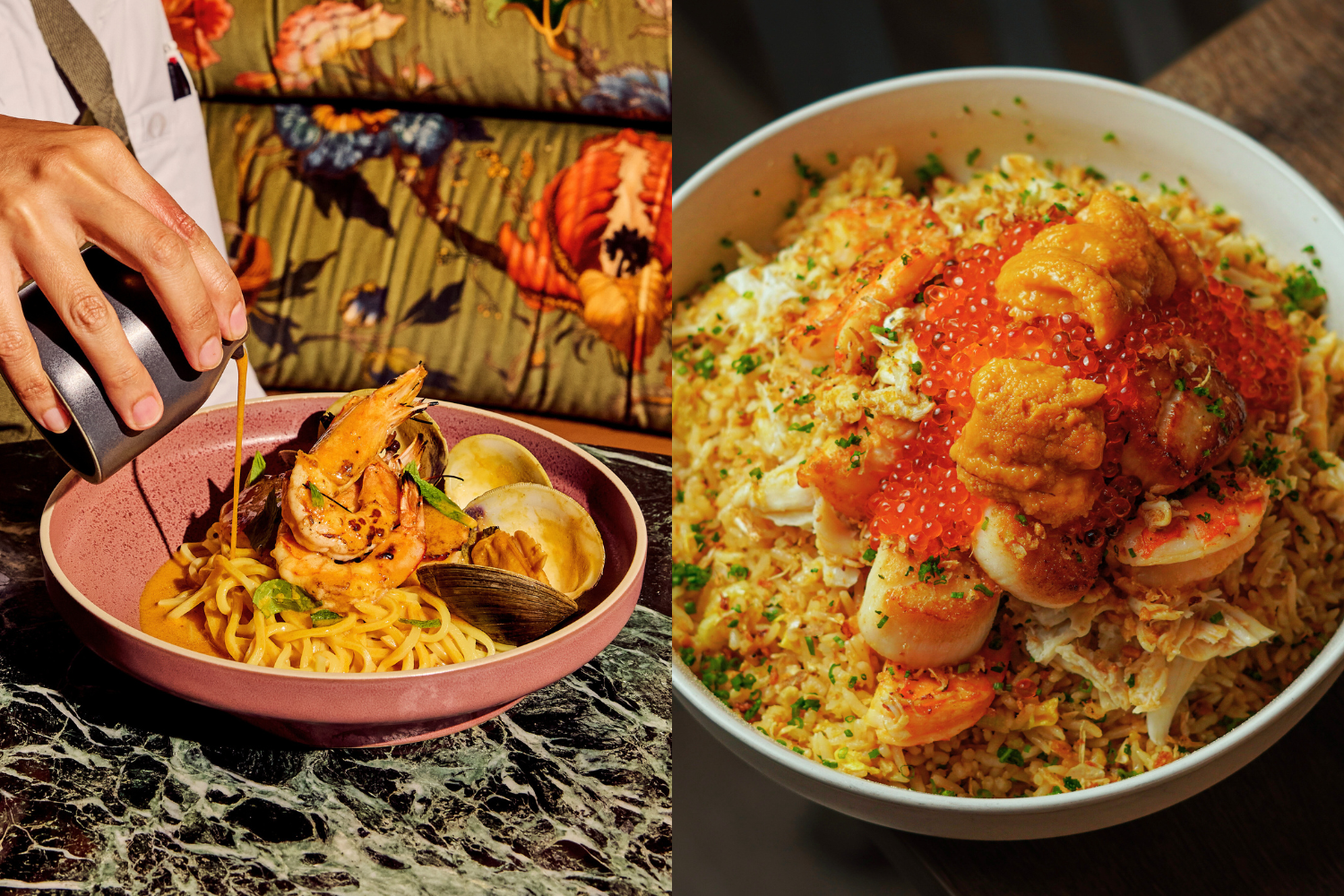
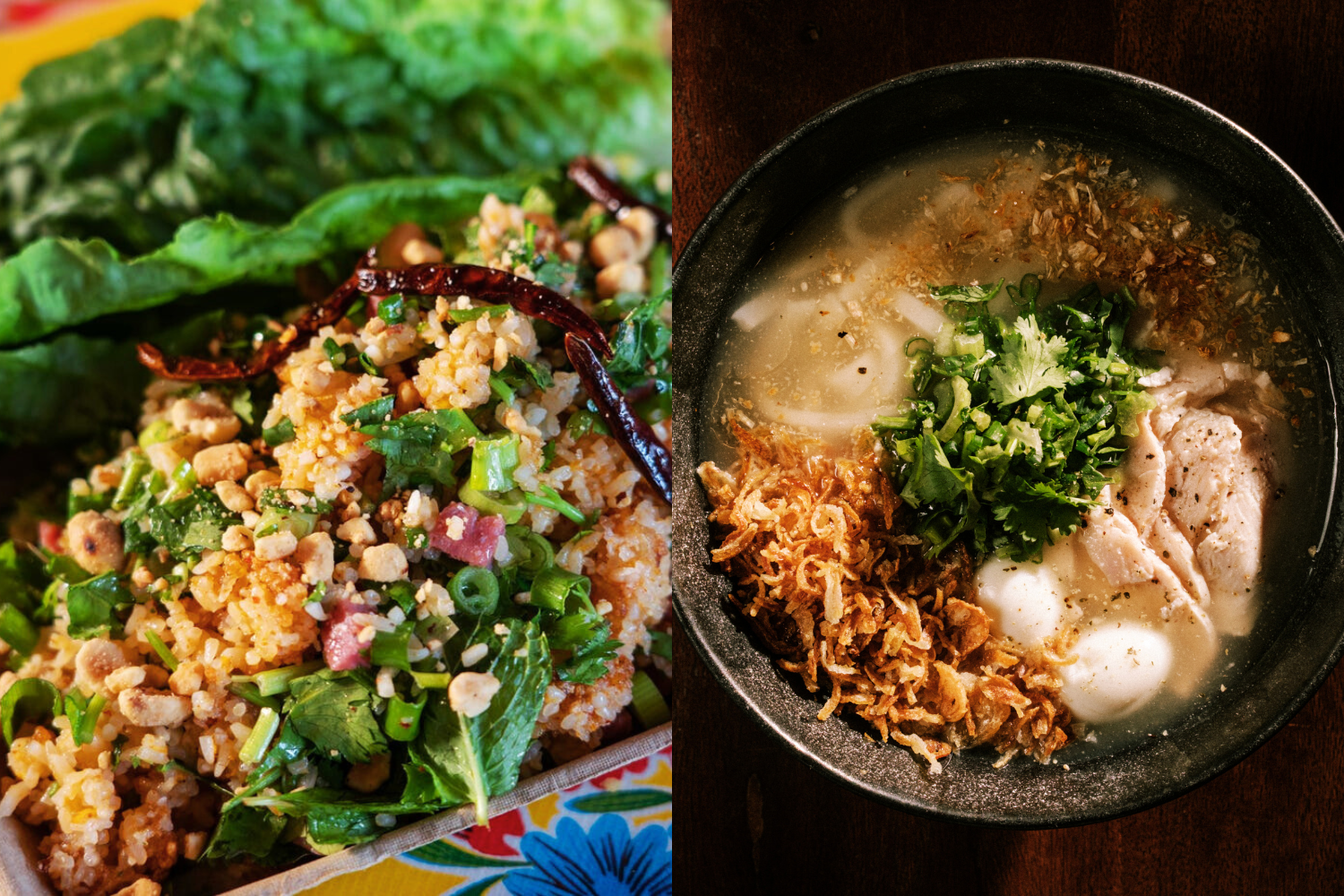
There’s also a ton of excitement happening in Austin, Texas. Siti serves up wild scallops drenched in a playful galangal and coconut laksa. Chef Laila Bazahm’s rich sambal striped bass is grilled in banana leaves, nodding to Singaporean hawkers. Then there’s vibrant Lao’d Bar, where the bright, tangy flavors of Laotian cuisine shine in chef Bob Somsith’s nam khao (crispy fried rice) and waterfall ribeye lahb, a juicy, herbal steak laap (minced meat salad).
Laotian cuisine is also having a moment at Bar Sen in Oklahoma. Chef Jeff Chanchaleune shares that the “meat and potatoes” state has more appetite for bold flavors than you’d think. The star of the menu is their khao piek sen, the Laotian version of chicken noodle soup, made with house-made, hand-cut noodles. Over in Philadelphia, reservations at Mawn are highly coveted. The Cambodian hotspot is serving steak and prohak, an essential Cambodian dish that pairs a ribeye with a fermented fish and herb salsa. Dishes are laced in a marinade called kreung that’s made of lemongrass, galangal and lime.
In my own neighborhood, Naks has become a favorite among Filipino expats in the East Village. They serve less common dishes like dungeness crab and a whole lechon (suckling pig) in a setting that’s elevated yet welcoming. These days, I can’t get a table without booking a week in advance — a small shock, but a satisfying one at that. It’s thrilling to watch diners discover the unapologetic, inventive new wave of Southeast Asian cuisine that refuses to be play it safe. Some things, like discovering new flavors or finally snagging that coveted table, are just more delicious once earned.

More Like This

This article appeared in an InsideHook newsletter. Sign up for free to get more on travel, wellness, style, drinking, and culture..