This article is part of The Spill Awards 2026, covering the best in spirits, cocktails, bartenders and drinks culture. Find all of the stories here.
For each annual Spill Awards, we celebrate icons who managed to tear down or disrupt assumptions or systems that they believed weren’t serving the world well — and who still have plenty to say about where the drinks world may want to go (and what it should imbibe along the way). So thanks to our judges, this year we honor Dr. Laura Catena, David Wondrich and Garrett Oliver, three icons who are still making waves in the drinks community.
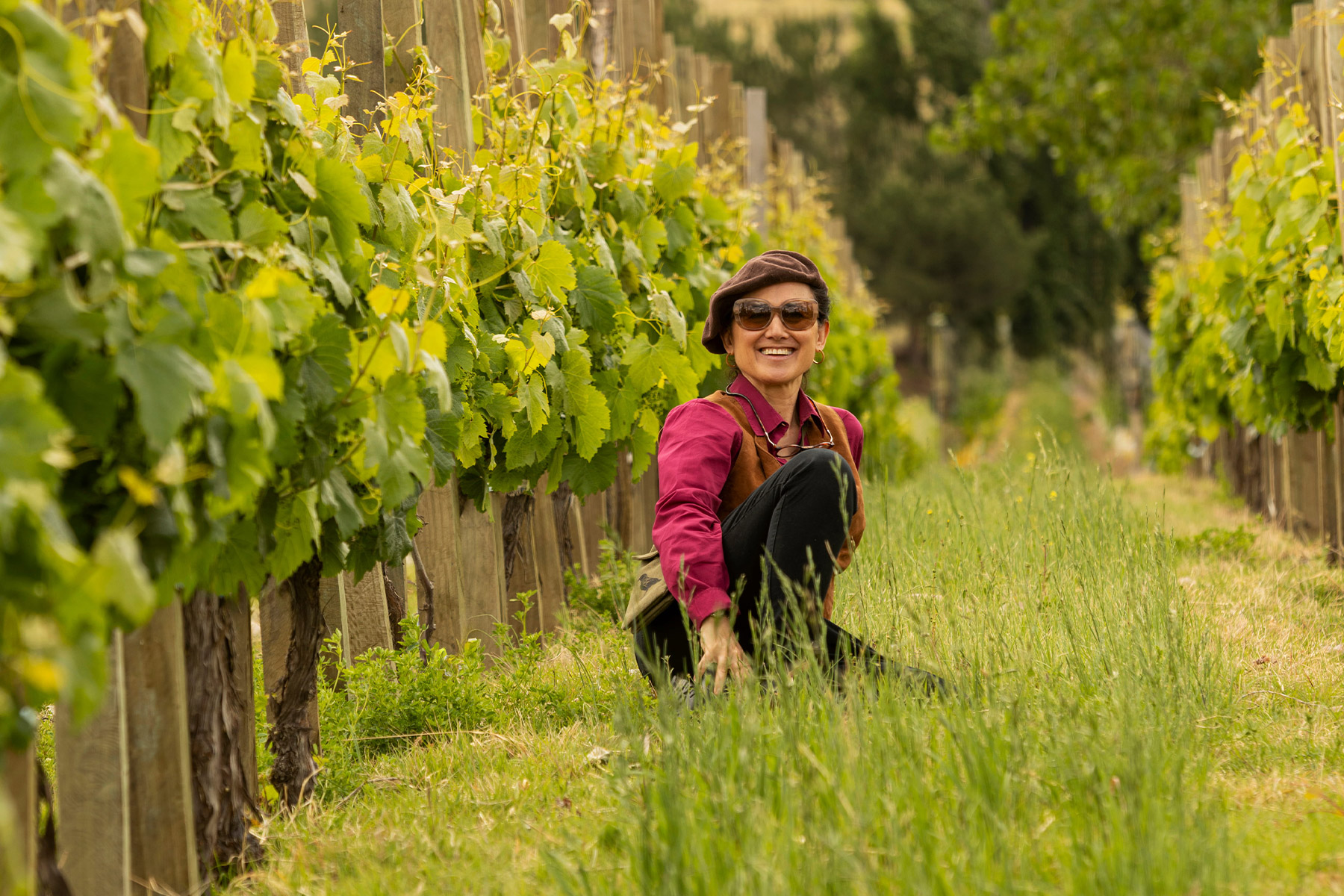
Dr. Laura Catena
Dr. Laura Catena was born into the famous Catena winemaking family in Mendoza, Argentina, but for many years, she pursued a career in medicine after graduating magna cum laude from Harvard University and earning a Doctor of Medicine from Stanford University. But the siren song of wine, culture, empanadas and family called from Argentina, and in 1995, Catena managed to combine her scientific rigor and passion for wine by founding the Catena Institute, from which she ambitiously set out to “elevate Argentine wine for the next 200 years.”
For years, she kept a foot in each world: medicine and wine. And while wine won out eventually, Dr. Catena still uses her background to help people understand the health benefits and risks of consuming alcohol. Her biggest impact, thus far, has been in the field of viticultural preservation.
“Our institute has over 35 publications in peer-reviewed journals on topics such as plant physiology, high altitude, terroir, wine ageability and Argentine Malbec genetics,” Catena says. “I don’t know of any other winery in the world doing this amount of research at the level of the Catena Institute. And I genuinely think this research, which we share through publications with all our fellow wineries in Argentina and elsewhere, is helping viticulture in Argentina today and for the generations to come.”
What’s next? Catena is working on two book projects. One flips classic food and wine pairings on their head, focused on wine and building menus around it, something diners can experience firsthand at the Michelin-starred Angélica-Cocina Maestra restaurant at her family’s Catena Zapata winery. The second, Catena says, is “super-secret but connected to the Mediterranean Diet.”
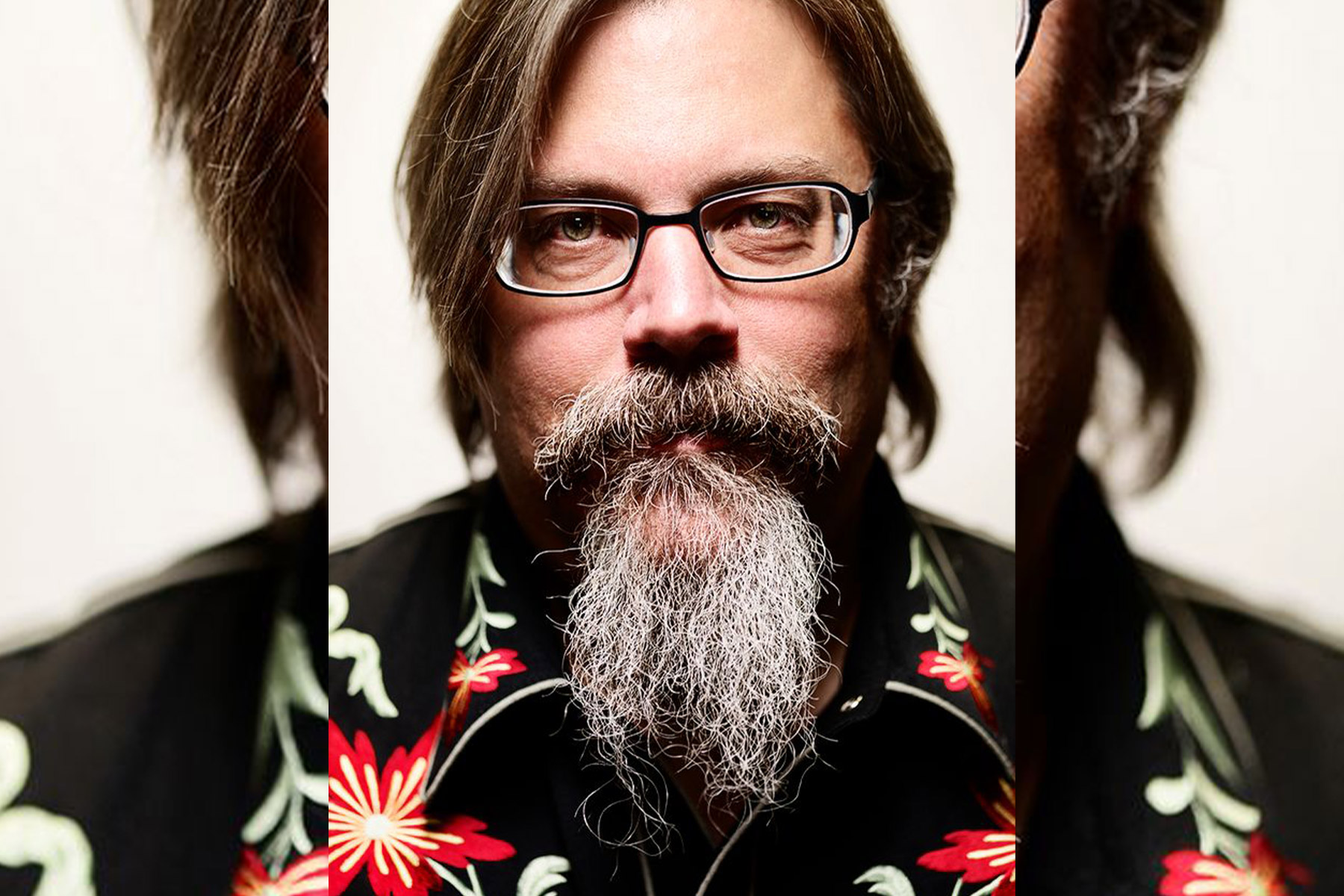
David Wondrich
David Wondrich has revolutionized life behind the bar, both by standing behind it and doing cool things, and writing about the culture of drinks. He earned a PhD in Comparative Literature from New York University but left to pursue a career devoted to the academic study of cocktails. He worked as a drinks correspondent for Esquire and other magazines, but his most notable achievements are long-form. One of the most important is Imbibe!, a genre-shifting history of American cocktails, starring bartender Jerry Thomas. The latest favorite is The Comic Book History of the Cocktail, an addictively digestible (while still delightfully esoteric and deep) graphic-style history of cocktails. Plus, he served as editor-in-chief of The Oxford Companion to Spirits & Cocktails, essential reading for anyone who is serious about the past, present and future of drinks.
While Wondrich knows he’s most lauded for his studious attention to detail, he thinks the reason his work resonates lies in the tone of his approach. “People usually call out my research,” he says. “But these days, I’m far from alone in trying to do careful research on the history of drinks. I do think that where I go my own way is trying to keep a sense of fun in my history-writing, even if it’s just slipping in a dry little wisecrack when I can.”
Currently, Wondrich is in the trenches researching a book that has “more to do with booze and its history and less with the cocktail.” He explains it’s a follow-up to research he turned up writing the Martini history for The Knickerbocker Hotel in New York.
What’s next? “I’d love to do an annotated edition of the massive 1908 ‘Report of the Royal Commission on Whiskey and Other Potable Beverages,’ which covers pretty much the whole known world of booze (known at the time, anyway) with testimony from the distillers and brand owners,” Wondrich says.
Garrett Oliver
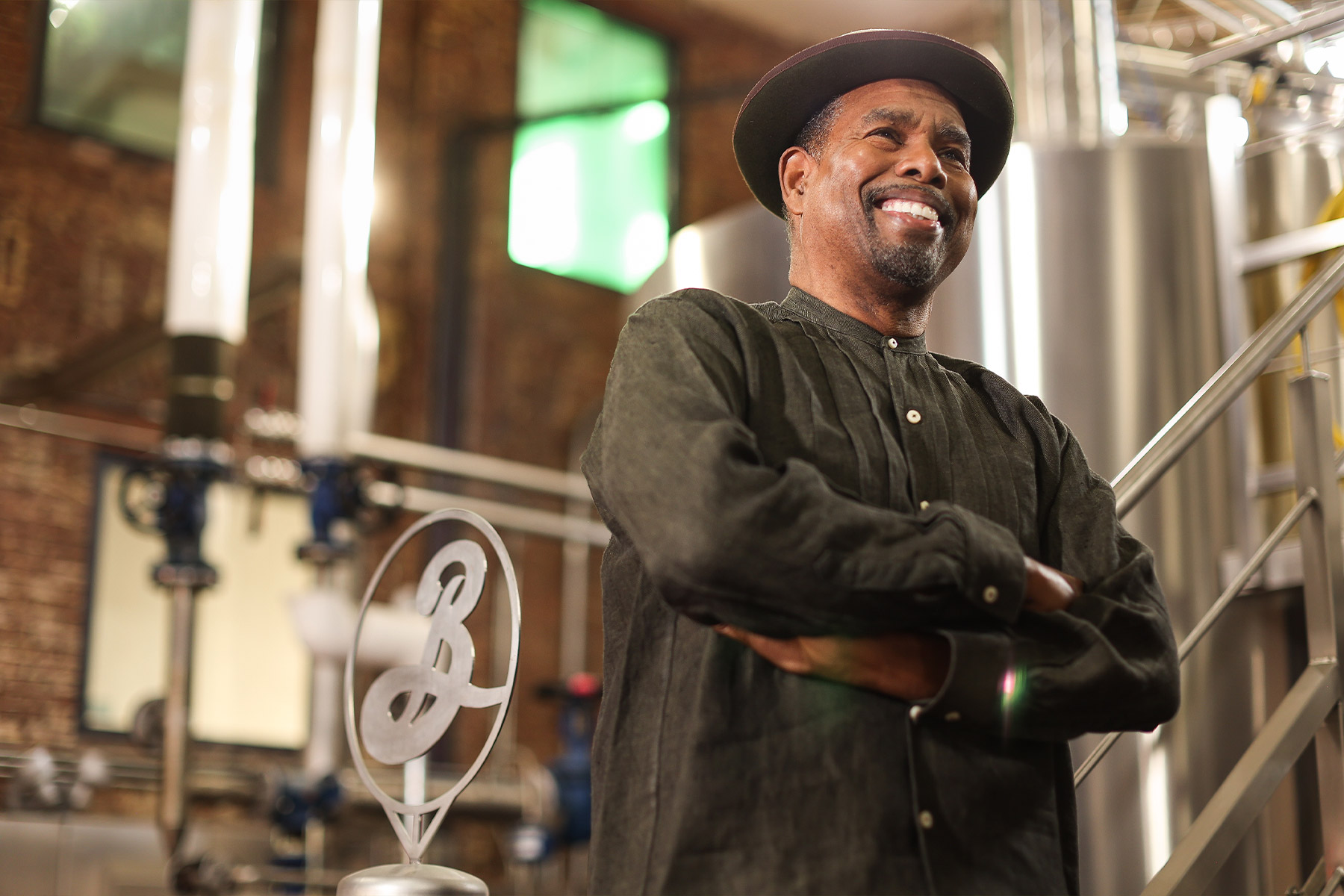
Garrett Oliver changed how beer is made, consumed and discussed through his work as a brewmaster, author and advocate. He studied Broadcasting and Film at Boston University and became enmeshed in European beer culture while organizing concerts as an undergrad.
His first foray into professional brewing happened in 1989 at the Manhattan Brewing Company, where he worked as an apprentice. Oliver’s undeniable talent and curiosity moved him quickly up the ranks, and in 1994, he was named brewmaster (and soon, partner) at The Brooklyn Brewery. Instead of “just” making great beer and selling it to people, Oliver elevated it to a central perch at the table through ceaseless innovation and collaborations with farmers and other brewers, sharing the fermented magic through hundreds of beer dinners across dozens of countries.
“I think if you were to ask others, they might say my greatest career accomplishment was the invention of the modern brewery collaboration back in the mid-90s,” Oliver says. “Or perhaps the books.”
Oliver’s impact on beer scholarship is significant. He wrote The Brewmaster’s Table: Discovering the Pleasures of Real Beer with Real Food and served as editor-in-chief of The Oxford Companion of Beer. But looking back, Oliver believes his biggest contribution was the way he opened doors for farmers and others who had traditionally been closed out of the world of beer.
“From a brewing point of view, I personally would probably choose the introduction of African-grown fonio as a regularly-used brewing ingredient in the United States and Europe,” Oliver says. “Overall, I think my top accomplishment has been the founding and stewarding of the Michael James Jackson Foundation for Brewing and Distilling. We’ve sent more than 70 people of color, many immigrants themselves or from immigrant families, to brewing and distilling school.”
Beer is great. But you make it, you drink it and then it’s gone, Oliver says. “These MJF awardees, and what they will be able to do with their boosted education, will improve and expand our industry for many decades to come,” he adds.
What’s next: Oliver is in the midst of opening the new Brooklyn Brewery, four blocks from its present location (the ribbons will be cut this summer). “In the meantime, I’m working on multiple specialty beers I’m really excited about, and I’m gratified by seeing so many people making great fonio beers out there,” he says. “I’d love to see one, or more, of the big international breweries make a real commitment to fonio, which makes brilliant beer and touches on so many things we care about.”

More Like This


This article appeared in an InsideHook newsletter. Sign up for free to get more on travel, wellness, style, drinking, and culture..