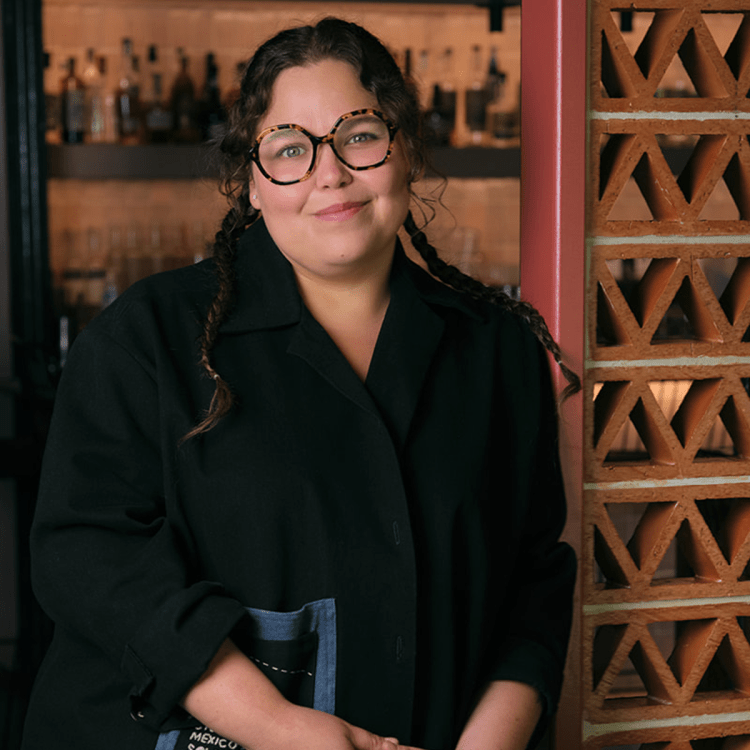
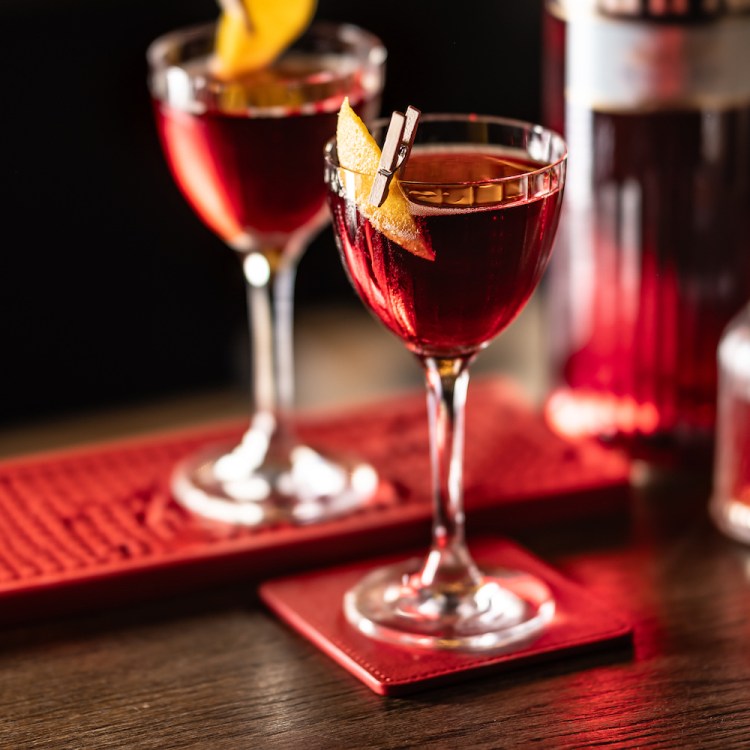
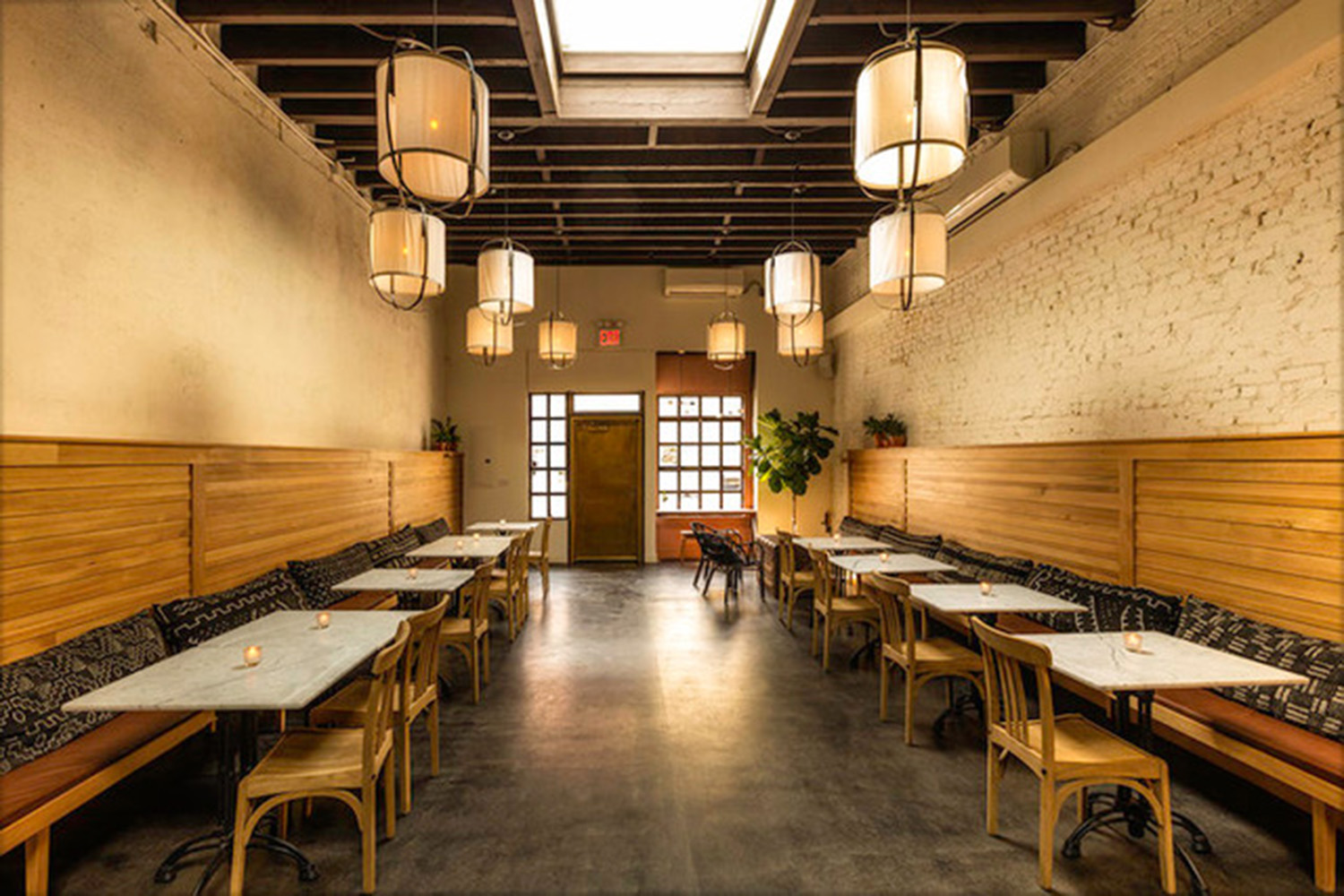
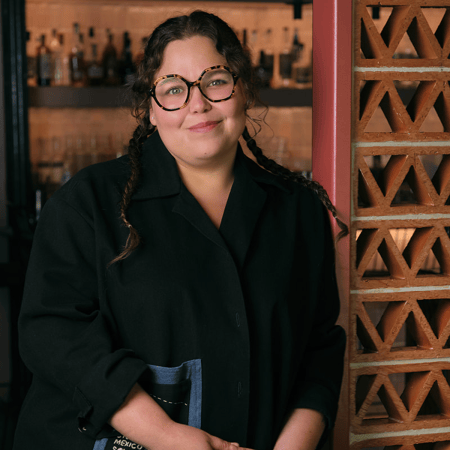
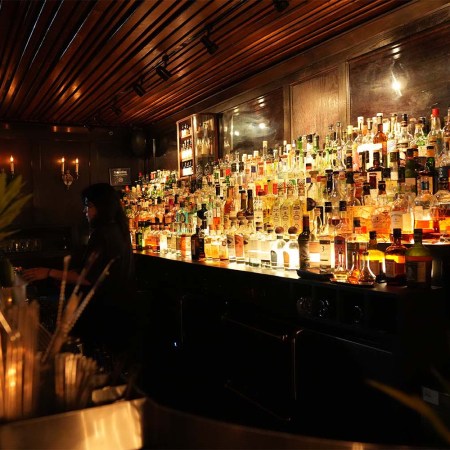
Dirty Precious opened its doors in March of 2016 in the Gowanus area of Brooklyn, NY, a little off the main strip of bars and restaurants that dot Fourth and Fifth Avenues. A “less formal” space that offered both elevated cocktails and everyday drinks, it was founded by bartender Katipai Richardson-Wilson, restaurant designer Shana Sandberg and restaurateur Amy Cole.
The bar soon became a laidback neighborhood favorite, even given its slight distance from Park Slope’s busier streets (great selfie bathroom, too). Dirty Precious’s ethos was simple: “We get that sometimes you want a perfectly-executed cocktail, followed by a can of beer and a shot. We get that the person pouring your glass is as important as what goes into it. Also we like you. As long as you’re not a dick.”
Given that the bar survived the COVID-19 epidemic, I was shocked to hear of its closing this summer after its lease expired. I visited the space one final time the week before its August shutdown and followed its final few days on social media, which witnessed an outpouring of love and sadness from regulars (a sample post: “Dirty Precious was an unbelievably special room. Often Gowanus is overlooked, but this bar was quietly one of the most consistent spots in New York for outstanding cocktail making, wonderful people and curated vibrations”).
The bar was popular. The drinks were fantastic and affordable. So what happened? And what happens after the closing night party?
A Quick History of Dirty Precious
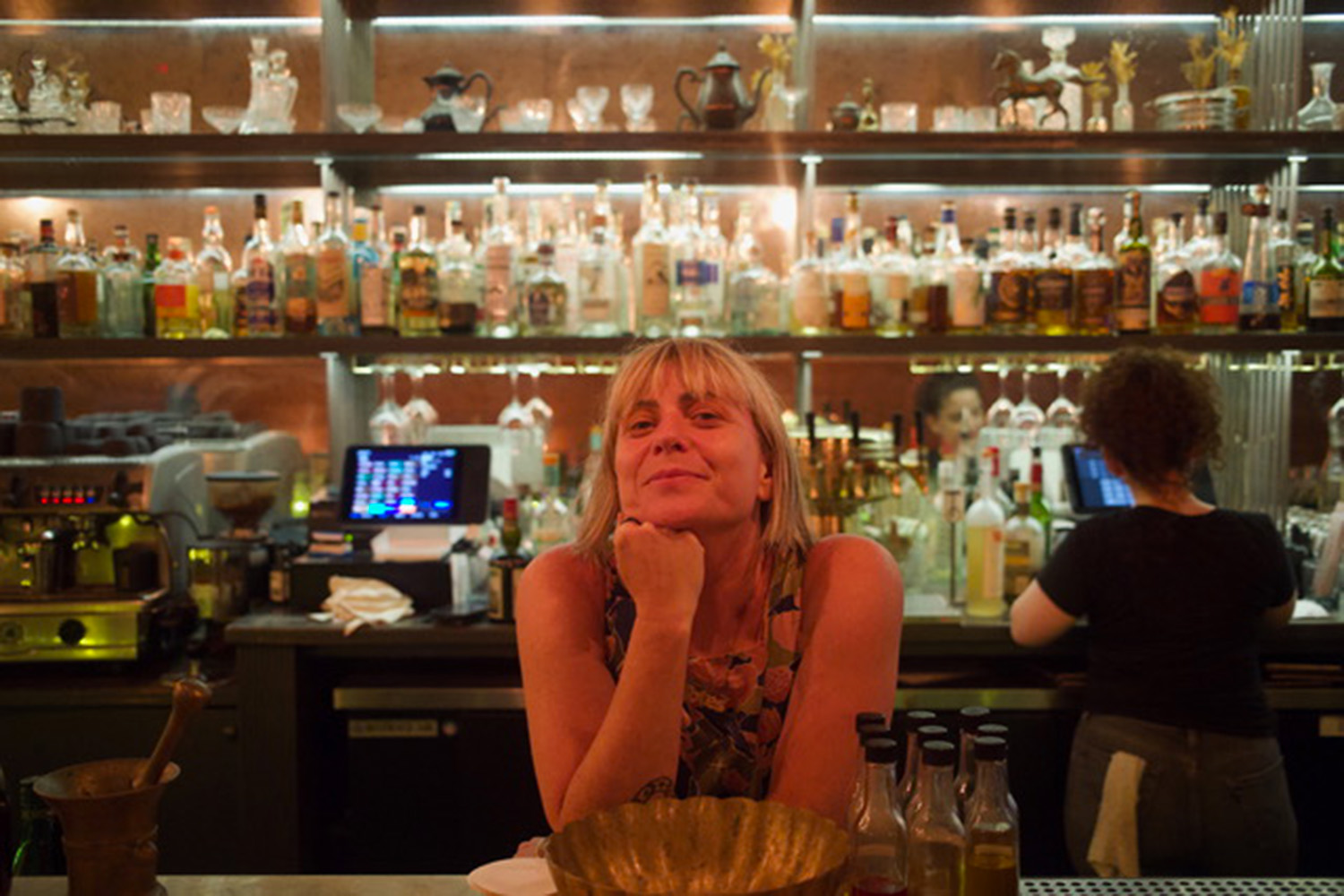
“I’ve basically been in the [hospitality] industry my whole life. I started waiting tables when I was 16 in New Zealand,” Richardson-Wilson tells me over the phone a few weeks after Dirty Precious’s final night. “I moved here in 1999 and fell in love with New York. I worked in a bunch of places, leveling up.” Sometime in her early 30s, she realized the bar life was not a side gig but what she did for a living. “I realized working in hospitality was gaining legitimacy, and there were some fun things happening,” she adds. “I didn’t know if I wanted to be a 40-year-old bartender, but I thought if I owned my bar, then I’m a business person.”
Dirty Precious opened in 2016 in Gowanus, an area that until recently felt overlooked, at least as far as hospitality goes. “I’ve always been fascinated with the area,” Richardson-Wilson says. “It struck me like a Williamsburg of 2000 when all the artists got pushed out of Soho and found themselves in these big, industrial spaces. Also, you’re between two pretty bougie areas: Park Slope and Carroll Gardens. Then there’s the toxic canal in the middle, keeping everybody authentic.”
The bar was received warmly by its neighbors. Foot traffic was good enough that the bar team felt no need to hire a PR company. “I wasn’t out to win any awards,” Richardson-Wilson says. “Our growth felt like a slow roll.”
Bar Life Post-Pandemic
While Dirty Precious survived the initial wave and shutdown of the COVID-19 pandemic, the comeback to the before times never happened. “Our busiest week was the week before lockdown, and we had all these parties booked for that summer, which is normally a quiet time in the neighborhood,” Richardson-Wilson says. “[During the pandemic] we were able to get some grant money. But afterwards, I was waiting for the pendulum to swing back, and I think that was really never going to happen.”
For those lamenting the loss of the affordable cocktail, there might be a lesson here, too. Richardson-Wilson says she didn’t raise prices (“I thought costs would even out, and I wanted to keep things accessible”) and she paid employees a living wage during the pandemic while also doing capital improvements. “Maybe I could have raised prices so I could pay myself in a way that was sustainable,” she says. “The prices we had were great if you had sustainable business, but it was still up and down. People aren’t drinking or socializing in the same way.”
The Final Days and What Comes Next
Before you ask, it wasn’t about the rent. “Our landlord is a decent human being,” Richardson-Wilson says. “He’s not gouging anyone.” But when the lease for Dirty Precious was up, a decision was made not to renew.
“It was never my dream to be a day-in, day-out operator,” she adds. “The idea was to build something and have it run independently and then go off and build something more. Concepts and solutions and community building are my strengths. Why am I killing myself to do this emotionally and fiscally, just so people could have drinks?”
Dirty Precious is now on the market, at least for a few months. The bar looks to be a fairly turnkey operation if anyone wants to take over the site (appliances and the bar counter are included). The non-perishable leftover food was donated to CHiPS, a community meal provider. Most of the booze is gone, and the legality of passing any of the remaining stock to the next owner is a question mark.
What if there’s no buyer? The place may be stripped for parts. Ideally, someone would recognize the need for a third space in the area.
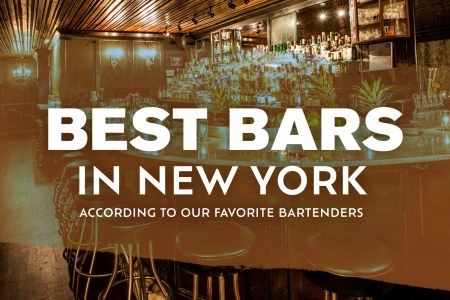
The 12 Best Bars in NYC, According to Bartenders
We asked the experts to weigh in on their favorites“I still very much believe in the neighborhood,” Richardson-Wilson says. “That said, I can name a few good friends in the industry who have gone through this recently. We’ve been operating on a model for as long as this model has worked. There was an idea that bars were recession-proof. But I think the pandemic and the way people responded shifted things to a way we can’t go back to. The optimist in me knows people need these spaces and people are going to be drawn to this work. It’s human nature. Hopefully, people are not locked into the model from before; maybe it’s not alcohol focused.”
Richardson-Wilson recently moved out of a nearby apartment, coincidentally at a time when her landlords were set to take the building back and she would have had to move anyway (“that timing was a gift”). She’s already turned down a few work offers, and no brick-and-mortar site seems to be part of her future.
Still, the memory of Dirty Precious will ultimately be a positive one. “I keep going back to the bar’s last week,” she says. “All these people were coming in — it was almost like fucking paying respect, right? It was like a wake, with all these people saying how much it meant to them. There were 50,000 small moments I’ll remember, and then 1,000 people at least who have their own personal memories as well. So there’s this realization that I actually did have massive success. If I didn’t have financial success, I did have massive emotional success and built a place that meant a lot to people.”
More Like This

We're always on the scene eating, drinking and traveling near and far to bring you the best of what's happening out in the real world. Sign up for IRL now.