This article is part of The Spill Awards 2026, covering the best in spirits, cocktails, bartenders and drinks culture. Find all of the stories here.
Gaja has built its legacy betting on the underdog. Which sounds preposterous, given that the Piedmont winery is now considered one of the world’s great estates. Their wines are incomparable, and their patriarch, Angelo Gaja, has been awarded top honors and covers from every major wine rag. He and his children, who are following in his stead, are vanguards. The family’s wines are collector darlings, ever-present on only the best wine lists.
“Angelo Gaja of Barbaresco has the highest profile of any grower in Piedmont today, aggressively taking his own line on techniques, grape varieties, style and price,” wrote veteran wine writer Hugh Johnson in Modern Encyclopedia of Wine.
“Benchmark wines, benchmark vision and a producer that permanently raised the ceiling for what Italian wine could dare to be,” says Alberto Battaglini, owner-founder of Pony in Santa Ynez, California.
But Gaja’s path to success was marked with risky gambles and alternative thinking. Here’s how they stuck the landing.
To Save the Wine Industry, We’ll Need Human Intervention
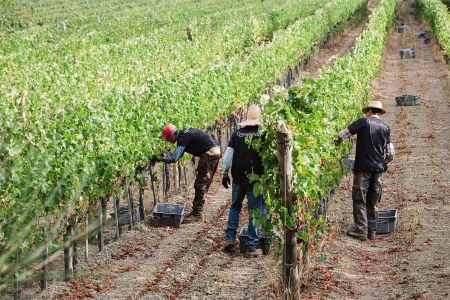
How vineyards are embracing some unexpected technology and a more hands-on approach to combat climate changeA Storied History of Stirring the Pot
Gaja’s first form was a restaurant, Osteria del Vapore, run by Angelo’s great-grandfather on the banks of the Tanaro river. They’d serve food and homemade wine, and on the very best vintages, starting in 1859, they’d bottle it. People liked it so much that the restaurant’s food was eclipsed by its wine sales. So the Gajas decided to make a go of it.
When Angelo took over in the mid-1960s, he continued to consider what Piedmont could be. At the time, wines in the region were brawny and busty. He traveled to France and learned from them. (I’m sure you know how the Italians felt about that.) He used stainless steel tanks and played with French oak barriques to produce softer, more elegant styles of Nebbiolo. He planted French grapes in his prime Barbaresco land — Chardonnay and Cabernet were well-suited to the environment and stylistically matched the other wines he was making.
He started snapping up the best vineyards in Barbaresco, “when everyone was focused on Barolo,” says Giovanni, Angelo’s son and Gaja’s next generation. “Which was weird. At the time, Barbaresco was considered the step brother — less ageable, less exciting.” It was table wine compared to Barolo’s elegant offerings.

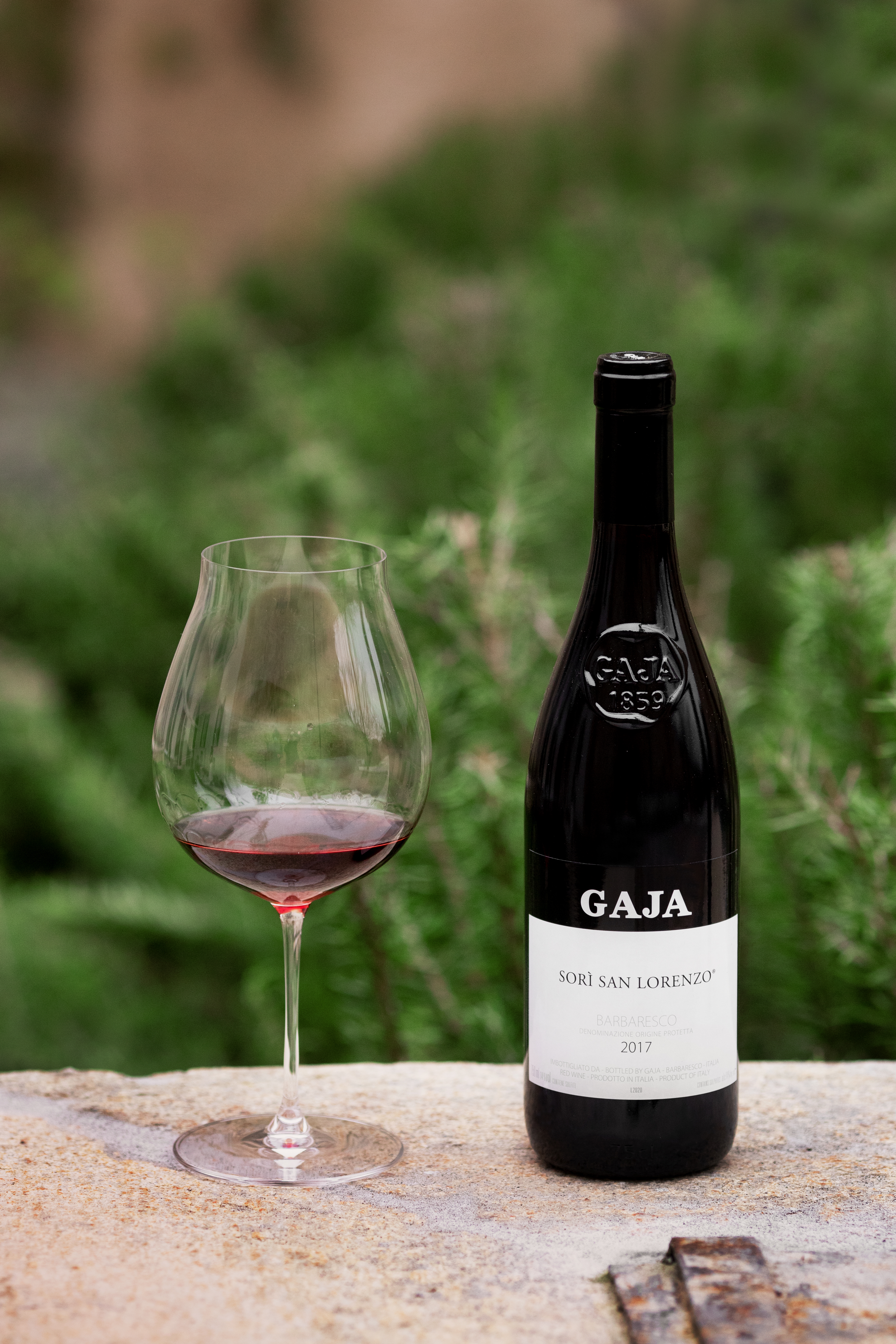
It helped that he was doing some heavy-lifting in terms of innovation in the region. Angelo became the first to make single-vineyard wines in all of Piedmont, which would become the Barbaresco triptych of Sorì Tildin, Costa Russi and Sorì San Lorenzo. He also leaned into white wines, like Sauvignon Blanc and Chardonnay, which was considered odd in a predominantly red wine region. He even built them to age at a time when people were only aging big, structured reds.
His elders likely would’ve shirked at the idea. “I remember my grandfather would say, ‘the color of the wines we make here is red,’” Giovanni says.
“While Angelo is best known for his long-aged Nebbiolo, he has consistently pushed the boundaries of Italian winemaking in white wine as well,” says Michelle Morin, director of beverage at Waldorf Astoria Monarch Beach. “Gaja Rey was Piedmont’s first Chardonnay and the first barrel-aged Italian white wine.”
The results were wines with elegance and complexity. But his next feat was to convince the rest of the world.
At the time, Italian wines were cheap and cheerful. Angelo remembers going to a wine shop in the United States in the ‘70s. “I asked, how could my wines be chosen by American consumers?” he says. “They told me that the only chance for Italian wines is if the price on the shelf is lower than the lowest French wine.”
“What Gaja did, especially under Angelo, was reframe what Piedmontese greatness could look like,” Battaglini says. “He took Barbaresco, long treated as Barolo’s quieter sibling, and put it on the global stage without sanding off its identity. Modernity without cosplay. Ambition without betrayal. He also helped normalize the idea that Italian wine didn’t need to apologize to the French canon — it could stand shoulder to shoulder on its own terms.”
Expanding Their Shores
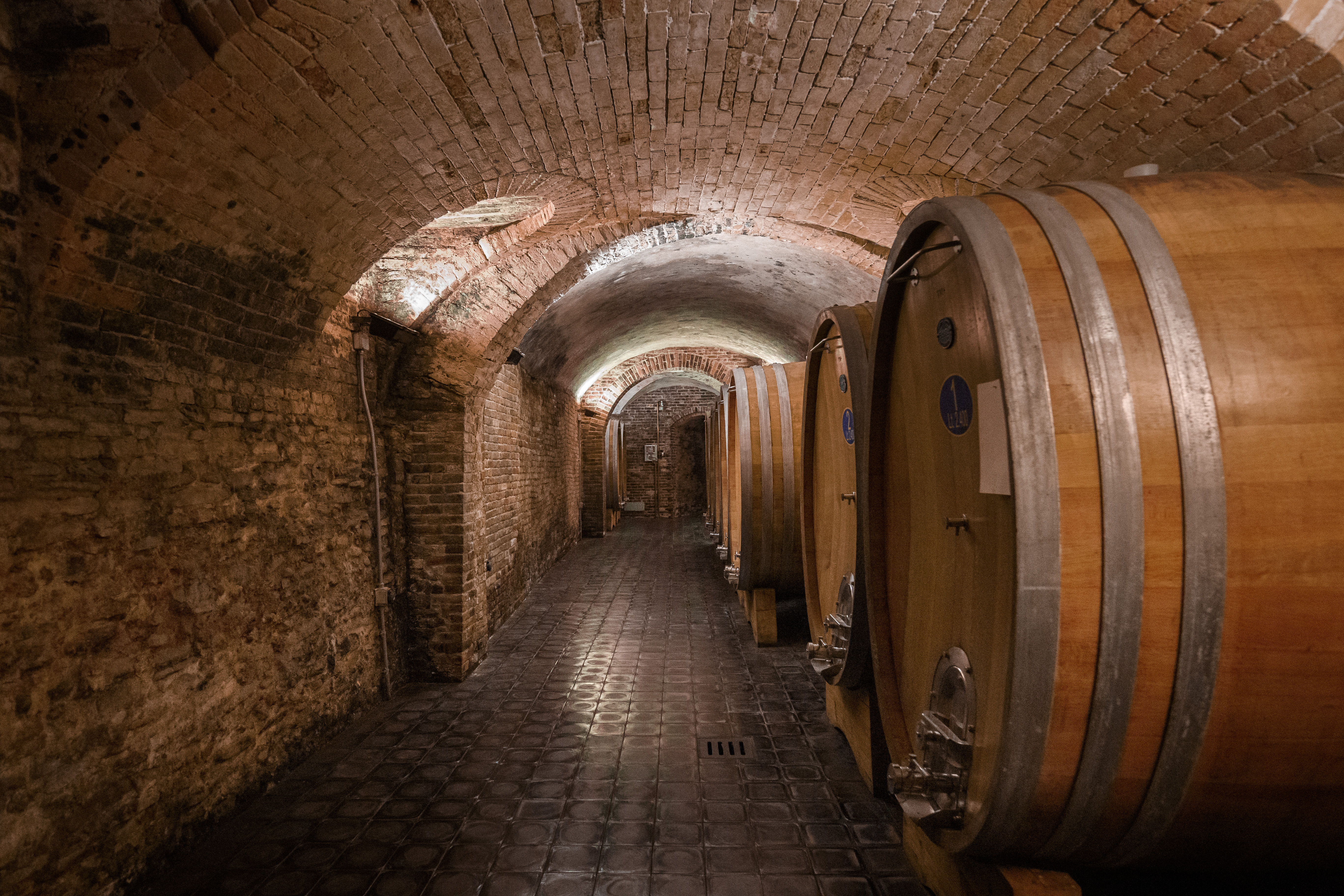
To help future-proof their business, the Gaja family expanded its holdings, acquiring wineries of similar ethos or with equivalent potential in exciting regions. The first obvious move was Barolo. In 1988, Angelo bought property in Serralunga d’Alba and La Morra. Then they left Piedmont’s confines and acquired Pieve Santa Restituta in Montalcino (birthplace of Brunello) and Bolgheri’s Ca ‘Marcanda.
“Totally different from a 30-year-old Barbaresco, yet unmistakably guided by the same hand and philosophy,” Battaglini says. “Two extremes, perfectly aligned.”
In 2016, they branched into Sicily (long before The White Lotus) with Idda, where they make brilliantly exciting Etna Rosso and Carricante with Sicilian wine talent Alberto Graci. “I will always love Gaja’s iconic reds — Barbaresco, Sorì San Lorenzo and Darmagi — but I’m especially excited about Idda Bianco,” Morin says. “While many of the island’s most respected wineries are located on the northern slopes of Mount Etna and focus on red grapes like Nerello Mascalese, Gaja took a different path. Rather than making red wine, he came to Sicily to focus on white wine — specifically Carricante — in a lesser-known viticultural area on Etna’s southwest slope. The resulting wines are more voluminous and round with subtle tropical notes yet remain bright and driven by acidity.”
Future-Proofing the Wine Category
So these wines, both in Barbaresco and further afield, are legendary. But they continue to stay relevant because the Gaja family holds an insatiable need for forward momentum. Angelo, alongside his daughters Gaia and Rossana and his son Giovanni, operate in a constant state of innovation.
“Given that Gaja wines are among the most highly collected in Italy, it would be easy to rest on their laurels and continue making wine the same way, from the same vineyards,” Morin says. “But that has never been the Gaja approach.”
They’re investing in new regions and considering organics and other sustainability initiatives, moving forward with a reverence for the past. They’re leaning harder into white wines, which is more common now (white wines account for 40% of Piedmont’s production), but they’re still not the wines that give the region pedigree or bring in the big money.
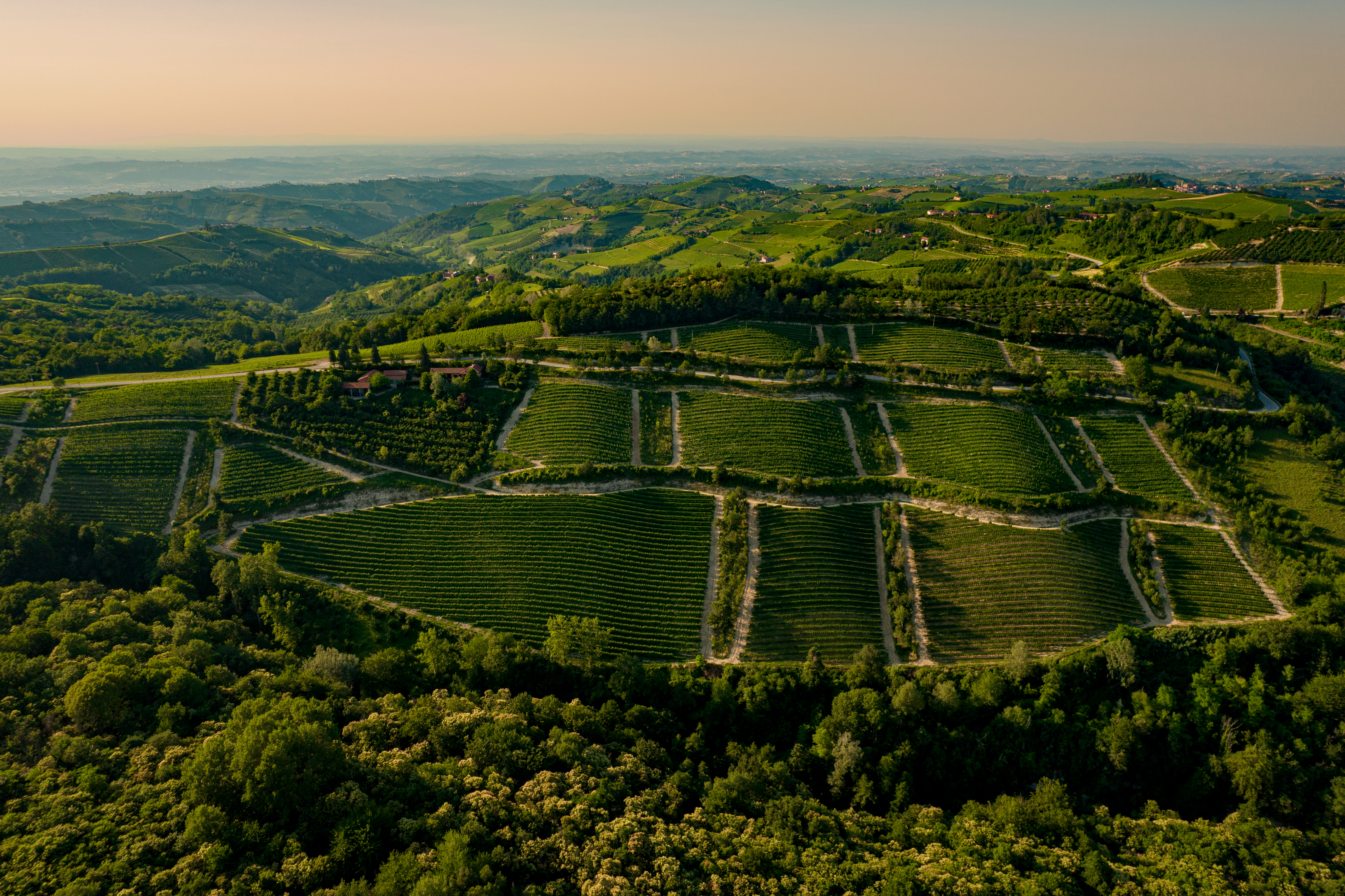
Nevertheless, Gaja just built a slick new winery on a hilltop in Alta Langa, Piedmont’s chillier, higher-altitude new frontier, which has the capacity to make up to 300,000 bottles of white wine a year. Their newest vineyards, situated 650 meters above sea level, are surrounded by hazelnut trees and forests in which to truffle hunt. The cool temperatures up here are promising, offering freshness that’s less common on Piedmont’s lower vineyards. The wines here are assured and beautiful but also ripe with experimentation. In Alta Langa, the Gajas are exploring agroforestry and water management tools to promote biodiversity and manage rainfall, considering what the wines of Piedmont’s future look like.
“It’s what Angelo did with Barbaresco back in the ‘60s, which is now paying off in spades,” Giovanni says. “With climate change, it’s like Barbaresco got a gym membership and built up all these muscles it was lacking in the past.”

More Like This


We're always on the scene eating, drinking and traveling near and far to bring you the best of what's happening out in the real world. Sign up for IRL now.