Park Distillery in Alberta, Canada, has one distinct location advantage over its drinks competition — It’s in a national park. But that scenic landscape offers plenty of challenges.
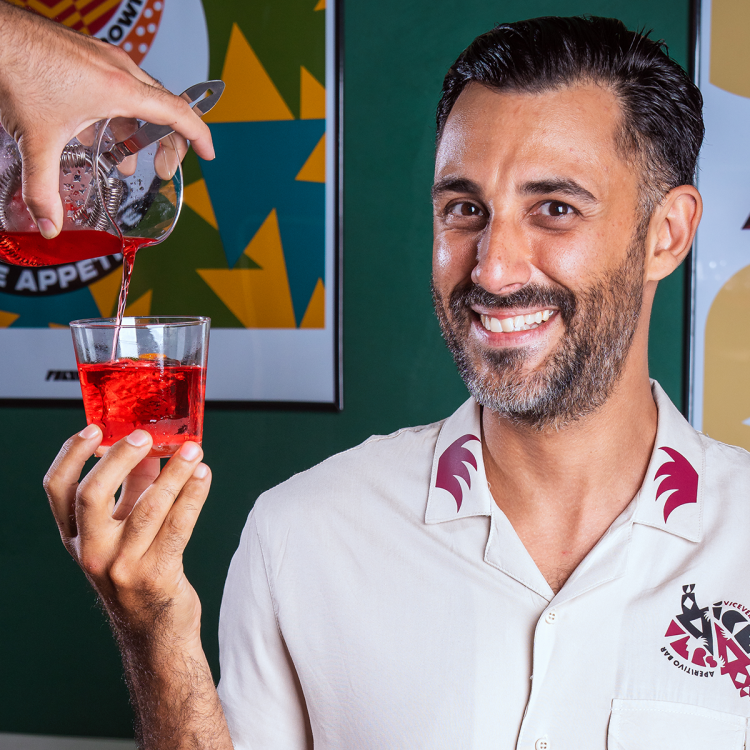
“Operating in a national park comes with space constraints and environmental regulations,” says Scott Coburn, the master distiller, CMO and VP for Park Distillery.
Opened in 1885, Banff was Canada’s first national park. Located west of Calgary, the park receives about four million visitors annually, so exposure isn’t a problem for its on-site distillery. But there are high expectations for operating sustainably and responsibly. This includes minimizing waste and constantly reevaluating packaging and processing to be more eco-friendly, along with using locally-sourced ingredients.
“If you’ve ever gone on a big hike or camped in the wilderness, you know how everything tastes better in the backcountry — simple ingredients become extraordinary,” Coburn says. “Our water comes from the Banff aquifer, a pristine underground water source fed by glaciers and snowmelt from the Canadian Rockies.”
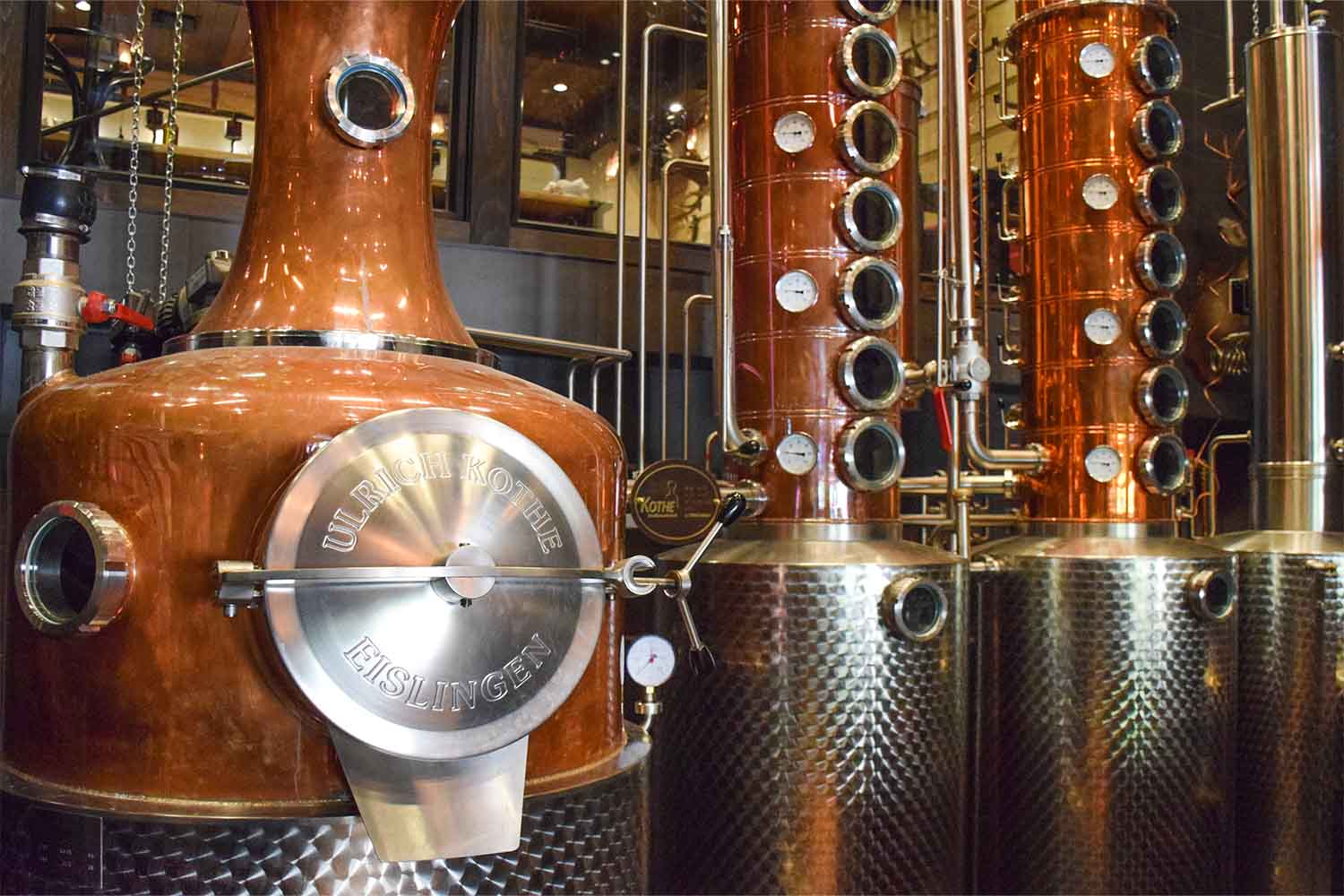
Park Distillery hand-mills, mashes and distills its vodka, gin and whisky, all within the confines of the park. The water is locally-sourced from six separate glaciers in the Rocky Mountains, all full of limestone and other minerals. The grain comes from nearby high-altitude farms. “We source our grain from Red Shed Malting, a family-operated farm and maltster in Red Deer, Alberta, just three hours from Banff,” Coburn says. “They specialize in high-quality, locally-grown barley, wheat, rye and triticale, ensuring our spirits maintain a strong connection to Alberta’s agricultural roots.”
The State of Canadian Whisky in 2025
How brown spirits from up north are influencing whiskies around the world — and how tariffs may alter the industryYou may have stopped on the word “triticale.” While Park’s vodka was launched in 2016, the team experimented extensively with a variety of grain distillations, including rye, hard red wheat, soft white wheat and, yes, triticale. Triticale has a high gluten content, and paired with the high mineral content of the water, the distillery ended up with a vodka that has a smooth, clean finish.
“Triticale is a unique rye-wheat hybrid rarely used in the distilling industry,” Coburn says. “We love it for the balance it brings, capturing the spice and complexity of rye while softening it with the smoothness of wheat. This hybrid grain produces a whisky that is approachable yet full of character.”
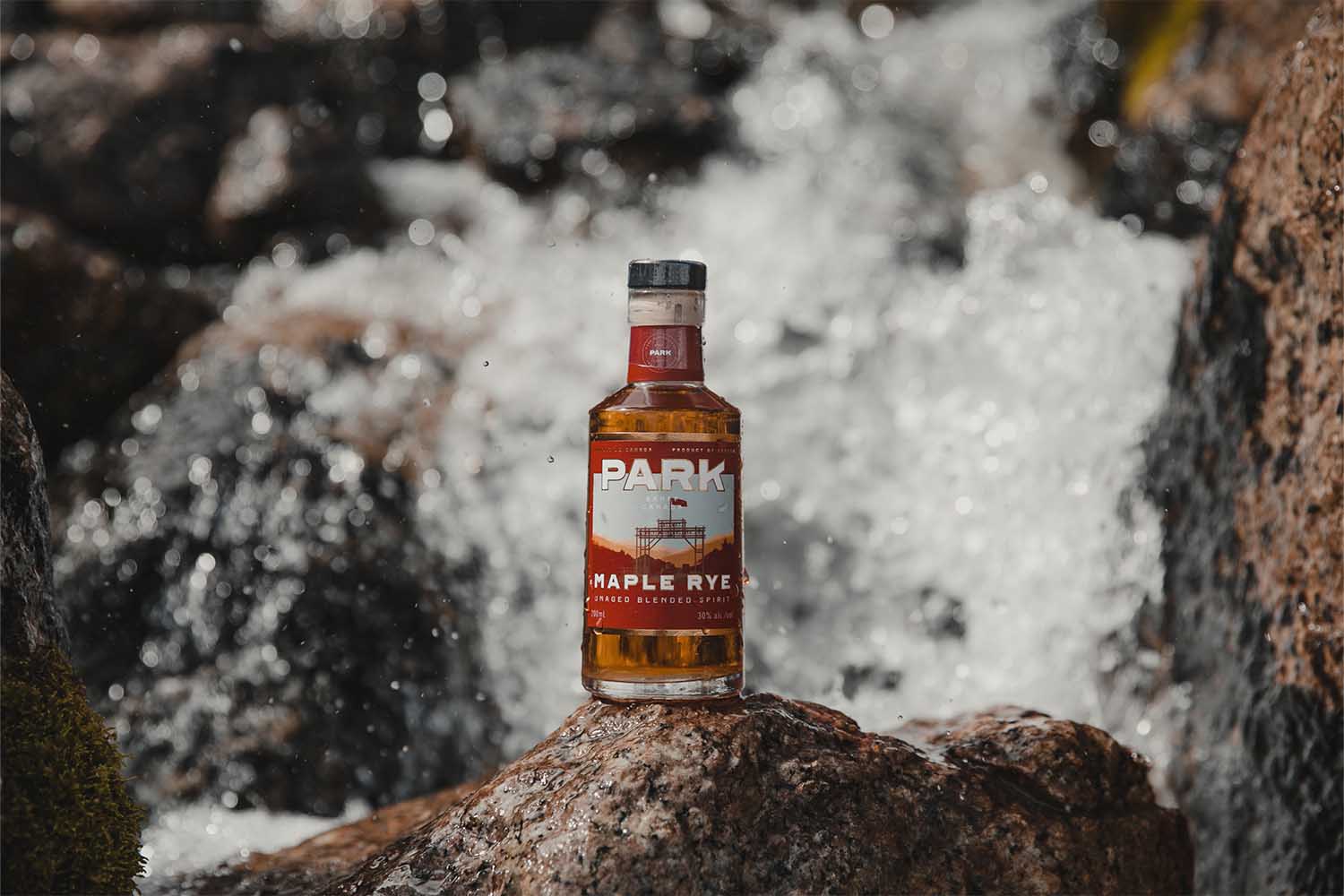
Triticale is most commonly used for animal grazing in the northern parts of North America, and it thrives in Alberta’s cool growing climate. Grown close to Banff, this grain aligns with Park Distillery’s sustainable efforts. A park-specific line of gins promotes local botanicals, called Flora & Fauna and Alpine, while the line of vodkas comes in a variety of flavors, from coffee to bird’s eye chili. An exploratory whisky project began in 2019 (which includes small-batch releases of spirits, made using rye, triticale and some longer-aged brown spirits) and is dropping soon.
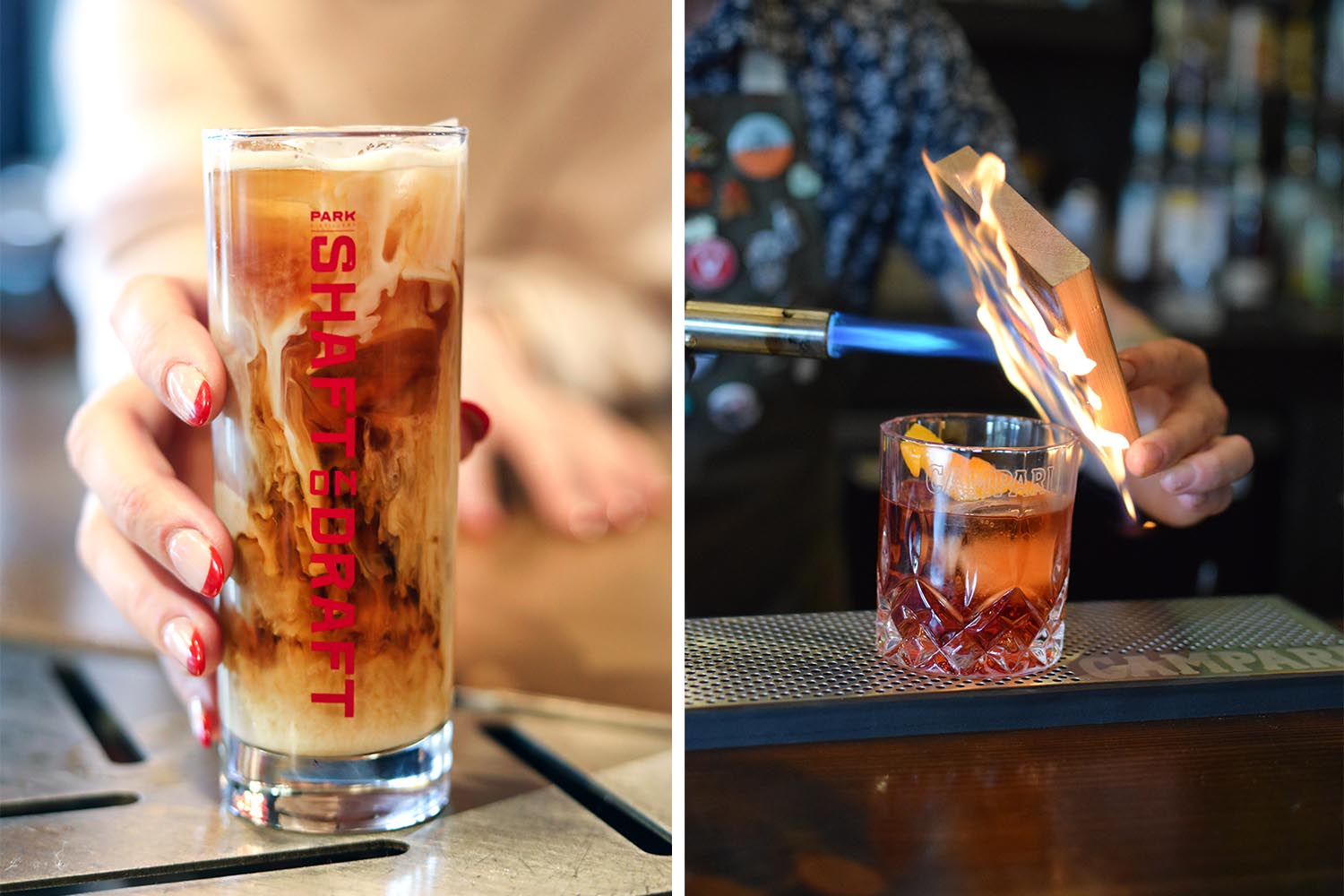
Park Distillery also offers a series of ready-to-drink bottled and canned libations, including a mountain version of a high-octane espresso cocktail called the Shaft. Named after the Hollywood icon, Park Distillery created a keg version meant to be tapped (it’s called “Shaft on Draft,” naturally). They also make a mini-canned cocktail called the Mountain Joe, which combines fair-trade coffee beans, oat milk and vodka.
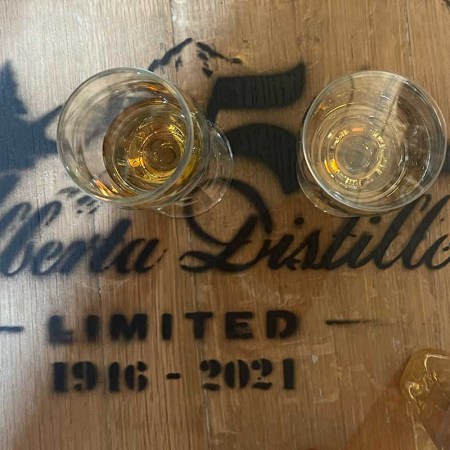
The best way to experience Park is obviously by going there, as we did. There’s an on-site restaurant and bar where you can sample all of the distillery’s offerings and grab a good meal. “Locally-sourced ingredients had long been a part of our culinary mission, and we wanted to embrace the growing trend of craft spirits,” Coburn says, who ties in Park’s success with his country’s larger spirits-making ambitions. “We wanted to capture that magic by combining campfire-inspired cuisine with handcrafted spirits made from pristine glacier-fed water. With changes to production regulations, we’re experiencing a renaissance in Canadian distilling. There are many passionate and skilled entrepreneurs producing exceptional spirits across the country.”
But only one that you’ll find in a national park.

More Like This

This article appeared in an InsideHook newsletter. Sign up for free to get more on travel, wellness, style, drinking, and culture..