I ate a lot of tasty things in 2025. Some of them were new to me; others were old favorites. And there was one that I shut the pantry door on once and for all.
As someone who writes about food for a living, I have a lot of opinions about the ingredients that defined 2025. But I also wanted to hear what the pros had to say, so I asked chefs from around the country about the trends they also saw in their restaurants and home kitchens this year. So without further ado, here are the nine ingredients that defined 2025.
Ingredient of the Year: Habanada
My husband has become quite the gardener, and every winter we prepare by looking through seed catalogues and choosing what we want to grow. And this year something very interesting caught his eye: habanadas. These bright orange peppers have all the flavor of a habanero without the heat, making them great for both seasoning and snacking.
We enjoyed them all season, throwing into sauces or simply blistering them on the grill and eating them with olive oil and Maldon. My dad grew them too, and I started seeing them all over restaurant menus: pickled and served with broccoli at 82 Acres, in the kampachi aguachile at Hellbender, as a component of xnipec, a spicy Yucatan salsa at Corima.
“Habanadas are one of my favorite peppers because they have the floral, tropical notes of a habanero without the heat,” says Julia Sullivan, chef and owner of Judith and Henrietta Red. “They’re delicious fermented or pickled and bring a unique pop of color and flavor to a dish. It’s definitely unsurprising that they’re growing in popularity.”
While we love to switch up the produce in our garden every year, the habanada is one pepper we’ll definitely grow in 2026. And I guarantee you’ll be eating them soon if you haven’t already.
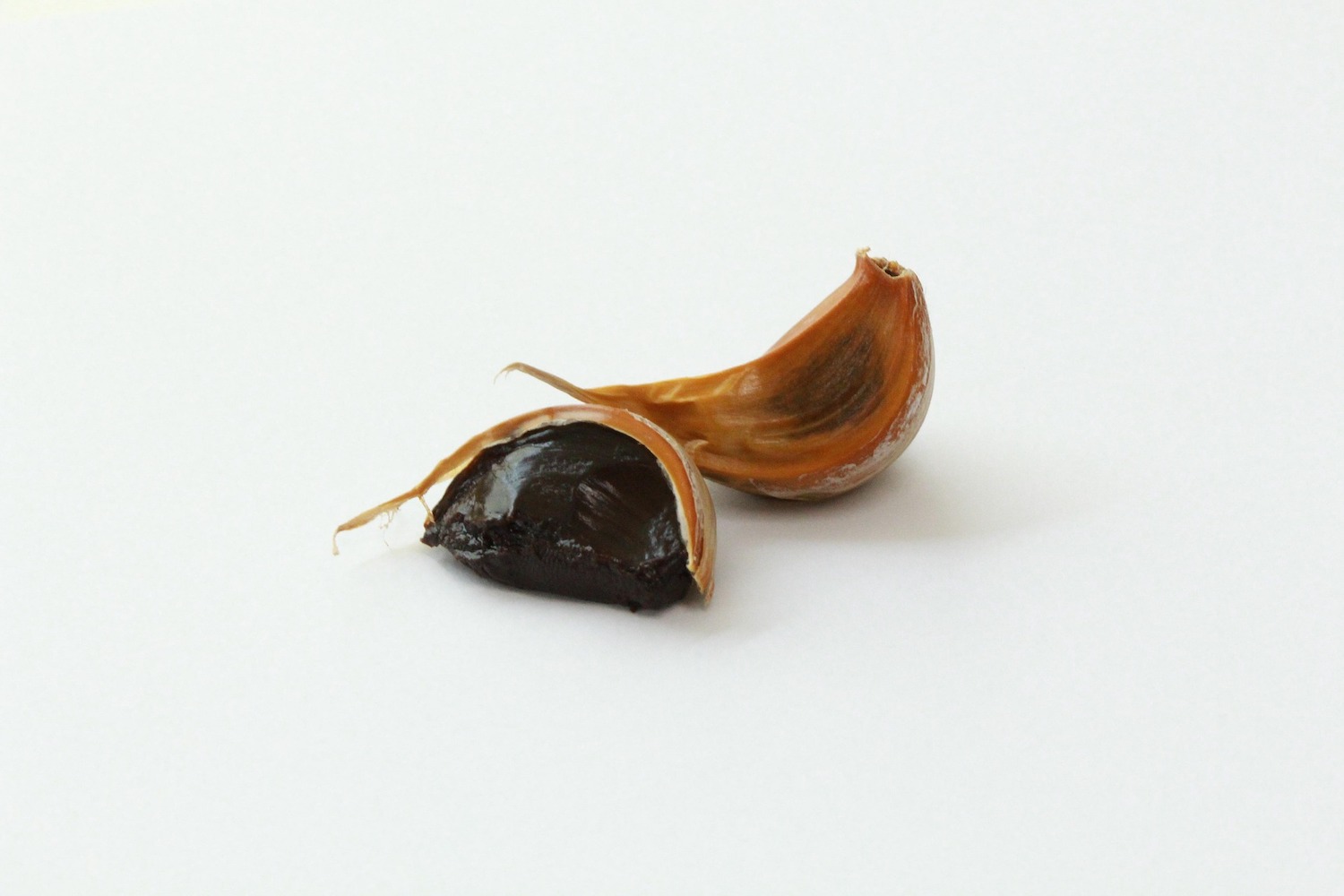
Sleeper Hit: Black Garlic
You might not see it being named on menus everywhere, but black garlic is one of those ingredients that is working behind the scenes to make your food taste better, more than you probably realize. If you’re not familiar, it’s made by aging garlic within a specific temperature and humidity over weeks or even months. This Maillard reaction gives it a deeply savory, tangy flavor, bringing out balsamic, molasses-like notes that take over the pungent bite of the fresh stuff. And according to chefs, the ingredient really did shine in 2025.
“Black garlic went from a niche ingredient to everyday secret weapon,” says Oliver Lange, corporate executive chef at Next Door Astor Place. “It has a deep, molasses-like sweetness and an umami that elevates the flavor even for simple dishes.”
It brings umami, yes, but importantly, it plays well with other ingredients instead of overpowering them. “It showed up everywhere this year in a really natural way,” says Mark O’Leary, executive chef at Darling. “It adds deep, rounded umami without taking over a dish.”
You might find black garlic in the filling of a stuffed pasta or to marinate a piece of pork, and it really shines when paired with beef. “My favorite is to turn it into a paste with koji and rub it on a steak,” says Daniel Ontiveros, corporate executive chef of Carver Road Hospitality. “This gives a quick aged flavor to the meat.”
The Comeback Kid: Beef Tallow
Beef tallow was once the cooking fat of choice, for the same reasons it experienced a comeback this year: its high smoke point and rich flavor. But as the story of food in America goes, the commodity groceries of the mid 20th-century pushed it to the wayside as vegetable oils and shortenings entered the market. Of course, the nail in the coffin was in 1990 when McDonald’s replaced beef tallow with vegetable oil for French fries.
But as people start to care more about where their food comes from and eat more wholesome ingredients, beef tallow has made its triumphant return to both home and restaurant kitchens. “Once the gold standard for frying, tallow reflects a broader shift toward transparency, real ingredients and classic technique,” says Brian Stockholm, chef and owner of Harriet’s Hamburgers at Optimist Hall.
“Animal fat is back in vogue, and I couldn’t be happier,” says David Viana, chef and owner of Judy & Harry’s. “It is both flavorful and healthier than most processed oils. I’m happy to see Americans opting for things that chefs always knew were delicious.”
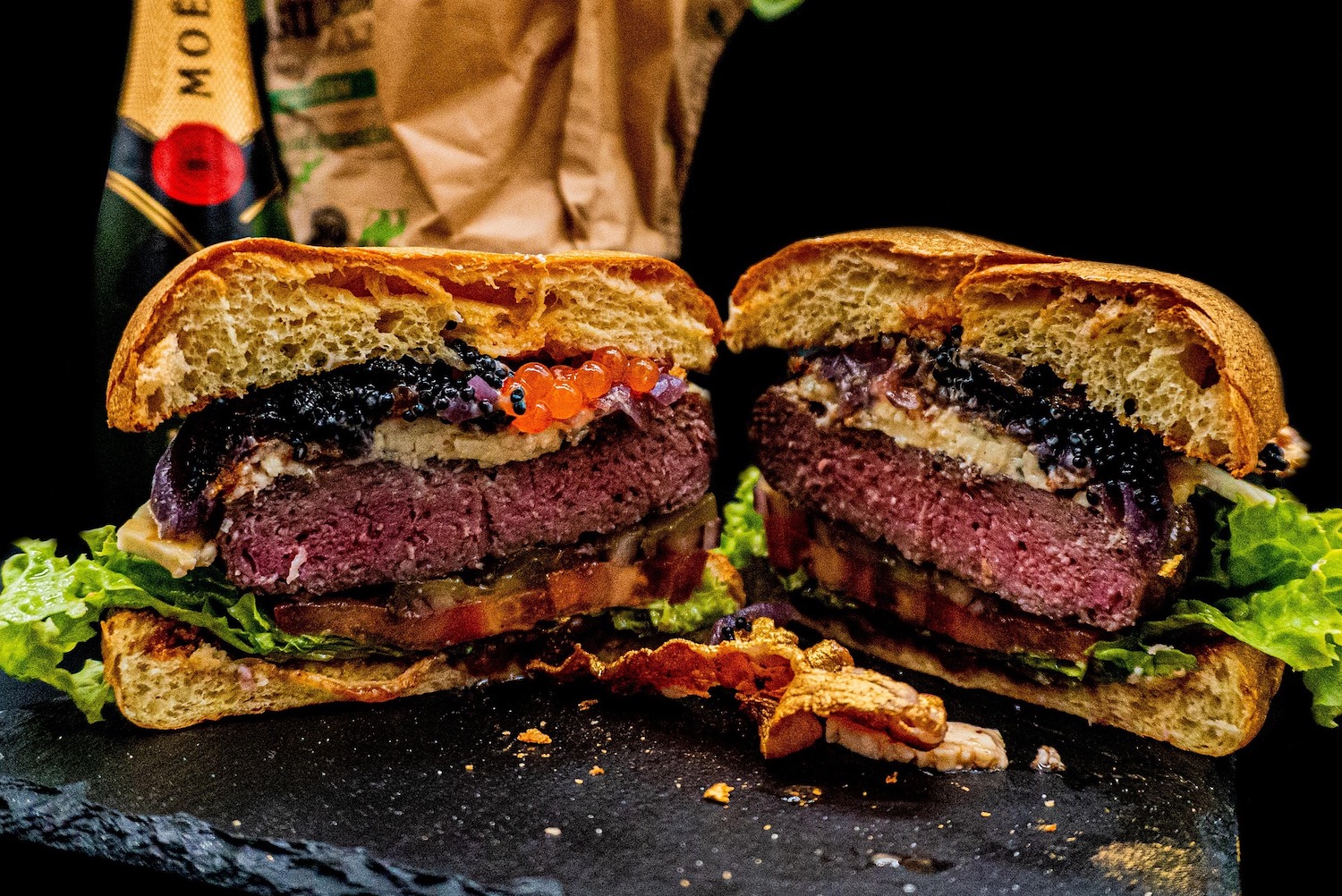
Most Overhyped: Caviar
Let me preface this one by saying that I love caviar. I LOVE IT. And that, folks, is why it’s the most overhyped ingredient of 2025: Because if someone who loves caviar as much as me is sick of seeing it everywhere, then you know it’s gotten out of hand.
David and Tina Schuttenberg, owners of Always Awkward Hospitality, get what I’m saying. “Like any food lover, we always have a tin (or currently three) in the fridge, but do we really need it on EVERYTHING?” they say.
Caviar certainly has a time and place. I love a bump at the raw bar and can’t get enough of it atop COQODAQ’s chicken nuggets. But this year, it was more of a cheap way to cover up a mediocre dish or charge more for something than necessary instead of highlighting what makes it so special.
“Caviar was easily the most overhyped ingredient of 2025,” says Tara Monsod, executive chef of ANIMAE and Le Coq. “Suddenly, everyone wanted it on everything, from chicken nuggets and fish sandwiches to french fries. It was fun to watch but definitely overplayed.”
Yes, caviar will still be everywhere, and I’ll still eat it. But maybe keeping things simpler this year is just the way to go. “Can we move on from caviar bumps please?” says Greg Baxtrom, chef and owner of 5 Acres. “I get it. I prefer popcorn instead at parties.”
American Menus Are Getting More Unpronounceable (for the Better)
Once defined by gateway dishes like pad thai and pho, Southeast Asian restaurants are boldly showcasing nuance and regionalityThe Best Flavor Shortcut: Mushroom Powder
I bought my first jar of porcini mushroom powder at the Eataly in Genoa in 2019, and it’s served me well over the years. Just a dash adds loads of umami to everything from tomato sauce to popcorn. And 2025 was the year that the seasoning became a household name.
“A small sprinkle of this instantly upgrades ordinary meals by adding a delicious layer of umami,” says Andrew Black, chief culinary officer of Counter Service.
Using mushroom powder also plays into a bigger trend — Americans are getting more adventurous with the types of mushrooms they use. Whereas seeing fungi like enoki and lion’s mane used to be a rarity, they are now the norm on my local grocery store shelves. “Chefs and diners both have truly leaned into the deliciousness and versatility of all kinds of fungi,” says Jacob Hammer, executive chef of Husk Savannah. And yes, that versatility definitely includes mushroom powder in the pantry.
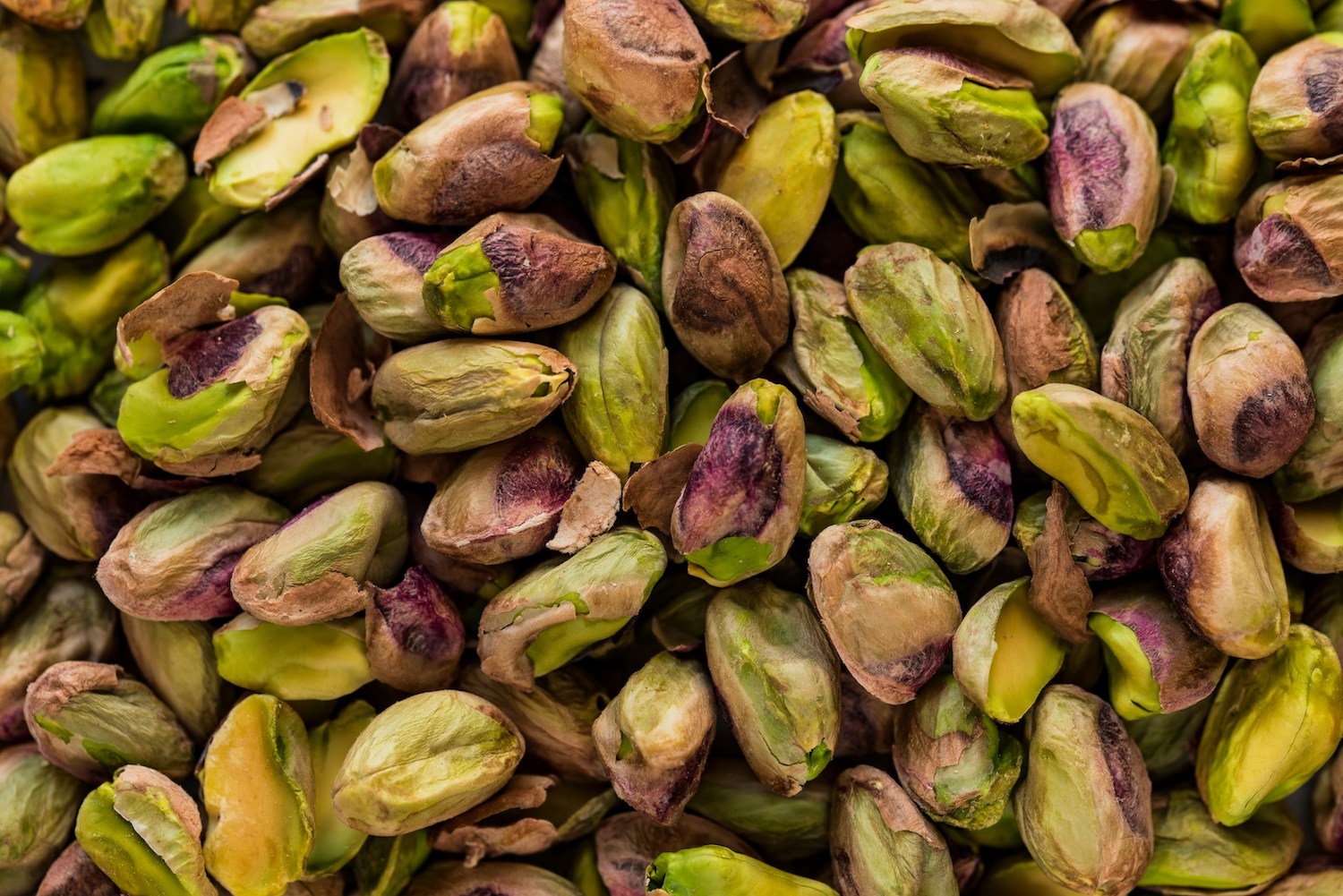
The Ingredient That Quietly Got Fancy: Pistachios
Unless you’ve been living under a rock, you probably at least heard of Dubai chocolate this year. I first tasted it at this year’s Cayman Cookout, when a bar appeared in my room as a welcome snack from The Ritz-Carlton, Grand Cayman. It’s essentially a thick chocolate bar filled with pistachio cream and shredded phyllo dough, and the version I had was decadent and delicious. But the sweet treat is also known for its expensive price tag, which elevated the fairly fancy pistachio nut to top-tier status.
“With Dubai chocolate popping up everywhere, from supermarkets to craft chocolate makers, the pistachio has had a great year,” says Vincent Menager, senior vice president of operations support at STK Steakhouse South Beach. “Very interesting to see how popular it has become.”
“With the Dubai chocolate wave and pistachio cream having a real 2025 moment, it’s been interesting to see the world catch up to an ingredient we’ve been obsessing over for years,” says Brian Stockholm, chef and owner of Papi Queso. “Since we opened Papi Queso in 2012, pistachios have been our not-so-secret luxury ingredient — they are deeply buttery, naturally savory and just sweet enough to bridge the gap from savory melts to dessert toasties.”
The Ingredient You Could Suddenly Buy Everywhere: Good Olive Oil
In case you weren’t aware, olive oil fraud is a real issue here, and one that has been a problem for a long time. In the United States, extra-virgin olive oil is not governed by rigorous, mandatory enforcement standards. Although the International Olive Council defines what qualifies as extra virgin globally, imported oils are not required to comply with those benchmarks, and federal regulators don’t always test olive oil once it reaches store shelves.
The good news is that there are some really great, transparent olive oils out there. And this year, I saw them everywhere, from specialty grocers in Brooklyn to big-box stores in the Midwest. People are finally catching on to what real olive oil tastes like, and retailers are responding by supporting those brands.
“The olive oil section of the grocery store has been revolutionized this year,” says Telly Justice, chef and owner of HAGS. “I’ve always had to source nice oils from specialty shops. Now there are so many more easy-to-access options to enjoy from excellent sources. It’s a game changer.”
The One We Finally Stopped Pretending to Like: Truffle Oil
Ninety-nine percent of the truffle oils on the market are gross. Instead of being infused with the delicate, earthy, savory flavors of real truffles, they assault your nose and taste buds with an overly pungent, one-note flavor that’s hard to describe — if you know, you know because the lab-created taste probably lasted in your mouth all day. And I don’t know about you, but this is the year that I said, “I’m not eating that shit unless it’s real.”
It seems that the pros overwhelmingly agree. “Truffle oil had a long reign as a luxury shortcut, but its artificial aroma and overpowering flavor no longer hold up,” says Nicolas Lopez, chef of Txula Steak at Mercado Little Spain. “As palates mature, diners are choosing real ingredients and subtlety over synthetic excess.”
“It is overexposed,” adds Michael White, chef of Paranza. “People are not as into it as they were, let’s say, 10 years ago.”
And here’s the thing — a decade ago, a lot more truffle-infused foods were using the real thing because the market wasn’t saturated. And there is still a place for the delicacy, as long as the flavor comes from the ground and not a chemical compound.
“Truffle feels like a shortcut to luxury, but most of the time, it overpowers the dish instead of elevating it,” says Eric JaeHo Choi, chef and partner of C as in Charlie. “If everything tastes like truffle, nothing tastes like truffle.”
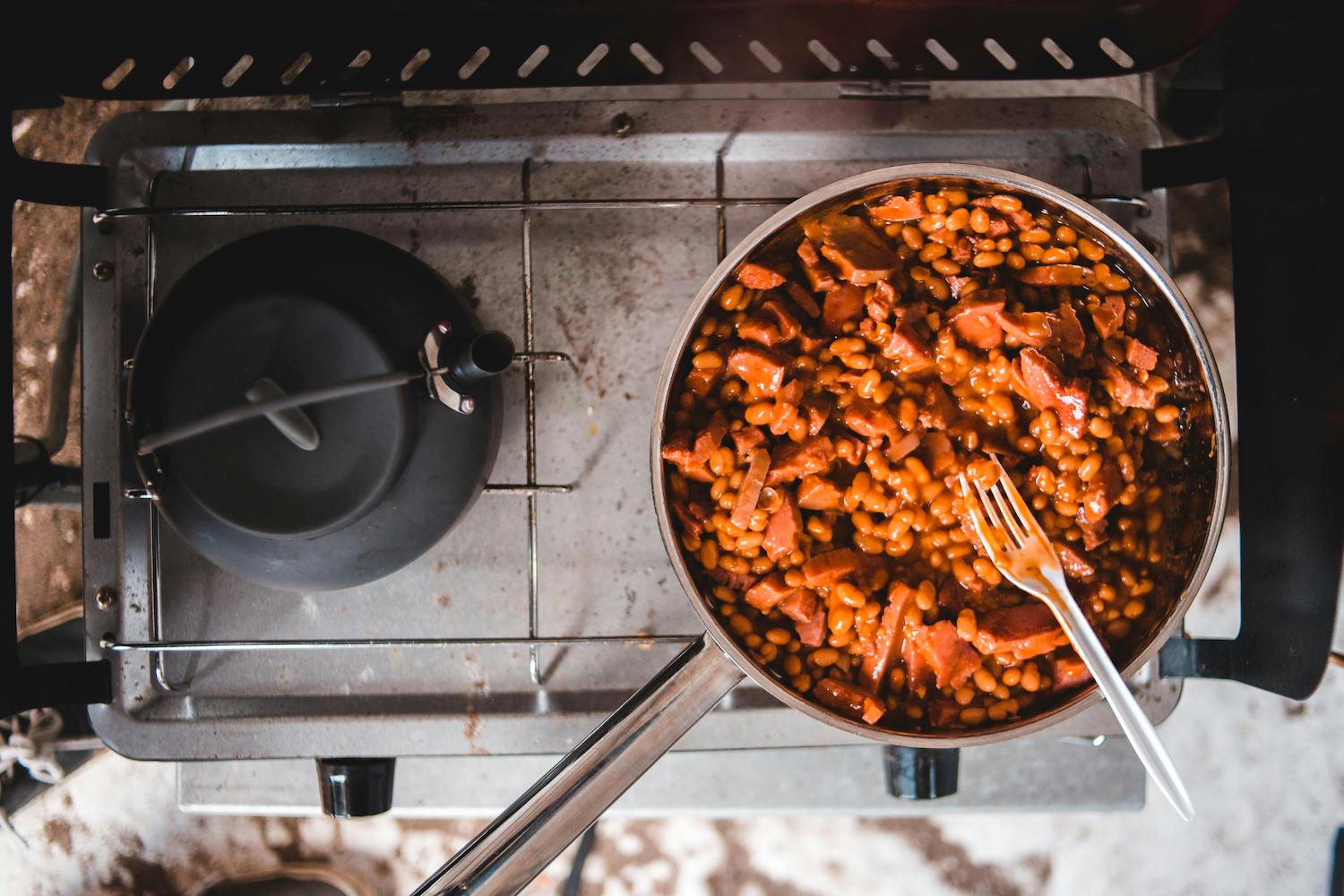
Comfort Ingredient of the Year: Beans
I’ve always been a bean gal. But I noticed something this year: Everytime I was scanning NYT Cooking or one of my many cookbooks for a recipe, the photos of beans would make me drool. Maybe because they are hearty. Maybe because in a year when the prices of groceries skyrocketed, I knew they were a nourishing, delicious option that always happens to be cheap. Whatever it is, I’m not the only one who’s felt the bean love in 2025.
“There is nothing that brought me more comfort this year than refried pinto beans,” says Salvador Alamilla, chef at Amano. Mark Bolchoz, the chef and owner of Cane Pazzo, adds that his comfort ingredient of the year is butterbeans, saying “I love them.”
“[Beans are] humble, nourishing and endlessly adaptable, slow food that rewards patience and care,” says Felipe Riccio, chef of Goodnight Hospitality.

More Like This


We're always on the scene eating, drinking and traveling near and far to bring you the best of what's happening out in the real world. Sign up for IRL now.