You may have seen the viral meme explaining how New York actually has 12 seasons rather than four. Although I agree with it wholeheartedly, it’s definitely missing the most important one of all: tomato season. Yes, for a glorious stretch between “Hell’s Front Porch” and “Actual Fall,” tomatoes are at their very best in the Northeast, and I’m relishing every second. Because anyone who lives in a similar climate will tell you that from the end of fall until this time next year, tomatoes will be basically inedible.
So yes, I’m using them for anything and everything, from fresh heirloom salads to smoked tomato sauce. But until this year, I was overlooking a very delicious and important part of the tomato plant: the leaves. Yes, tomato leaves are edible, and they can add a wonderfully herbal, vegetal flavor to dishes. Tiffani Ortiz and Andy Doubrava, the chef duo behind The Catbird Seat in Nashville, Tennessee, agree.
“Tomato leaves smell a lot like their slightly underripe fruits,” Ortiz says. “Think sweet, freshly-cut grass meets parsley. When used fresh, they are most easily interchangeable with mint and parsley.”
For a long time, people assumed tomato leaves were poisonous. Yes, tomatoes are nightshades and do contain some toxic alkaloids, but these are only dangerous when consumed in really large quantities. Flavor aside, tomato leaves actually have quite a few health benefits when used sparingly. They can possibly lower cholesterol and are also “antioxidants and rich in vitamin K,” Ortiz says.
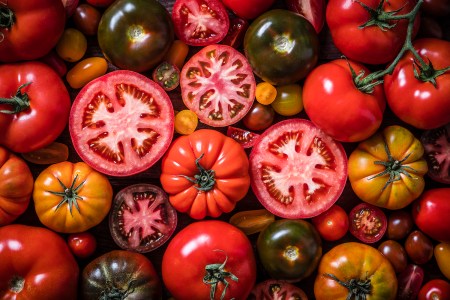
The Most Impressive Homemade Tomato Sauce Is Smoked
This modern Greek recipe makes the most of a fleeting seasonHow to Harvest Tomato Leaves
It’s pretty rare for tomatoes to be attached to their leaves when shopping for them at the grocery store or even the farmers market. But if you’re lucky enough to have some growing in your backyard, it’s easy to harvest and put them to good use.
“When harvesting the leaves, make sure your plant is healthy and lush,” Ortiz says. “The chlorophyll imparts a lot of the beautiful color and flavor. Large leaves are best, as the smaller side shoots will produce fruit and you wouldn’t want to stunt any new growth. I typically harvest using clean scissors so I don’t inadvertently cause any cross contamination.”
After harvesting, it’s important to make quick work of preserving the leaves so the flavor doesn’t fade. “Tomato leaves oxidize quickly when improperly handled,” Ortiz says. “To ensure shelf life, clean them gently in cool water after harvesting to loosen any dirt, dust and potential pests. Air dry on a cloth, pack and refrigerate. You might be tempted to whip out the salad spinner, but this can bruise the delicate leaves.”
How to Use Tomato Leaves
Using tomato leaves can be as simple as topping a salad to impart a bright, vegetal freshness. But you can also get creative — I recently infused the leaves into simple syrup, and it adds a late-summer twist to classic drinks like the Margarita and Southside. But if you’re unsure of where to start, Ortiz and Doubrava have some sound advice.
“If it grows together, it goes together!” Ortiz says. “Typically, tomatoes and their leaves pair well with any coastal Mediterranean ingredient such as basil, oregano, Parmigiano, capers and olive oil. We use tomato leaves in so many ways in our kitchen, from aguachiles, to herbaceous condiments, bright oil infusions and ice creams.”
One of their favorite ways to use tomato leaves is a simple sauce that goes with almost anything. “Salsa verde is my go-to easy condiment for when I’m serving steaks for a late summer barbecue,” Ortiz says. “The verde lasts for one to two weeks if refrigerated and still submerged in the oil and longer if you add the citrus the day you plan on using it.”
Tomato Leaf Salsa Verde
Servings: 12
Ingredients
- .25 cup chopped parsley
- .25 cup diced chives
- .5 cup chopped tomato leaves
- 3 Tbsp. capers
- 2 Tbsp. chopped anchovy
- 1 Tbsp. red chili flakes
- 2 cups extra virgin olive oil
- Salt, to taste
- Lemon juice or red wine vinegar, to taste
Directions
-
-
Combine all ingredients in a mixing bowl, reserving lemon and salt on the side. Fold together gently. Taste and add salt and acid to your liking. Store refrigerated.
-
For plating, temper until olive oil is back in its liquid form. Spoon over desired animal protein or roasted vegetables.
-

More Like This


This article appeared in an InsideHook newsletter. Sign up for free to get more on travel, wellness, style, drinking, and culture..