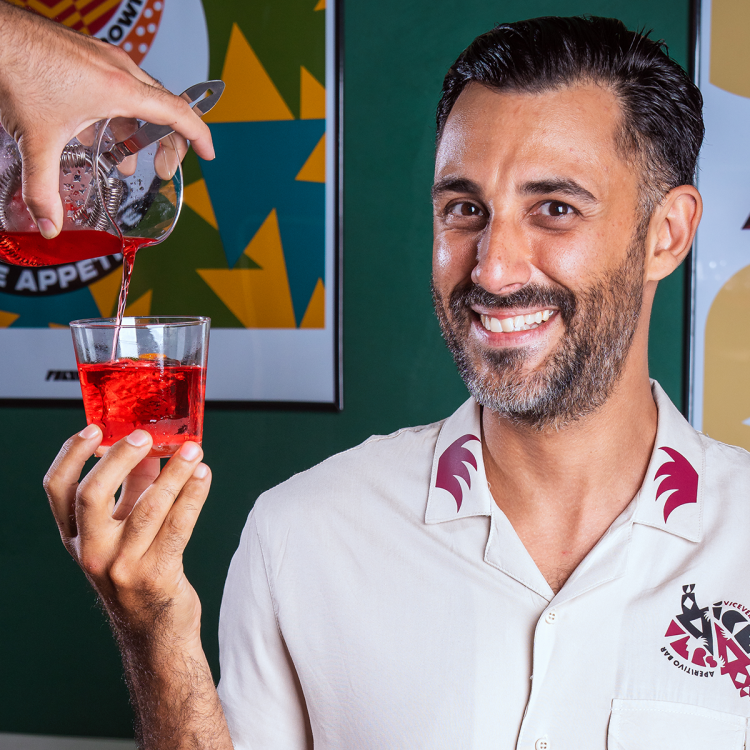
“Sometimes the best cocktails don’t choose one spirit,” says Sam Yeakley, head bartender of The Foundry Rooftop in Dayton, OH. “They choose two.”
I wholeheartedly agree. One of my go-to cocktails is an Old Fashioned. But instead of bourbon, rye or (hello, Wisconsin) brandy, I’ve recently taken a shine to making one with a split base of mezcal and rum. It’s a variation on the Oaxaca Old Fashioned, which swaps out whiskey for a split of tequila and mezcal.
Why split the base of your drink? “Most cocktails lean on a single base, but split-base drinks share the load,” Yeakley says. “That’s where the magic happens. Pairing two spirits builds depth you can’t get from one bottle alone. Mezcal’s smoke brightens with tequila, bourbon’s vanilla pops next to funky Jamaican rum, rye’s spice softens against Cognac. A split base can tame bold flavors while also giving bartenders more room to riff on classics. They’re versatile and adaptable. Which is exactly why some of the most famous cocktails in history were built this way.”
But if you’re dividing up the foundation spirit of your drink, there are a few guidelines to follow. We asked two dozen bartenders for their advice on split-base drinks, from gussying up classic cocktails to creating unexpected pairings.
The Advantages of a Split-Base Cocktail
There are two primary approaches to split-base cocktails, according to Alexandria Bowler, the lead bartender at Emeril’s and The Wine Bar at Emeril’s in New Orleans: layering different expressions of the same spirit and layering spirits from entirely different categories.
“Layering different expressions of a single spirit is most famously seen in tiki recipes, where bartenders often blend multiple rums,” Bowler says. “Donn Beach, one of tiki’s founding figures, pioneered the philosophy of ‘What one can’t, three can.’ This approach recognizes that a single rum rarely delivers the full spectrum of flavor a drink needs. Jamaican rum alone might be too funky and assertive, rhum agricole too grassy and sharp, and Demerara rum too dark and heavy. But together, they create a beautifully layered profile: bright grassy top notes, a lush and funky mid-palate, and a deep, molasses-rich bass line.”
As Bowler explains, layering spirits across categories goes back to the root of mixology itself. “As far back as the 1600s, we see the British East India Company combining coveted and rare spirits from around the world to create punch,” she says. “Some of the earliest recorded punch recipes blend brandy, Madeira and rum into a single bowl. Even our forebears understood that using just one spirit can leave the drinker wanting more. By layering multiple spirits along with sweetness, acidity and spice, we stimulate a wider range of sensory receptors and engage more pleasure zones in the brain.”
It also helps to layer the drink in a way that a single spirit simply cannot achieve, and often in ways that other ingredients would muddle. “I find split-basing particularly useful in situations where you want to create complexity without adding extra sugar through syrups or liqueurs,” says Chris Lemperle, bar manager at New York’s Crane Club. “Those bring sweetness along with flavor. Subtlety is key with split-basing — it’s a great way to introduce secondary or tertiary flavor layers.”
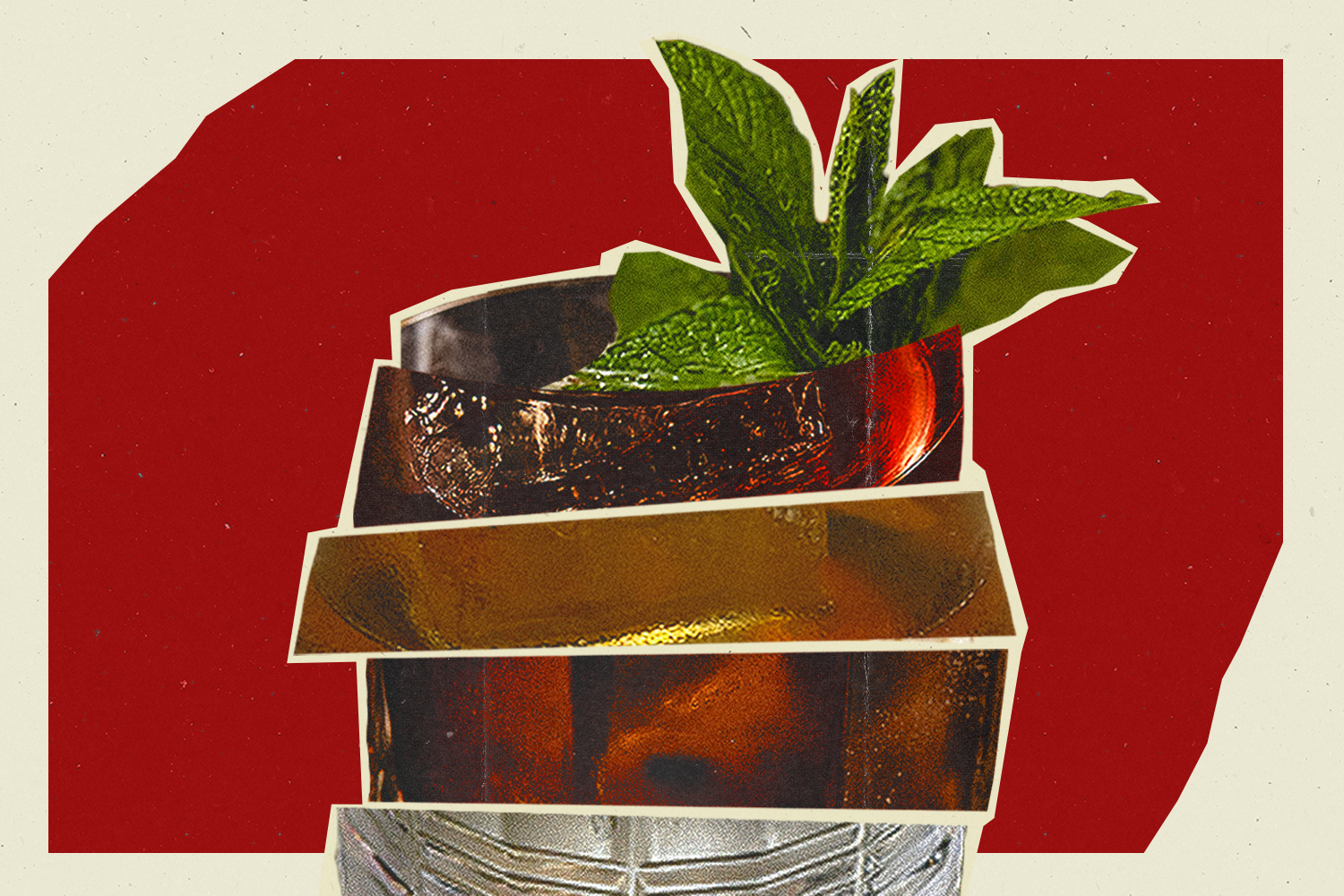
Not all split bases are equal pours or like-minded spirits. “I sometimes use lower-ABV ingredients to balance the cocktail,” says Leanne Favre, beverage director and partner of Dolores in Brooklyn, New York. “I also love using fortified wines such as sherry and vermouth.”
Conversely, a split base can actually involve the same liquor from different producers. “I’ve split or ‘blended’ different brands to achieve the desired profile,” Favre says. “This is a popular technique in the rum world, but at Dolores, I did it with tequila: Our house Margarita is a blend of ElVelo Blanco and Arrette Blanco, which combines bright agave notes with a deeper base.”
Whatever your approach, the two spirits need to work in harmony while still showcasing what makes each special. “A split-base cocktail allows you to highlight the strengths of two different spirits at once, creating complexity and balance that a single-spirit build can’t always achieve,” says Tantai “Tan” Khantachavana, head bartender at BKK New York. “It’s like layering personalities — one spirit provides structure and backbone while the other adds nuance or brightness.”
Some Famous Split-Base Cocktails
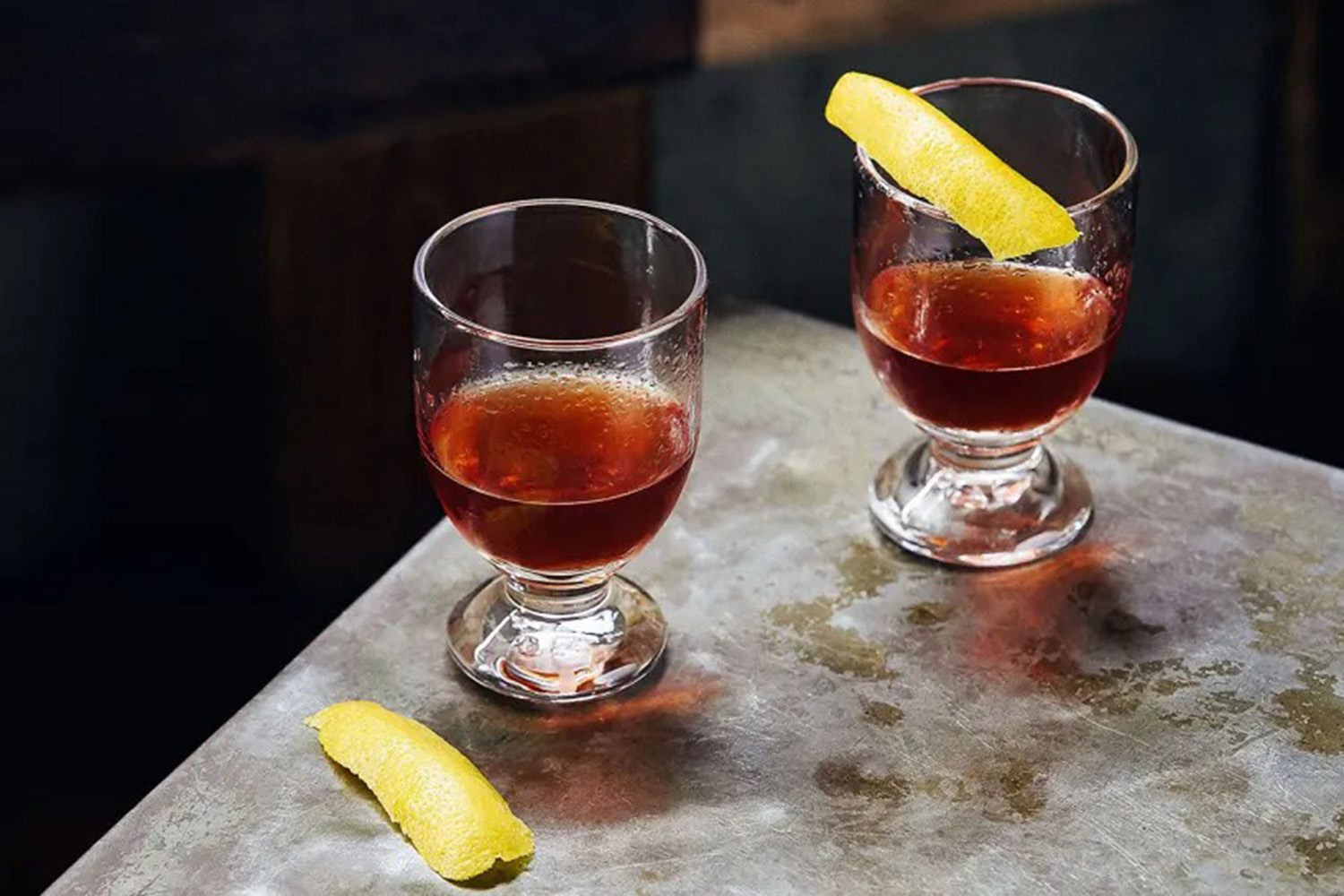
Several classic cocktails originated as split-base drinks, and a few modern classics have retained two or more foundational spirits at their base. “The Sazerac is the best example,” says Blake Antrobus, bar lead at La Dolce Vita in Beverly Hills, California. “The original recipe called for Cognac, but there was a phylloxera epidemic that decimated French grape production. Due to the scarcity of Cognac, bartenders in New Orleans began using rye whiskey in addition to the brandy.”
“One of the most famous is the Mai Tai, which historically combined two different rums for balance and richness,” adds Zak T. Lindahl, beverage director at The National, Autograph Collection in Oklahoma City. “Another modern classic is the Oaxacan Old Fashioned, credited to Phil Ward at Death & Co. in 2007. It pairs tequila and mezcal in the base, giving the cocktail both agave brightness and smoky depth, an example of how a split base can capture the best qualities of two related spirits. Even the Negroni, depending on interpretation, can be seen as a three-part split base of gin, vermouth and amaro.”
The list is endless. There’s the Zombie (a blend of rums), Vieux Carré (rye and Cognac with a touch of Benedictine), Bow & Arrow (bourbon and mezcal), Navy Strength Old Fashioned (gin and rum) and the Vesper, a drink popularized by Ian Fleming in his James Bond novel Casino Royale.
“A Vesper is probably the most famous split-base cocktail, as well as the most controversial one,” says Robert Lam-Burns, bar manager at NYC’s LenLen. “I think Vespers are typically known to bartenders as being an unthoughtful combination of gin, vodka and Lillet Blanc in what seems like random proportions, if we’re going off the Casino Royale recipe. I didn’t have an appreciation for this drink until working at Maison Premiere, where our classic Vesper spec adds orange bitters and Cap Corse in place of Lillet Blanc. With that, I believe the vodka and gin play together in a way to not make the cocktail overly botanical but still give it structure.”
What Split Bases Work Well Together?
Opinions vary, but what’s fun about split-base drinks is you can use both similarly-minded spirits and ones that, on the surface, would seemingly clash.
“A few that work really well: tequila and mezcal, rye and Cognac, bourbon and aged rum, any spirit and Calvados,” says James Roe, the lead bartender at Callie in San Diego. “A few surprises that can be excellent: gin and scotch, [aged] tequila and bourbon, and mezcal and rum.”
The Homemade Bar: It’s Time to Embrace Miso in Your Cocktails
And it’s best when you make it yourself (you’ll just need a LOT of time)“In my experience, blending spirits that are more neutral with more outlandish spirits is a way to tame heavier flavors,” Lam-Burns says. “An example would be gin and baijiu or Cognac and baijiu.”
“As mezcal started to make its way into the modern cocktail scene, it was found in a split base with tequila more often than not,” says Adem Ozkan, bar manager at House of the Red Pearl. “Bartenders had a tough time taming the wild beast that is a fully-smoked mezcal. Partnering it with its agave neighbor tequila was the simplest solution to bringing out that rustic flavor without overpowering the other ingredients.”
Oscar Simoza, director of spirits for BCB3 Hospitality, suggests making a Margarita with reposado tequila and Scotch (“It gives the drink a unique flavor that brings all the honey, peaty and sweet campfire notes forward”). Beau Bradly, head bartender at The Tyger, loves gin and Aquavit.
Rye and amaro work well together, suggests Jaruwijit Jaruthiphayakhantha, the owner of NYC’s La Dong (“The rich, oaky and spicy notes of rye whiskey balance nicely with the bitter, herbal and often slightly sweet character of amaro.”) Other bartenders suggested agave spirits with gin, rum and rhum, and rum with gin.
What Split Bases Do NOT Work in a Cocktail?
“If you do split-base cocktails right, you can add complexity without the bases bickering,” says Jeff Bell, managing partner at New York’s Mixteca. “Splitting a base can add more depth to a cocktail, but it can also derail one.”
The key may lie in the balance. “When you double down too much in one direction, the drink can get heavy,” says John Walker, the VP of Marketing at Ace Hotel & Swim Club in Palm Springs, California. “Peated Scotch with a mezcal could be overpowering — all smoke, no balance. Also, spirits that don’t share any connective tissue can feel awkward, like gin and a heavy rum. For us, it’s about creating something bold but drinkable, layered but not muddled.”
Some other suggested no-nos include “vodka and anything else” (“This ends up just diluting the flavor of the spirit it’s mixed with, as vodka has no flavor,” Antrobus says) and spirits with clashing intensity and no common ground (“peated Scotch and delicate light rum — the balance would be lost,” Bradley says). But there’s no consensus in the bar world, so it may come down to other factors beyond category or spirit type.
“I can’t think of any combinations that outright don’t work,” Lemperle says. “But it’s crucial to consider the proof of the spirits you’re splitting. If the original recipe calls for a 40% ABV spirit and you split it with something higher or lower in alcohol, the final balance will be affected. That’s not necessarily a bad thing, but it’s definitely something to keep in mind.”
“It might be easy to say something like ‘birds of a feather flock together,’ implying spirits that have a familiar bond — such as tequila and mezcal — or a common thread like barrel aging are the best applications,” Bowler says. “But I have had some wild mixes that worked surprisingly well. The Barbary Coast cocktail is made with gin, Scotch, creme de cacao, cream and nutmeg. It sounded vile enough that I absolutely had to try it. To my great surprise, it’s actually good! So maybe there are no rules.”
And Finally, a Few Split-Base Cocktail Recipes

“This is a rich variation on the Old Fashioned,” says Chris Figueroa, bar director at Markette + The Argyle. “It blends kirsch brandy with a mix of whiskies, which contributes depth and smokiness, while the maraschino liqueur and kirsch add layers of fruit and complexity.”
Café du Bois
Prep Time: 5 mins
Servings: 1
Ingredients
- 2 dashes Angostura bitters
- .5 tsp. cane sugar
- .5 tsp. Laphroig
- 1 tsp. maraschino liqueur
- .5 oz. coffee liqueur
- .25 oz. bourbon
- .5 oz. blended Scotch
- .75 oz. kirsch brandy
- Cacao tuile, for garnish
Directions
-
-
Stir all liquid ingredients in a double rocks glass with an ice cube. Garnish with cacao tuile.
-
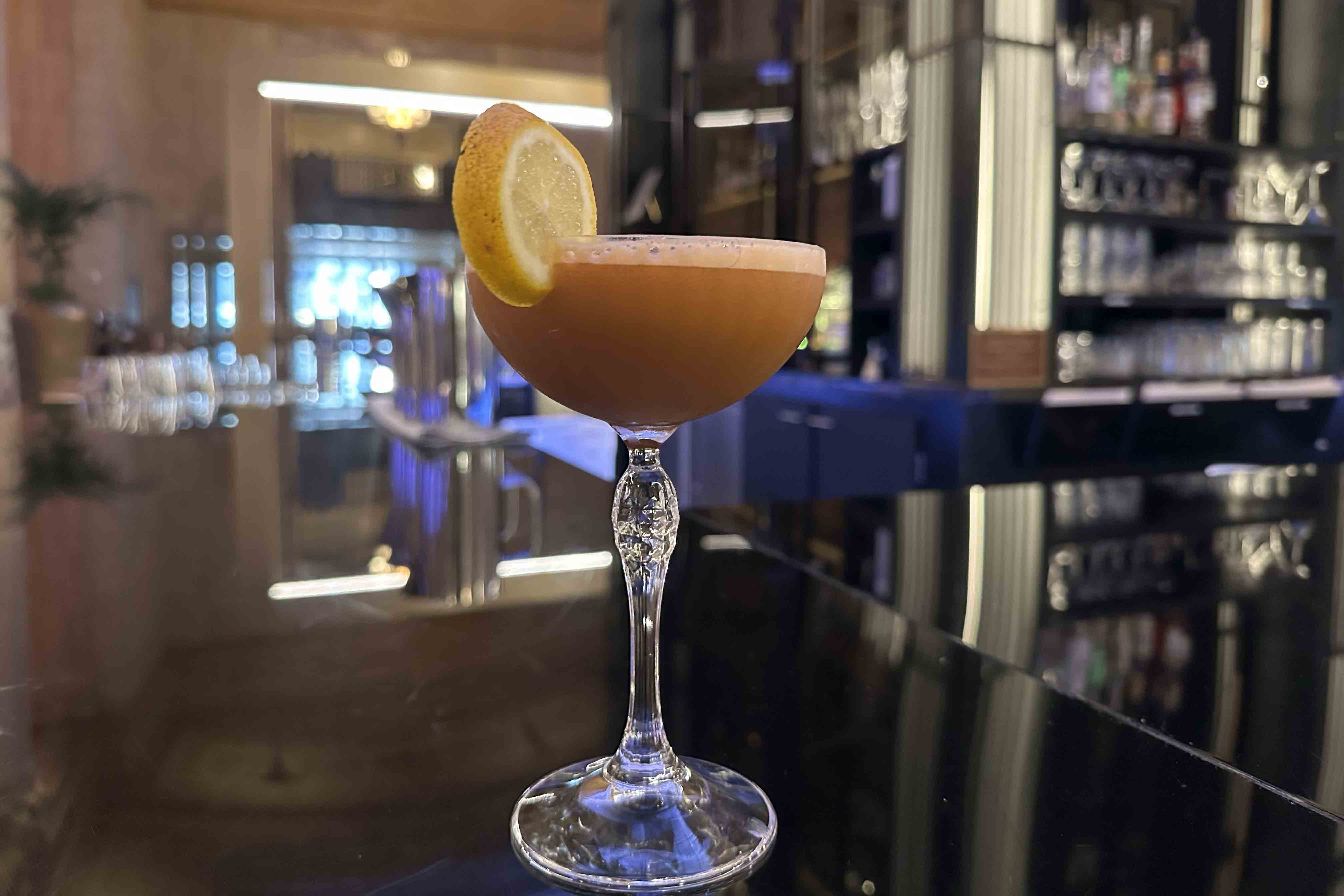
“This drink leans on the Trinidad Sour’s bold use of Angostura bitters but balances it with the round herbal backbone of amaro and the sweetness of Old Tom gin,” Lindahl says. “Pistachio cream softens the edges, bringing nuttiness and texture, while lemon keeps it lifted. The split base creates a drink that’s rich, resinous and surprisingly balanced.”
Isle of Resin
Prep Time: 5 mins
Servings: 1
Ingredients
- .75 oz. Hayman’s Old Tom Gin
- .75 oz. Amaro dell’Etna
- 1 oz. pistachio cream cordial
- 5 oz. fresh lemon juice
- .75 oz. Angostura Bitters
- Lemon twist, for garnish
Directions
-
-
Shake all liquid ingredients with ice. Strain into a chilled coupe. Garnish with a lemon twist.
-
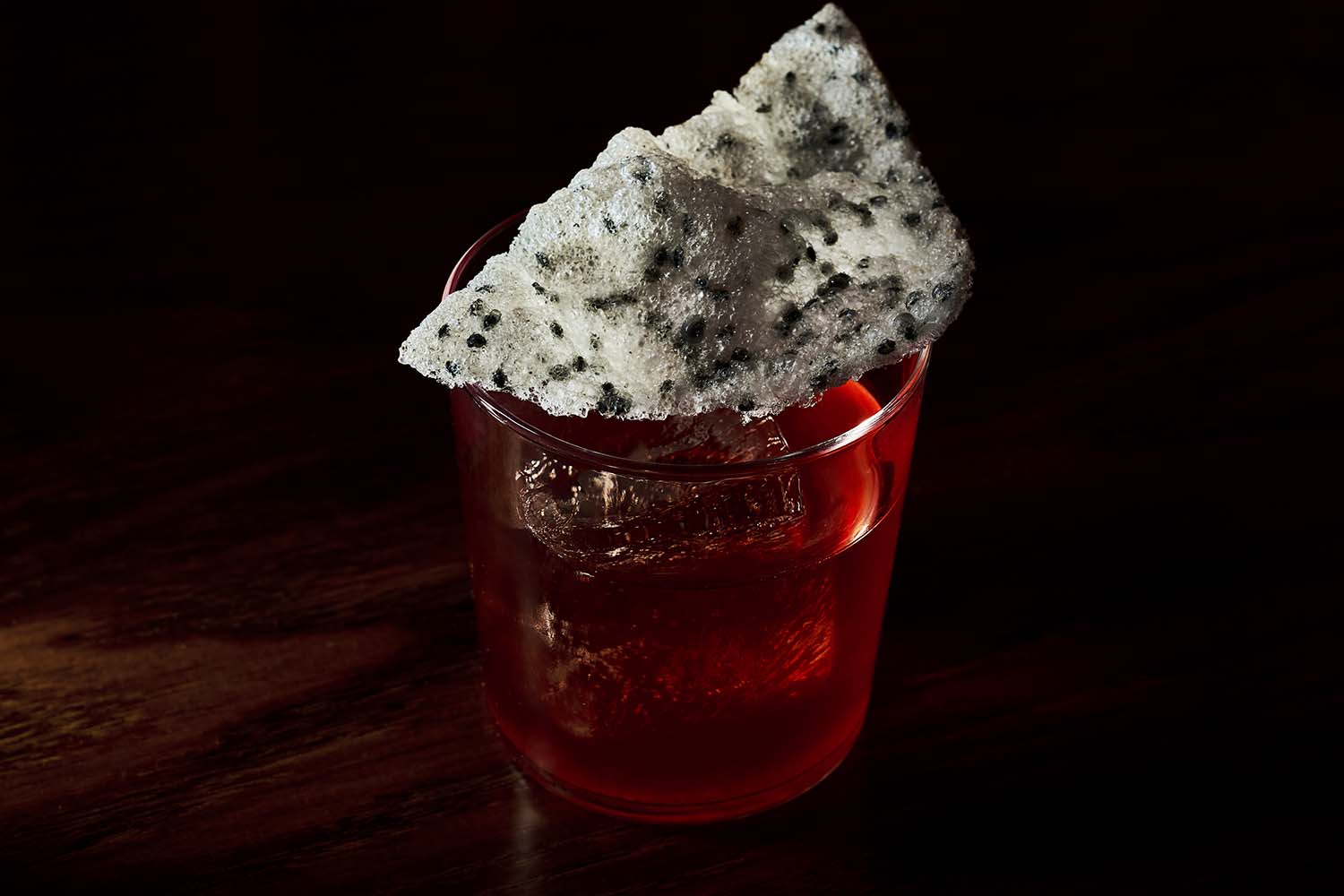
“We have this Old Fashioned riff that offers a harmonious blend of rye whiskey and gentian amaro as a split base, resulting in a rich, herbal and very culturally approachable drink,” Jaruthiphayakhantha says.
Red Dao
Prep Time: 5 mins
Servings: 1
Ingredients
- 1 oz. rye whiskey
- 1 oz. gentian amaro
- .25 oz. Spiced Roselle Gin
- .25 oz pear honey syrup
- 2 dashes Angostura Bitters
- 2 dashes Song Cai May Amaro Bitters
- Sesame rice cracker, for garnish
Directions
-
-
Stir liquid ingredients in a rocks glass over a large ice cube. Garnish with a sesame rice cracker.
-
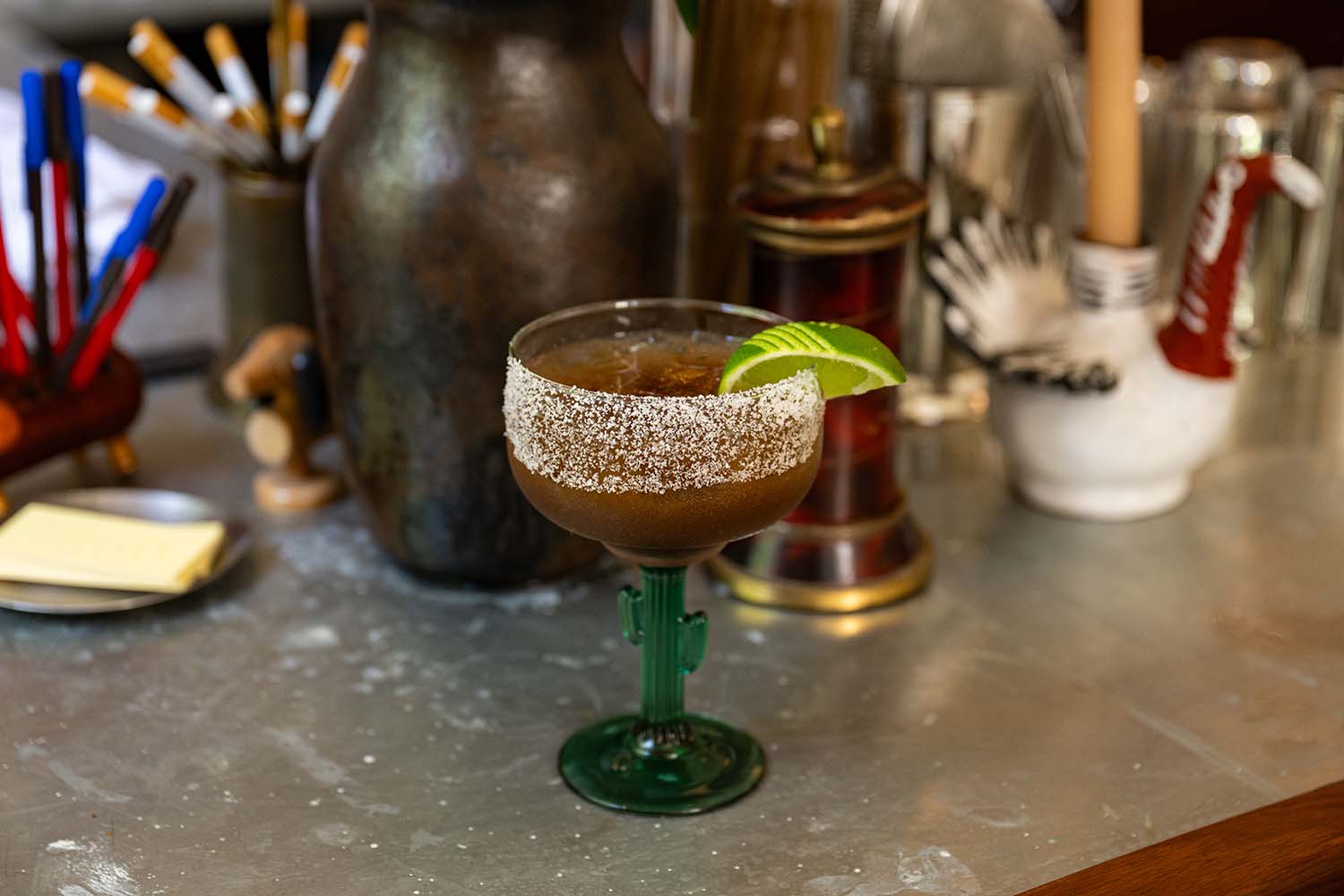
This cocktail is a split base of ElVelo Reposado and Lustau Amontillado Sherry,” Favre says. “The aged notes of both spirits blend beautifully, while the Amontillado highlights and ties together the savory notes of the jerk spices. This cocktail is adventurous while remaining true to a classic tequila and Coke.”
Jerk Batanga
Prep Time: 5 mins
Servings: 1
Ingredients
- 1 oz. jerk-infused ElVelo Tequila Reposado
- 1 oz. Lustau Amontillado Sherry
- .25 oz. Giffard Crème de Banane
- .5 oz. Tempus Fugit Crème de Banane
- .5 oz. fresh lime juice
- 3 oz. Mexican Coke
- Salt, for the rim
- Lime wedge, for garnish
Directions
-
-
Salt the rim of a large coupe or Margarita glass. Add ice and all liquid ingredients. Gently stir to incorporate. Garnish with a lime wedge.
-
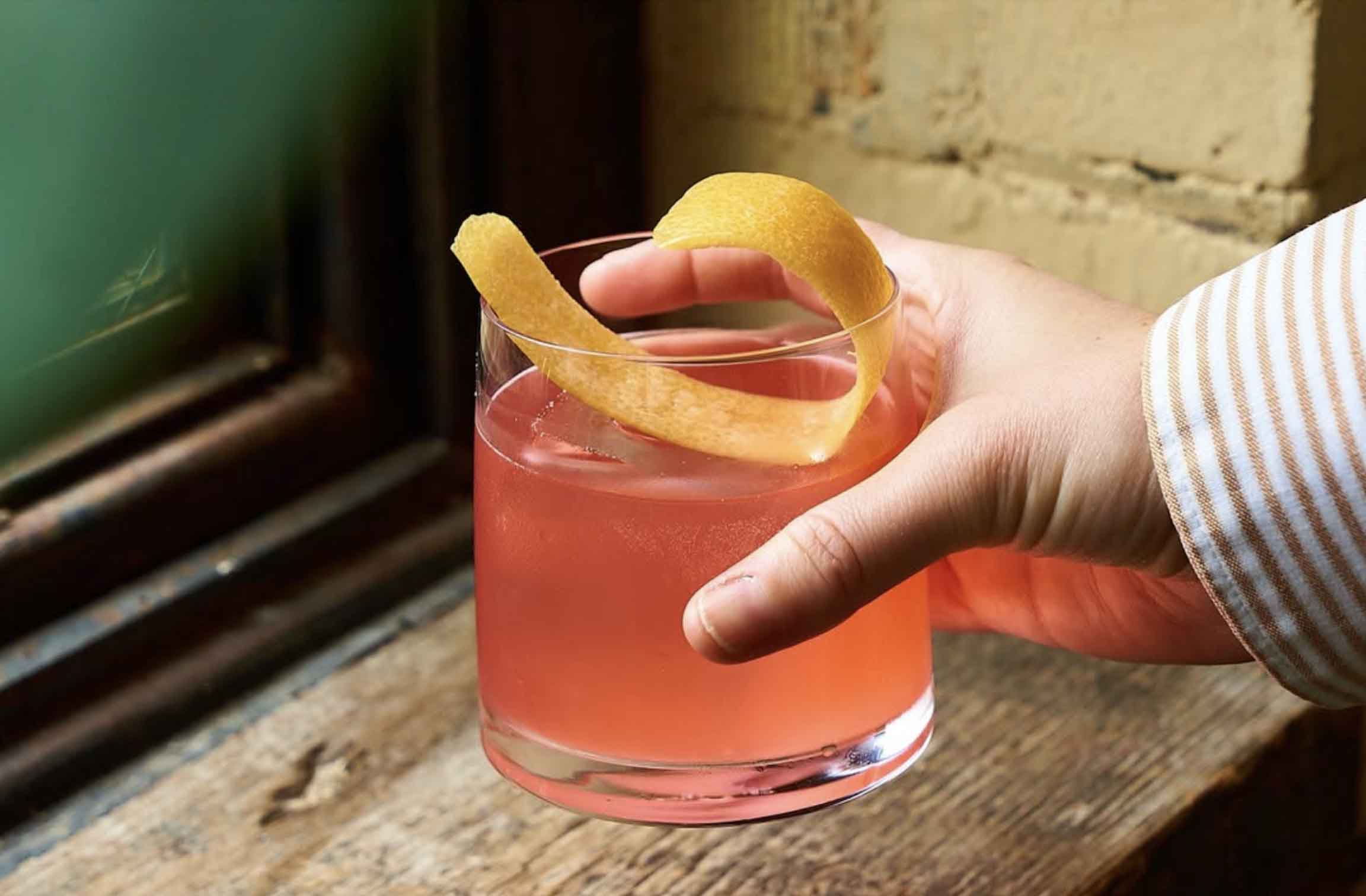
“One of the split-base cocktails currently on our menu is The Puerto Escondido,” says Matt Colvin, beverage director at Maxwell Alley. “It sits somewhere comfortably between a Spicy Margarita and a Negroni with a split base of mezcal and tequila.”
The Puerto Escondido
Prep Time: 5 mins
Servings: 1
Ingredients
- .75 oz. mezcal (preferably Bahnez Ensamble)
- .75 oz. tequila (preferably Cimarron Blanco)
- .5 oz. Campari
- .5 oz. bianco vermouth (preferably Antica Torino)
- .5 oz. watermelon-jalapeño syrup
- 1 oz. acid-adjusted grapefruit juice (to lime spec)
- Grapefruit peel, for garnish
Directions
-
-
Add all liquid ingredients into a tin with ice and shake. Strain into a rocks glass over a big cube. Garnish with a grapefruit peel.
-
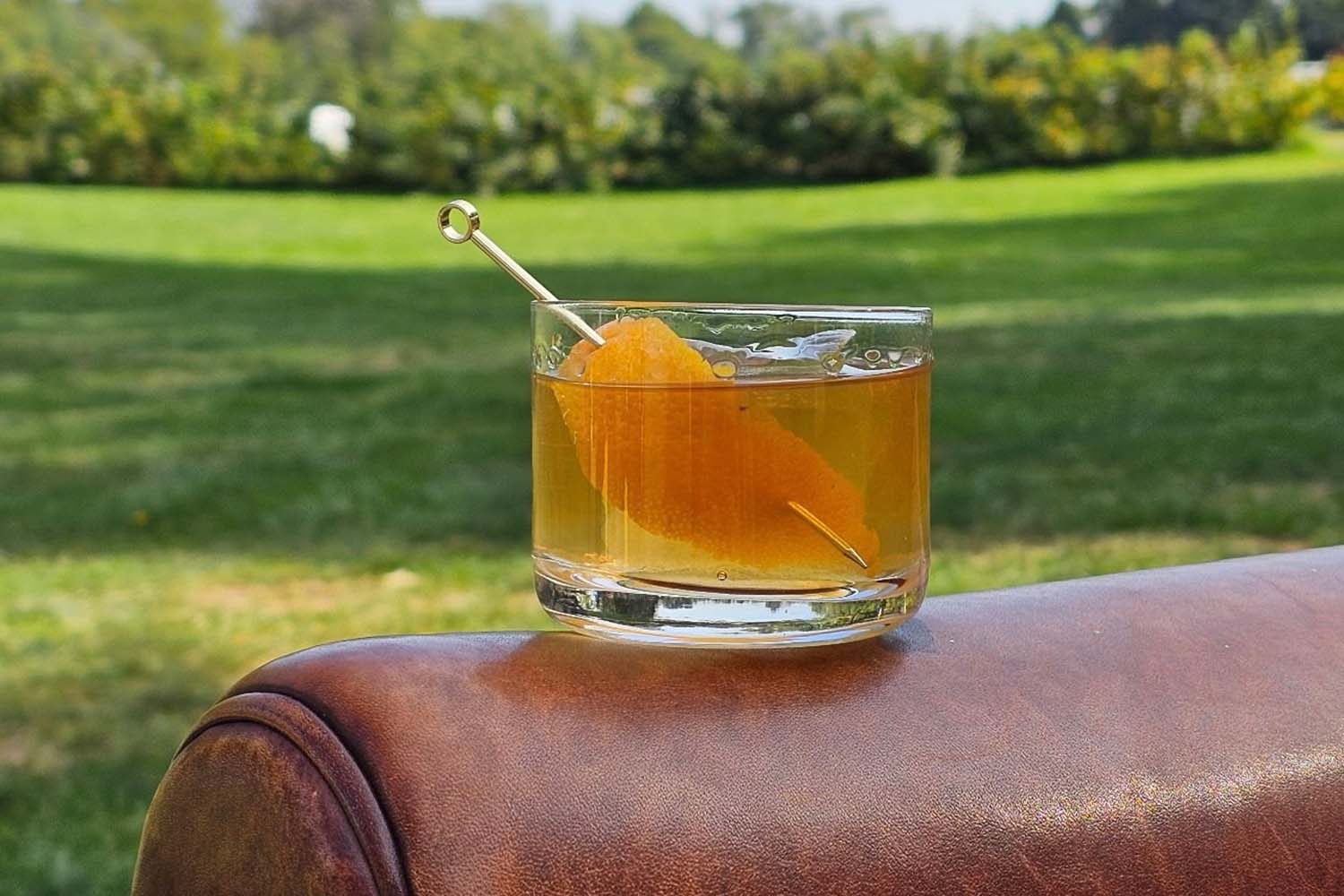
“With a straightforward build but a sophisticated flavor profile, this cocktail is a great entry point into split-base drinks,” says Anna Rafalski, beverage director at Granor Farm.
The Square Mile
Prep Time: 5 mins
Servings: 1
Ingredients
- 1 oz. London Dry Gin
- 1 oz. bourbon
- 1 oz. sweet vermouth
- Dash of Angostura bitters
- Orange zest, for garnish
Directions
-
-
Combine gin, bourbon and vermouth in a mixing glass with ice. Stir for about 30 seconds. Strain into a rocks glass with a large ice cube and garnish with orange zest, being sure to express the orange oils into the cocktail.
-
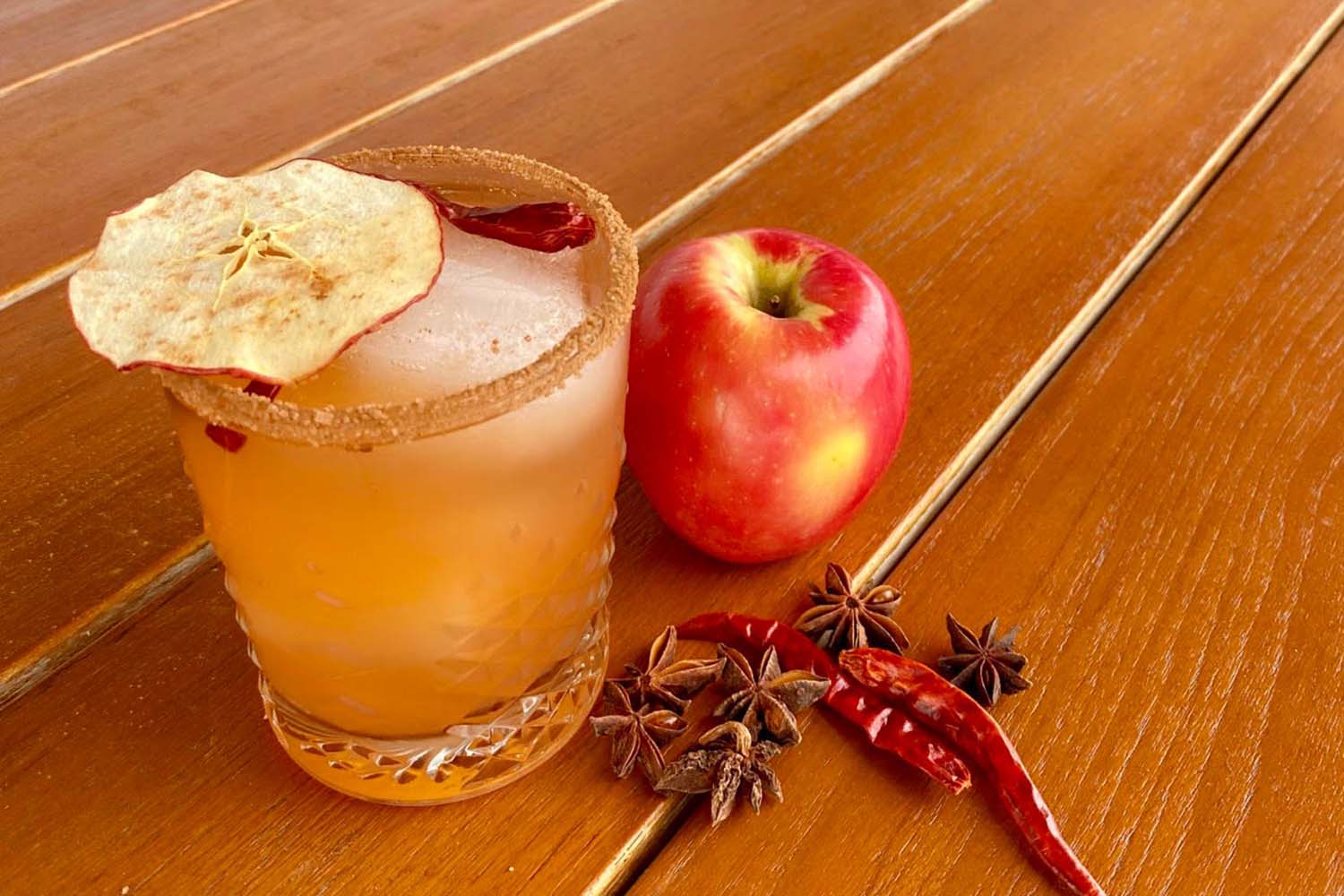
“This is one of the standouts on The Foundry’s fall menu, built on a split base that’s equal parts fiery and familiar,” Yeakley says. “Ancho chile–infused tequila brings the smoke and heat, while apple brandy rounds it out with orchard sweetness. Add chai spice, a pop of citrus and a touch of cider, and you’ve got a cocktail that feels like autumn in a glass.”
Don’t Tell My Abuela
Prep Time: 5 mins
Servings: 1
Ingredients
- 1.5 oz. ancho chile–infused El Mayor Reposado
- .5 oz. Laird’s Apple Brandy
- .75 oz. fresh lime juice
- .5 oz. chai-spiced syrup
- .5 oz. Pierre Ferrand Dry Curaçao
- .5 oz. unfiltered apple cider
- Cinnamon sugar mix, for the rim
- Dehydrated apple wheel, for garnish
Directions
-
-
Stir all liquid ingredients over ice in a rocks glass. Garnish with a cinnamon sugar rim and a dehydrated apple wheel.
-
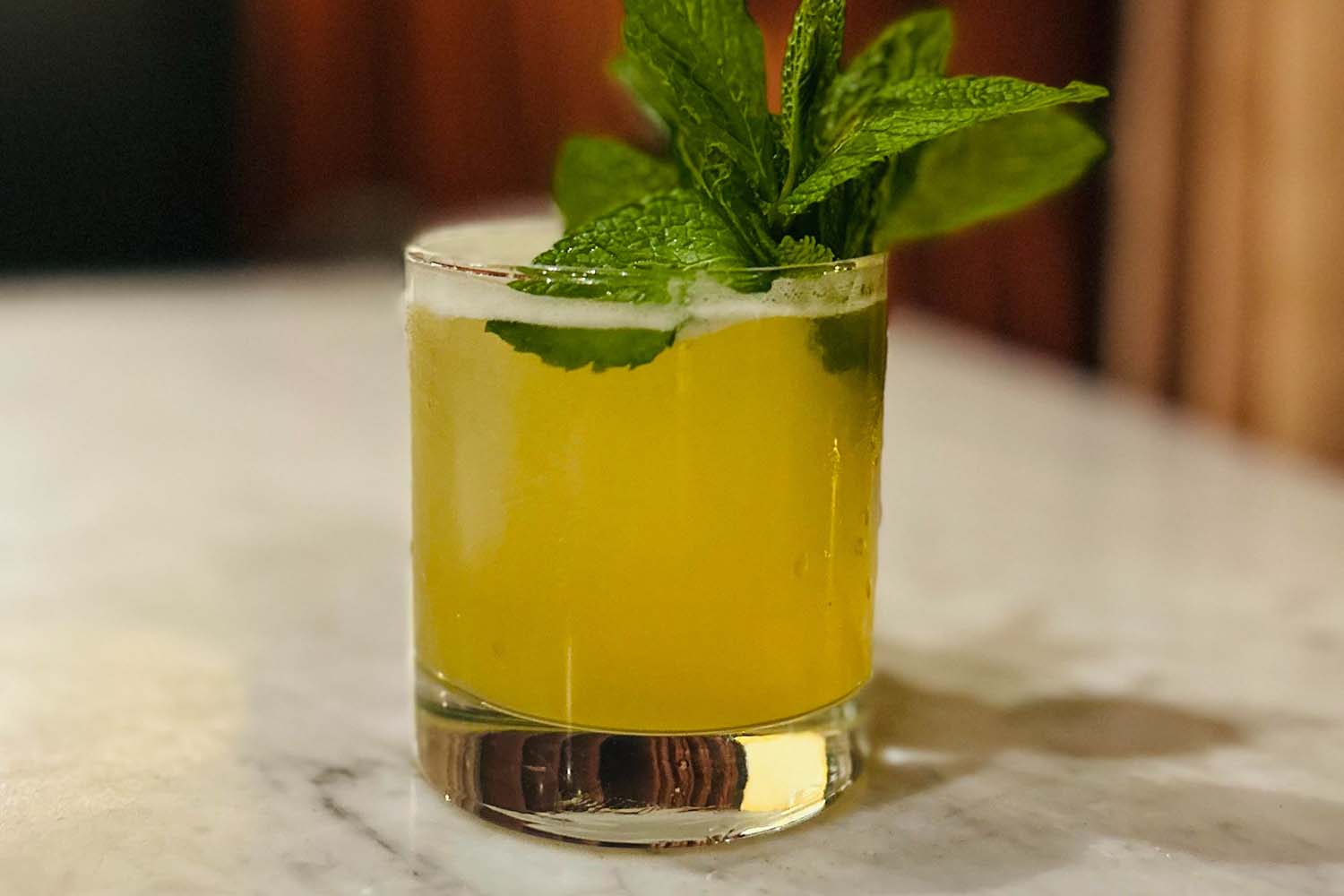
“Our Silk Road Sour has a split base of Ten to One White Rum and Very Old Barton Overproof Bourbon,” says Emiliano Vazquez-Parrales, the spirits and wine bar director at Proxi in Chicago. “It’s a tropical variation on a traditional Whiskey Sour, but the rum brings a lighter floral profile to the blend, along with banana, lemon juice and pineapple, reinforcing the fruitier, brighter profile.”
Silk Road Sour
Prep Time: 5 mins
Servings: 1
Ingredients
- 1 oz. Very Old Barton Overproof Bourbon
- 1 oz. Ten to One White Rum
- .25 oz. Giffard Crème de Banane
- 1 barspoon Lucky Falernum
- .75 oz. lemon juice
- .5 oz. pineapple juice
- .25 oz. white peony syrup
- Absinthe spray, to finish
- Mint bouquet, for garnish
Directions
-
-
Shake liquid ingredients and double-strain over a large cube in a rocks glass. Garnish with a mint bouquet and flamed absinthe spray.
-
“Our most popular drink is the Chicago Ave,” says Berdan Lewis, beverage director at Provaré Chicago. “It’s a split-base cocktail blending white rum, dark rum and coconut rum and binding it with pineapple and orange juice. The drink is a testament to Creole and Caribbean culture, with tropical notes comparable to a rum punch but with more complexity.”
Chicago Ave.
Prep Time: 5 mins
Servings: 1
Ingredients
- 1.5 oz. orange juice
- 1.5 oz. pineapple juice
- 1 oz. white rum
- 1 oz. dark rum
- 1 oz. coconut rum
Directions
-
-
Stir all ingredients in a mixing glass and strain over ice in a Collins glass.
-
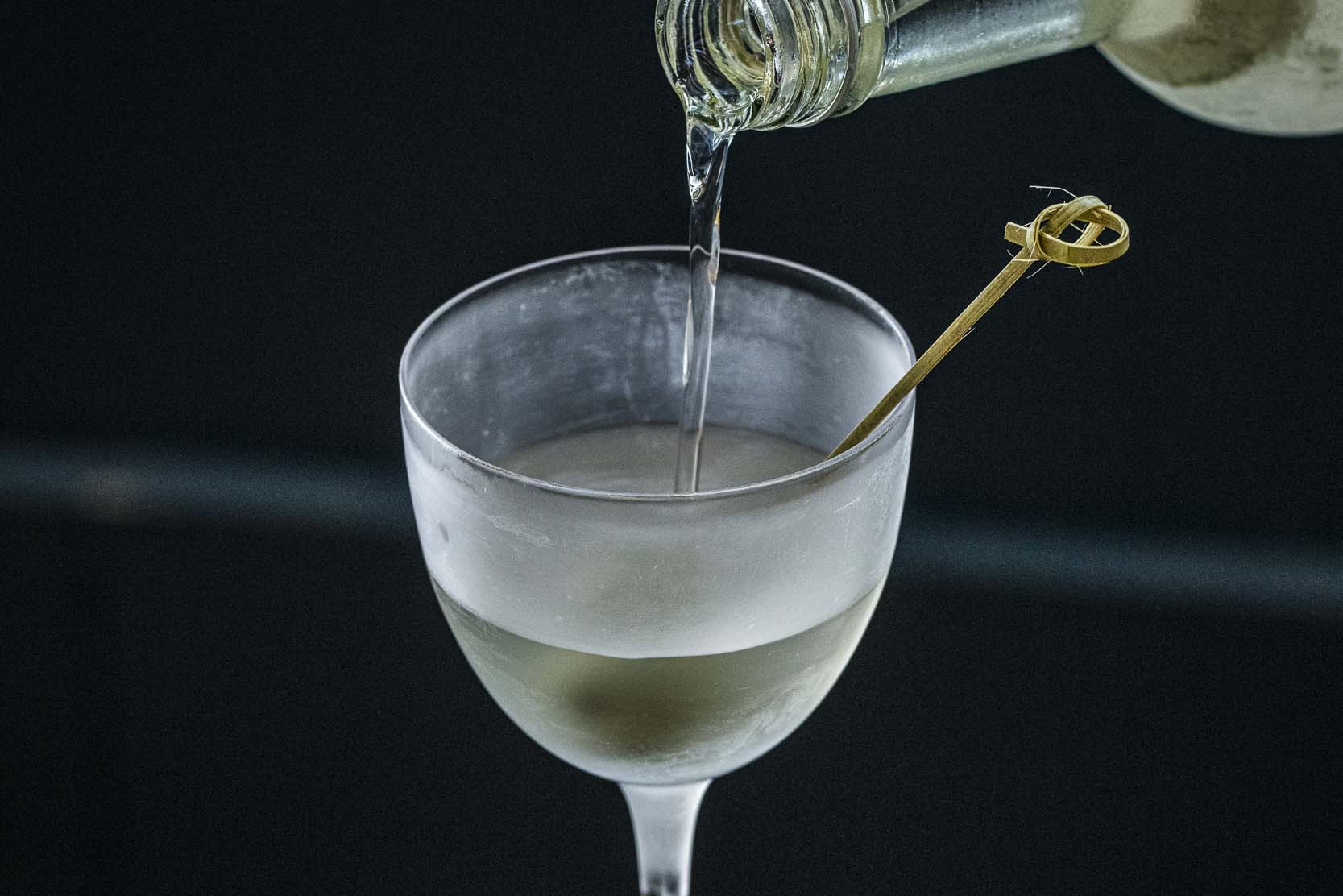
“We have our famous Stinging Vesper,” says Hemant Pathak of Room 207 (opening soon) and general manager of Junoon and Jazba. “It’s a bold and balanced variation on a classic Martini, splitting gin with genever, adding a touch of malty and savory characteristics that add a distinct character. It’s a part of our bottle cocktail program, and this is a batch recipe.”
Stinging Vesper
Prep Time: 5 mins
Servings: 8
Ingredients
- 2 oz. génépy
- 2 oz. Lillet Blanc
- 2 oz. Old Duff Genever
- 8 oz. Jaisalmer Indian Craft Gin
- 10 oz. Ketel One Vodka
- 4 oz. water
Directions
-
-
Build in a 750ml bottle. Freeze and pour in 3 oz. increments into a Martini glass.
-
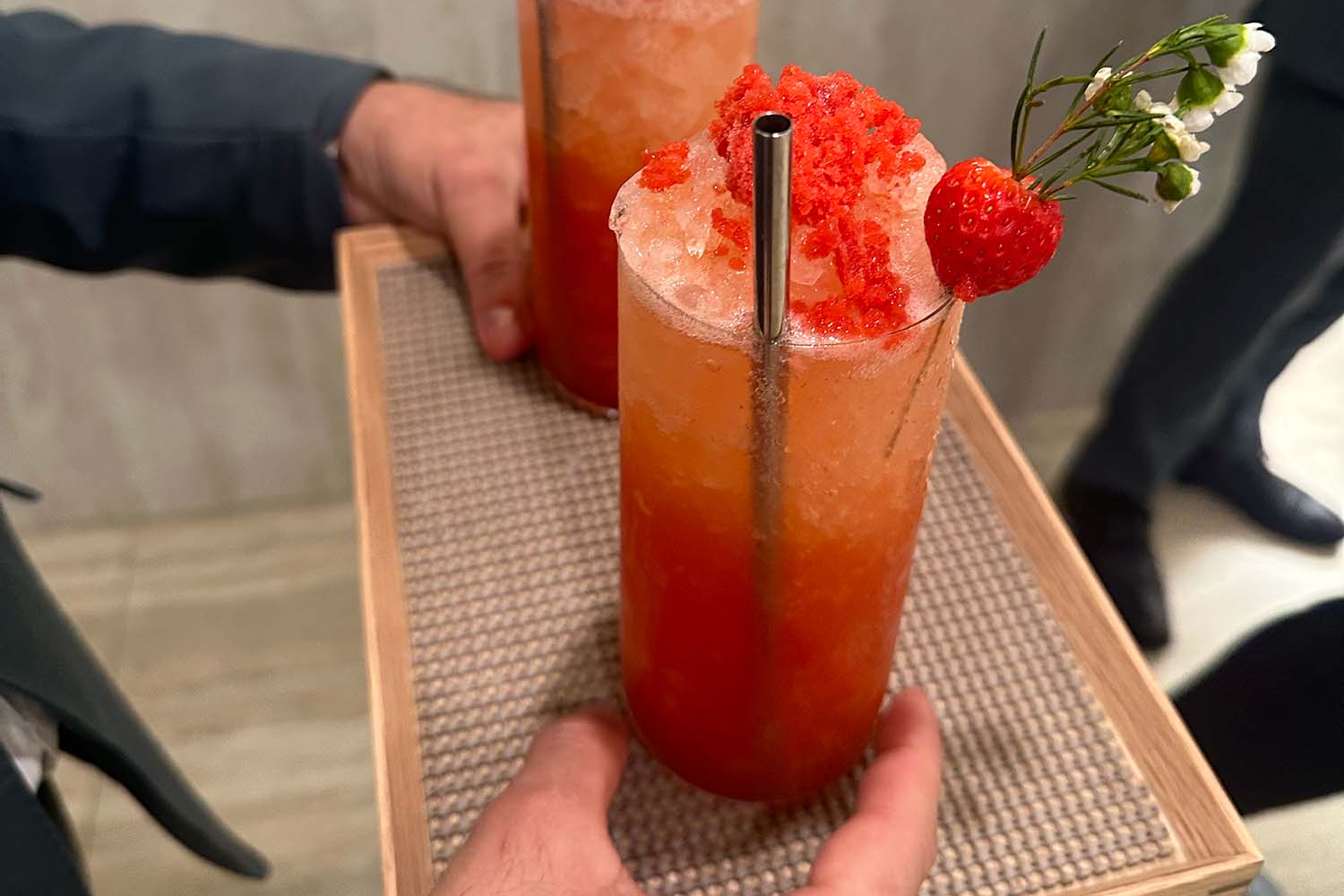
“While not a classic take, this drink uses a split base of light and dark rum to build depth and character,” says Kevin Goyenchea, general manager of Huso in New York. “Since the drink leans light, fruit-forward and strawberry-driven, using only dark rum made it feel too heavy, taking away from its refreshing quality. By blending in light rum, we preserve the brightness and lift, while the dark rum adds just enough funk and richness to round things out.”
Oishi Daiquiri
Prep Time: 5 mins
Servings: 1
Ingredients
- 1 oz. El Dorado 3-Year Blanco Rum
- 1 oz. El Dorado 12-Year Dark Rum
- 1 oz. strawberry puree
- .75 oz. lemon juice
- 1 oz. simple syrup
- Frozen strawberry puree, for garnish
- Strawberry, for garnish
- Flower, for garnish
Directions
-
-
Shake all liquid ingredients and strain into a highball glass over crushed ice. Garnish with frozen strawberry puree and a Oishi Koyo strawberry on a flower skewer.
-

More Like This

This article appeared in an InsideHook newsletter. Sign up for free to get more on travel, wellness, style, drinking, and culture..