Imagine an avid reader who one day flips through a summer book preview in their local paper. Among the books listed there is a novel by one of this reader’s favorite writers, Isabel Allende. Intrigued, this reader heads to their local library to see if they have any copies of the novel, called Tidewater Dreams, in stock. Here’s the problem: Tidewater Dreams doesn’t actually exist; instead, it was part of an AI-generated article that included several nonexistent books by acclaimed writers like Allende and Percival Everett and caused a stir over the summer.
But someone who’s not online all the time — like, say, this theoretical reader — might not know that. And while the infamous summer books list got plenty of coverage, there are also instances where AI systems have hallucinated the existence of other unwritten books. And as you might expect, this has been a huge headache for librarians (and, presumably, booksellers) tasked with looking for books that don’t exist.
In an article for 404 Media, Claire Woodcock explored the effect that hallucinated books are having on library employees. One librarian quoted in the article said that they had been fielding requests for hallucinated books for the last three years, but that the problem had grown more severe earlier this year. The reading list mentioned earlier was, in fact, the reason behind this increase.
AI-Generated Books on Amazon Are Hurting Authors and the Publishing Industry
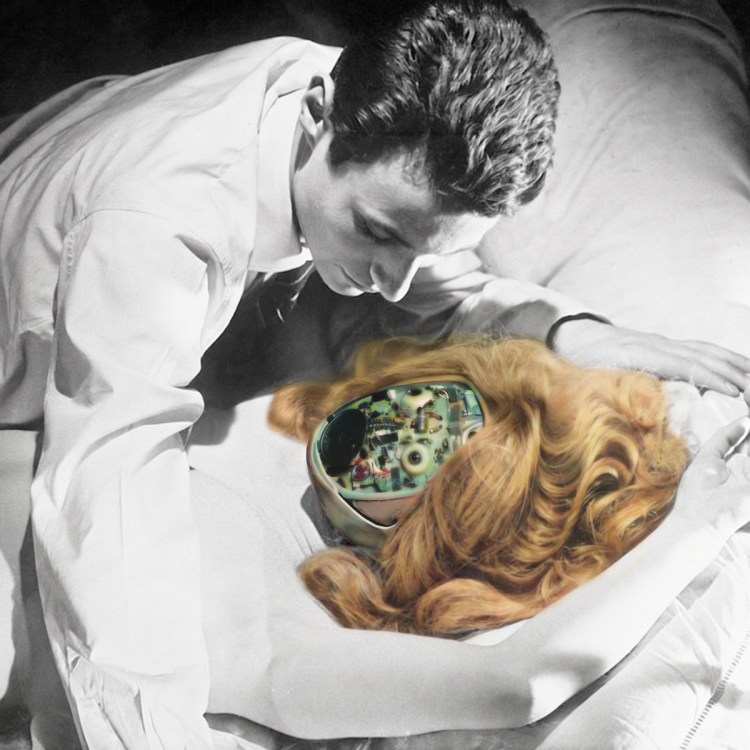
Don’t buy AI copies of already-written books on AmazonThis isn’t the only way that AI has made librarians’ lives more difficult. There’s also the matter of unscrupulous parties using AI to generate books quickly for fun and profit, albeit without the fun. The rise of AI-generated books has raised existential questions for writers and publishers alike; unsurprisingly, it’s also been a headache for librarians. The 21st century has seen technological advances that have made life easier for writers and publishers alike — but some of those same tools can also make the book world more foreboding if used by bad actors.
Meet your guide

More Like This


This article appeared in an InsideHook newsletter. Sign up for free to get more on travel, wellness, style, drinking, and culture..