Back in the days when Nick Nolte and Robert Shaw were ogling Jacqueline Bisset in a skimpy wet T-shirt on the set of The Deep, an excellent dive watch was essential — for actual self-preservation-related reasons.
Before there were dive computers, a timepiece that could go deep was a reference instrument that helped seagoers avoid getting bent (i.e, developing decompression sickness).
But a dive watch is also about, you know, looks. (See: Bond, James.) Watches are the quintessential accessory, and a dive watch is like a tag that says, “I swim with sharks and in the bowels of shipwrecks.” The best examples of dive watches should be as handsome as they are functional.
All of the watches listed below have unidirectional rotating bezels (to set and calculate elapsed dive time or decompression stops) and some form of luminescence — the latter being helpful in seeing the dial in murky water, dark places or during night dives. As for depth ratings, since even the most hardcore technical diver rarely ventures below 350 feet, even a 100-meter (330-ft.) rating is sufficient for all but the most arduous plummets. (FYI, the ISO 6425 standard for dive watches necessitates a 100-meter minimum water resistance rating.) Still, higher ratings indicate a watch that can handle more pressure, which in turn is a good indicator of general toughness.
Sub-$1,000 Dive Watch Buying Guide
The Best Dive Watches Under $1,000
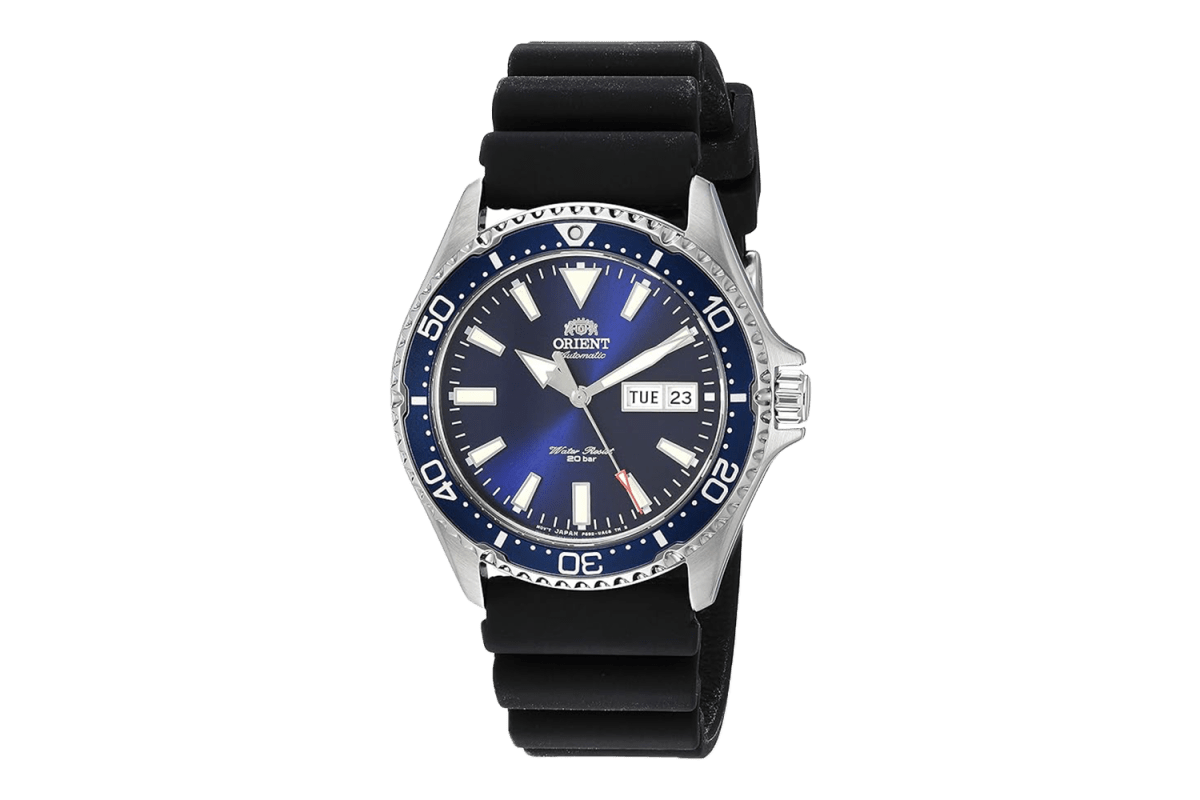
For years, Orient has quietly produced some of the best values in mechanical watchmaking, and the Kamasu may be the company’s strongest argument yet. While many entry-level dive watches ask buyers to accept a compromise or two, the Kamasu feels remarkably complete. An in-house automatic movement, sapphire crystal and 200 meters of water resistance would be impressive at almost any price; at well under $500, they’re exceptional. More importantly, it looks and feels like a serious watch. The proportions are balanced, the dial is clean and legible, and the overall package possesses a maturity that belies its modest price tag. For buyers entering the world of mechanical dive watches, there may be no better place to start.
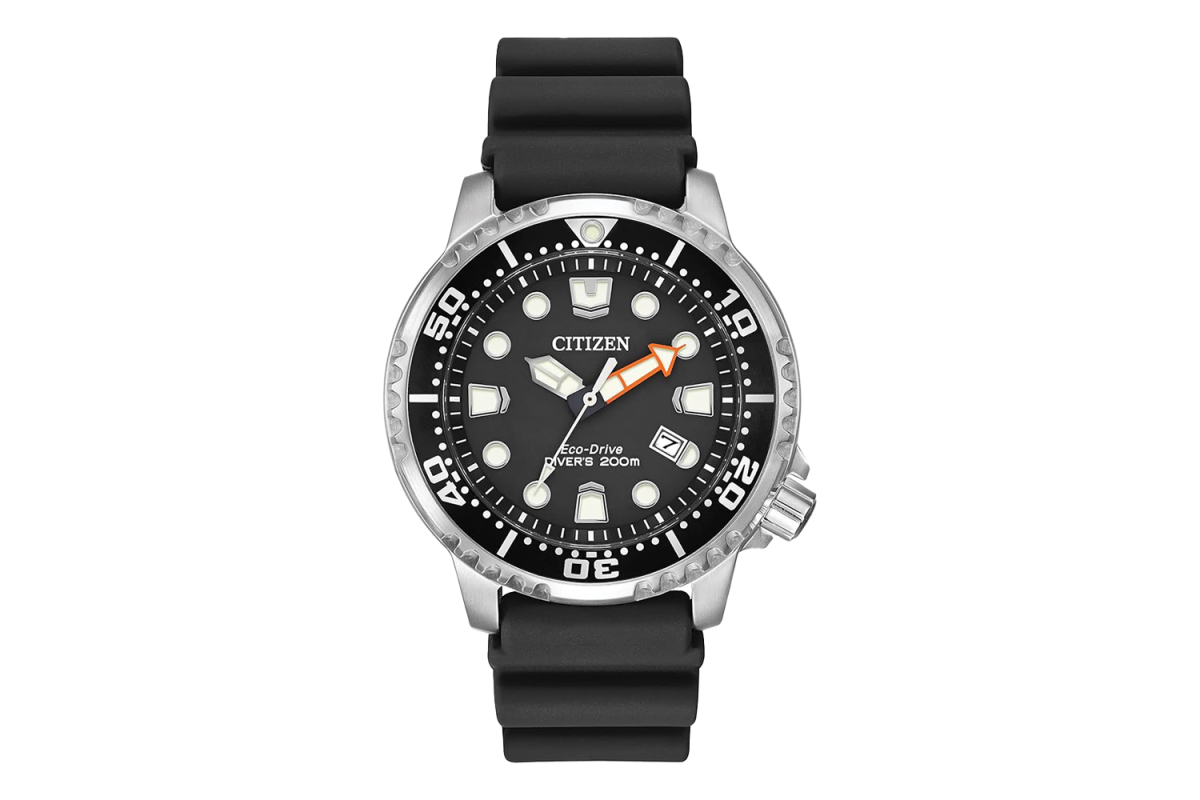
Mechanical-watch enthusiasts often overlook one simple fact: quartz remains incredibly useful. Citizen has spent decades perfecting that proposition through its Eco-Drive technology, which converts virtually any light source into stored energy and largely eliminates the need for battery replacements. The Promaster Diver remains one of the best expressions of that philosophy. Rugged, reliable and refreshingly straightforward, it’s a watch built to be used rather than admired from afar. Oversized hands and markers provide exceptional legibility, while the solar-powered movement allows years of worry-free ownership. In an era when many dive watches are marketed as tools despite rarely seeing hard use, the Promaster remains a genuinely practical companion for everyday wear and genuine adventure alike.
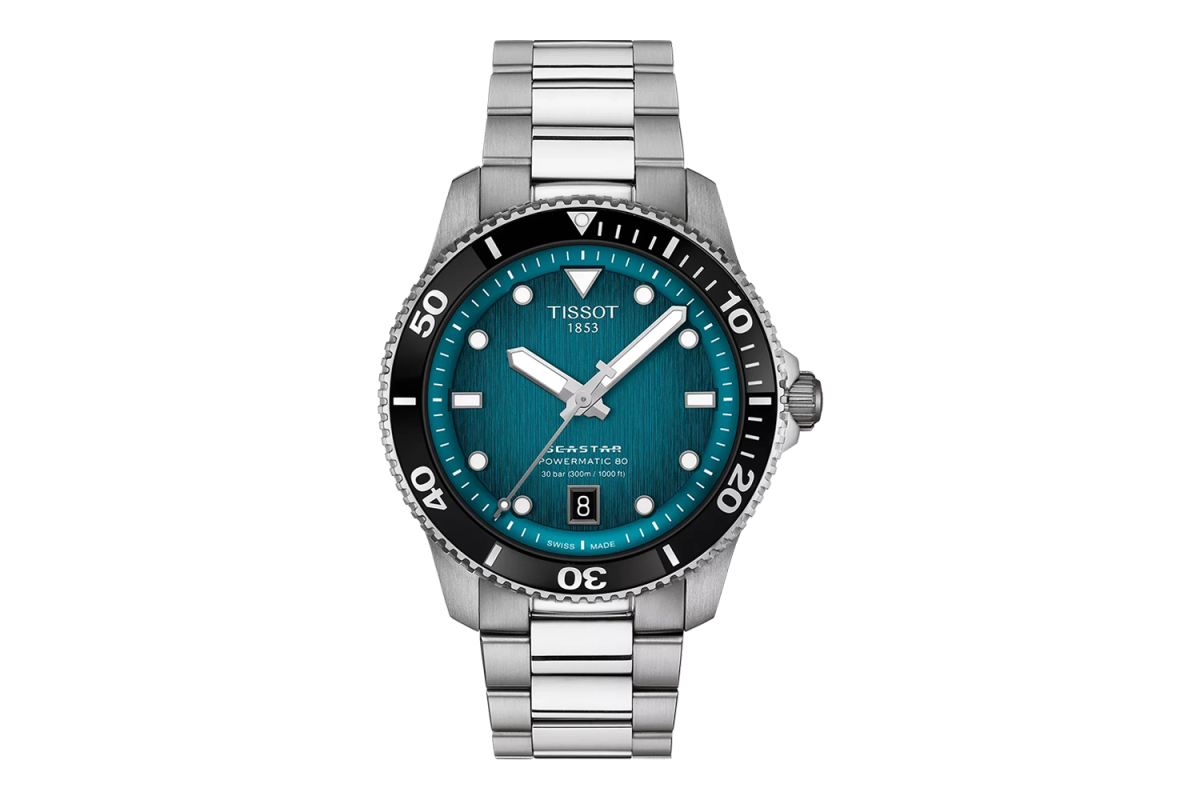
The best dive watch under $1,000 isn’t necessarily the one with the most compelling origin story or the most niche enthusiast appeal. More often, it’s the watch that delivers the broadest combination of quality, reliability and everyday usability. The Tissot Seastar 1000 Powermatic 80 excels on all three fronts. Featuring a ceramic bezel, sapphire crystal and an automatic movement boasting up to 80 hours of power reserve, it offers specifications that would have been difficult to imagine at this price point just a few years ago. Just as importantly, it comes from one of Switzerland’s most established manufacturers, lending it a level of credibility and support that many smaller brands cannot match. For most buyers, this is the safest recommendation on the list.
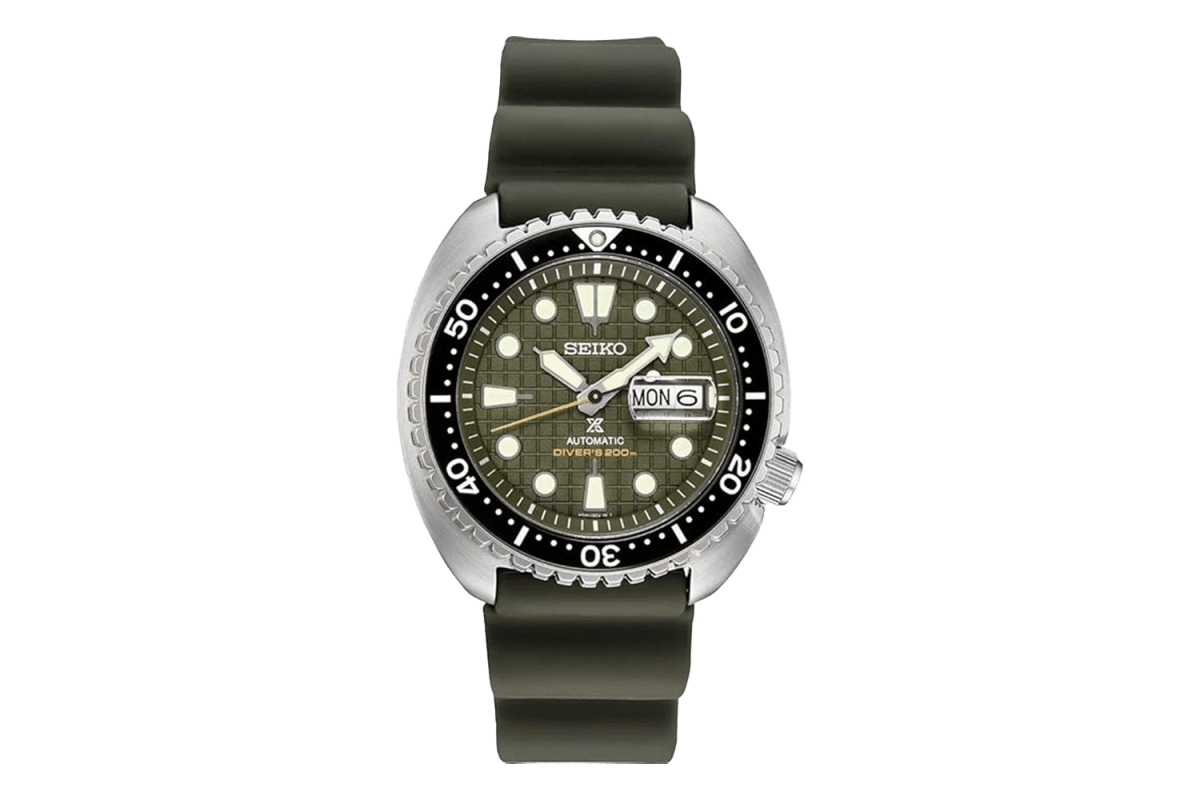
The “Turtle” occupies a special place in modern watch culture. Originally introduced in the 1970s and later revived to enthusiastic acclaim, its distinctive cushion-shaped case has become one of the most recognizable silhouettes in watchmaking. The King Turtle builds upon that foundation with several meaningful upgrades, including a sapphire crystal and ceramic bezel insert, while retaining the charm and practicality that made the original so beloved. Despite its substantial dimensions on paper, it wears remarkably comfortably thanks to the curved case architecture. Like the best Seiko divers, it feels honest and unpretentious, a watch designed for use rather than status. Decades after its introduction, the Turtle remains a benchmark by which affordable dive watches are measured.
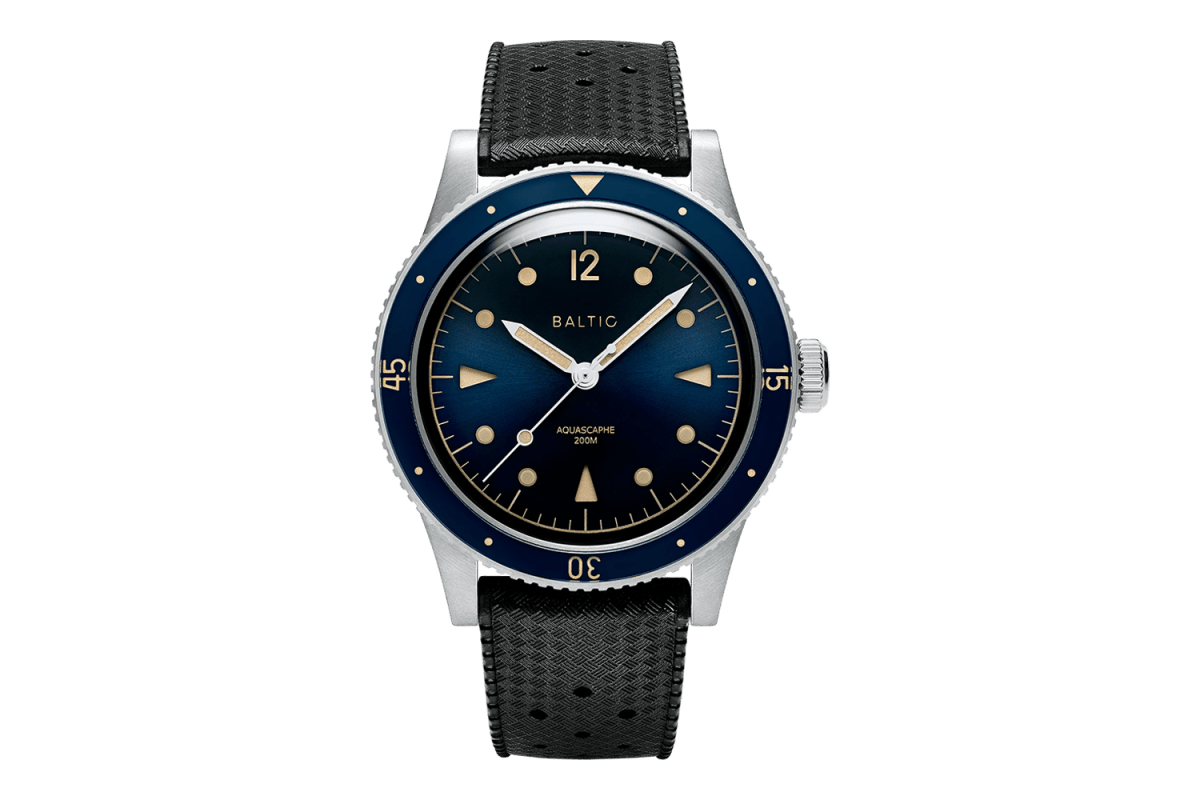
Few independent brands have done more to shape enthusiast watchmaking over the past decade than Baltic. The Aquascaphe Classic remains its signature achievement: a compact, elegantly proportioned diver that captures the spirit of mid-century tool watches without descending into outright nostalgia. Every detail feels thoughtfully considered, from the restrained dial design to the slim profile and vintage-inspired bezel. Unlike many affordable divers that compete primarily on specifications, the Aquascaphe succeeds because of its coherence. It feels like a watch designed by enthusiasts rather than marketers. In a crowded segment increasingly populated by derivative designs, Baltic’s flagship continues to stand apart as one of the most compelling and distinctive dive watches available at any price.
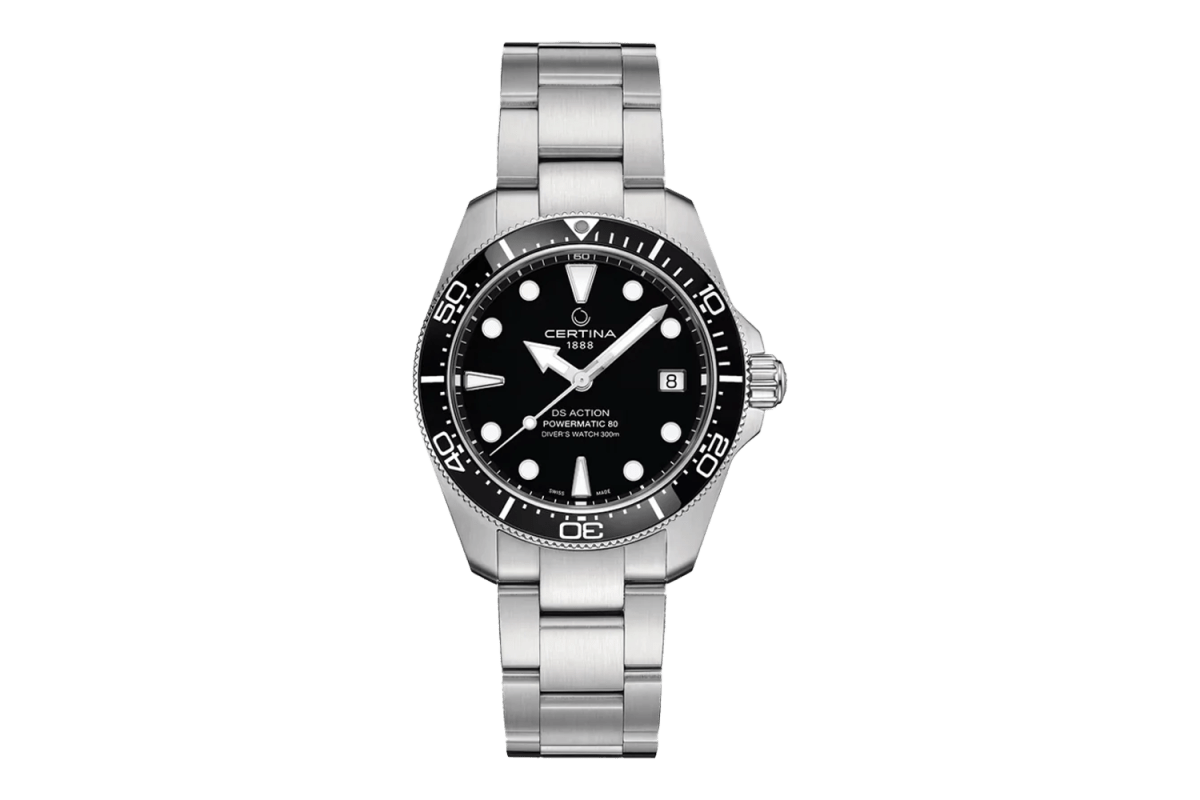
The Certina DS Action Diver answers a question many enthusiasts have been asking for years: Why must every dive watch be oversized? Sized at a highly wearable 38mm, it delivers everything one could reasonably want from a modern Swiss tool watch, including ISO-certified dive credentials, robust construction and a dependable Powermatic movement. Backed by the resources of the Swatch Group yet often overlooked in favor of more heavily marketed siblings, Certina continues to offer some of the strongest value in Swiss watchmaking. The DS Action Diver is proof that a capable dive watch doesn’t need excessive dimensions or luxury-watch pricing to be taken seriously. It is practical, refined and refreshingly free of unnecessary theatrics.
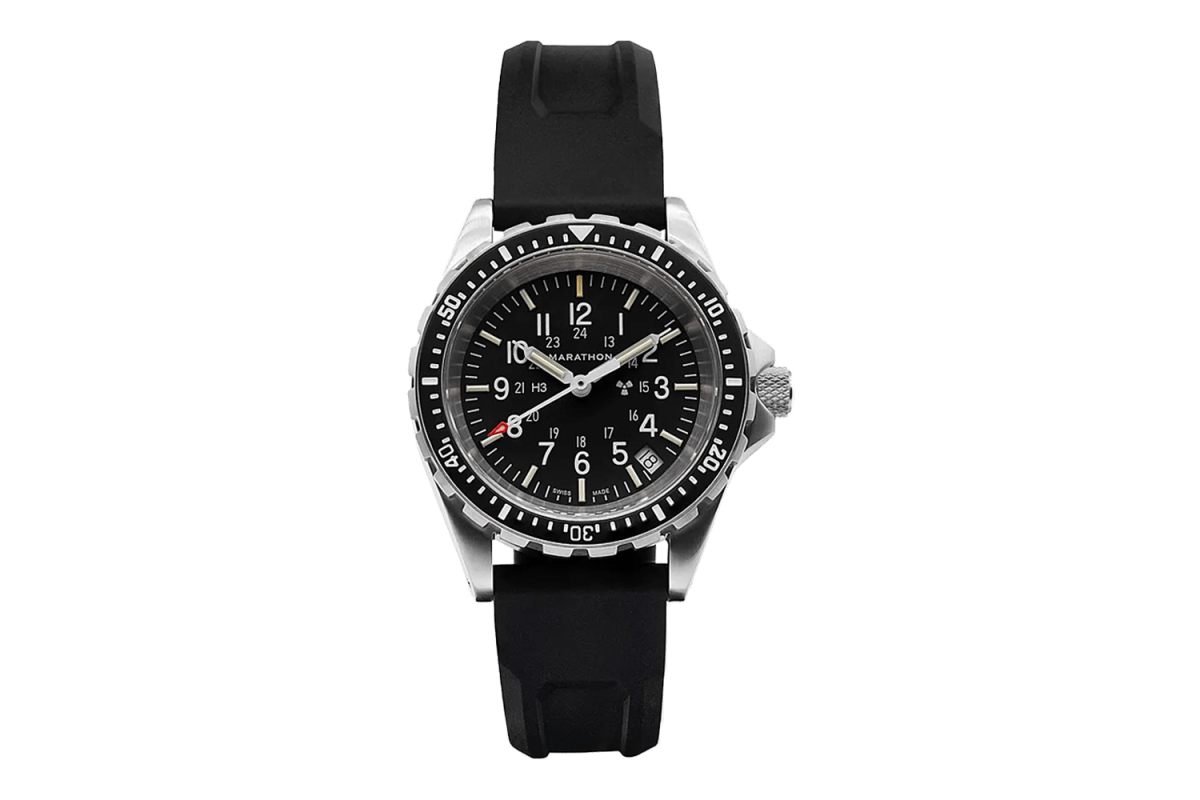
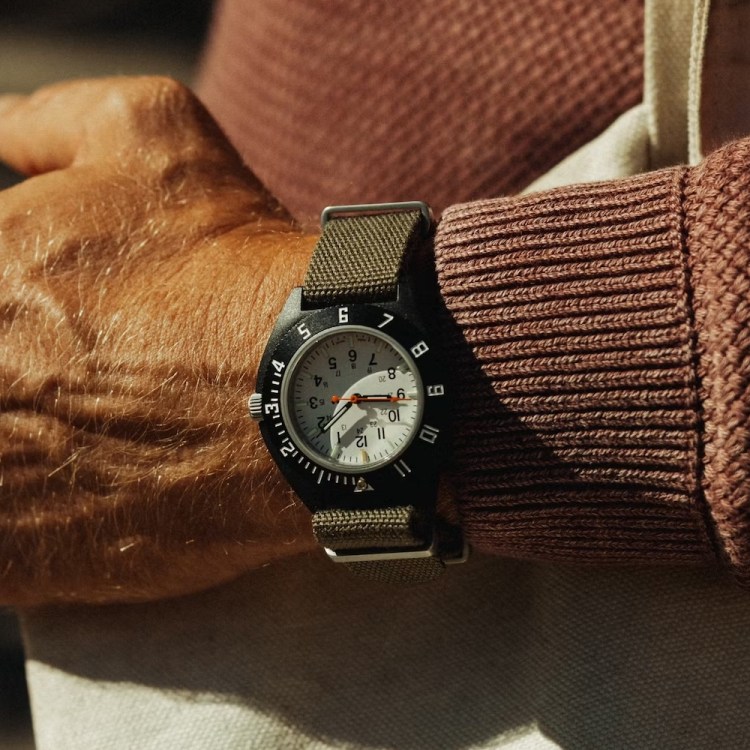
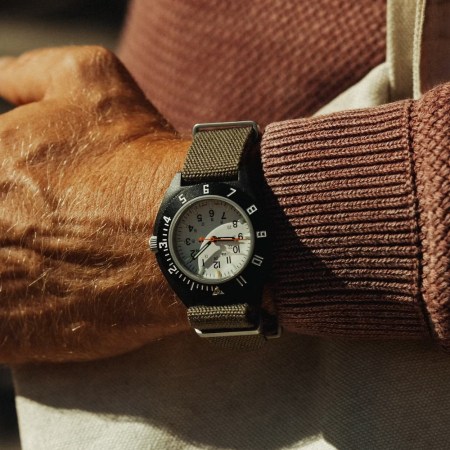
Many dive watches borrow military aesthetics; Marathon’s watches come from a company that actually supplies military and government organizations. The Medium Search and Rescue, or MSAR, embodies that heritage with a level of purposefulness rarely found in modern watchmaking. Compact, rugged and equipped with self-illuminating tritium tubes, it prioritizes function above all else. The design is unapologetically utilitarian and that’s precisely its appeal. There are no vintage cues, no lifestyle aspirations and no attempts at luxury. Instead, the MSAR feels like equipment: dependable, legible and built to perform under demanding conditions. For buyers seeking a true tool watch rather than a tool-watch-inspired accessory, few options under $1,000 feel more authentic. (Note: Pricing is typically just a hair over $1,000, though sales will sometimes push it below the $1K mark.)
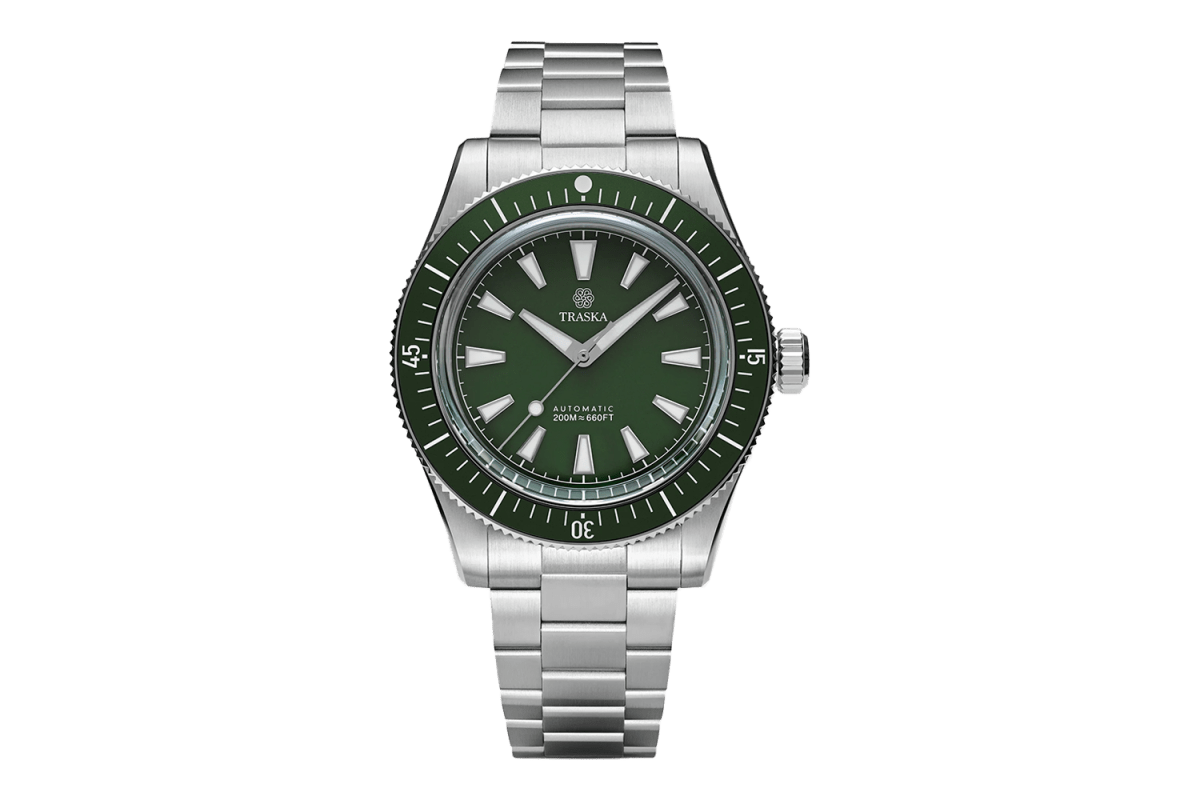
Traska has emerged as one of the most respected independent brands of the modern era, and the Freediver demonstrates exactly why. Rather than relying on aggressive styling or exaggerated specifications, it focuses on thoughtful execution. The hardened steel case offers significantly improved scratch resistance, while the slim profile and balanced proportions make it exceptionally comfortable for everyday wear. Equally at home with swim trunks, a suit or a T-shirt, it embodies the versatility that made dive watches popular in the first place. The Freediver is not necessarily the most historically significant watch on this list, but it may be among the easiest to live with.
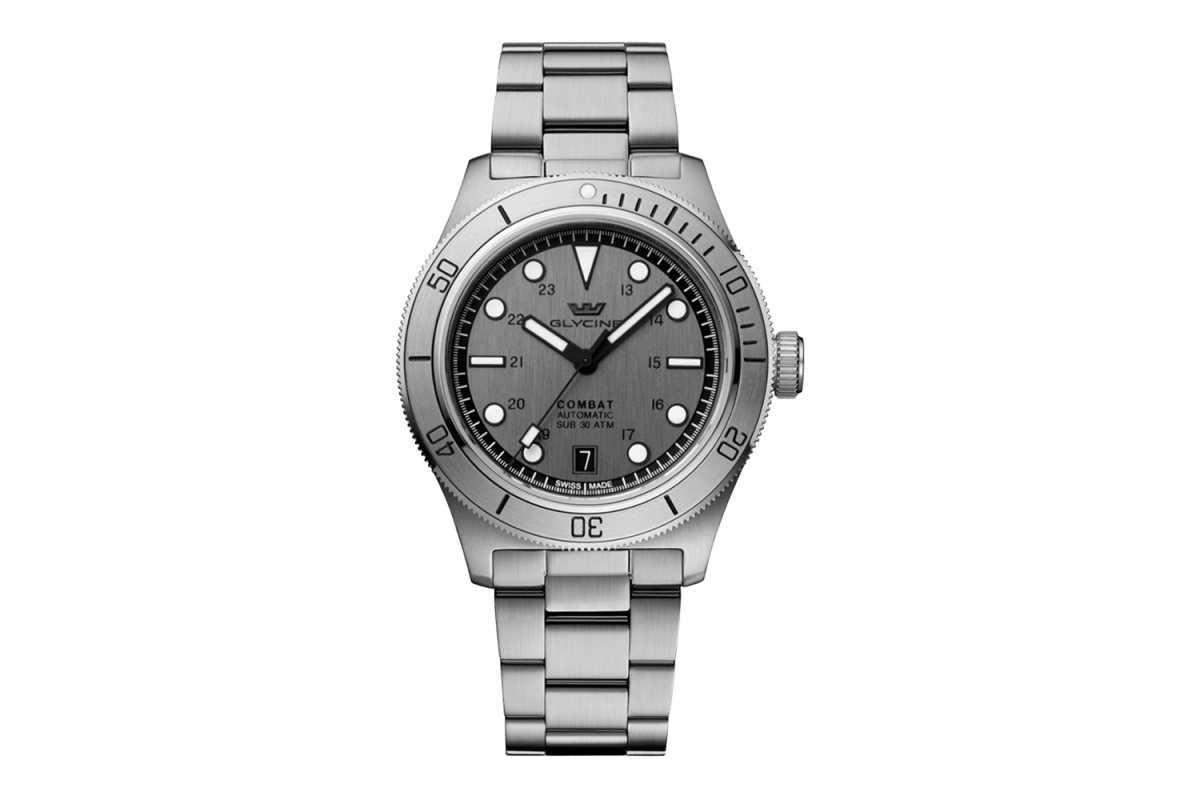
For decades, Glycine has quietly produced some of the most underrated sports watches in Switzerland. The Combat Sub embodies that tradition perfectly. Compact, capable and refreshingly straightforward, it focuses on the fundamentals that matter most: legibility, comfort and reliability. The 39mm case wears beautifully on a wide range of wrists, while the automatic Swiss movement provides dependable performance without unnecessary complexity. Unlike many modern dive watches that rely on vintage nostalgia or aggressive styling to stand out, the Combat Sub succeeds through restraint. It’s a watch that knows exactly what it is: a practical Swiss tool offering remarkable value for the money. For buyers seeking maximum substance and minimal marketing, it remains one of the category’s hidden gems.
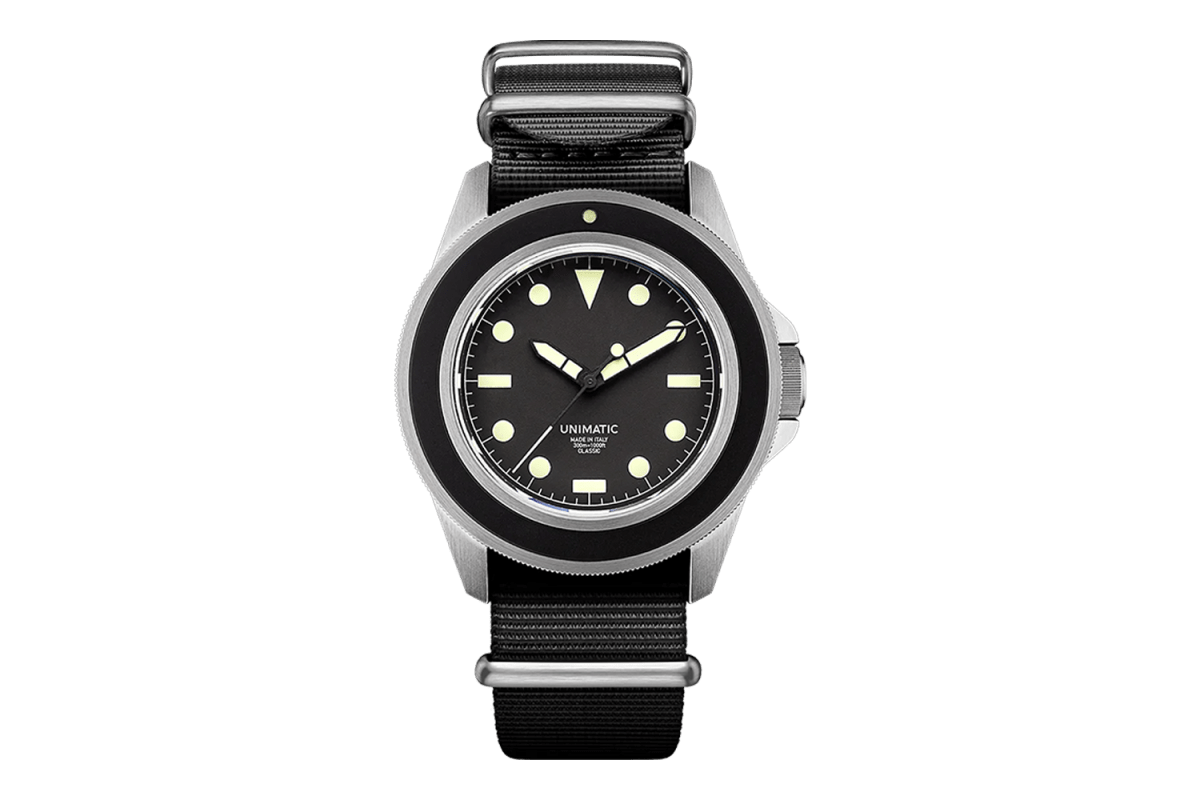
Italian brand Unimatic has built its reputation on an unusually simple premise: remove everything unnecessary. The Modello Uno remains the clearest expression of that philosophy, pairing minimalist industrial design with genuine dive-watch capability. The result is a watch that feels equally comfortable in a design museum and beneath a wetsuit. Its stark dial, clean lines and absence of visual clutter make it immediately recognizable, while the underlying specifications ensure it remains a serious tool watch rather than merely a stylistic exercise. In an industry that often mistakes complexity for sophistication, the Modello Uno proves that restraint can be every bit as compelling.
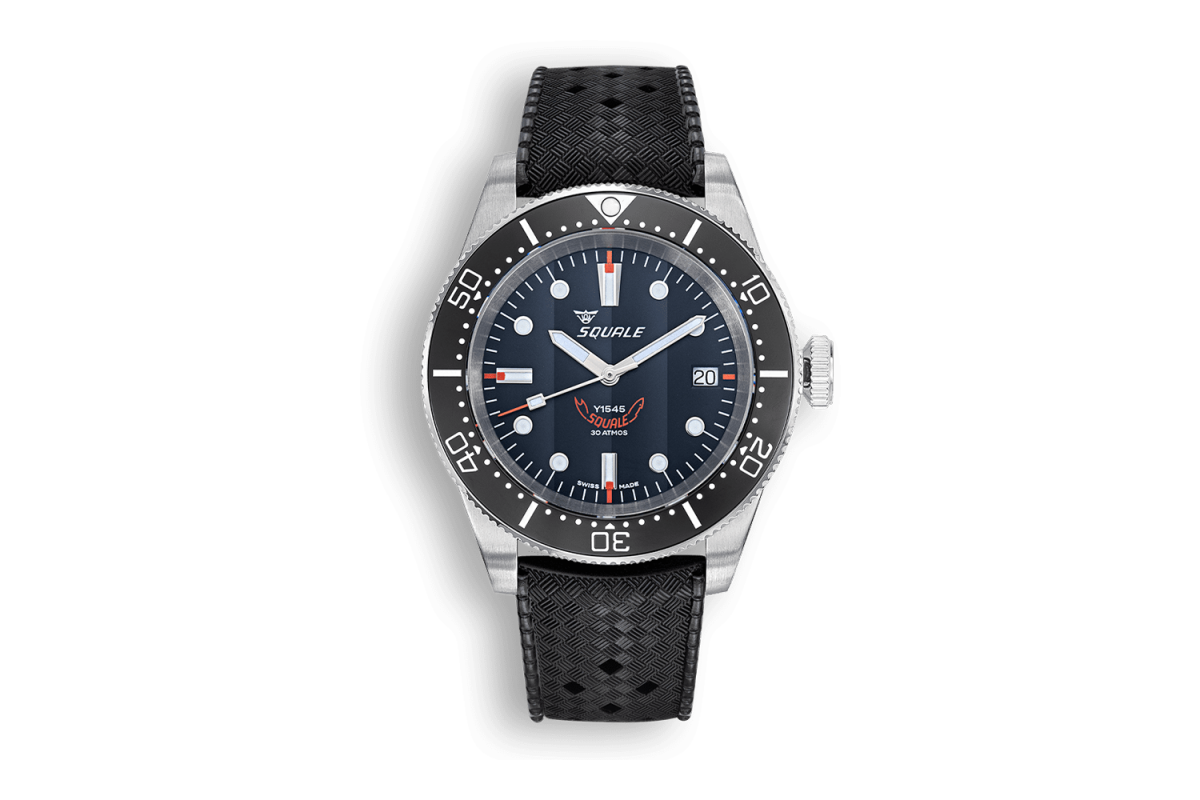
Long before vintage-inspired dive watches became a category unto themselves, Squale was building the real thing. Founded in the 1950s and known for supplying cases to a number of respected Swiss watchmakers, the brand has deep roots in the golden age of recreational diving. The 1545 channels that heritage into an approachable, everyday package, pairing classic skin-diver proportions with modern reliability and 200 meters of water resistance. At under $1,000, it delivers something increasingly rare in today’s market: a dive watch that feels genuinely connected to the era that inspired it. For enthusiasts seeking vintage charm without the compromises of a vintage watch, the 1545 is hard to beat.
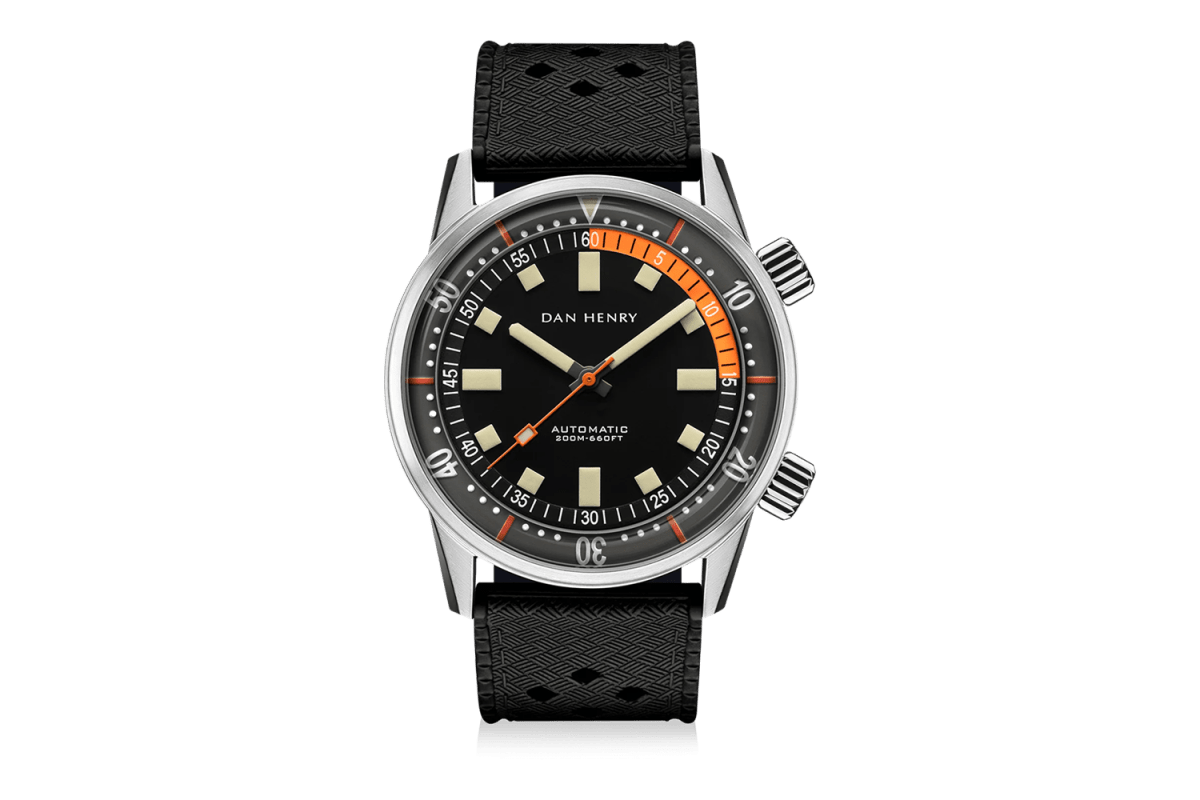
The “super compressor” dive watch — one in which increasing water pressure actually renders the case more water resistant — is one of the most distinctive designs to emerge from the golden age of tool watches, and the Dan Henry 1970 captures its appeal at a remarkably accessible price. (Though not a true super compressor, its format echoes the category’s aesthetics.) Inspired by the dual-crown divers of the late 1960s and early 1970s, it pairs an internal rotating bezel and vintage-inspired styling with the reliability expected of a modern everyday watch. Available in a range of colorful dial options, it delivers plenty of personality without sacrificing practicality, offering 200 meters of water resistance and a dependable automatic movement. For enthusiasts looking to explore one of dive watch history’s most iconic formats without stretching their budget, the Dan Henry 1970 is an easy recommendation.
What to Look for When Buying a Dive Watch
Size: Case diameter isn’t the only indicator of how a watch will wear — the lug-to-lug width, from the top of the top lug to the bottom of the corresponding lower lug, will determine how well the case sits on your wrist. TL;DR: It’s always better to try something on in person before pulling the trigger. And if you want a dive watch to pass muster for post-SCUBA dinner, pick something on the smaller size, probably between 39 and 42mm. (Also pay attention to case thickness, which will determine whether the watch will fit under a cuff.)
Movement Type: Most dive watches these days are either automatic — meaning they’re wound while you wear them — or quartz-powered, meaning they require batteries to run. Batteries need replacing, while automatic movements need servicing every so often, so there’s sort of a trade-off. (There are also hybrid movements, such as Grand Seiko’s Spring Drive, that combine these technologies.) What kind of movement your watch has really does come down to personal choice.
Visibility: You know what you don’t want underwater, while you’re trying your best not to drown? A black dial with black hands and black markers. (It’s a thing these days.) Make sure your watch has a dial with some contrast to it, and that it features sufficient luminescent material. A sparse dial with highly lumed markers and hands, such as those on any watch based upon the Rolex Submariner, is a sure bet, but a digital watch with a button-set illuminator, such as a G-SHOCK, also works.
Water Resistance: Technically, at least according to ISO standards, a true dive watch needs at least 100m of water resistance. In practice, 100m is more than enough, as most recreational divers never venture much beyond 40m anyway. More than that is perfectly great, and less than 100m is generally to be avoided.
Crystal Type: Some sub-$1,000 watches will use mineral crystal, while it’s rare to encounter acrylic crystal on anything that isn’t vintage these days. Mineral will scratch more easily than sapphire, while sapphire is largely unscratchable, but if it does get seriously banged up, it will likely need to be replaced. (The good news is that sapphire crystals are standard on all but the least expensive watches these days.)
Key Terms
Bezel: The ring, often inscribed with numbers 1-60, that surrounds the dial on a dive watch. These days, this ring — which is often made of steel and topped with an aluminum, ceramic, or sapphire glass insert — is unidirectional and can only turn counterclockwise. This is a safety measure: Because the bezel is used to calculate elapsed time, one can thus only overestimate air consumption, bottom time, etc, and thus have to surface from a dive early. (Otherwise, one might think there’s more air left in a tank than there actually is.) The bezel on a dive watch is also called a “count-up” bezel, as the numbers increase from 1-60 in a clockwise direction.
Bracelet: The piece that attaches the watch “head” to your wrist. This could be a metal bracelet, or a strap made of rubber, nylon, leather or another material. (Leather straps shouldn’t be used underwater, however.) Certain watch bracelets, such as the Rolex Oyster used on the contemporary Submariner, have special claps that allow them to expand and fit over a wetsuit.
Crown: The round piece protruding from a watch case — often, though not always, on the right — that is used to set the time, date, and possibly other functions. On certain automatic watches, it can also be used to manually wind the movement. And on dive watches, it generally screws down to prevent water incursion into the watch case.
Crystal: The glass that covers the dial, this piece was made of acrylic for many decades. On certain less expensive watches, it’s made of mineral crystal, but these days, most divers feature a sapphire crystal. (Acrylic scratches easily but is easy to buff out; sapphire is basically scratch-proof. Mineral is somewhere in between.)
Dial: The part of the watch that tells the time, containing the markers and the hands. Also called a watch “face” — though “dial” is the word that’s used within the industry.
Helium Escape Valve: In the 1960s, saturation divers — those living at depth for extended periods of time in order to perform work on, say, oil rigs — found that upon decompression, the helium molecules that had built up inside their watches would pop the crystals off as they expanded. As a result, brands like Rolex and Doxa developed a valve that would allow these molecules to escape without affecting the watch crystal. Certain manufacturers still include this tech on certain watch models, though the use case for them is incredibly tiny.
Lume: A term that encompasses the different types of luminescent material used to make a watch dial glow at night or in murky conditions. In the 1940s and 1950s, this material was still radium — a wildly radioactive compound. It was replaced with tritium in the 1960s, which was much less dangerous to handle. Eventually, in the late 1990s and early 2000s, non-radioactive LumiNova was used. These days, the compound used most frequently is Super-LumiNova, though certain companies have proprietary compounds, and a few even use tritium contained in small glass “microtubes.”
Markers: Also called indices, these are the bits on the dial that indicate numbers 1-12. Sometimes, such as on a Rolex Submariner, they’re round “plots,” while on other watches, they’re Arabic numerals, Roman numerals or a mix of all of the above. On dive watches, they’re almost always coated in luminous material. Markers can be painted or applied physically to the dial.
Movement: The engine that makes the watch run and tell time. This could be mechanical, requiring hand-winding each day or every several days — though dive watches are rarely hand-wound; automatic, in which a small oscillating weight winds the watch while it’s being worn; or quartz, meaning a battery powers a tiny quartz crystal that regulates the timekeeping. (Certain hybrid systems meld these technologies together, but these three are the most common.)
Water Resistance: Most modern dive watches adhere to the ISO 6425 standard and feature at least 100m of water resistance. (Many feature 200m or even 300m of water resistance.) In practice, 100m is plenty, as most recreational divers don’t venture past 40m in depth. Interestingly, many watch companies used to use the term “waterproof,” but this is no longer the case, and no timepiece can fully be considered 100% resistant to water incursion. (At some depth, it will fail.)

More Like This

We're always on the scene eating, drinking and traveling near and far to bring you the best of what's happening out in the real world. Sign up for IRL now.