If you’re looking for a positive trend in the American whiskey world, think of the small-but-expanding number of estate-grown whiskeys. It’s a bit like a farm-to-table concept for brown spirits, or “grain to glass” or field to bottle (as they call it), where everything that goes into your whiskey is sourced from a single estate. It’s a way to give ownership to a distillery and provide transparency to consumers on ingredient sourcing and production methods.
“The [estate] idea has been common in the wine world forever,” explains Adam Polonski, co-founder of the Vermont-based independent bottlers Lost Lantern, which just launched an exceptional Summer 2025 Estate Distillery Collection that features whiskeys from field-to-bottle operations including Frey Ranch (Nevada), Corbin Cash (California), Whiskey Acres (Illinois) and Far North Spirits (Minnesota).
“There have always been places that have had all their own vines and harvest their grapes and make them into wine,” he adds. “But for whiskey, that really hasn’t been a thing in the modern era until now. We think it creates whiskey that reflects a sense of place because everything is made in one spot. It’s also about how the grain is grown and how the whiskey is matured in that particular climate. This all results in whiskeys that are very different from each other but also have a great deal in common philosophically and, in some ways, stylistically.”
“I think you’ll hear more about more estate distilleries in the future,” says Jamie Walter of Whiskey Acres. “We just haven’t had the marketing muscle or the volume to get out there. I think there’s going to be fewer new craft distillers surviving the next five to 10 years. And I think you’re going to hear more about authenticity and transparency. That plays into estate distillers like us perfectly. It doesn’t get more authentic or more transparent than growing all of your own grain and distilling it all yourself. That’s going to resonate.”
According to Polonski, out of the more than 3,000 distilleries in this country, there are maybe 10 “true” estate distilleries growing all of their own grains. But calling yourself an estate distillery doesn’t have to be quite that strict. The Estate Whiskey Alliance (EWA) was established in 2023 by the University of Kentucky to promote the virtues of estate-produced whiskey, and their certification requirements are slightly more modest: Production processes (milling, cooking, distillation, barreling, aging, etc.) must occur on the estate distillery, and at least two-thirds of all mash bill grains must be grown on estate-owned or controlled land.
Heirloom Corn Is Going to Redefine the Bourbon Industry
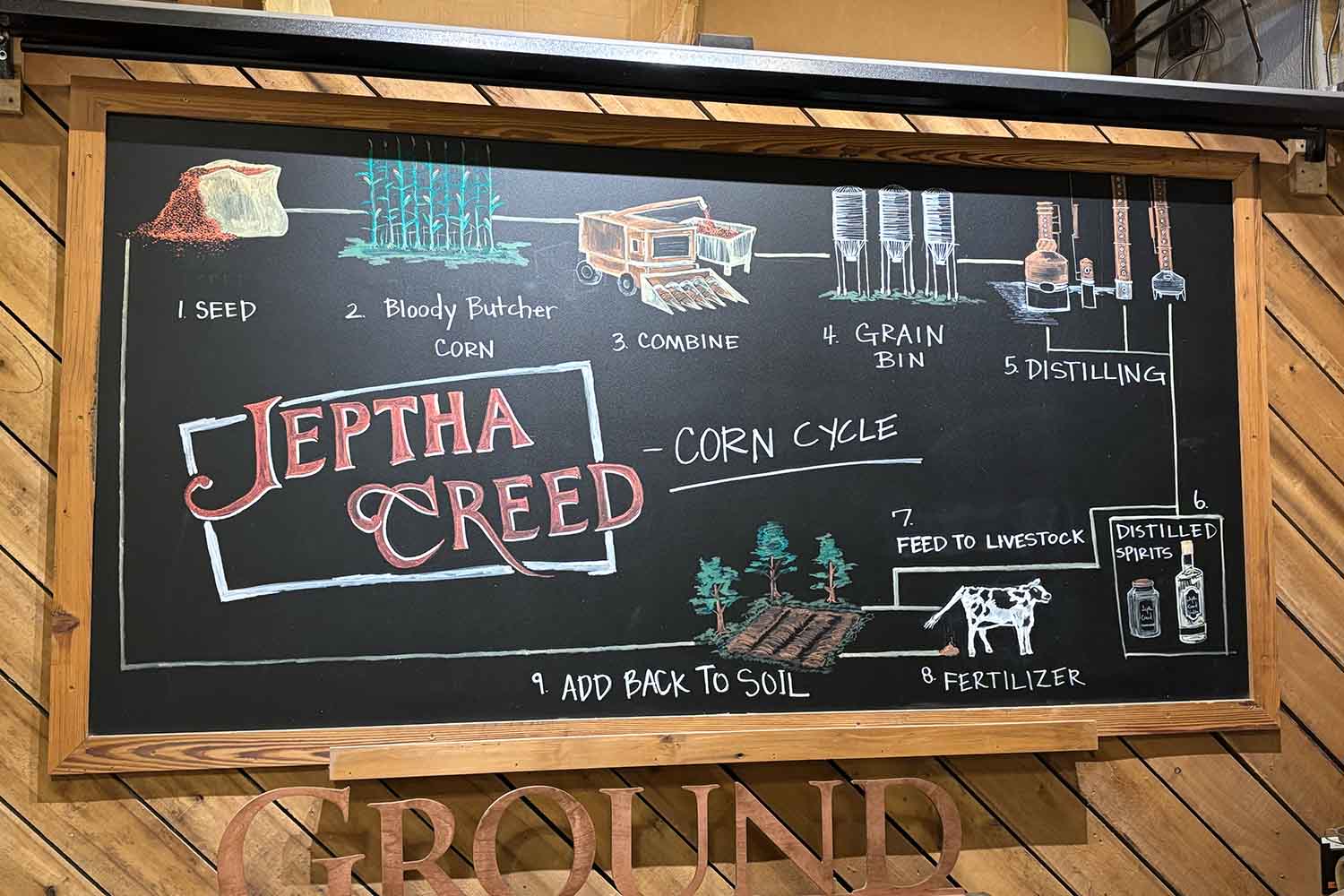
Why whiskey makers are looking to the past to develop more complex flavorsJeptha Creed, based in Shelby County, Kentucky, is a member of the EWA (as are Whiskey Acres, Frey Ranch and larger distilleries like Maker’s Mark and Heaven Hill). A family-run estate headed-up by mother-daughter team Joyce and Autumn Nethery (who are of Scottish descent; you’ll see their family crest on their bottles), Jeptha Creed sources its main ingredient — bloody butcher corn — entirely on its own land: the 64-acre Shelbyville property that’s home to the distillery and 2,000 acres of nearby, family-owned farmland.
“We’re in the EWA, but we don’t have any products with the [certification] sticker quite yet,” says Joyce Nethery, who launched Jephta Creed in 2013 and now serves as the CEO and master distiller. “There’s an approval process, and we plan to get all our bourbons on it.”
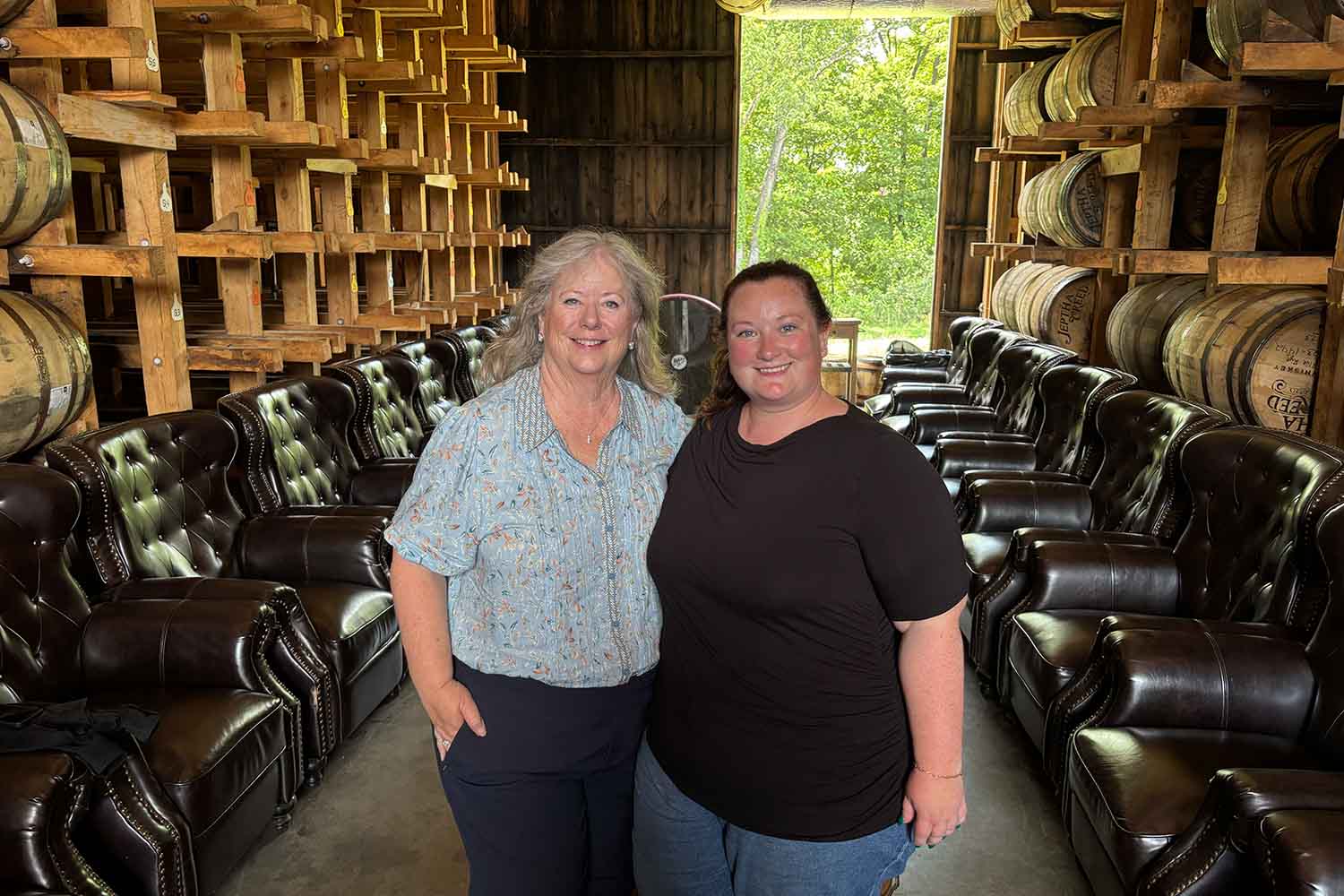
What advantages does being an estate distillery offer them? We spent a day with the Netherys to learn more about them and the burgeoning grain-to-glass movement.
Grains Are the Overlooked Ingredient in Whiskey
You would think the actual grain used in a whiskey would be important, but it’s rarely discussed in the drinks world. “It’s really difficult to talk about grains in whiskey because most distillers use the exact same ones,” Joyce says. “It’s all the same yellow number two corn. That’s what’s commercially available and, admittedly, it’s unrealistic for most distilleries to grow something else. They don’t have the space, and they don’t have the equipment. But there are thousands of varietals of corn, and they all have a different flavor profile.”

For Jeptha Creed, It’s All About the Heirloom Grains
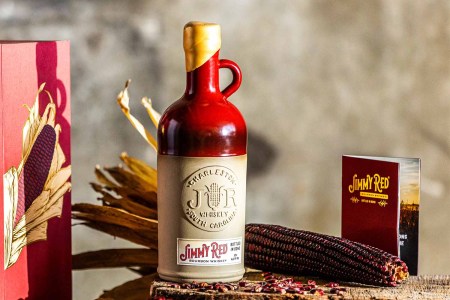
While the majority of the corn Jeptha Creed uses is bloody butcher (more on that in a minute), the distillery/farm grows five heirloom corn varietals. Think of heirloom as the antithesis of commercially available seeds, as these seeds are usually passed down within a family or community for generations.
“This obsession with heirloom started when I wanted a good-tasting tomato, not ones you’d find in a grocery store,” Joyce says. “I planted some heirloom varietals, and they tasted so good! I branched out to other vegetables and found that they truly make a difference. So then I encountered bloody butcher corn, and I saw it was grown by people who were using it to make good cornbread. If it makes good cornbread, I thought it could make good bourbon.”
While you’re not going to eat bloody butcher on its own, it does make for a really nice bourbon profile. “It’s nowhere near as sweet as the corn you’re used to. It’s actually kind of nutty,” Joyce adds.
Heirloom Grains Present Their Own Issues
Growing (almost) everything on your own land to make whiskey offers plenty of advantages, but Jeptha Creed is admittedly limited by what they can grow and a few unexpected factors. “Cross-pollination is an issue, and it can happen over a half mile away,” says Autumn, the brand’s VP of Operations and Joyce’s daughter. “We use trees to form a barrier. And when it’s time to plant, we put seeds through a corn cleaner that separates the seeds from any seeds that were cross-pollinated because they’re a different color.”

If You’re Drinking Jeptha Creed, Start Here
While I slightly preferred Jeptha Creed’s six-year wheated bottle, the consensus is that the distillery’s Red, White & Blue Kentucky Straight Bourbon is the standout expression. “It’s three heirloom corns, and we grow all three,” Joyce says (it also features malted rye and malted barley). “It’s a ground-to-glass concept wrapped up in the red, white and blue, and I love that dual meaning because it’s also patriotic.”
In a Crowded Whiskey Market, Estate Whiskey Stands Out
“We’re such a new brand that we’re still in the growth phase,” Autumn says. “We’re just trying to convince other retailers that we’re actually different. What we’re doing is not replaceable with another brand.”

More Like This

We're always on the scene eating, drinking and traveling near and far to bring you the best of what's happening out in the real world. Sign up for IRL now.