Scotland, Ireland, the United States, Canada, Japan, India and (because my editor will insist) Australia are countries we’d normally associate with whisk(e)y production and excellence. But more recently, we’ve started to see the spirit being crafted in more unexpected places.
That growing list includes Bottega SpA in Italy, Israel’s Milk & Honey Distillery and single malts from Soubeyran (France), which just launched stateside last summer. It also includes a few excellent distilleries in Mexico, New Zealand and England, which had an incredible showing at the most recent Whisky Exchange Awards.
Below, a spotlight on a few up-and-comers in the whisky world that may be worth a sip (or a visit). Note: We’ll be using “whisky” as the spelling from here, although Mexico uses both “whisky” and “whiskey” for its products.

Review: Abasolo Aims to Put Mexican Whisky on the Map
The inspiration behind the corn whisky is both 4,000 years old and quite newLocal Inspiration
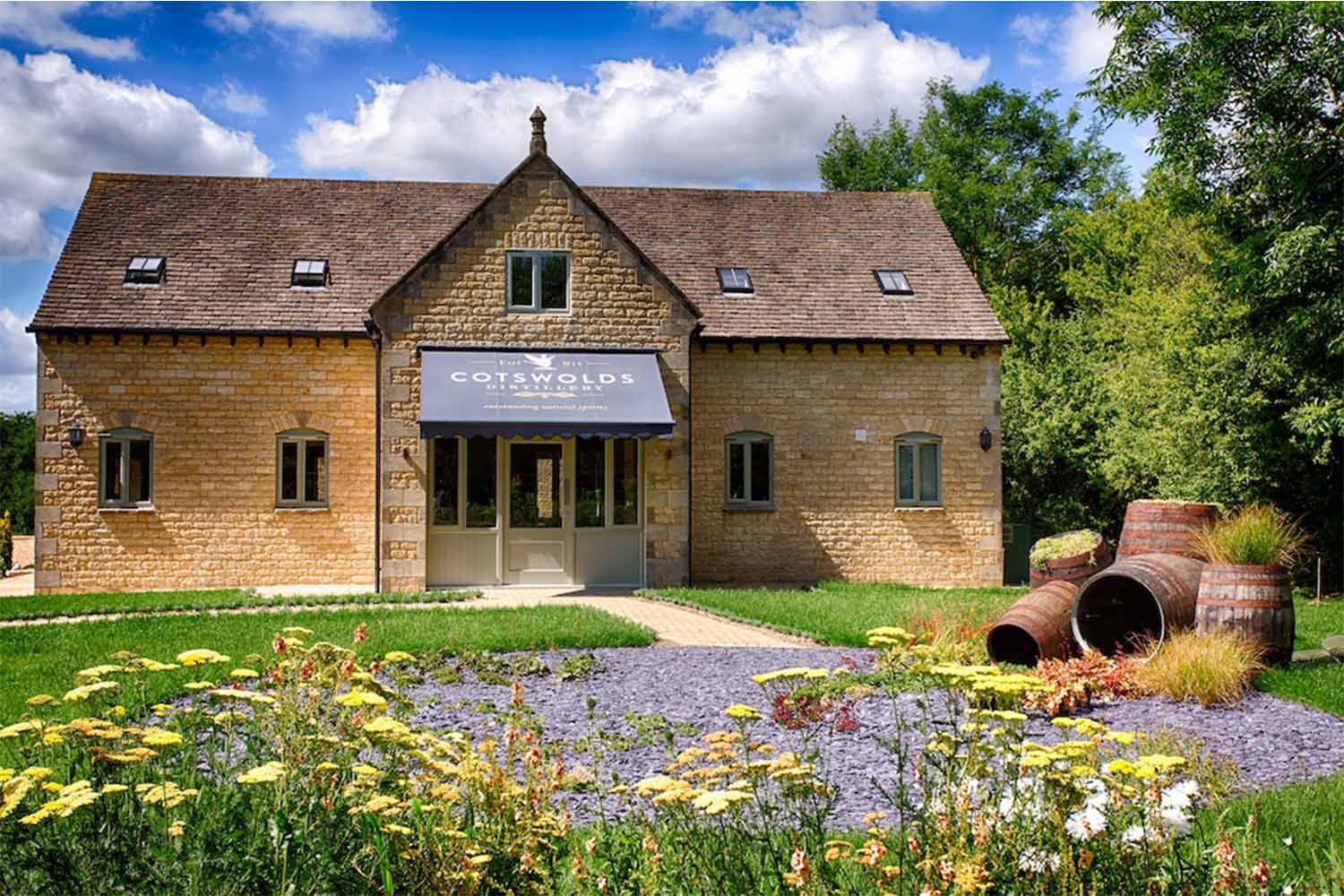
Located in south-central England, Cotswolds Distillery embraces its picturesque countryside setting. “Rather than emulate Scotland or Ireland, the idea was to create an English whisky that celebrates this landscape,” says Lucy Ellis, marketing manager at Cotswolds. The Cotswolds are deeply agricultural, with some of the best malting barley in the world, so building a distillery here felt like a chance to combine traditional craft with the distinct character of our region.”
Desiree Reid, founder of Cardrona Distillery in New Zealand, says it was not just the land’s history that played a significant role in their opening but also the people behind it.
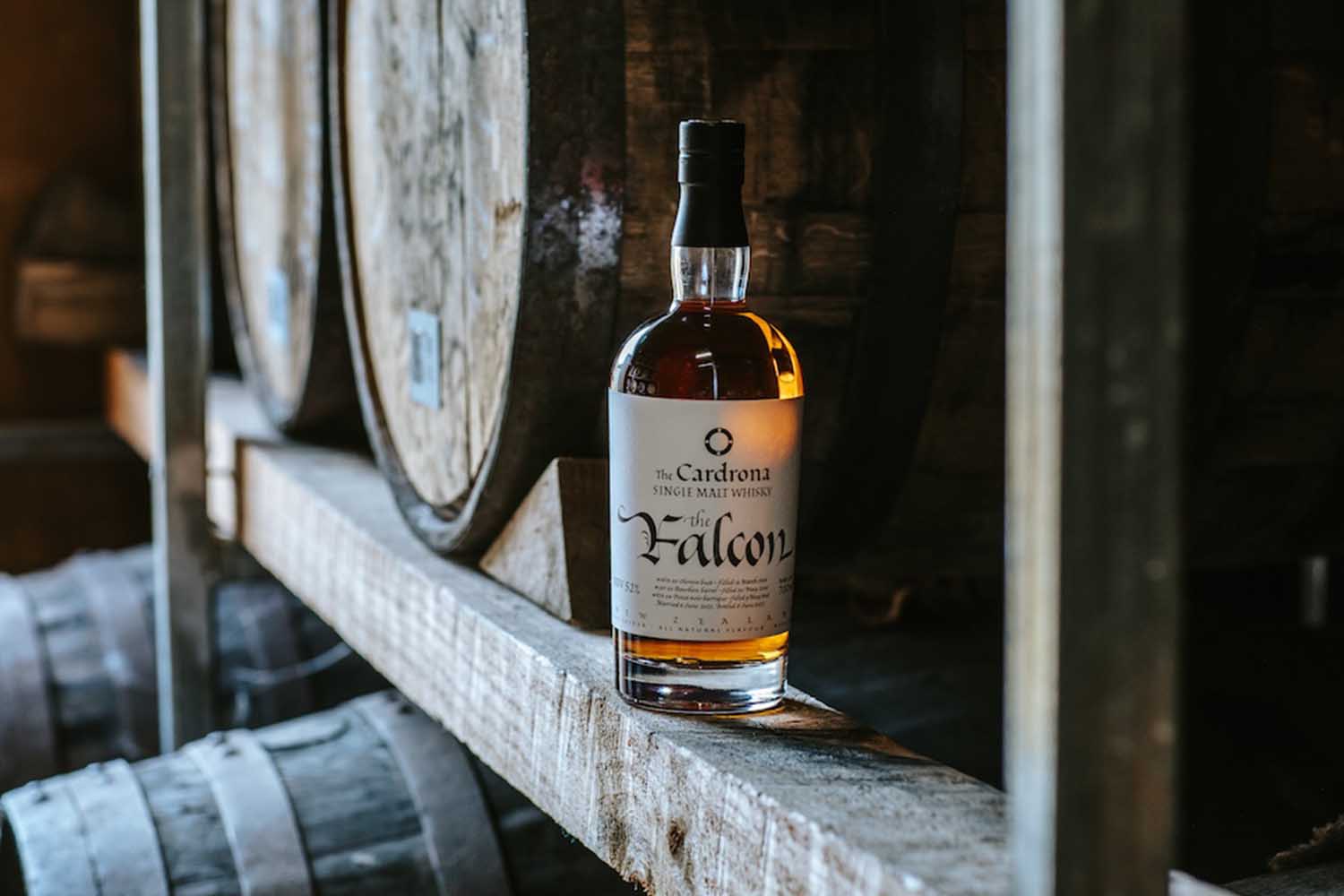
“The Cardrona Valley on New Zealand’s South Island is called out as being the natural home for whisky-making,” Reid says. “Its pristine landscape, snow-fed waterway and extreme weather variations were wonderful for producing and maturing whisky. The people of the valley had a long history of whisky-making, with many stations having a still in years gone by. The whole of the Cardrona community came out in support of building the Cardrona distillery.”
Selene Nestor and her all-female team at Olta Whisky in Michoacán, Mexico, sought to produce something unique and built with intention.
“I wanted to create a Mexican whisky that honors where I come from while standing proudly in the world of premium spirits,” Nestor says. “I wanted to make something that was very Mexican but also something that is not tequila or mezcal. I am very proud of the spirits that opened the door for me to be able to do this. But I also wanted to make something that was very different? and painted Mexico in a very different light.”
The Methods Behind These Whiskies
These countries may be producing their own types of whiskies, but one aspect remains the same for all: the commitment to stay local. Cotswolds sources 100% locally-grown barley from nearby farms in England to create its whisky, using a traditional floor malting process and distilling slowly in copper pot stills. The flavor profile is more fruit-forward and less sweet and also influenced by a variety of barrels.
“We mature our spirit in a considered mix of casks, from first-fill bourbon barrels to STR red wine casks,” Ellis says. “Everything is done on-site in small batches, with an emphasis on hands-on distilling, proper fermentation times and careful cask management.”
In New Zealand, Cardrona Distillery uses traditional Scottish methods for whisky-making but also utilizes the area’s bounty, including a mash bill of malted barley grown locally and water drawn from the Cardrona Valley.
“Our fermentation practice favors the development of esters, and our slow distillation rate and shape of our copper pots complement the capture of a floral, honeyed and fruit-focused new make spirit,” says Sarah Elsom, master distiller of Cardrona Distillery. “The recipe is simple, however the nuances of process and place create something that is uniquely Cardrona.”
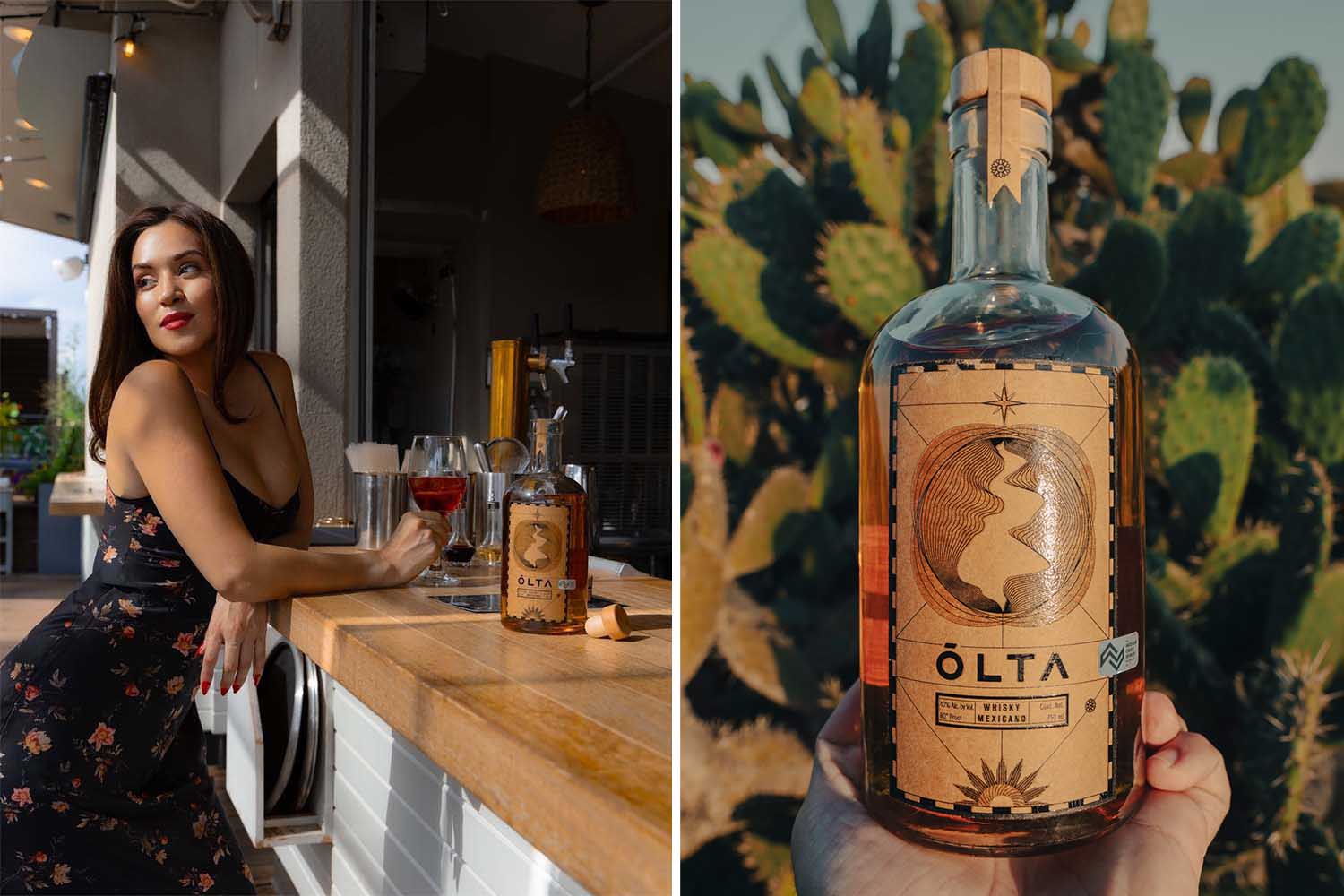
Olta Whisky is made with a mash bill of 80% corn and 20% malted barley, both locally grown, and aged in añejo tequila barrels, with vanilla and floral notes that are simple and approachable. However, it’s the distillery team that Nestor takes most pride in.
“We have an all-female production team that was a very important part of making this product,” Nestor says. “The women we work with carry generational knowledge that comes from real traditions of making spirit products.”
How the Local Climates Shape These Spirits
While the Cotswolds region’s fluctuating temperatures cause whisky to mature faster, that doesn’t mean it negatively affects the finished product. “The goal isn’t speed but character,” Ellis says. “The English climate gives us bolder extraction and richer notes, but we balance that with cask selection and careful monitoring. Our whisky carries a depth and intensity that’s recognizably different from whiskies matured further north.”
The Cardrona Distillery is situated 530 meters above sea level at the base of the Southern Alps where it experiences low humidity year-round but more pronounced seasonal temperature swings, bringing extreme weather that the team has adapted to. “Our fermentation tanks are not insulated nor temperature controlled, so we adjust process parameters to manage fermentation temperature peaks and yeast viability throughout the year,” Elsom says. “We have learned to expect changes in our water constitution as spring snow melt makes its way to the Valley floor.”
Contrary to popular belief, Mexico’s climate is highly diverse. Many think of the year-round tropical weather with hot temperatures and high humidity in places like Cancún and Cozumel. But the mountainous areas are much cooler and lend to proper whisky-making conditions.
“We make our whisky in Michoacán, Mexico, at 7,000 feet of elevation,” Nestor says. “The climate is cold, mountainous, and becauase it’s a volcanic area, the natural water helps give the corn a very complex flavor.”
The Challenges of Breaking Into the Whisky World
New whisky makers and producers entering the spirits industry definitely face obstacles. But not all challenges are bad — and these brands see it as an opportunity for growth.
“We’re building a category that is still young, and with that comes the task of carving out a clear identity for English whisky internationally,” Ellis says. “Unlike regions with centuries of whisky-making infrastructure, every aspect of production — from training to supply chain — must be built intentionally. But these challenges are exactly what make English whisky exciting. They allow us to innovate, define our own rules and champion a new chapter of whisky-making rooted in the Cotswolds.”

Nestor agrees that Olta’s biggest challenge right now is not only showcasing what Mexico has to offer in the market but also educating consumers on what the brand offers specifically.
“It is a very male-dominated industry, and it’s important we are educating people on what we’re doing and how we’re doing it,” Nestor says. “Our recipe is very traditional in the way of making whisky, but we’re doing it very differently, and you can tell it’s made by women. Our spirit is not aggressive but rather very friendly for those who want to be introduced to drinking whisky.”
For the Cardrona Distillery, operating in a remote location poses challenges for forecasting customer demand. Staying ahead of the ever-changing market, dealing with high freight costs and trying to entice die-hard Scotch-lovers to try something new from an entirely different country are no easy feats. But they remain excited and hopeful.
“New Zealand whisky producers are out there, breaking through predetermined opinions on New World whisky,” Elsom says. “Challenge or opportunity, the conversation is happening.”

More Like This


This article appeared in an InsideHook newsletter. Sign up for free to get more on travel, wellness, style, drinking, and culture..