
To celebrate the incredible drinking cultures of Asia, we dove deep into eight different countries to get to know a little more about what’s in their glasses and how it got there in the first place. Click here to see them all.
I’ve had the pleasure of visiting Japan twice in the recent past, and it’s quickly become one of my favorite places in the world. Everyone is organized and polite, there are bidets everywhere, the food is outstanding and, maybe best of all, Japanese people love to drink. From Tokyo’s neon-lit karaoke rooms and elegant cocktail bars to the buzzing izakayas of Osaka, the drinking culture of Japan is woven into daily life, seasonal festivals and centuries-old traditions.
Much of Japan’s allure comes from its meticulous approach to craft, and the same can be said about its beverage industry. From sake and shōchū to whisky aged in rare Mizunara oak barrels, each beverage tells a story, connecting the drinker to regional ingredients, historical practices and the social rituals that bring them to life. While this certainly isn’t an exhaustive guide, here is a look into the drinking culture of Japan and what makes it such a special place to imbibe.

Iconic Beverages That Define the Culture
Sake
Originally brewed in temples and shrines, sake has long been considered a sacred gift from the gods. Historically, it was used in purification rituals and offerings to deities, and some believed it could help them transcend the mortal realm and commune with spirits. It’s so important in Japan that it’s earned a place on UNESCO’s Intangible Cultural Heritage list.
Brewed rather than distilled, sake is made from rice, water, koji and yeast. The rice is first polished to remove its outer layer; in many instances, the more the grains are polished, the higher the sake quality. Sake can be found everywhere in Japan, from high-end restaurants to casual izakayas. Even convenience stores have solid takeaway options.
There are five main types of sake:
- Junmai: Pure rice sake with no added alcohol. Rich, full-bodied and slightly earthy, it often pairs well with food.
- Honjozo: A small amount of distilled alcohol is added to lighten the flavor and aroma. Smooth and easy to drink.
- Ginjo: Premium sake with highly polished rice and fruity, floral notes. Light, elegant and usually served chilled.
- Daiginjo: Top-tier sake with very polished rice, delicate flavors and refined aromas. Very aromatic and often considered a luxury drink.
- Nigori: Cloudy sake that’s coarsely filtered, leaving rice solids in the bottle. It’s sweet, creamy and rich.
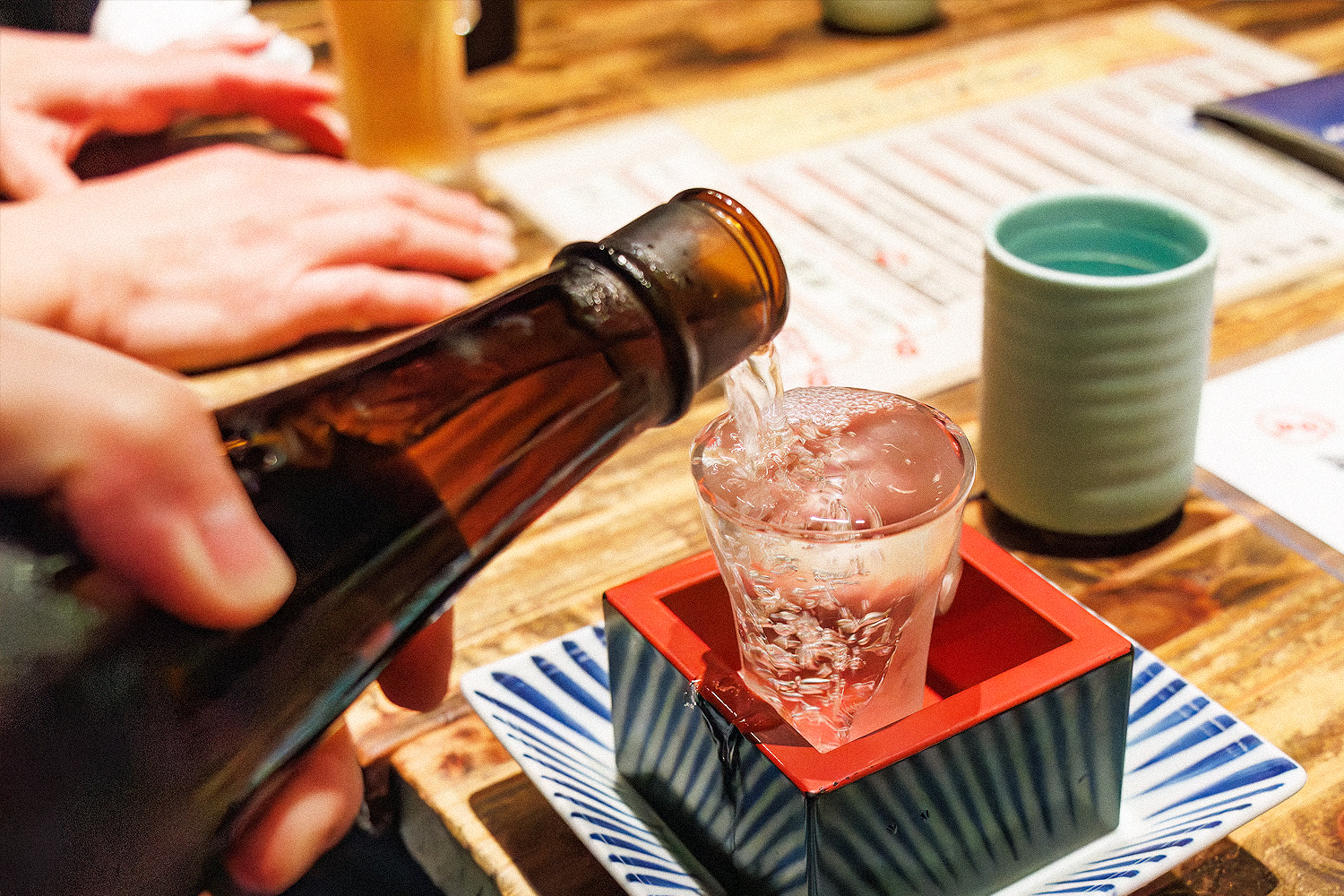
Shochu
Shochu is Japan’s native spirit, typically single-distilled from starch. It can actually be made from more than 50 different agricultural ingredients, including sweet potatoes, rice, barley, sesame and kokuto sugar. Just like sake, it’s also fermented with koji, which not only converts starches into fermentable sugars but also adds umami, aroma and complexity to the spirit. It’s an extremely popular beverage in its native country.
“In Japan, shochu is the most consumed alcoholic drink except for beer, volume-wise,” says Hiro Yamamoto, the general manager of iichiko Shochu. “For example, whisky (including Scotch and everything else) is consumed 19 million cases a year. Sake is 45 million cases. Shochu is 79 million cases.”
And while I’ve certainly taken shots of shochu or sipped it on the rocks during nights out in Japan, most people dilute it with other liquids. “The shochu highball, or chūhai, mixes shochu with soda and lemon and is the most popular way to drink shochu in Japan,” Yamamoto says. “We also mix it with oolong tea from China.”
Japanese Whisky
The formal definition of Japanese whisky is actually a new one, created by the Japan Spirits & Liqueurs Makers Association (JSLMA) in early 2021. It must be fermented, distilled, matured for at least three years and bottled entirely in Japan, using Japanese water and malted grains. The first Japanese whisky makers, notably Masataka Taketsuru (Nikka) and Shinjiro Torii (Yamazaki), drew from their Scottish whisky training and experience.
Just like how all the really good Italian olive oil stays in Italy, Japanese whisky is so heavily in demand abroad because most of the best stuff is consumed in Japan. While higher-end bottles are sipped neat or on the rocks, most Japanese people drink whisky in a highball with soda water and lemon, which became hugely popular after Suntory pushed the drink in the mid-2000s.
Beer
Beer is the most widely-consumed alcoholic beverage in Japan, and it’s a central part of the country’s drinking culture, deeply woven into everyday social rituals, post-work gatherings, year-end parties (bonenkai) and cherry blossom viewing (hanami). Although the big five breweries — Asahi, Kirin, Sapporo, Suntory and Okinawa-based Orion — are still the most prevalent, craft beer is widely available across the country, from taprooms to convenience stores.
Highball
As mentioned in both the shochu and Japanese whisky sections above, the highball is one of the simplest and most beloved cocktails in Japan. Not only are they enjoyed in food and drink establishments like izakayas, but pre-mixed highballs are available in cans everywhere, from convenience stores to roadside vending machines.

Plus, the Homemade Thing
In Japan, home brewing and distilling are generally illegal, but making umeshu — an ume plum liqueur — is an exception, creating a kind of cultural loophole that keeps this homemade tradition alive. Ume hails from China and made its way to Japan about 2,000 years ago, long before umeshu became a recognized drink. The first-known written umeshu recipe appears in the Honchō-shokkan, a culinary text published in 1697 during the Edo period, suggesting that the drink was once a luxury enjoyed by the wealthy because sugar was rare and expensive.
Unripe ume plums are harvested in early summer, and that’s when Japanese households traditionally start their annual umeshu batches. The whole fruits are washed, pricked and sealed in jars with layers of rock sugar (crystallized sugar in large chunks that dissolves slowly, gradually sweetening the liquid) and shōchū or a neutral white spirit. During the course of several months, the plums slowly infuse the alcohol, releasing their tart, aromatic flavor and amber color.

Yearly Events Around Drinking
Hanami: Picnics under the cherry blossoms are one of Japan’s most iconic springtime traditions, and drinking is central to the experience. Groups bring sake, beer or chūhai to enjoy outdoors while celebrating this fleeting season, which at its peak only lasts a few days.
Summer Festivals (Natsu Matsuri): Vendor stalls sell beer, chūhai and highballs alongside street food, and drinking is woven into other activities like fireworks, dancing and parades.
Sake Festivals (Sake Matsuri): In regions like Hiroshima, large festivals celebrate local sake breweries with tasting opportunities for attendees.
Bonenkai: Year-end “forget-the-year” parties are a staple of Japanese work and social life. Friends and coworkers gather to drink — often heavily — and symbolically wash away the past year’s troubles.
Shinnenkai: New Year’s “welcome-the-year” parties take the opposite approach, bringing groups together to start fresh. Drinks flow freely as friends and family toast new beginnings.
Amazake at New Year shrines: During New Year temple visits, visitors often sip amazake, a sweet, low-alcohol rice drink. Warming in the winter cold, it adds a festive note to the spiritual ritual.

Drinking Snacks
Eating and drinking go pretty hand-in-hand in Japan — many izakayas even require a minimum order of one food item per person. And like in many other places around the world, salty drinking snacks reign supreme.
“Koji is used to make shochu [and sake],” Yamamoto says. “So whatever is made with koji, I think it goes very well with shochu. For example, you can make a miso dip and eat it with vegetables. Japanese pickles are made with koji, and those are a really popular drinking snack.”
Kenta Goto, the owner of Bar Goto and Bar Goto Niban in NYC, agrees. “The list could go on endlessly, but pickled vegetables and dried seafood are definitely some of my favorites,” he says. “And they really showcase regionality, too, with different styles from different areas of Japan.”
Dried seafood is a super popular drinking snack throughout the country, including saki ika (spicy shredded squid), eihire (smoked skate fin) and iwashi (anchovies). It’s also not uncommon to see bowls of edamame or fried chicken on a table with beers and highballs. And, of course, Japanese konbini are excellent places to pick up drinking snacks. “Convenience stores such as 7-Eleven, Lawson and FamilyMart have items like smoked beef tongue, onigiri, fried chicken and croquettes,” Goto says. “They are all delicious.”
Iconic Drinking Establishments
Bar Benfiddich was the first place that came to mind when I asked Yamamoto about the most iconic bars in Japan, and I couldn’t agree more. Settle into one of the plush bar seats and watch the team work their magic behind the stick. They turn seasonal produce and homemade liqueurs into some of the best and most thoughtful cocktails you’ll ever have.
Yamamoto says (and most people would agree) that this Tokyo spot also deserves a place on the icons list, as founder Hidetsugu Ueno is famous for his ice-carving skills and Japanese bartending techniques.
You can’t talk about iconic Japanese bars without mentioning the New York Bar at Park Hyatt Tokyo, which was made famous by Bill Murray and Scarlett Johansson in Lost In Translation. Perched on the 52nd floor of the hotel, the bar offers stunning views of the city, live jazz music, excellent drinks and great service. (Note that Park Hyatt Tokyo is closed for renovations until fall 2025.)
Rules for Drinking Like a Japanese Person
1. Respect the pour: “If someone tries to pour you something (sake, beer, etc.), you are expected to lift your glass with both hands until they finish pouring,” Goto says. “It’d be a plus if you find a moment to pour for them in return.”
2. Wait for kanpai: In the United States, we often wait to taste our drinks until we’ve had a proper cheers. But in Japa, it’s more of a rule — wait until everyone at the table has a drink and glasses are raised before having a sip.
3. First round, one drink: At izakayas and bars, it’s common for everyone to order the same drink for the first round. While not totally necessary, it keeps things simple, ensures no one is waiting and makes that first kanpai land in unison.

Lemon Chuhai
“Lemon Chuhai is shochu mixed with club soda and a touch of lemon juice,” Goto says. “It’s super simple and easy to make. While it’s totally okay to free-pour, it becomes really delicious if you pay attention to a few things and precisely measure each ingredient. Leave the shochu and soda in the refrigerator overnight so they are cold and won’t melt the ice too quickly as you build the drink.”
1.75 oz. Iichiko Silhouette Barley Shochu
3.75 oz. club soda
.5 tsp. lemon juice
Lemon twist, for garnish (optional)
Fill a Collins glass with ice cubes. Add the cold shochu, soda and lemon juice as the last ingredient. Gently stir and garnish with a lemon twist, if desired.
Meet your guide

More Like This

Every Thursday, our resident experts see to it that you’re up to date on the latest from the world of drinks. Trend reports, bottle reviews, cocktail recipes and more. Sign up for THE SPILL now.