The more scientists research how we sleep, the more they discover how important sleeping is to our overall health and wellbeing. But those aren’t the only sleep-related discoveries scientists are making. The latest high-profile finding is less about the benefits of sleep and more connected to how the brain behaves during sleep, something that could have wider implications for our understanding of the human body.
In the paper, published in the journal PLOS Biology, its authors discuss a medical procedure called hemispherotomy. This is used in situations when a patient has refractory epilepsy, a form of epilepsy that does not respond to medication. The paper’s authors describe this procedure as involving “disconnecting a significant portion of the cortex, potentially encompassing an entire hemisphere, from its cortical and subcortical connections.”
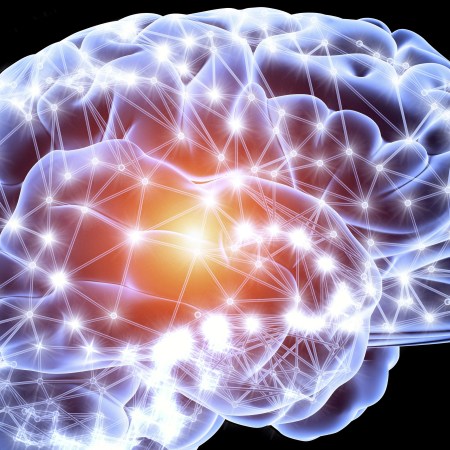
When the researchers studied the part of the cortex they had disconnected, they found it was in a state resembling slumber, despite the subjects being awake. “[T]he isolated cortex was consistent with deep NREM sleep,” they wrote. As Rachel Fieldhouse explained in an article for Nature, this raises larger questions about the nature of consciousness and memory.

Review: Can This Ingenious Device Replace Traditional Sleep Aids?
Lunette combines scent, vibration and breathwork to promote deeper sleep. It’s also the first sleep aid that’s worked for me.As Marcello Massimini, one of the paper’s authors, explained to Nature, the implications of these findings go beyond how doctors might respond to epilepsy. Massimini noted that similar brain wave patterns to what he and his colleagues observed have also been detected in patients who have experienced “a stroke or traumatic brain injury,” as Fieldhouse reports. As is the case with many findings of this nature, the discovery itself is one thing, but the real breakthrough may come from how future scientists can build on these results.

More Like This


Twice a week, you'll find guinea pig features, personal essays and expert interviews on living better — for however long you’re here. Subscribe to Champ now.