Last August, the Director-General of the World Health Organization raised the alarm over the presence of mpox in the Democratic Republic of the Congo and elsewhere. “On top of outbreaks of other mpox clades in DRC and other countries in Africa, it’s clear that a coordinated international response is needed to stop these outbreaks and save lives,” Dr. Tedros Adhanom Ghebreyesus announced in a statement.
The WHO’s declaration of a public health emergency of international concern also included warnings about not repeating the circumstances that led to mpox spreading globally in 2022. One year later, this raises a big question: how are the WHO and various governmental bodies doing as far as stopping the spread of mpox?
According to a recent report from NPR, the situation on the ground in and around the DRC is a long way from being reassuring. Gabrielle Emanuel reported that mpox “has spread rapidly across borders in Africa” over the last year. Alarmingly, NPR also notes that some countries are seeing their first recorded cases of mpox.
NPR reports that at least 600 people have died from mpox in the last year, due in part to multiple strains of the virus spreading across the continent. Another issue, Emanuel writes, is the U.S. cutting foreign aid; previously, money allocated by the U.S. was used in efforts to curb the spread of mpox.
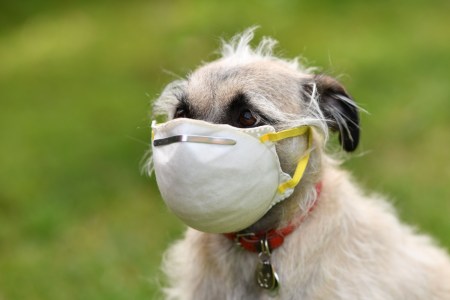
Keeping Animals Healthy Can Keep Humans Disease-Free
Pandemic prevention can involve keeping an eye on animalsOne of the issues cited by NPR’s reporting is a shortage of vaccines across affected countries. This was an issue that some experts foresaw; in the wake of the WHO’s 2024 declaration, Doctors Without Borders reiterated the importance of approving and distributing vaccines.
“The extremely limited availability of mpox vaccines in DRC has already drastically reduced the reach of the national strategic plan for vaccination against mpox. This means that without improved access to vaccines, thousands of people may be left unprotected,” said Dr. Justin B. Eyong, the organization’s Intersectional Epidemiological Coordinator for the DRC, said at the time. NPR’s reporting does note that the vaccine has been approved by a growing number of countries — which may be grounds for optimism moving forward.

More Like This

Twice a week, you'll find guinea pig features, personal essays and expert interviews on living better — for however long you’re here. Subscribe to Champ now.