Peanut allergies are very common in the modern world. According to the American Academy of Allergy, Asthma & Immunology, between one and two percent of the U.S. population is allergic to peanuts. If you aren’t allergic yourself, it’s very likely that you know someone who is. Given that peanut allergies can be life-threatening, this also poses a substantial health risk around the world.
In 2015, The New England Journal of Medicine published a study on the effectiveness of giving small children small doses of peanuts to build up their resistance to potential allergies. That study’s authors concluded that “[t]he early introduction of peanuts significantly decreased the frequency of the development of peanut allergy among children at high risk for this allergy.”
Speaking to NPR that same year, food allergy expert Scott Sicherer called the results “a landmark study.” And now, a decade later, another study has demonstrated just how effective the approach of giving kids small amounts of peanuts early in life can be. This week, the journal Pediatrics published a paper titled “Guidelines for Early Food Introduction and Patterns of Food Allergy,” which explores whether the 2015 paper’s findings have had any impact in reducing peanut allergies.
According to these scientists’ findings, the idea of acclimatizing kids to peanuts early in life has indeed had a positive effect on decreasing related allergies. “We detected decreased rates of peanut or any [Immunoglobulin E (IgE)-mediated food allergy] in the period following the publication of early introduction guidelines and addendum guidelines,” the paper’s authors wrote.
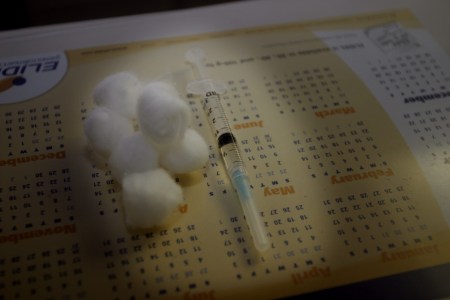
The FDA Just Approved a Drug That Could Make Food Allergies Less Severe
Testing of the drug, Xolair, is continuingA related article in Pediatrics provides more details about these findings, including the fact that the researchers found “a 27.2% reduction in the cumulative incidence of peanut allergy among children in the post–initial guidelines cohort vs the preguidelines cohort.” It’s a welcome signal that, at least in some cases, parents and healthcare professionals are taking the advice of this 2015 paper seriously.

More Like This

Twice a week, you'll find proven advice and tips, expert interviews, deeply reported features and personal essays on living better — for however long you’re here. Subscribe to Champ now.