In the last decade, there’s been an increasing openness both culturally and medically about the therapeutic uses of psychedelic drugs to address mental health issues. Psychedelics have been used by everyone from professional athletes to people experiencing PTSD; recently, journalist Robert Draper chronicled his experiences with ibogaine for The New York Times Magazine. Getting different psychedelics can require very different methods of farming. But…what if it didn’t?
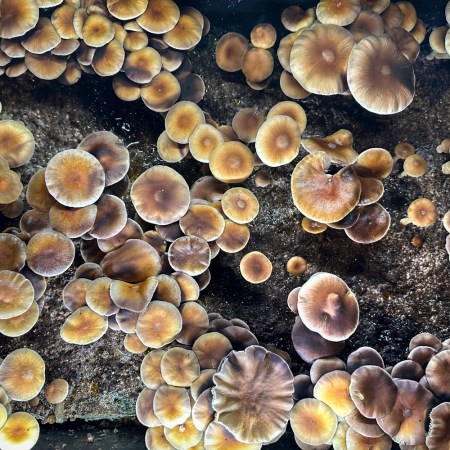
That’s the question at the center of a paper published this month in Science Advances. The researchers behind this paper sought to combine five distinct psychedelics with different points of origin — “psilocin and psilocybin found in mushrooms, DMT from plants and bufotenin and 5-methoxy-DMT secreted by the Sonoran Desert toad” — and grow them all in the same place. In plant form, no less.
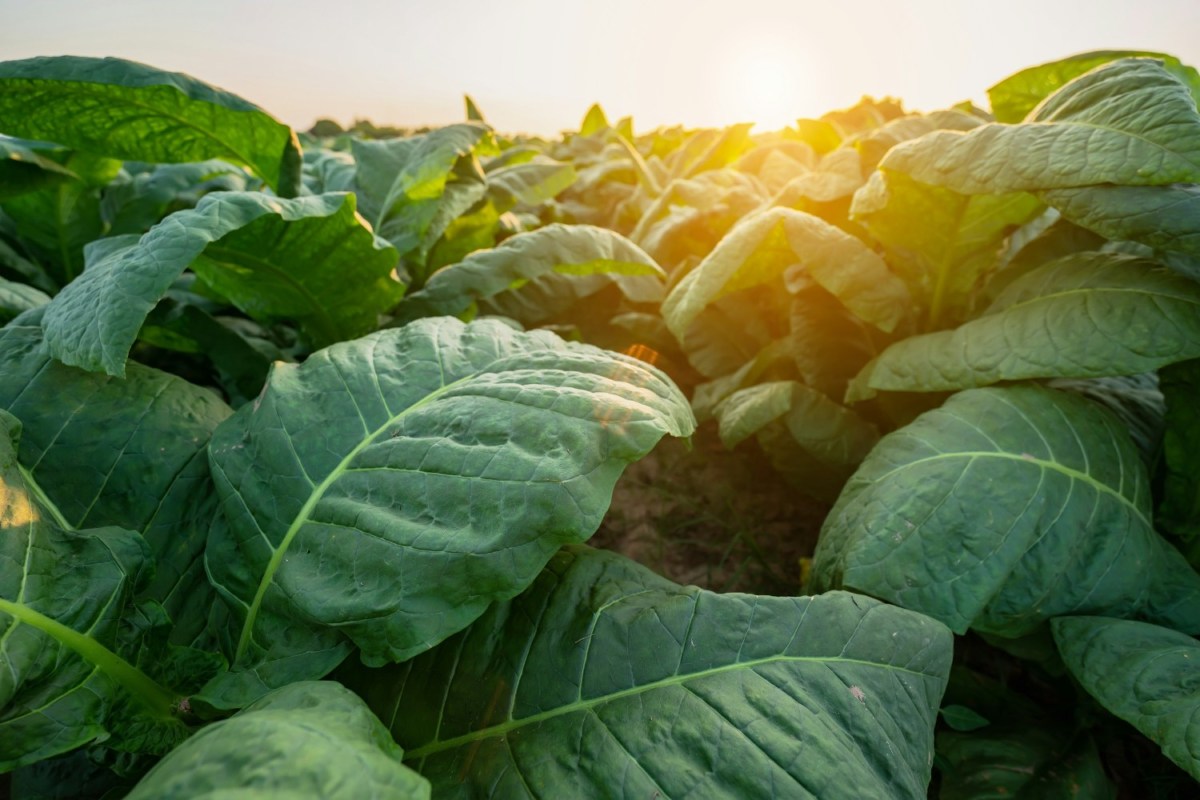
The researchers did this by genetically engineering tobacco plants to produce all five psychedelics. Or, as they phrased it, “the complete in planta reconstruction of five natural psychedelic indolethylamines.” In doing so, the researchers discovered previously-unknown properties of one variety of DMT, including gaining insights into what its ecological function might be.
New Research Expands Our Understanding of Psychedelics’ Effect on PTSD
Some challenges remain, howeverAs the researchers pointed out in their paper, this variety of production could represent “a cruelty-free, ecological alternative to harvesting indolethylamines from vulnerable sources.” As one the paper’s authors, Paula Berman, told 404 Media, one of the goals of this research was determining a way to produce psychedelics for medical use, freeing up the natural sources for use in traditional medicine.

More Like This


Twice a week, you'll find proven advice and tips, expert interviews, deeply reported features and personal essays on living better — for however long you’re here. Subscribe to Champ now.