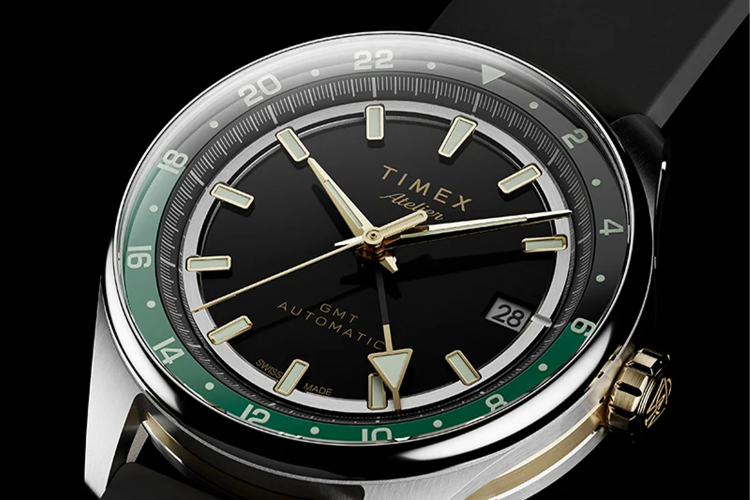
We are currently living through a technological era where it is possible to get abundant data about our physical activity, our blood pressure and much more through a small device (or devices) that we carry on our bodies seamlessly. In a recent review of Oura’s latest smart ring at Gizmodo, Claire Maldarelli wrote that “of all the options currently out there to track my health — smartwatches, straps, etc. — a smart ring is by far superior.”
But there’s another aspect to Maldarelli’s piece: questions about what someone needs to do with all of this information when they have it. Maldarelli described having a substantial amount of data about how she was sleeping, but adds, “I am not sure if I actually became a better sleeper because of it.” She isn’t the only one experiencing some skepticism about the amount of information devices can obtain.
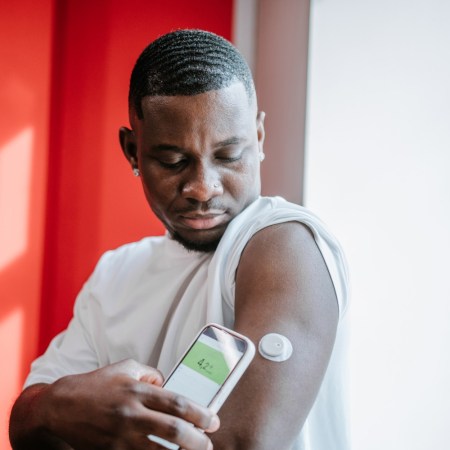
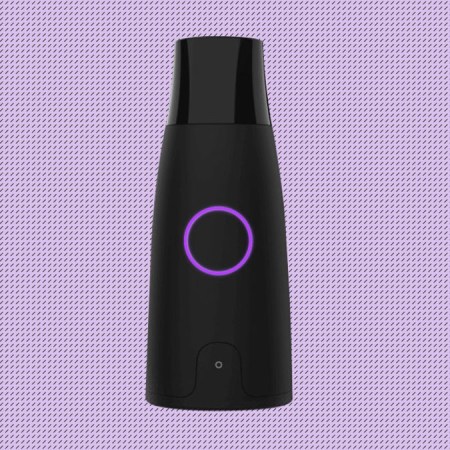
In a candid article for The Verge, Victoria Song explored another aspect of wearable technology: continuous glucose monitors. Song observed that these devices can be vitally important for people living with diabetes. However, her experience with a CGM has left her questioning how important they are to health-conscious people who don’t depend on them for vital health-related information.
“[U]sing CGMs this past year nearly wrecked my relationship with food,” Song writes. She describes avoiding food she enjoyed to pursue better glucose scores in her apps, something that adversely affected her mood. Ironically, knowing more about her glucose levels did not boost her metabolism — something that caused her to realize that “optimizing my metabolism isn’t something I can just do with a gadget.”
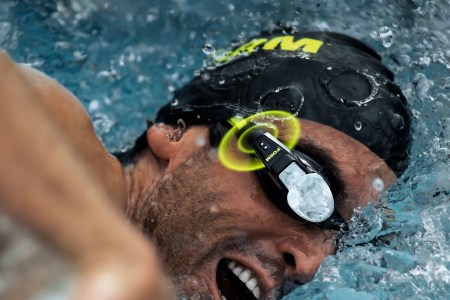
Can Your Goggles Improve Your Swimming Technique?
Form’s HeadCoach 2.0 software aims to do exactly thatSong’s conclusions echo an observation made by Women’s Health fitness editor Cori Ritchey earlier this year. “While my old wearables would dictate how I should be feeling, they ultimately never delivered any insights as to how to handle it,” Ritchey wrote, arguing that focusing too much on data in various apps was causing her to ignore how her body actually felt — which was unhealthy in the long run. Between this and privacy advocates raising alarms over these devices’ data collection processes, are we about to see a broader shift in how wearables are percieved?

More Like This


Twice a week, you'll find guinea pig features, personal essays and expert interviews on living better — for however long you’re here. Subscribe to Champ now.