Beer, pasta and cupcakes are being made across the world without gluten, and they don’t suck. Not only do they not suck, in some cases (surprise) they’re better than the O.G. version. Fighting words to be sure, but in some ways, it shouldn’t come as a complete shock.
In the 1940s, gluten was identified as the trigger for celiac disease, and in the decades since, more and more people have realized that even if they didn’t have celiac, they might be slightly or significantly gluten intolerant. Cue the rise of gluten-free diets and products in the 1990s and early aughts, with many a terrible gluten-free muffin, cupcake and bowl of pasta consumed along the way.
Today, around one-third of Americans either try to reduce or eliminate gluten completely. Thankfully, an army of gluten-free gourmands have found a way to create surprisingly tasty drinks and meals that don’t contain gluten, and that includes beer.
Even brewers who are singularly devoted to gluten themselves are tinkering with both gluten-free and gluten-reduced blends, partially as a creative challenge but also in acknowledgement of the market. Currently, the gluten-reduced and gluten-free market is around $662.4 million, and is forecasted to register an annual growth rate of 12.6% through 2034. (Beer sales overall are decreasing. Last year, they were down 3.3%.)
The Motivation for Gluten-Free Beer Innovation
Necessity is the mother of invention, and many of the brewers crafting gluten-free beer have moved into the space because of a deep personal need. “I was on a long health journey before I realized I couldn’t have gluten in my diet,” says Samara Oster, founder of the gluten-free beer Meli. “I had all of these unexplained inflammatory issues and skin problems that Western medicine wasn’t solving. I went to an acupuncturist, who sent me to a nutritionist. I started becoming a lot more aware of gluten, sugar and alcohol, and when I eliminated or seriously reduced my intake, my body was transformed.”
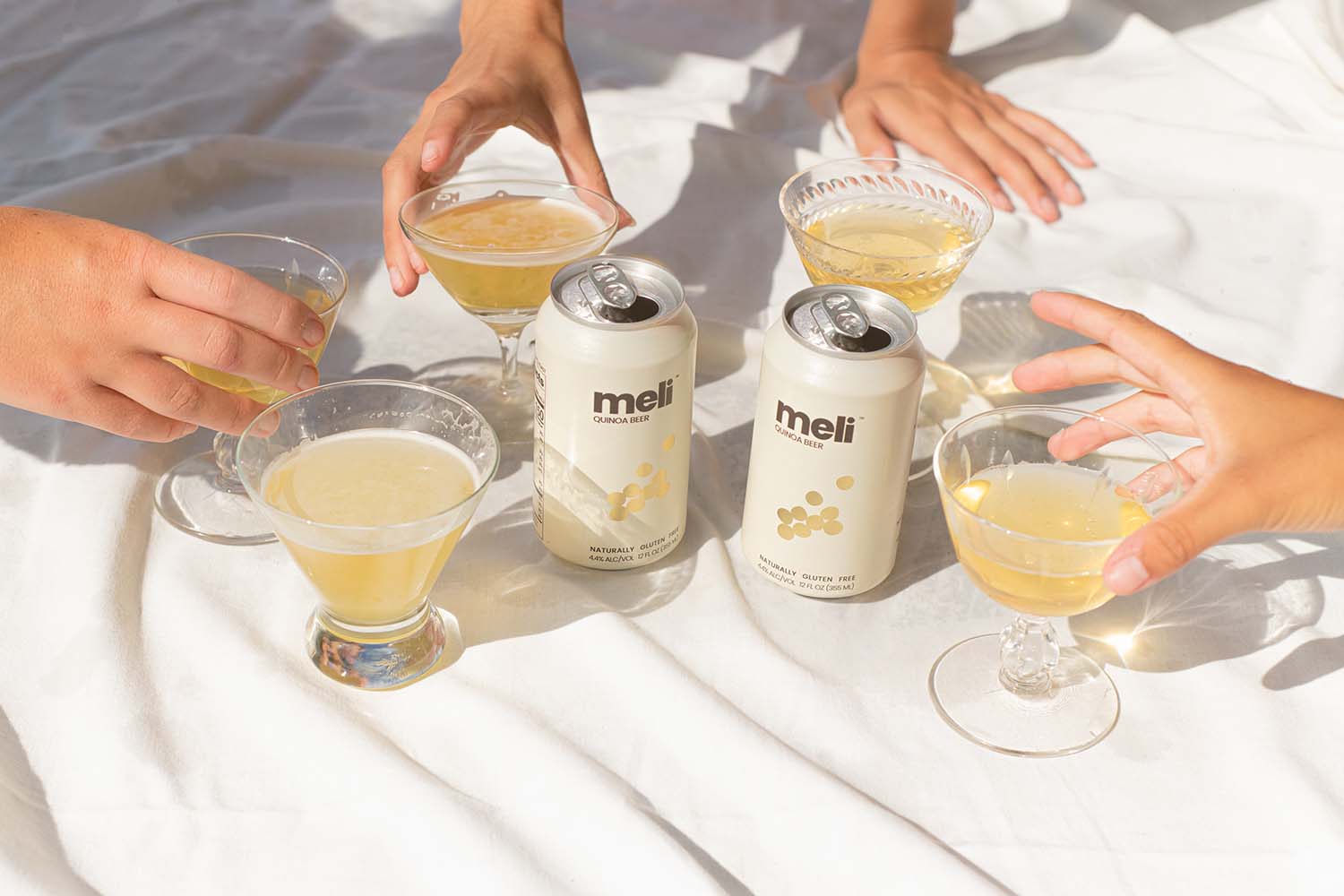
On a vacation in Peru, Oster, who normally isn’t a beer drinker, found herself sipping on a delicious beer made primarily from quinoa, a staple of Peru’s diet. While quinoa is technically a seed, not a grain, it’s flavorful and hearty. It’s also a reliable source of protein and fiber and is often used in recipes that would otherwise include rice or pasta.
“I loved the crispness of the quinoa beer without the bitterness,” Oster says. “I started wondering if I could make a gluten-free beer that would be light but flavorful.”
Oster spent years working in the luxury retail space after studying at Harvard. While earning her MBA at MIT, Oster started developing a business plan and recipe for gluten-free beer with a team of researchers and developers.
“It took us a long time and more than 100 formulations to get it right,” Oster says. “And because I have no background in brewing, I was more of the ideas person than the person executing. But we arrived at a recipe that I loved and the brewing team was confident in, so we launched with just one product last summer.”
The initial run was just seven barrels, and the marketing budget was nil. But word of mouth was enthusiastic, and Oster soon found restaurants and stores reaching out to her. Now, Meli is in Eataly, Whole Foods, Trader Joe’s and dozens of other restaurants and stores across Massachusetts, with the ability to ship to 45 states.
“We are in growth mode right now, and we want to expand as quickly as we can without sacrificing our quality,” Oster says. “I’ve been surprised by the response, and it’s really exciting. I expected the fanbase to skew female and be focused on people who are gluten-free, but traditional beer drinkers are loving our beer because it’s light and refreshing and something truly innovative. They’re focused on that more than the fact that it is gluten-free.”
Karen Hertz, chief brewista for Holidaily Brewing Company, also arrived in the gluten-free space after a health battle. “I’ve been clear for 10 years now, but I was pregnant with twins when I was diagnosed with melanoma,” Hertz says. “I had surgery, did radiation treatment and thankfully my twins were healthy. But then I was diagnosed with Hashimoto’s Disease and thyroid cancer.” Hertz also suffered chronically from eczema.
“I started cutting down on gluten at my doctor’s advice, and I was surprised by how much it helped,” Hertz says, adding that she began doing research and found a link between thyroid issues and gluten. At the time, she was working in distribution for Corona. And unlike Oster, Hertz was (and still is) a serious hop-head. “I live in Colorado, and while it’s a big craft beer state, once I cut out gluten, there really weren’t any gluten-free options,” she adds. “So I started home brewing. I came up with recipes using whatever ingredients I knew were safe.”
Hertz saw a niche, wrote a business plan and hired a brewer because she knew “just enough about brewing to drive a brewer crazy, but not enough to pull off a full craft beer launch.” Her background in distribution and the network of contacts she accrued along the way were priceless when she launched Holidaily in 2016. Now the largest gluten-free brewery in the United States — and one of just 16 — Hertz says they’re thriving amid the beer industry’s downward sales trend.
“We’re doing well because we’re offering something different, and our quality is high,” Hertz says. “A lot of gluten-free beers are made with sorghum syrup instead of a gluten-free grain like millet or buckwheat, which is what we use. And there’s no limit on the styles we can create with them, from imperial stouts to double IPAs to blonde ales. My goal was to make great beer that just happens to be gluten-free.”
Hertz says the biggest challenge now is letting people know there are great gluten-free options out there and to help them understand there’s a big difference between gluten-free and gluten-reduced.
Gluten-Free vs. Gluten-Reduced
“When you think about it, the gluten-reduced movement in beer is strange,” Hertz says. “I mean, have you ever seen the label peanut-reduced on anything? No. Because it doesn’t exist. It’s an allergen, so it either has the thing or it doesn’t.”
Even some brewers who make gluten-reduced beers are hesitant to label them as such. Natalie Mika, head brewer at Peter B’s Craft Brewery in Monterey, CA, says the risk of cross-contamination and presence of some gluten in all of their beers stops them from doing anything more than discuss their gluten-reduced options.

The Actual Best Beer Cities in the United States
Many towns claim to be “Beer City, U.S.A.,” but which ones actually deserve the title?“We don’t label our beer as gluten-reduced because I don’t want anyone to get hurt,” Mika says. “We use an enzyme that basically breaks down the gluten molecule, so we can make gluten-free beers, but we don’t advertise it that way to be extra careful.”
Some Gluten-Free and Gluten-Reduced Beer to Try
As a devoted beer and gluten enthusiast, I sipped Meli and Holidaily with my nose pre-wrinkled in disdain, prepared for zero body, one-dimensional taste and too much sugar. I was surprised to discover flavorful, crisp, downright delightful beers with body and complexity. I wouldn’t have known they were gluten-free without the label.
Andrea Starr, senior director of merchandising at Total Wine & More, says the gluten-free space has evolved quite a bit in recent years, with strides in quality and variety that results in beers that mirror traditional brews. Here is what Starr loves and sees flying off the shelves.
Ghostfish Brewing Company: The Seattle based brewery is 100% gluten-free. “I visited when they were just opening in 2015, having stumbled upon their taproom by chance, and was immediately impressed by the beers,” Starr says. “Only later did I learn they were gluten-free, a testament to the quality and craftsmanship behind each brew. Their flagship Grapefruit IPA has since won numerous awards and earned a dedicated following.”
Lakefront Brewery: Based in Milwaukee, Lakefront holds the distinction of being the first approved gluten-free craft beer and still stands out as a top seller. The Pilsner-style New Grist is a refreshing favorite, made with sorghum, rice, millet, hops and water.
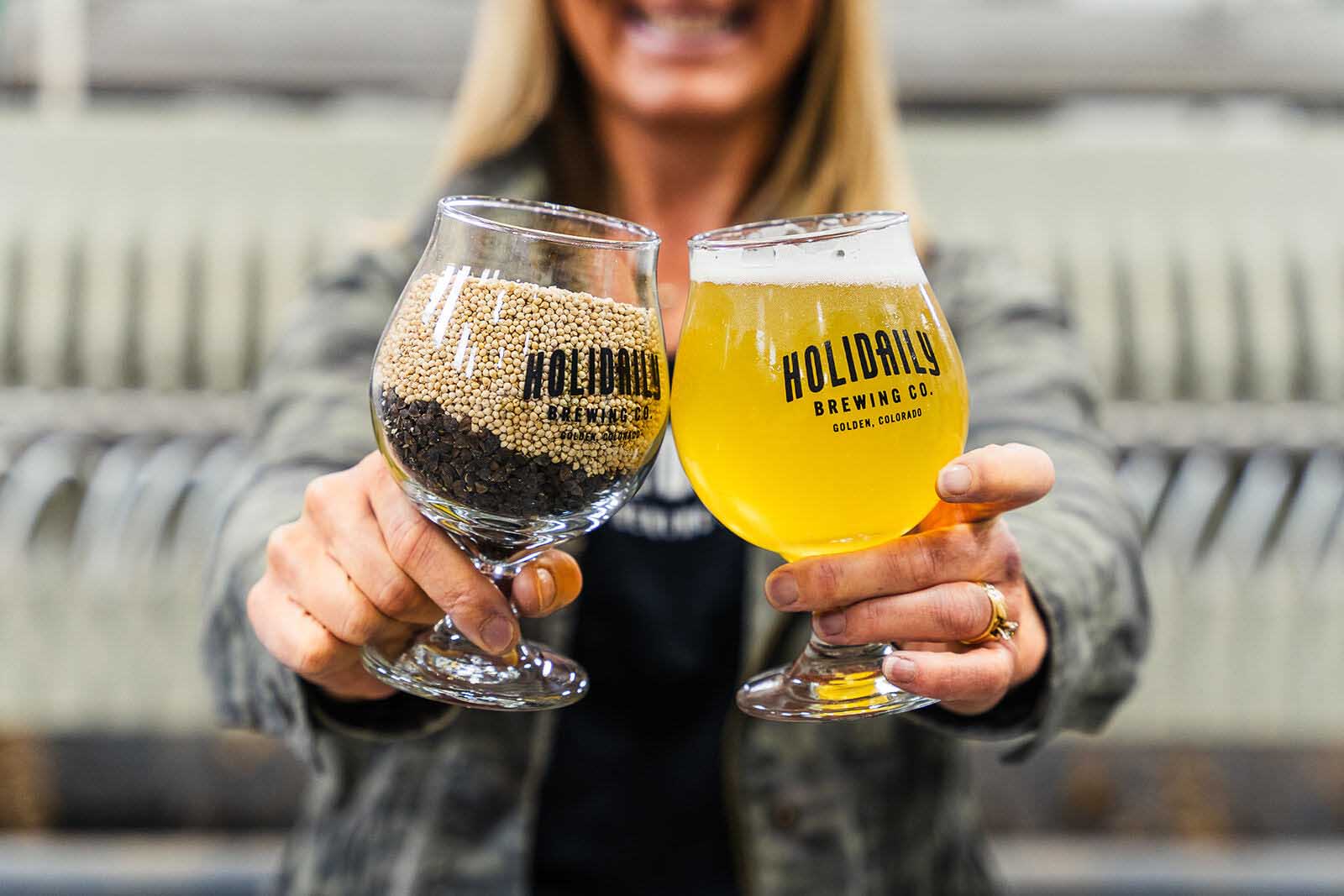
Holidaily Brewing Co.: Based in Golden, CO, this brewery is 100% gluten free. “Known for its popular Favorite Blonde, a well-crafted blonde ale in its own right, Holidaily also impresses with innovative offerings like Buckwit, a unique take on the witbier style rarely seen in the gluten-free space,” Starr says.
Stone Brewing: Their Delicious series offers gluten-reduced beers that appeal to a wide audience. “True to its name, the series lives up to Stone’s IPA legacy while providing more accessible options in the market,” Starr says.

More Like This

We're always on the scene eating, drinking and traveling near and far to bring you the best of what's happening out in the real world. Sign up for IRL now.