You might not know Ian Macleod Distillers Ltd, but if you’re a serious Scotch or gin drinker, you’ve certainly tried one of their historic brands. An independent, family-owned company, the originally monikered Ian Macleod & Company Ltd was established in 1933. In 1936, Leonard Russell Sr. founded his own whisky broking company, and by 1963, the Russell family acquired Ian Macleod.
Since the Russells have taken over, the brand has revived mothballed but iconic whiskies, launched a few new brands and made several acquisitions, including Isle of Skye (1963), King Robert (1968), Watson’s Rum (1996), Glengoyne (2003), Tamdhu (2011), Spencerfield Spirits (2016) — which includes Edinburgh Gin — and Rosebank (2017), a legendary single malt that’s now part of a massive distillery rebuild and revival.
I was able to spend a week in Scotland (both in Edinburgh and in Speyside), touring the various distilleries and trying out some of the company’s most iconic releases. Below is a sampling of my favorites. Ian Macleod has a lot of expressions, so I’m going to skip a few specialty releases (sorry, Pig’s Nose) and concentrate on five whiskies and one gin I particularly loved and was able to experience firsthand.
Rosebank
“The spirit plays a big role for us,” says Neil Bulloch, distillery manager for Rosebank. “While it’s the cask for Tamdhu, we’re spirit-driven.”
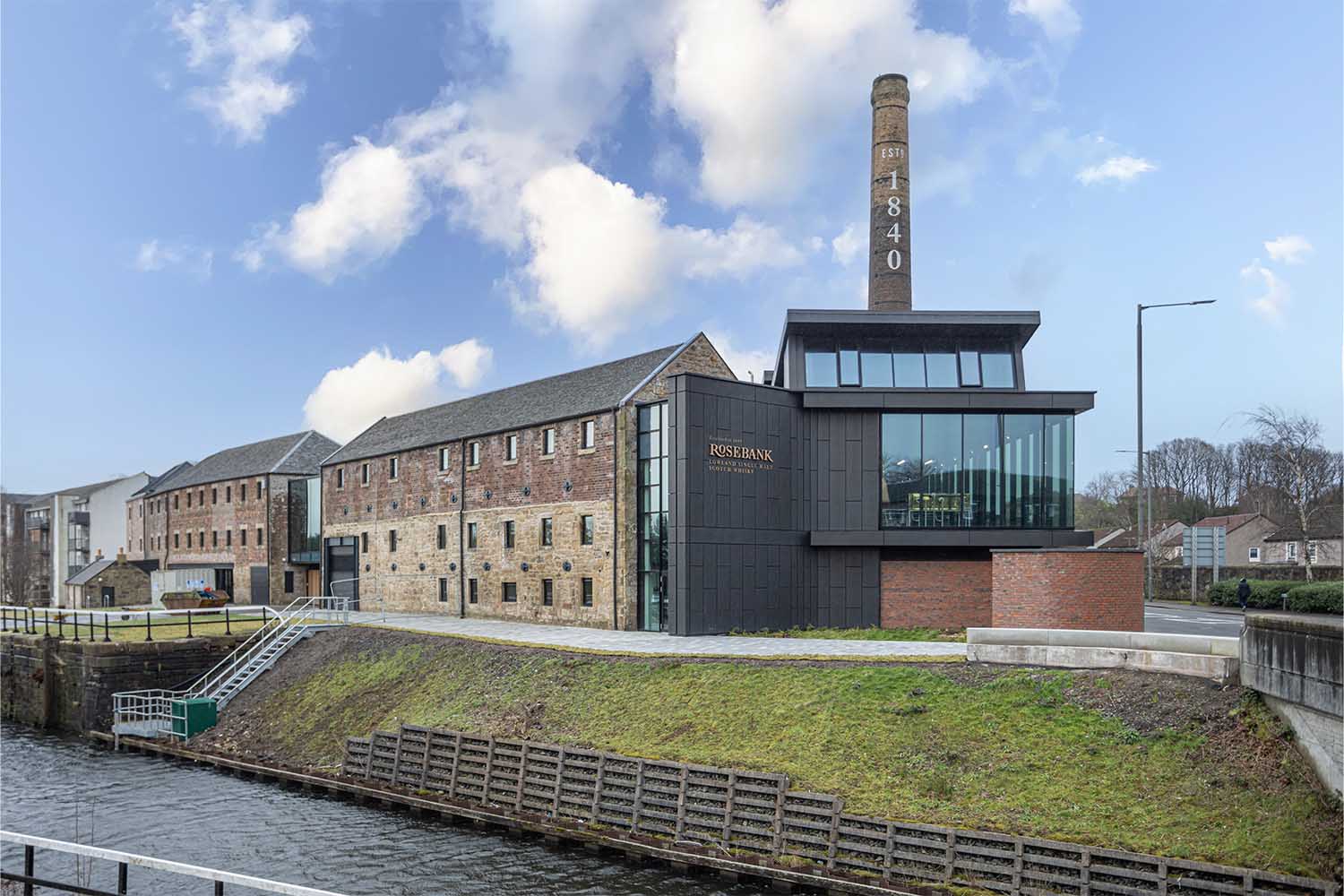
That’s not entirely true, as casks play an important role for this iconic distillery, which originally launched in 1840 in Falkirk beside the Forth & Clyde canal (which connects Edinburgh and Glasgow). While a lot of the glamour and romance of Scotch is geared toward the Scottish Highlands, Rosebank earned its rightful reputation as the “King of the Lowlands.”
Triple-distilled — a rarity for Scotch — Rosebank suffered from being primarily used as part of a blend, releasing only a few single malt expressions before its closure in 1993. Copper thieves broke in and nicked the stills in 2008 while the property began to fall apart, but Ian Macleod purchased the brand in 2017.
The property is an interesting mix of old and new. The Victorian red brick and towering 108-foot chimney stack remain from the old site, along with the original mill. But now, plate glass covers the still room and whisky production has become fairly automated. There’s also a new dunnage warehouse on-site, and the place is certainly geared toward visitors — it offers multiple tours and tastings and is spotless, an adjective I tend to associate with “new” distilleries.
That said, Rosebank is still triple-distilled and utilizes stills that were painstakingly replicated from the designs of the old pot stills. The liquid is still condensed in traditional worm tubs. And the eventual releases under Ian Macleod should still offer the rich, floral and fruity house style of classic Rosebank. As Eva Pueyo, the distillery ambassador and our guide on our tour, noted, “We tried to keep as much as we could from the past of Rosebank and put it in what is the present of Rosebank.”

Rosebank 31 Year Old
While we enjoyed a “New Fashioned” made with Rosebank’s new make, stick with the liquid that was left over from before the distillery’s 1993 closing, such as Rosebank 31 Year Old. Coming in at 48.1% ABV (and about $2,000), this one features rich and sweet notes of vanilla, citrus, almond and peaches with a small hint of oak and tobacco spice.
Edinburgh Gin
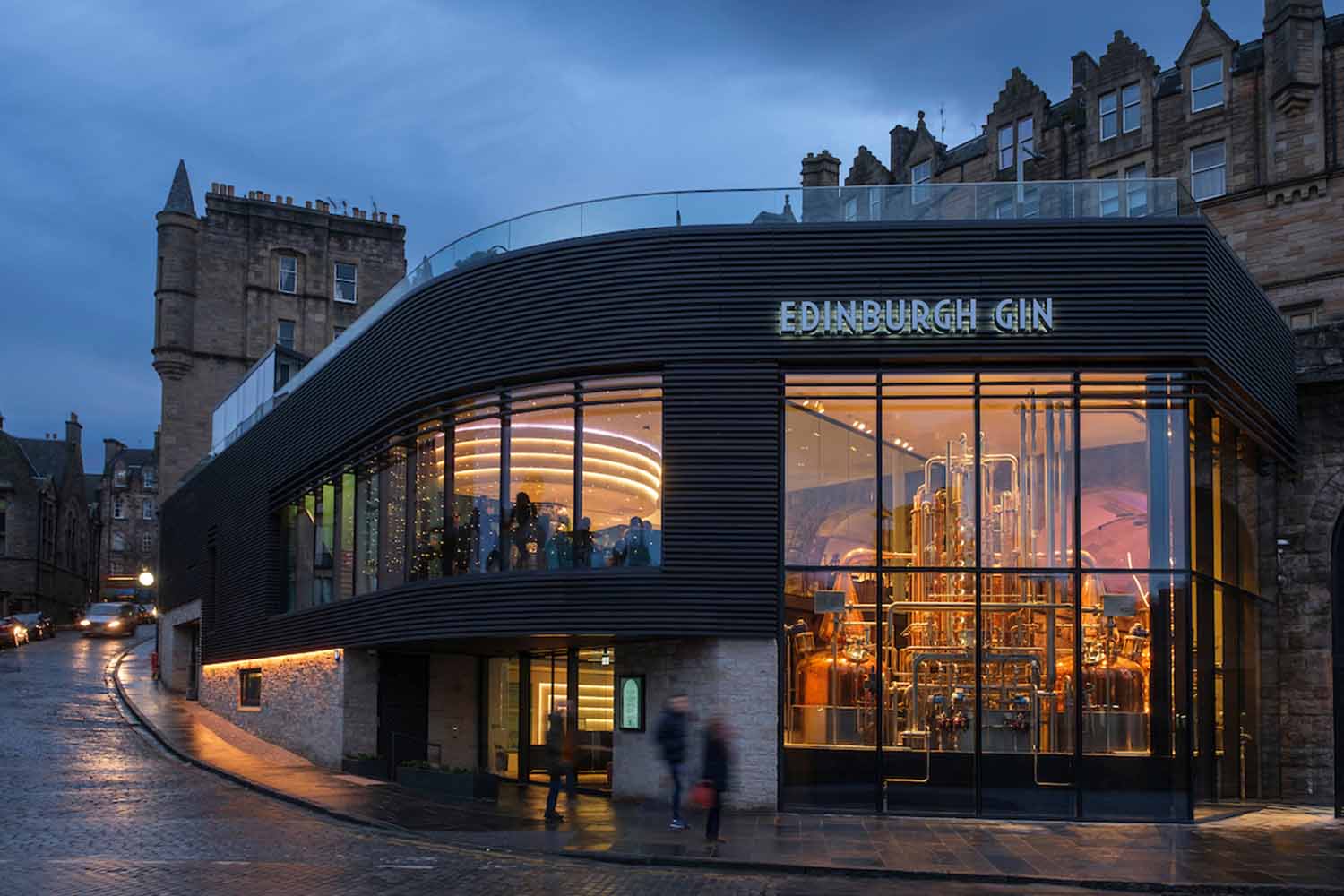
One of the best distillery experiences you’ll find in Scotland has nothing to do with single malts. Edinburgh Gin is a multi-floor distillery/bar/venue in Edinburgh near The Arches, offering a half-dozen experiences for visitors, including gin and cheese pairings, tasting menus, a gin-making class and even a botanical wreath workshop. Of course, they also offer distillery tours and two excellent bars with some of the best views of the city. I highly recommend taking a distillery tour — it was here I learned how ingrained gin is with the city’s history (it dates back to trading with the Netherlands in the 18th century) and why you can thank Scotland for the G&T and citrus garnish.
“We’re not what people expect from a craft gin distillery,” says Phillip Kingscott, gin experiential ambassador for Edinburgh Gin and Ian Macleod, noting that Edinburgh Gin is roughly 1/100 the size of Bombay Sapphire in volume. “We’re big enough to be sold all over the world but small enough that we can be tinkering away and experimenting and using fresh botanicals.” The distillery actually started in 2005, before craft distilling laws changed for the better a few years later. The Arches location is also relatively new, open only since late 2024.
Outside of the building itself, what I particularly loved about Edinburgh Gin was the breadth of London Dry gins and non-gin options, with rhubarb liqueur being one of the distillery’s most popular bottles. There’s an experimental line of gins that includes a Salt ‘N’ Sauce flavor; Seaside, a gin meant to evoke the east coast of Scotland (the minerality and earthy sweetness come from a combination of scurvy grass, bladderwrack and milk thistle, among other unusual botanicals); and gins designed by the likes of Phoebe Waller-Bridge and Eddie Izzard.
So, why is gin part of the Ian Macleod family of spirits? “They love gin,” Kingscott says. “Peter Russell had a tonic fridge in his office for his daily Gin and Tonics. At board meetings, they served gin and tonics.” There’s a bit of drinks history here as well. “There’s a lot of evidence that what we now call whisky would have been much closer to gin back in the day,” he adds.
You can feel the pull of Scottish whisky in Edinburgh Gin’s base spirit, which features a whisky-like mash bill of 80% wheat and 20% barley. It’s interesting because most UK distilleries use American corn as their base.

Edinburgh Gin Old Tom
I loved Edinburgh Gin’s Old Tom Gin, which tastes like a barrel-aged spirit but actually gets its depth from sarsaparilla root. That adds an earthy, slightly woody note, along with the vanilla-like tonka beans which are actually banned in the United States.
Glengoyne
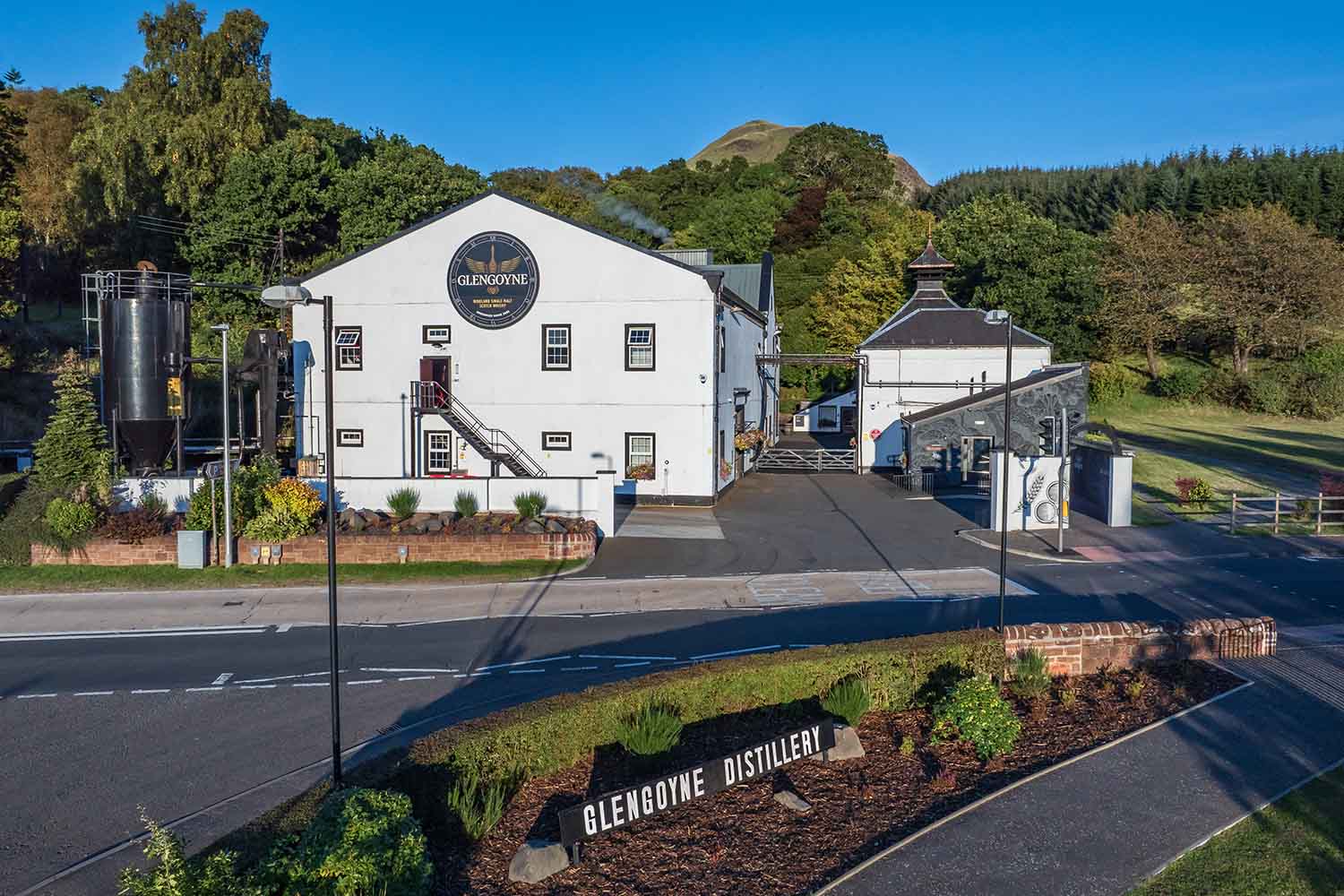
“The right way is the long way.” That’s the motto beyond Glengoyne. Licensed in 1833, this distillery is all about time, as in, they’re not in a hurry: Glengoyne air-dries their barley, brags about having “the slowest stills in Scotland” and notes that it takes six years to prepare their casks.
While they do offer tours, Glengoyne is more of a working distillery that happens to be housed on a beautiful property (hint: walk to the on-site, semi-hidden waterfall). Much like most of the Ian Macleod portfolio — which purchased Glengoyne in 2003 from Edrington Group — the sherry casks dominate here, though you’ll find ex-bourbon and a few unique barrels (see below).
Interestingly, the distillery has claims to being both a Highlands and a Lowlands whisky, as the property is located essentially on a border: The stills are in the Highlands, while the casks maturing are across the road and technically in the Lowlands.
Glengoyne Mizanura Oak
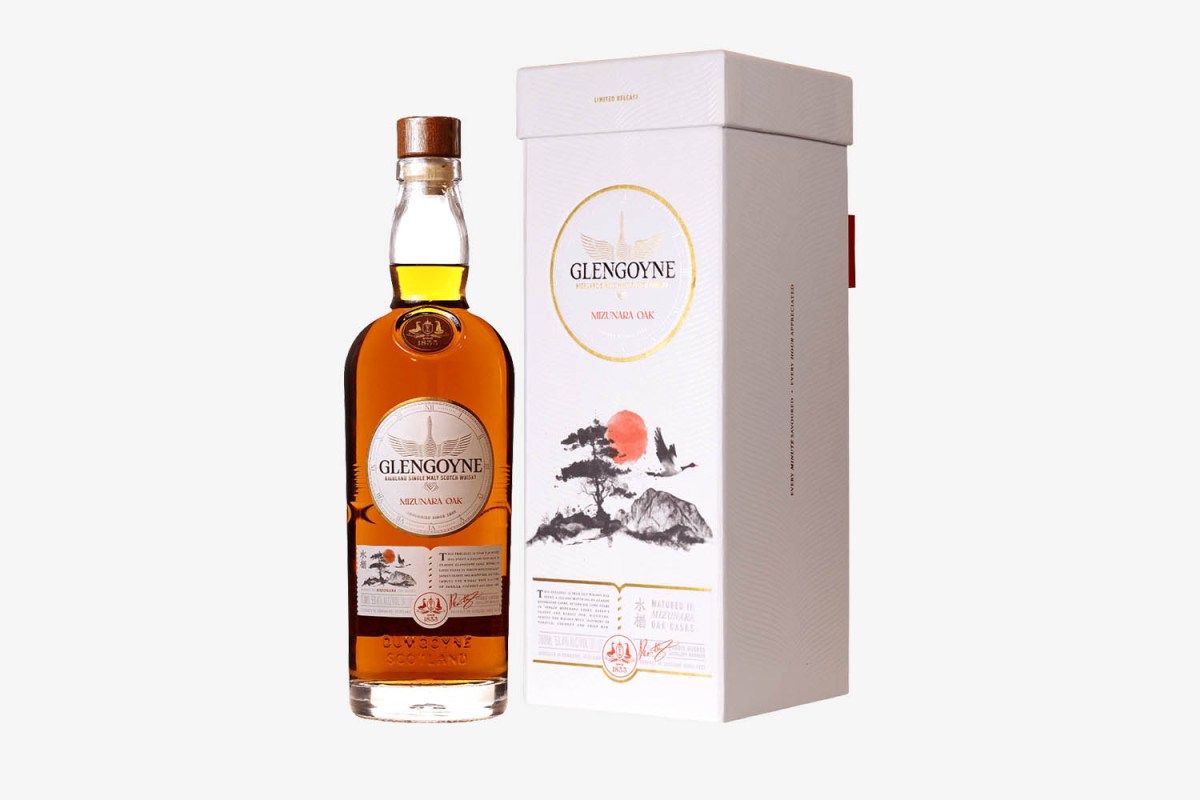
You’ll probably have an easier time getting the Glengoyne White Oak 24 Year Old, a new permanent edition to the distillery’s portfolio that features a maturation in only ex-bourbon and virgin oak casks (it’s gentle, bright and offers almost a chamomile note). But if you’re traveling to Scotland, seek out the Mizanura Oak release, which sees the single malt aged for six extra years in the Japanese native wood after a decade in ex-sherry casks. Vanilla, sandalwood, apple, cherry and incense are present here — it’s one of the most memorable Scotch releases I’ve ever tried.

The Drinking Culture of Scotland
It’s more than just whisky (but there’s lots of that, too)Smokehead
“An Islay Single Malt Whisky that’s an assault on your senses.”
That’s certainly a way to put it when it comes to Smokehead. These modestly-priced Islay single malts, launched in 2006, possess a more rock ’n’ roll aesthetic, and several of them are aged in barrels not typically found in the Scotch whisky world (tequila, stout, rum, etc.). But these aren’t Ardbeg or Octomore rivals. Most of the Smokehead expressions I’ve tasted have modest smokiness, and the spice is tempered by citrus, a little nuttiness, marshmallow, a creamy mouthfeel and hints of vanilla (their rum cask finish release is actually quite mellow).
Smokehead also makes for a great Bloody Mary.

Smokehead 15 Year Old
Smokehead 15 Year Old, just released in the United States, is a beguiling mix of peat, smoke, citrus, vanilla and some herbaceous notes.
Isle of Skye
A blend of island malt whiskies, Scottish mainland malt whiskies and Lowland grain whiskeys, Isle of Skye’s main selling point is price — the younger bottles are less than $30, while the older bottles are in the modest three-figure range.

Isle of Skye 8 Year Old
I tend to like younger whiskies that have a peaty/smoky character, so the $18 (!) Isle of Skye 8-Year Old is kind of the best bang for your buck out there. It’s not earth-shattering, but it punches above its price point, even at a modest 40% ABV, with notes of butterscotch, vanilla, orange peel and a little salinity and smoke.
Tamdhu
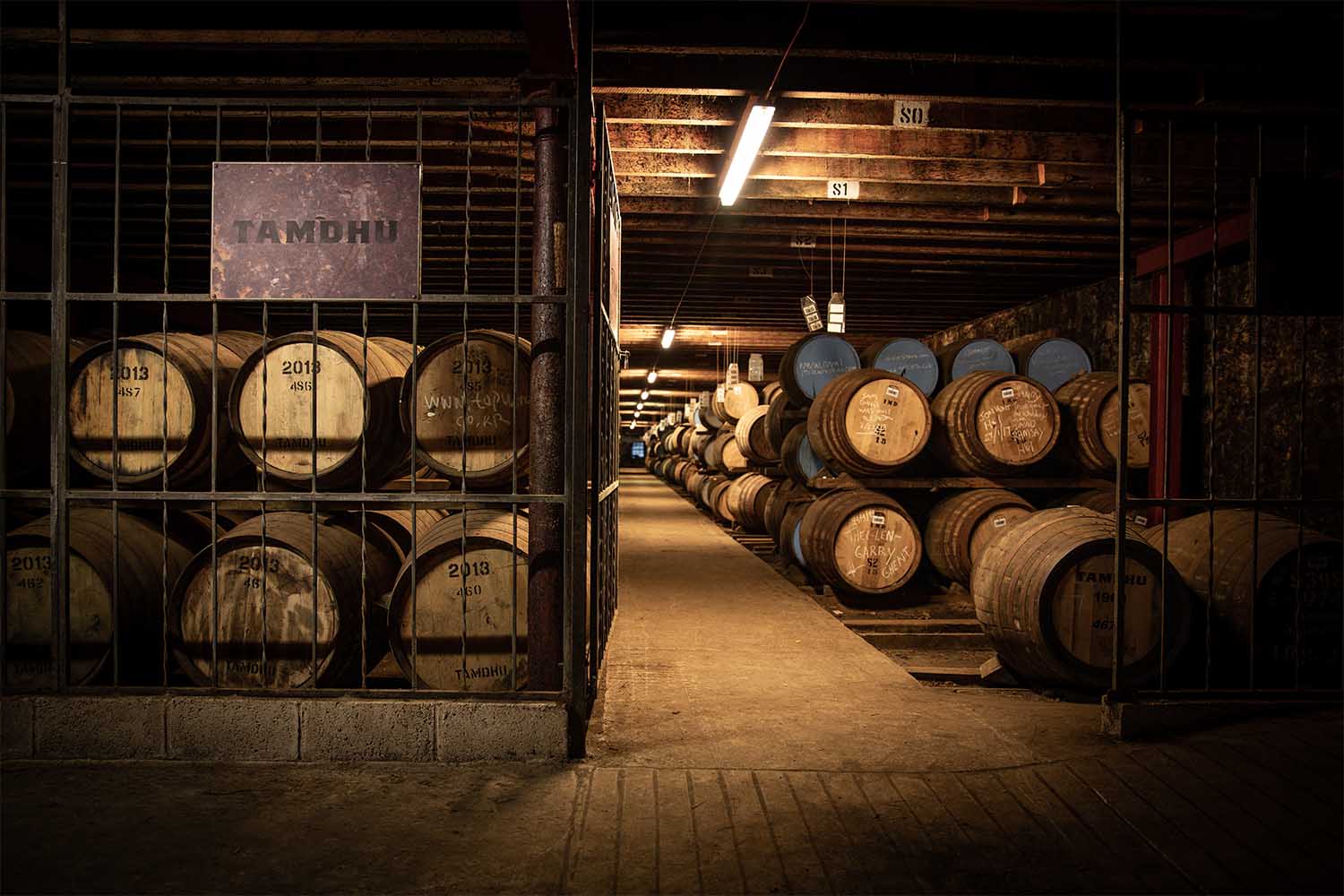
Tamdhu is all about the sherry cask. But not necessarily in a way you’d expect. The Speyside distillery’s story goes back to 1897, but the distillery was mothballed at various times before being sold by the Edrington Group (which owns The Macallan) to Ian Macleod Distillers in 2011. As you can tell from its heritage, the sherry cask has and continues to play a central role in these single malts. And not much has changed, even with the new(ish) owners.
“One of the joys of bringing Tamdu back to life was bringing back the previous manager and two of his previous staff,” says Sandy McIntyre, Tamdhu’s distillery manager. “It’s operating the same way it did before it closed down. So there’s never any real change in terms of the process through time. We’ve changed yeast and put in some additional energy-saving equipment, but nothing that would affect the quality of the spirit.”
That said, the Tamdhu brand is a different beast than The Macallan, even if they share some of the same bodega sources for their barrels. Besides offering an extremely lovely and fruity new make, the barrels themselves are not necessarily European oak. There are sherry-seasoned American oak casks doing a fair amount of flavoring here as well, lending the expressions additional notes of pears, vanilla, coconut and tropical fruit. Combined with some nicely elevated proofs (including a few outstanding cask-strength releases), you have a high-ABV, sherry-influenced single malt that should appeal to a wide range of whisky fans.

Tamdhu 21 Year Old
Tamdhu’s new 21 Year Old expression tastes like two whiskies in one, with the American oak taking center stage on the first sip and the European oak coming in more on the finish. It’s fruity, oily and full of baking and oak spices, and the elevated proof (47.5% ABV) offers a nice bit of body and heft. If you can, try to find one of the 250 cask-strength bottles floating around (and save me a sip).

More Like This

This article appeared in an InsideHook newsletter. Sign up for free to get more on travel, wellness, style, drinking, and culture..