Earlier this year, I went for the kind of morning run where the sun beats down on your back the entire way. Every step was an effort, and even the air felt thick to breathe. By the time I got to the bottom of my road, five miles later, I was seeing black spots in front of my eyes and fighting a sudden urge to vomit. Luckily, I made it home without throwing up, downed a bottle of water and eventually cooled down.
When it comes to working out in the heat, you’d think I would’ve learned my lesson. Alas, no. A couple weeks later, I cycled two miles to my bouldering gym. After a warm-up, I began to climb. Almost immediately I felt dizzy, with a numb sensation down my right arm. Worse, my mouth and face felt numb and I was having trouble remembering words.
I did the smart thing, and took at least a five-minute break, along with a big gulp of water before continuing. When I got home, I researched the symptoms and realized dehydration was likely to blame — another heat-related blow to my fitness plans.
With the planet only getting warmer, I decided to ask the experts what heat tolerance, or intolerance, means for our bodies and our pursuit of PBs. Just how dangerous is training in the heat? And what can we do to adapt to it? Here’s what they had to say.

The Gospel of Contrast Bathing
Sauna, ice bath, repeat. Here’s how the wellness world got obsessed with cycling between hot and cold.What Do We Mean by “Heat Tolerance”?
Heat tolerance doesn’t just apply to your ability to sweat it out on the subway in July, or how long you can last in a sauna. In performance science, a growing number of experts already believe that your ability to deal with heat — both external heat and the heat generated by the body during exercise — might be the key to unlocking the next level of your fitness abilities.
Why do we get so hot when we exercise, anyway? When we move, we burn fuel so that our muscles can move and create energy. One of the byproducts of this movement is heat. That heat needs to be dissipated so that the system doesn’t overload.
How well we manage that process impacts our ability to keep moving. A study in the Scandinavian Journal of Medicine and Science in Sports found that frequent training in hot conditions can trigger powerful adaptations, which help athletes perform better in the heat and reduce their risk of heat illness.
It’s happening right now. Dr. Oliver Gibson, senior lecturer in exercise physiology at Brunel University of London, points out that athletics and the military are already engaged in heat tolerance testing (or “heat stress testing”).
“These groups might exercise in hot conditions like treadmill marching or running in a climate chamber, with the team administering the test examining core body temperature, skin temperature, cardiovascular responses, sweat onset and sweat rate,” says Gibson. Subjects with better heat tolerance score were proven to be better adapted to hot conditions.
Why Does This Matter?
As noted above, we all get hot when working out. And it’s kind of uncomfortable, right? It turns out that there’s much more going on in the body when we get hot, and understanding it can give you an edge.
“During acute heat stress, blood flow is constricted to ‘non-essential’ organs like the gastrointestinal tract, kidneys and liver — to prioritize cooling,” Gibson explains. “At the same time, the heart is working harder than usual to elevate our cardiac output and maintain adequate blood pressure to support circulation to both the skin and vital organs.”
Gibson goes on to explain that if your thermoregulatory response isn’t adequate to deal with both processes at once, “a physiological conflict” may arise between supplying blood to the working muscles and to the skin for cooling.
“As the body prioritizes heat dissipation and the prevention of heat-related illness, muscle blood flow may become compromised, leading to a reduction in exercise intensity,” Gibson says. In short: the hotter we get, the harder it is to keep going.
What Does This Mean for Our Fitness?
As Matthew Accetta, an exercise philologist at the Hospital for Special Surgery Rehabilitation and Performance center in New York City, explains, “An individual’s heat tolerance can significantly impact their overall fitness and conditioning.”
Sweating sooner, Accetta says, not only helps the body regulate temperature, it also reduces the mid-exercise strain on organs like our heart and lungs, thanks to a slower increase in heart rate.
“Individuals who start sweating sooner also have higher quality sweat,” says Accetta. “That means less salt is lost, which helps preserve electrolytes.” These findings are backed by a sweaty 2020 study, which found that just 10 days of heat training increased sweat rate and made sweat more efficient.
Electrolytes, of course, are vital for balancing bodily fluids, protecting nerve function and maintaining proper muscle function — all of which are vital, especially when you’re 10 miles into a half marathon.
For Gibson, the idea that heat tolerance “impacts” our fitness is the wrong way around. “Rather than heat tolerance impacting our fitness, our cardiovascular fitness impacts our heat tolerance,” he says. “Generally, people who are more highly trained have slightly lower resting body temperatures and are able to tolerate higher body temperatures, which gives them a great window to operate within.”
According to Gibson, those same people — think an elite ultraunner like Jim Walmsley — also have larger hearts and improved control of the blood circulation around the body, which means they’re less prone to excessive cardiovascular strain during exercise in the heat than an untrained person.
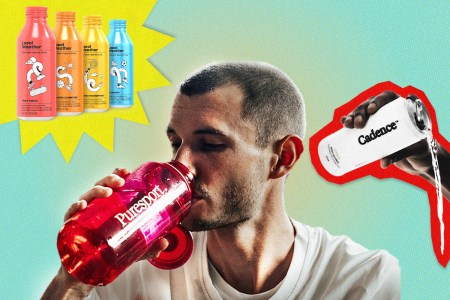
The Best Sports Drink Alternatives to Gatorade
From runner-favorite Cadence to Alex Cooper’s Unwell, meet the new electrolytes in townHow Dangerous Is Overheating?
Very. Hyperthermia while running or performing any type of exercise can lead to dizziness and a rocketing pulse at best, and muscle cramp, seizures and even death at worst. In fact, the death of a 32-year-old man during the Brooklyn Half Marathon in 2022 and the death of a 35-year-old man running the Disneyland Halloween Half Marathon in 2024 were both attributed at least in part to running in the heat, proving that even relatively fit and young men are at risk.
“Our core body temperature can exceed 104°F (40°C) during exertion, making heat exhaustion and heat stroke real risks regardless of ability level,” says Terrence Mahon, a running coach who has spent decades working with Olympic medalists. He’s so concerned about heat tolerance that he helped develop CORE, a thermal performance monitor used by athletes.
Even if you’ve ran a thousand races and feel like you know your stuff, you might not be prepared, Mahon warns. “In a race, an athlete’s core temperature can rise to levels not experienced in training. Without the necessary preparation, experiencing these elevated core temperatures on race day can degrade performance. It can also lead to dangerous overheating.”
As well as monitoring your heat in real time, training to beat the heat can help. In fact, it might even save your life. “Heat training is unique because you don’t need to do it all day,” says Mahon. “All you need is 40-90 minutes a few times per week.”
How Can We Increase Our Heat Tolerance?
Accetta agrees that the best way to increase heat tolerance is through acclimatization — the process of gradually and safely adjusting to a new climate or set of conditions.
“It usually takes several days to two weeks of progressive heat exposure,” he says. “During this time, individuals slowly increase the duration and intensity of activity in hot environments. A good approach is to begin with lighter activities, such as easy jogging or cycling, and then gradually progress to more demanding exercise.”
It works; a field study reported in the journal Medicine & Science in Sports & Exercise discovered that after two weeks of heat training, cyclists were able to match their previous “cool conditions performance” in 98.6°F heat.
Sitting in a sauna, unfortunately, doesn’t quite cut it, as you aren’t replicating the physiological adaptations required to exercise in hot environments. Meanwhile, Accetta stresses that it’s vital to replenish fluids at a regular interval during heat acclimatization, including electrolytes. You should also monitor your local conditions in real time, and not take unnecessary risks.
“The rate of acclimatization can vary depending on factors such as age, fitness level and environment,” he says. “Arizona has a dry desert climate, while Florida has a more humid, swamp-like environment, so take that into account.”
Wearing light, breathable and moisture-wicking clothing allows better air circulation, while SPF protection is another essential. And, if you’re lucky enough to live somewhere cold, Mahon recommends shutting off your fans, donning some extra layers and jumping on the static bike or treadmill.
Whatever your approach, getting in your heat tolerance training over autumn and winter won’t help keep the heat off come summer, but it will help you shrug it off that bit easier.

More Like This




Twice a week, you'll find guinea pig features, personal essays and expert interviews on living better — for however long you’re here. Subscribe to Champ now.