Nota bene: All products in this article are independently selected and vetted by InsideHook editors. If you buy something, we may earn an affiliate commission.
This summer, my partner and I are planning to ride the iconic Great Divide Mountain Bike Route. The 2,700-mile tour is the most recognized off-pavement cycling route in the United States, if not the world. It dances back and forth along the Continental Divide from Banff, Alberta, to Antelope Wells, New Mexico, right on the U.S.-Mexico border.
The Divide, as most call it, was developed and mapped in 1997, making it the birthplace of bikepacking. It’s also the backdrop for the Tour Divide, the most prestigious race in the sport. The best athletes in the world with the lightest gear are able to finish in two weeks or less; we plan to take about a month, though that’s still faster than most who ride the entire distance end-to-end. With resupply spots every two or three days, we need to be self-sufficient, bringing along all the tools, gear and first-aid supplies with us.
Knowing that we’ll need to average around 90 miles each day, we started training in mid-winter of this year, doing slow and long rides on Zwift in the garage. As temperatures climbed and the snow melted, we started doing more of our riding outside, exploring the huge network of trails and dirt roads near our home in Central Oregon. Our strategy has been to build our volume gradually, adding around 10% each week, without sacrificing other things we love — like skiing and snowboarding.
As an amateur cyclist with a busy day job, this will be my longest OOO email ever, which is exciting and scary at the same time. Our trip starts in early July, so we’re also neck-deep in the planning process, testing everything needed for the self-supported journey. Our goal is to strike a healthy balance between weight, durability and comfort, which will help us enjoy the journey as much as possible.
Fortunately, we’ve had tons of training miles to test a wide variety of bikes, bike components and bike bags, and have carved out a few weekends to test camping gear, cookware, clothing and everything else. Using these tests, plus past experience from bikepacking trips in California, Colorado, Utah and Morocco, we’ve been able to identify what works for us and what we plan to leave at home for this trip.
While only a small slice of the population has the luxury to ride for a month straight, the Great Divide is the perfect testing ground for almost any type of bikepacking gear. It comprises thousands of miles of dirt, mud, rain, snow, sand and washboard roads — so if a product stands up to the Divide, it’ll work for just about any trip. Here’s a rundown of the key pieces we plan to rely on for our month-long ride on the Divide.
Bike: Allied BC40 Mountain Bike
The most unique decision we made was to ride full-suspension bikes. While most Tour Dividers lean towards hardtails, we’ve opted for full squish bikes for a couple reasons. First, it’s now the gold standard. The Tour Divide record was set (just last year) on a full suspension, which shows how new tech can make them just as efficient as a hardtail. Second, having already bikepacked the 660-mile Timber Trail with full squish bikes, we had a lot of the gear already and were comfortable with it. For the Divide, I picked an Allied BC40 frame because it’s incredibly light and snappy, keeping my weight penalty low while providing so much extra comfort. As they say, smooth is fast. Having a BC40 will smooth out the roads, making the trip more comfortable and ultimately faster.
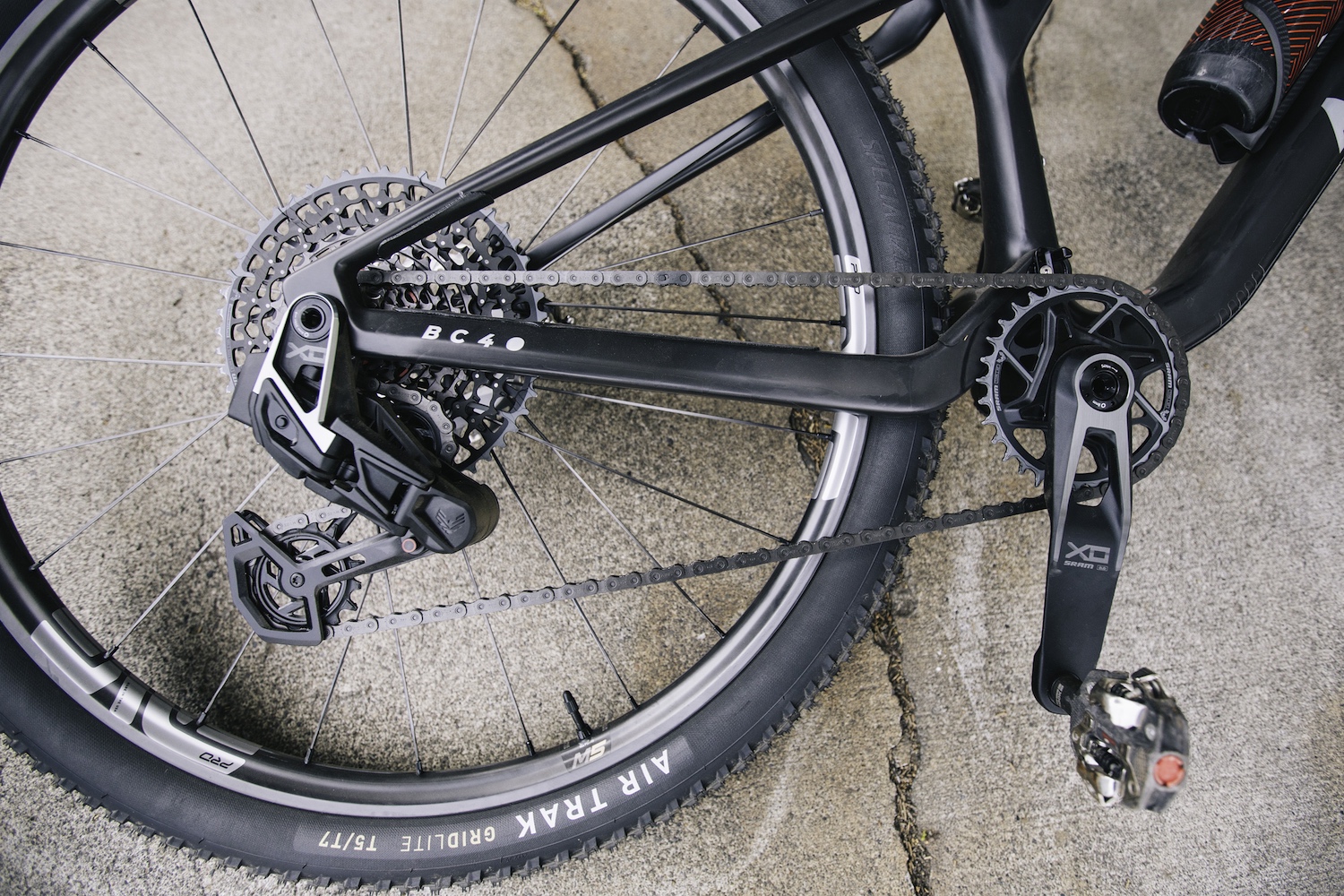
Drivetrain: SRAM XO Eagle Transmission
The Great Divide is mainly on dirt and gravel roads, which can turn from dry and dusty to mud in minutes. Thus, we knew that a durable drivetrain was a necessity to lower the chances a mechanical issue would end the trip. We picked the SRAM XO Eagle Transmission, a 1x system that is both lighter and simpler than others, while being remarkably dependable. I’ve ridden one since they were launched two years ago, taking more than a handful of hard falls on it — and it still works like brand new. For a trip like this where we can’t carry many tools or spare parts, it’s a game changer.
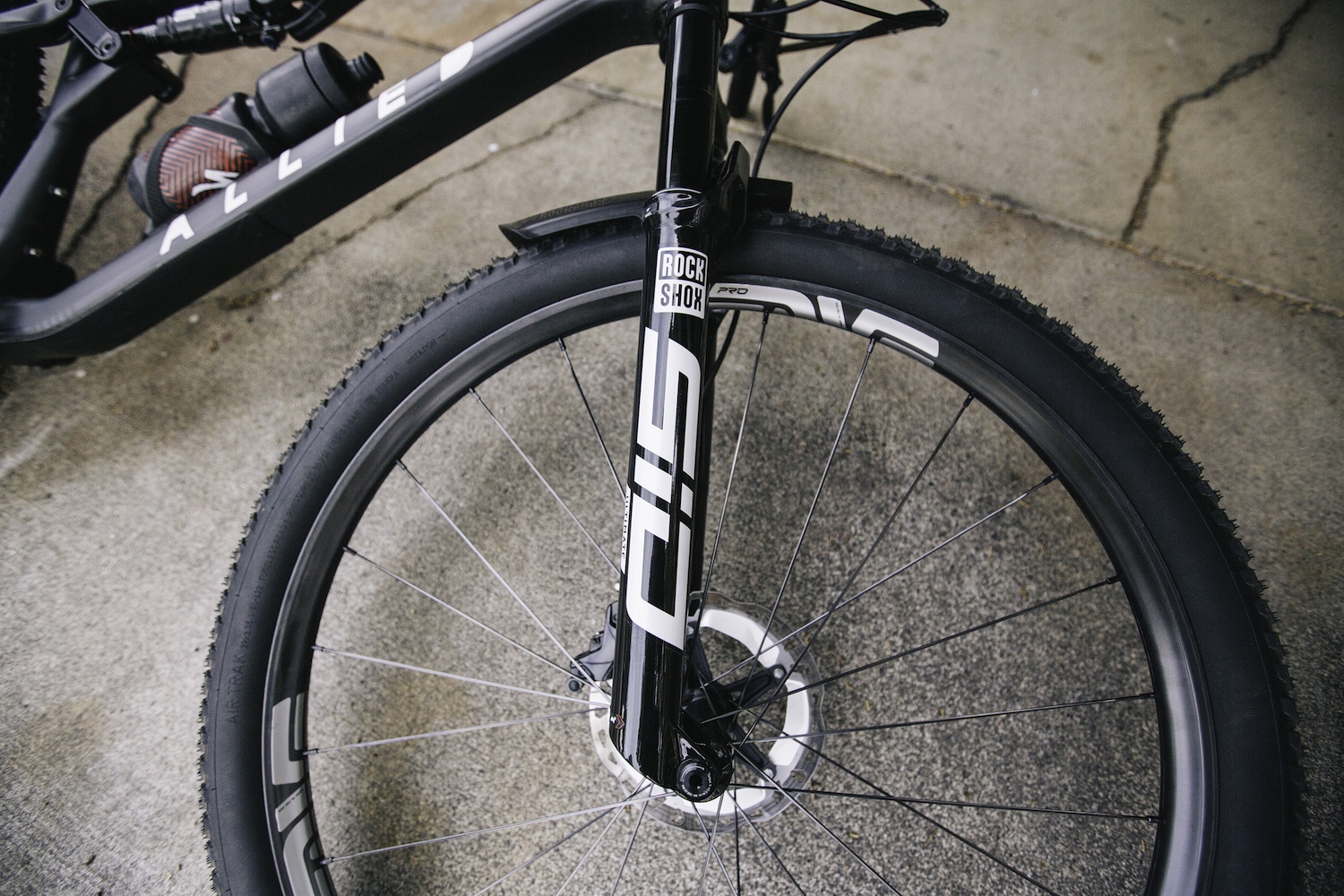
Suspension: RockShox SID SL Ultimate 3P + SIDLuxe Ultimate 3P
Our front and rear shocks had to be light to keep the overall bike weight as low as possible. The SID combo from RockShox does just that, coming in at a combined 3.3 pounds. At the same time, I’ve been impressed with the trails they can handle, from techy descents to chunky fire roads. The Divide shouldn’t push their performance to the max, which is why we added Twistloc Ultimate remotes, which let us lock out the rear fork on smooth roads with a snap of the wrist, keeping our bikes even more efficient by effectively making them hardtails.
Cycling the Old Ghost Road, New Zealand’s Best-Kept Secret
Bikepacking the longest singletrack in the country makes for an epic adventure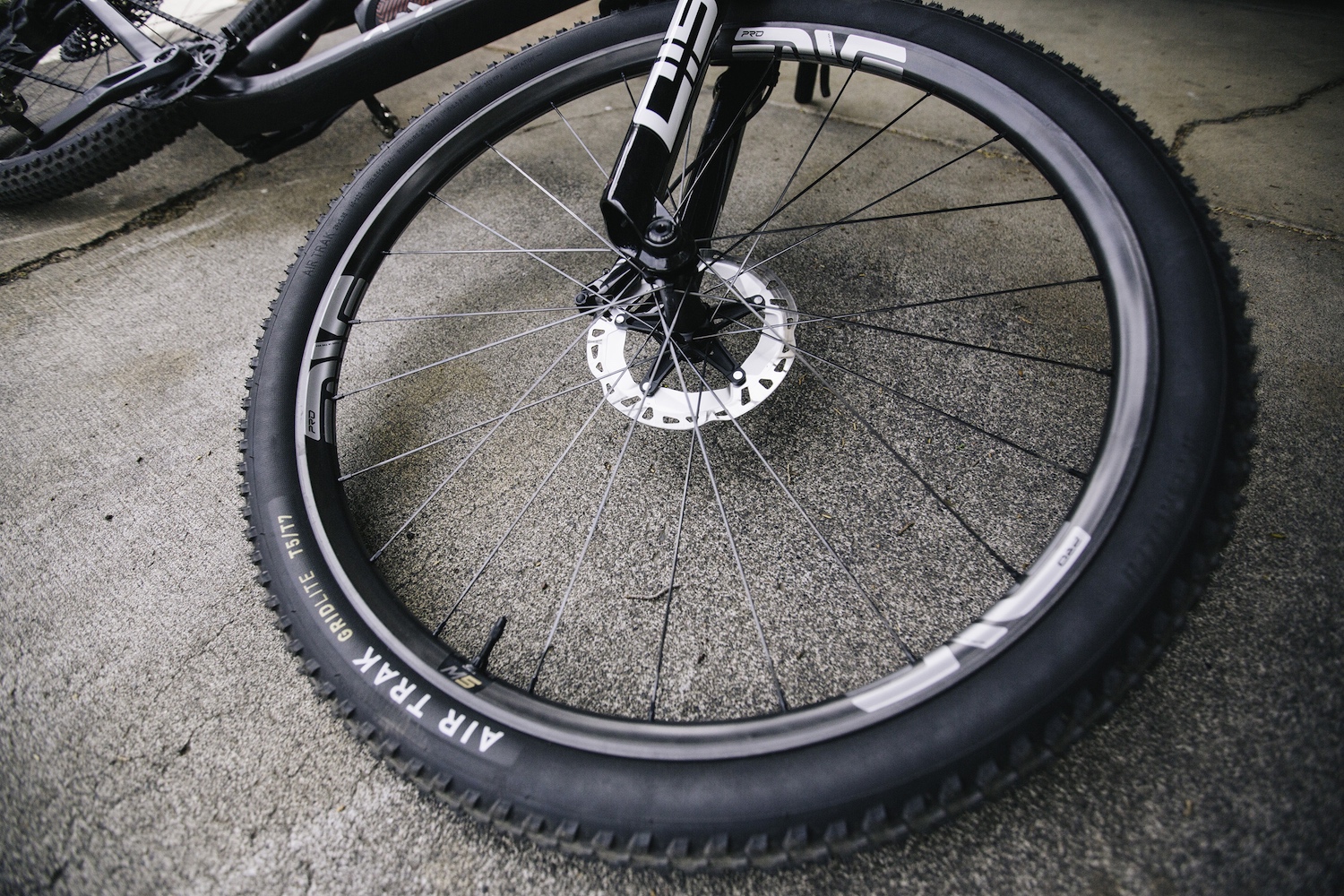
Wheels: Enve M5 Pro Wheels
The next part of the build was our wheels, which was one of the harder decisions we made. Extra weight in bike wheels can feel like a huge drag, but lightweight wheels rarely hold up to the test of time. Ultimately, after testing various options, we picked the M5 Pro from Enve. Despite being designed primarily for racing, they have a surprisingly supple ride feel and we’ve had zero issues with durability. For a wheel designed for speed, we’ve been really impressed with how they handle long, hard days of riding.
Saddle: Specialized Power Pro with Mirror
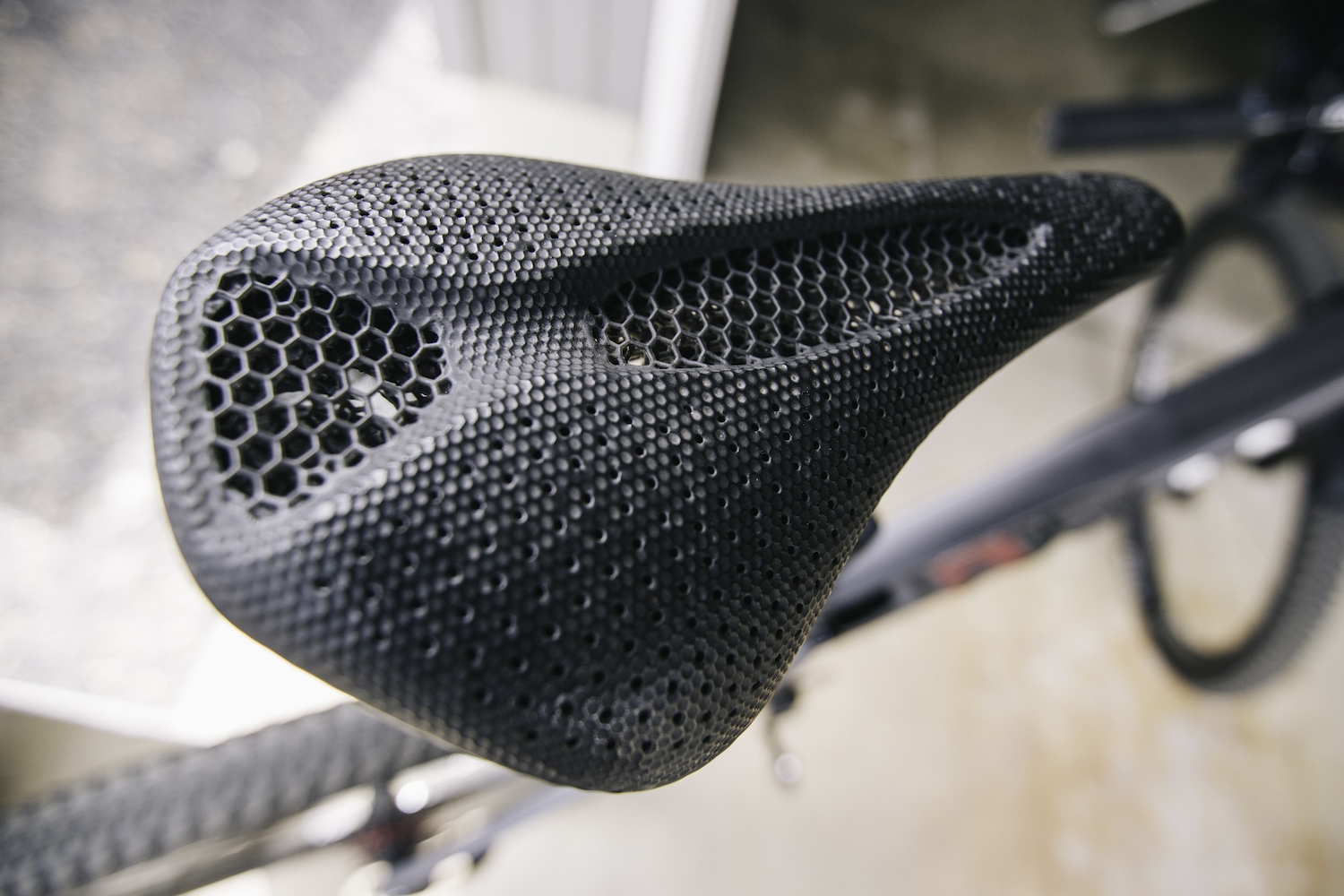
Then came one of the easiest decisions we made: our saddles. I have a Power Pro with Mirror saddle on all of my bikes, from downhill to gravel. By 3D-printing a liquid polymer into a honeycomb structure (with 14,000 unique struts!) Specialized created what is far and away the most comfortable saddle on the market. I’ve used it on long trips all over the world and never had issues with my sit bones or underside soft tissue — and with durable titanium rails, it’s the perfect saddle for long, burly adventures, because it can hold up to just about anything.
Storage: Tailfin AeroPack Cargo + Long Top Tube Bag
I’ve used various Tailfin bags for years, but two of their new updates have quickly become some of my favorites. The AeroPack Cargo offers 18 liters of internal waterproof storage with an additional three liters in the side mesh pockets. The carbon rack system it attaches to is both lightweight and works with a dropper post. It’s easy to clip a taillight on the rear of the bag, making it safer on roads at night, and easy to take the entire bag off at camp and bring it into the tent. Meanwhile, the new Long Top Tube Bag, which fits perfectly on my BC40 frame, offers 1.6 liters of quick-access storage — plenty for snacks, layers, tools and a phone to grab on the go.
Bags: Revelate Pronghorn Handlebar Bag + Nano Panniers
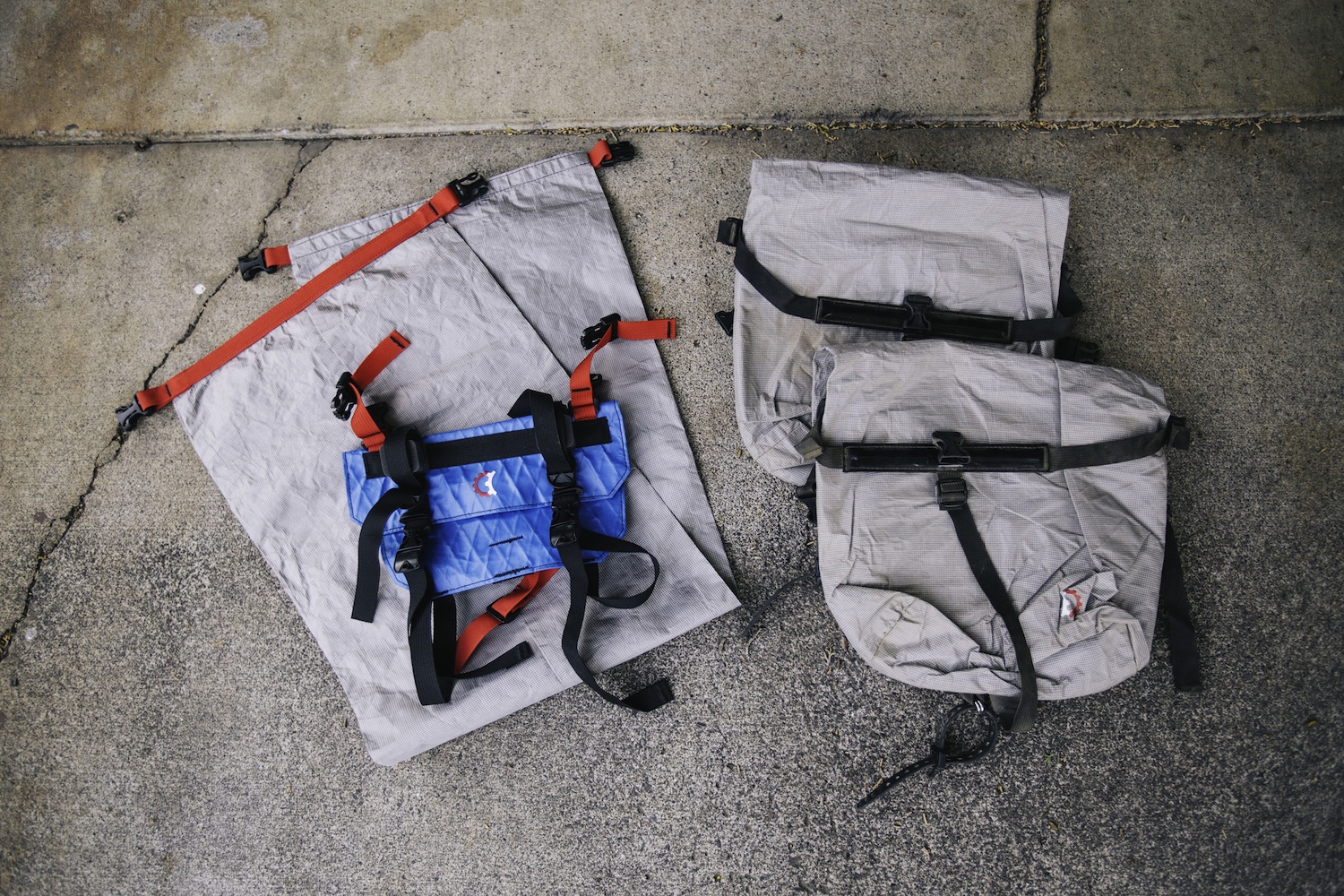
The Pronghorn is one of the lightest handlebar bags available, while also being waterproof and remarkably durable. The large size, which I use, offers 23 liters of storage and is easy to take on and off the bike, which makes it great for foul days when you want to dive into your tent. The Nano Panniers are made from the same polyester fabric and mount easily to most racks, including ours. They provide quick midday access to stuff like lunches and spare layers. Each has 10 liters of storage, giving my full storage system around 60 liters.
Headwear: Smith Forefront 3 Helmet + Ultralite Sunglasses
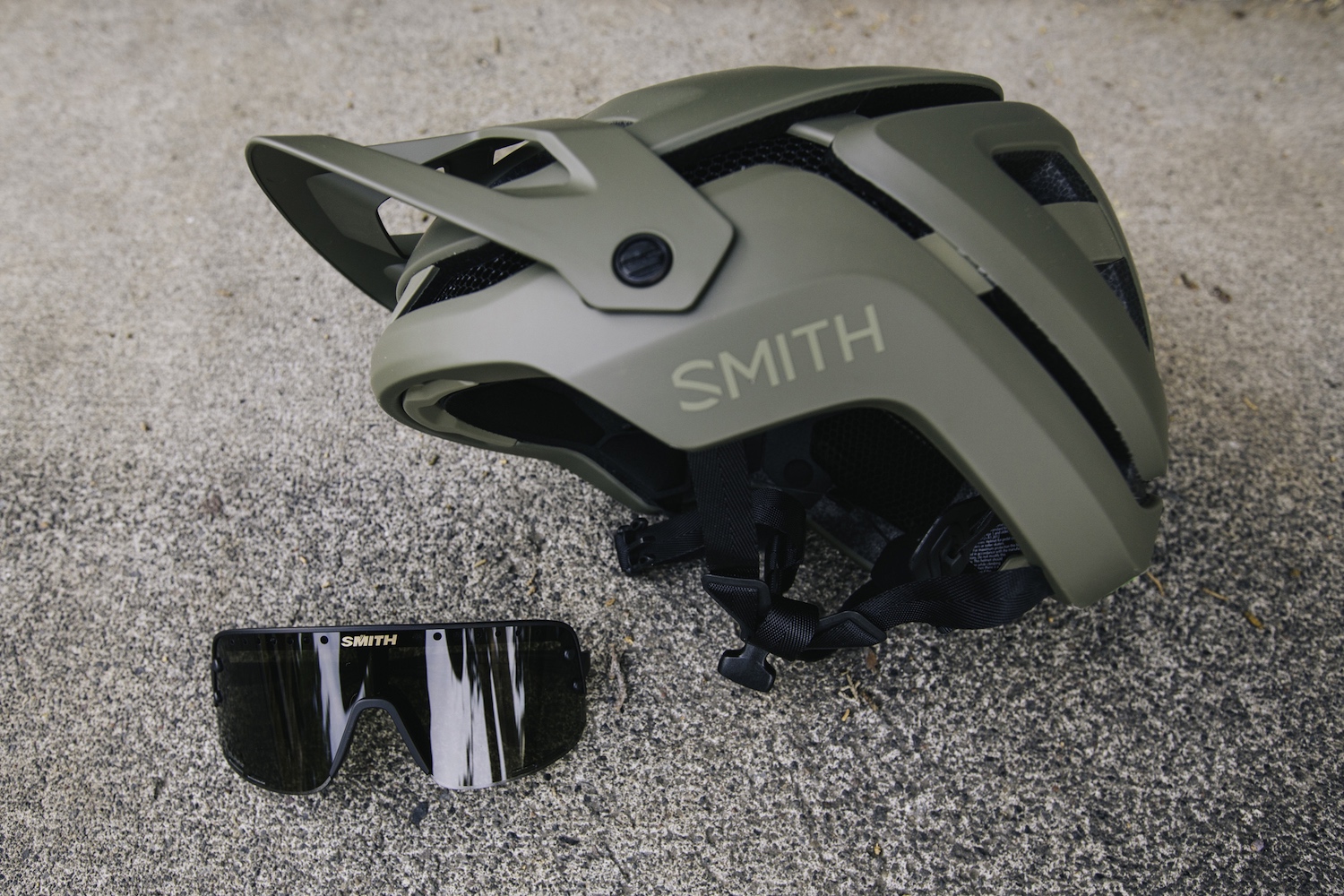
The updated Forefront helmet is 25% more breathable than the previous version, with the same Mips and KOROYD impact protection as the old version. With a smooth BOA adjustment system, it’s comfortable for long days and works intuitively with most sunnies, with a spot under the visor for storage. I’ve been riding with Smith helmets for years and am always impressed at how they improve with each iteration. Meanwhile, the Ultralite sunglasses offer great UV protection and ChromaPop colors, with a flashback ‘80s style that I absolutely love.
Navigation: Garmin Edge 1040 Computer
On my daily rides at home I typically use the Edge 1050, but opted to return to the 1040 for this trip for a few reasons. With a durable build quality, I knew it could handle the use and abuse of the Divide. More importantly, the Edge 1040 has the longest battery life of a bike computer I’ve ever tested, making it the perfect companion for long bikepacking trips. We are able to easily upload the entire route, which will help keep us on course while giving us useful insights on when and where there are big climbs approaching, or places to camp along the way.
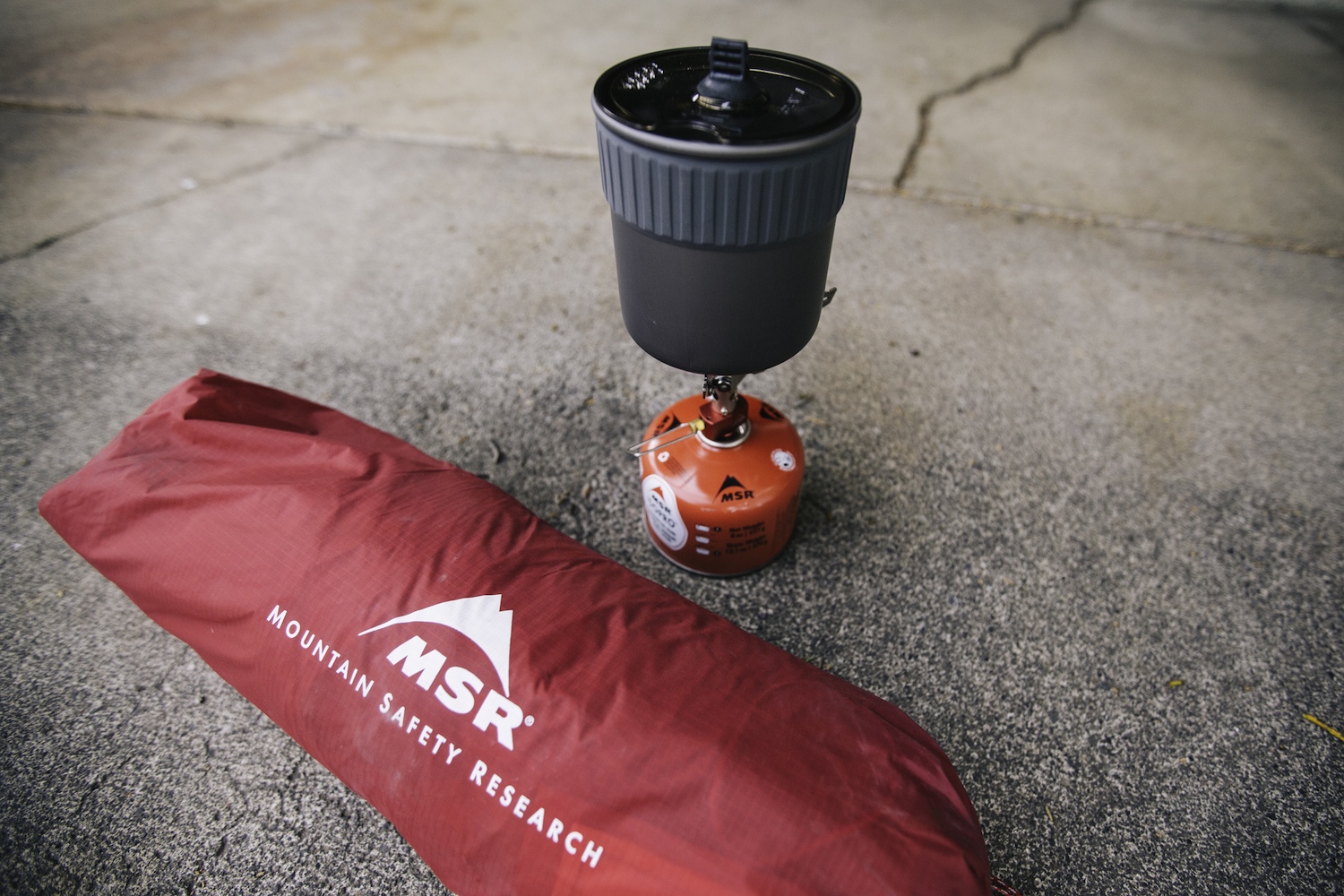
Camping: MSR FreeLite 3P Ultralight Tent + PocketRocket Stove Kit
We prefer three-person tents because they offer a little extra space to store wet layers, read or change inside. Thankfully, the three-person FreeLite weighs less than three pounds, which gives us all the benefits of a three-person tent in a super lightweight package. It’s simple to set up, which has saved us more than once and will likely again on the Divide. The PocketRocket stove is perfect for two people, with a 1.2-liter pot that boils in about three minutes, and a compact design that fits the canister and stove inside the pot when packed up.
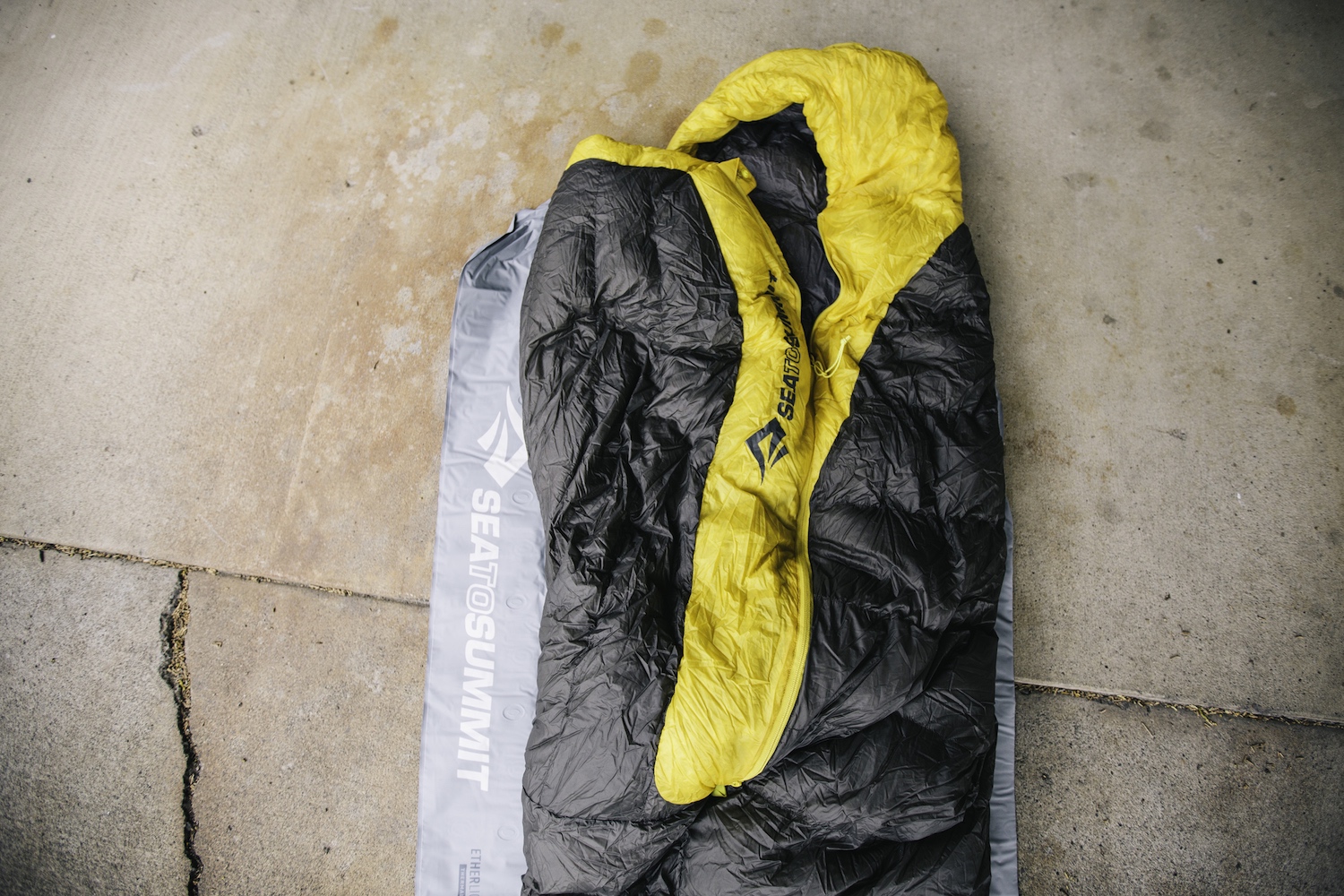
Sleeping: Sea to Summit Spark Sleeping Bag + Ether Light XR Sleeping Pad
At a shade over a pound, the 30-degree Spark is the perfect sleeping bag for anyone like me who sleeps warm and wants to pack as light as possible. On cooler nights I will sometimes wear a puffy to bed with me, but I’m usually warm enough sleeping only in baselayers. Paired with the Ether Light pad, which weighs about the same, the combo is about half the weight of many other sleep systems, offering 10cm of padded comfort below my sore body and 850-fill goose down all the way around me. It’s the best comfort for your buck available today, I promise.
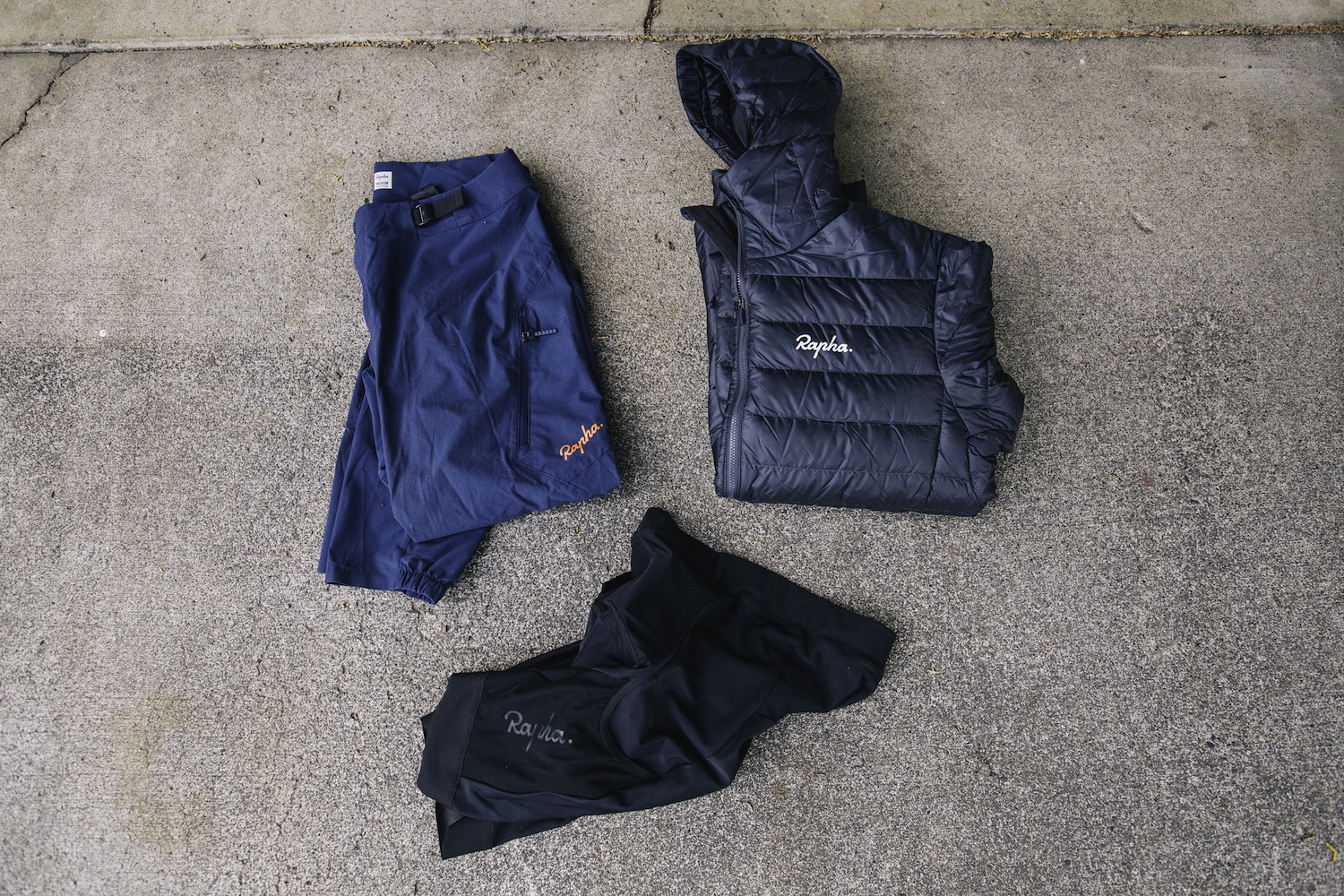
Kit: Rapha Thermal Base Layer, Core Cargo Shorts, Trail Pants + Explore Down Jacket
The longer the bikepacking trip, the fewer layers I like to pack. Essentially, I know everything will get sweaty and smelly, and I want to ride with the least weight possible. With that in mind, the two main parts of my riding kit are the Thermal Base Layer, because of its next-to-skin comfort and all-around versatility, and a set of cargo chamois with large side pockets that can carry all kinds of extra knickknacks. On cold days, I throw on a pair of trail pants, which are easy to ride with, and a windbreaker, which is plenty for me to stay warm unless we’re in a literal snowstorm. I also rely on these layers in camp and at night, which means they need to be extremely durable. As temps dip, I often throw on the Explore Down Jacket if needed.
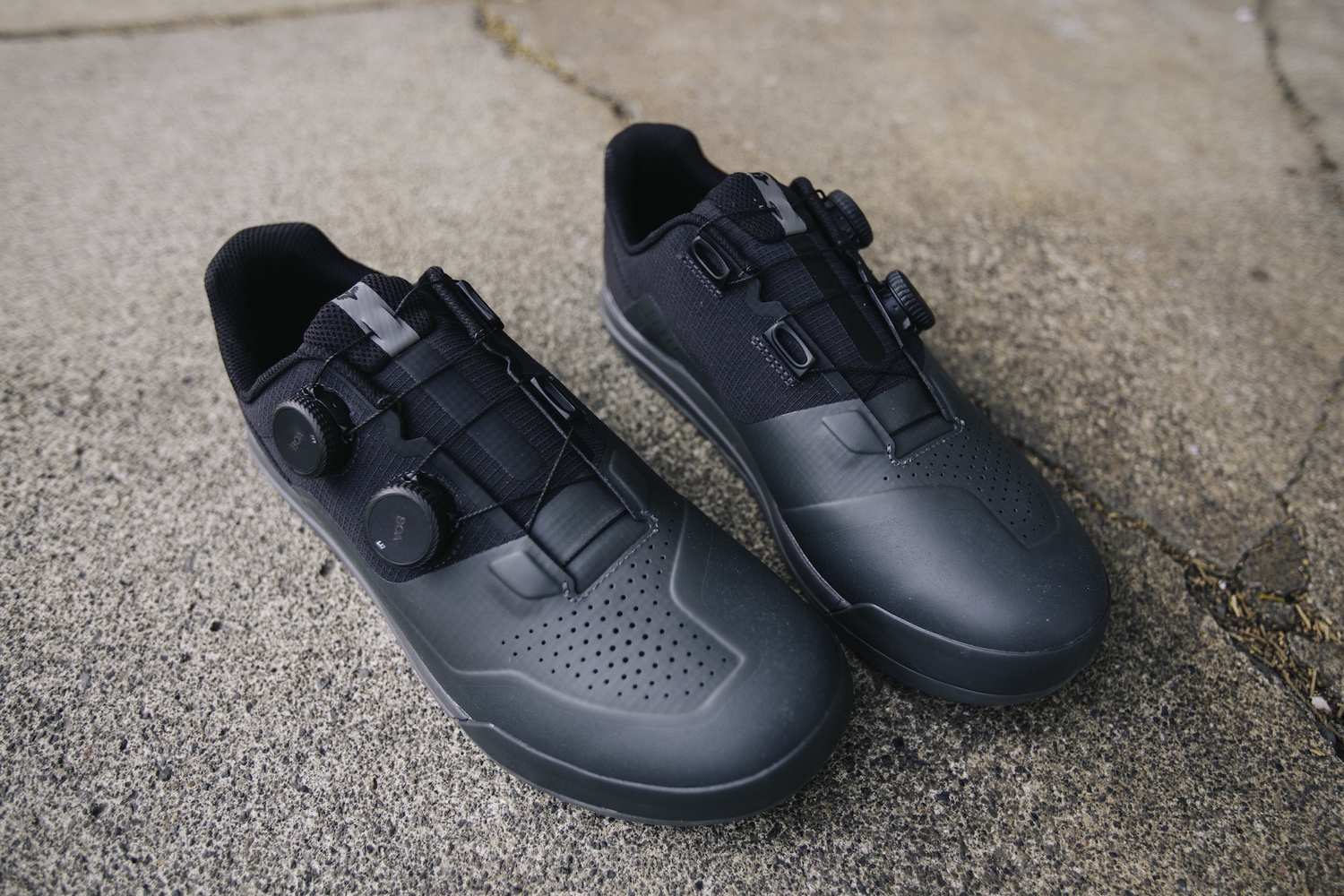
Shoes: Fox Union BOA Clipless
One of the most overlooked yet critical pieces of gear on a long bikepacking trip is a pair of riding shoes. Sometimes I carry a lightweight pair of sandals for in-camp, but often I just wear the same shoes all day — riding, cooking, restocking at a store, etc. With that in mind, I need a shoe that walks like a normal shoe, but also can clip-in, to keep me efficient on the bike. Thus, I wear the Fox Union, which comes with a BOA Li2 system for quick adjustability, a grippy rubber sole and sunken clip that makes the shoe very easy to walk around with normally. It also has added durability on the toe for rock strikes and an exchangeable arch support option to make it fit various foot shapes.