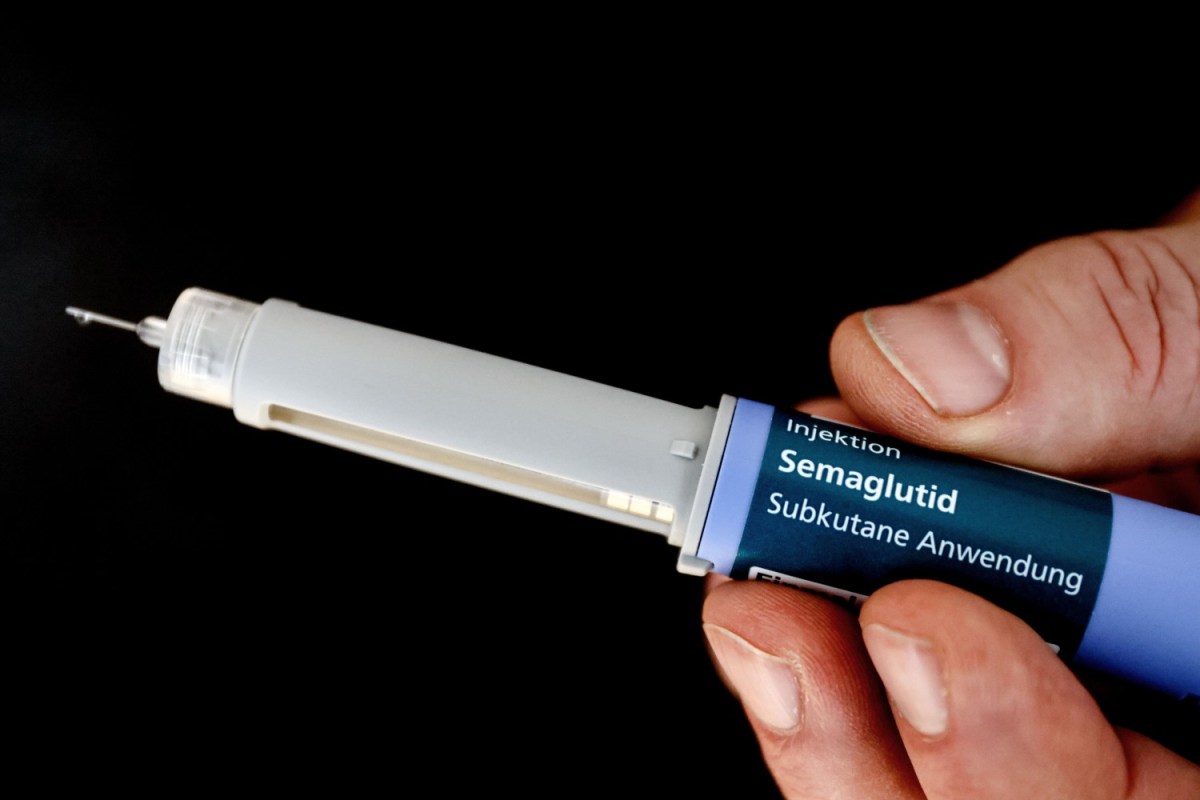
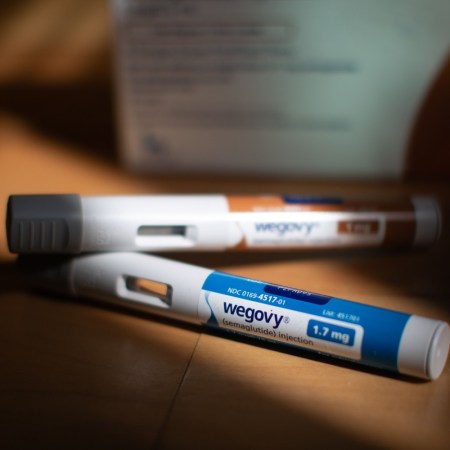
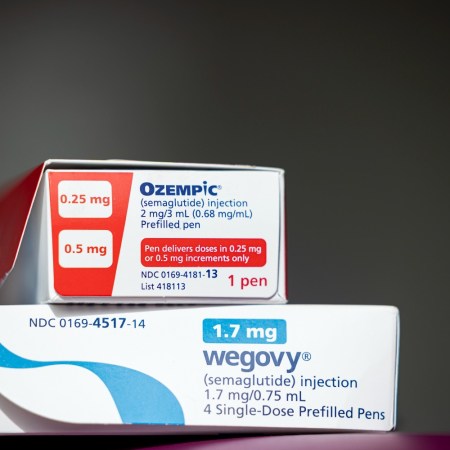
The research and development of new pharmaceuticals is increasingly an international affair, something that recent discussion about how tariffs might affect drug prices has made very clear. And even as GLP-1 drugs like Ozempic and Wegovy gain in popularity, scientists all over the world are looking for even more advanced drugs to address diabetes and weight loss.
Some of that research has involved companies based in the United States, including Eli Lilly, who recently saw an edible version of their GLP-1 medication get closer to being widely available. (According to The New York Times, they plan to see FDA approval for it later this year.) But Eli Lilly isn’t the only company working on potentially groundbreaking new drugs. As Rachel Fieldhouse reports at Nature, a number of Chinese pharmaceutical companies are also developing drugs that show promising results.
Nature highlighted several companies making big waves, including the work Sciwind Biosciences has been doing with ecnoglutide. As its name suggests, this drug takes a similar approach to semaglutide but has a different target in mind. Fieldhouse writes that it “preferentially targets the production of cyclic adenosine monophosphate” and notes that, in a recent clinical trial, 92.8% of the participants lost at least 5% of their body weight.

We’re Getting Closer to Edible GLP-1 Drugs Being Available
Pharmaceutical companies are working on itThat isn’t the only company working on developing game-changing new drugs. In May, Denmark’s Novo Nordisk announced it was licensing UBT251 from the Chinese company United Laboratories. The drug in question goes beyond addressing GLP-1, with an effect closer to that of Wegovy.
The idea of more companies developing drugs that can help address weight management and control diabetes is encouraging. That said, there could be some issues when it comes to distribution. As CNN recently reported, the aforementioned tariff debates could have a significant impact on which drugs end up heading overseas.

More Like This

Twice a week, you'll find guinea pig features, personal essays and expert interviews on living better — for however long you’re here. Subscribe to Champ now.