Welcome to Watchword, a series in which we break down key terminology to help you better understand the lay of the horological land. In this piece, we examine the ladies’ cocktail watch and how it relates to menswear.
If you dig through the (proverbial) horological library, you’ll find that the first dedicated ladies’ wristwatch was designed by none other than star Swiss-French watchmaker Abraham-Louis Breguet in 1810 for Caroline Murat, the Queen of Naples. A thin, custom-ordered timepiece, it integrated a repeater mechanism and carried Breguet serial number 2639.
Though custom commissions produced by other brands followed, it wasn’t until the Jazz Age that wristwatches — for both women and men — truly took off. While the men’s “wristlet” was initially dismissed by none other than The New York Times as a “silly-ass fad,” the First World War proved the need for men to have both hands free, thus eventually sending the pocket watch the way of the dodo.
Women, meanwhile — ahead of the curve, as ever — had already accepted the wristwatch as both practical and elegant. By the 1920s, this mode of timekeeping had truly come into its own. With money and Champagne flowing, watchmakers adorned these tiny timekeepers with diamonds and other decorations, giving birth to the cocktail watch.
Watchword: Tropical Dials
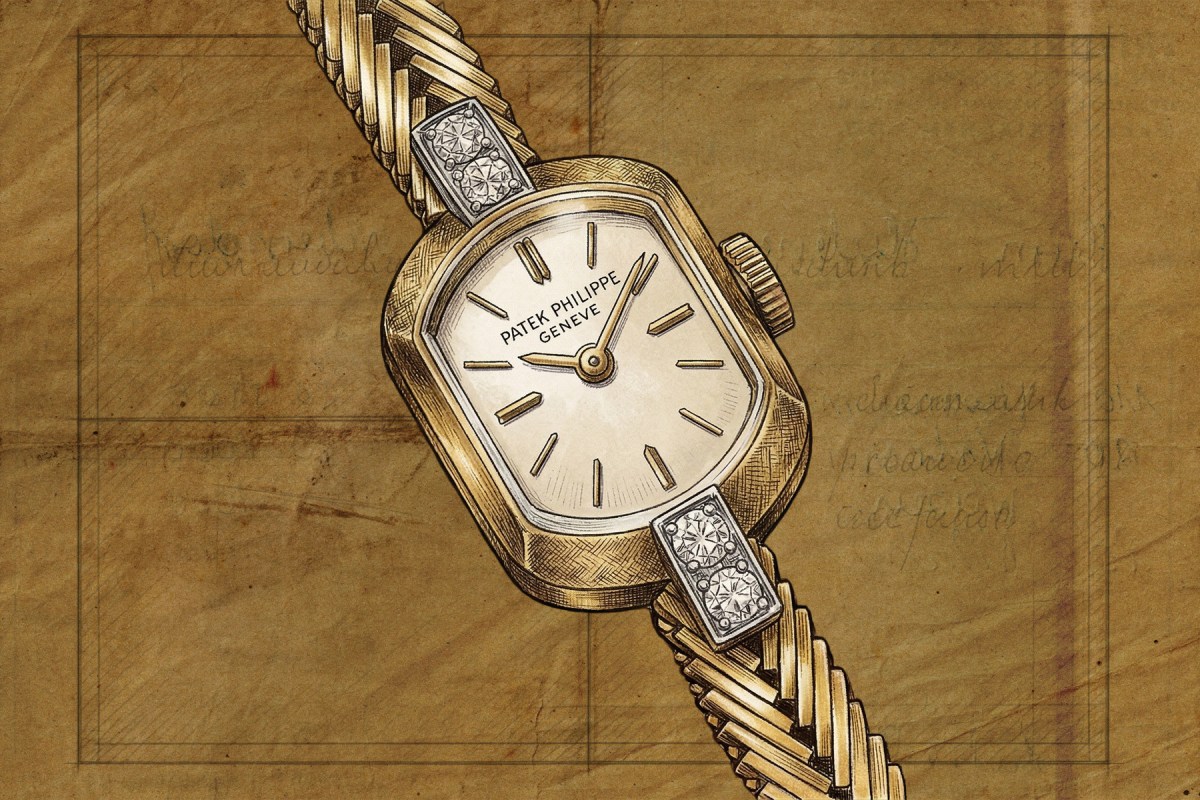
Why does a watch that is effectively defective command such a premium with collectors and aficionados?What makes a watch a “cocktail watch”? Typically, this timepiece features a small case (usually well under 30mm but often under 20mm) that’s made of precious metal with either a thin, matching bracelet or leather strap. Historically, the lug/bracelet designs were incredibly creative with ornate shapes influenced heavily by Art Deco trends, including the sorts of sumptuous curves and floral motifs that simply aren’t as prevalent in contemporary horology.
The use of diamonds and other precious stones was also pervasive during this time, but dials were often restrained with respect to timekeeping functionality. Two hands was the norm, though some models also boasted a seconds hand. (Who needs to track elapsed seconds during a black-tie affair at Jay Gatsby’s estate, praytell?) Given the time period during which they debuted, these watches were initially all hand-wound. But as technology advanced and post-War austerity gave way to international jet-set glamor in the 1950s and 1960s, automatic watchmaking technology took hold, so it’s not impossible to find an elegant, automatic cocktail watch.
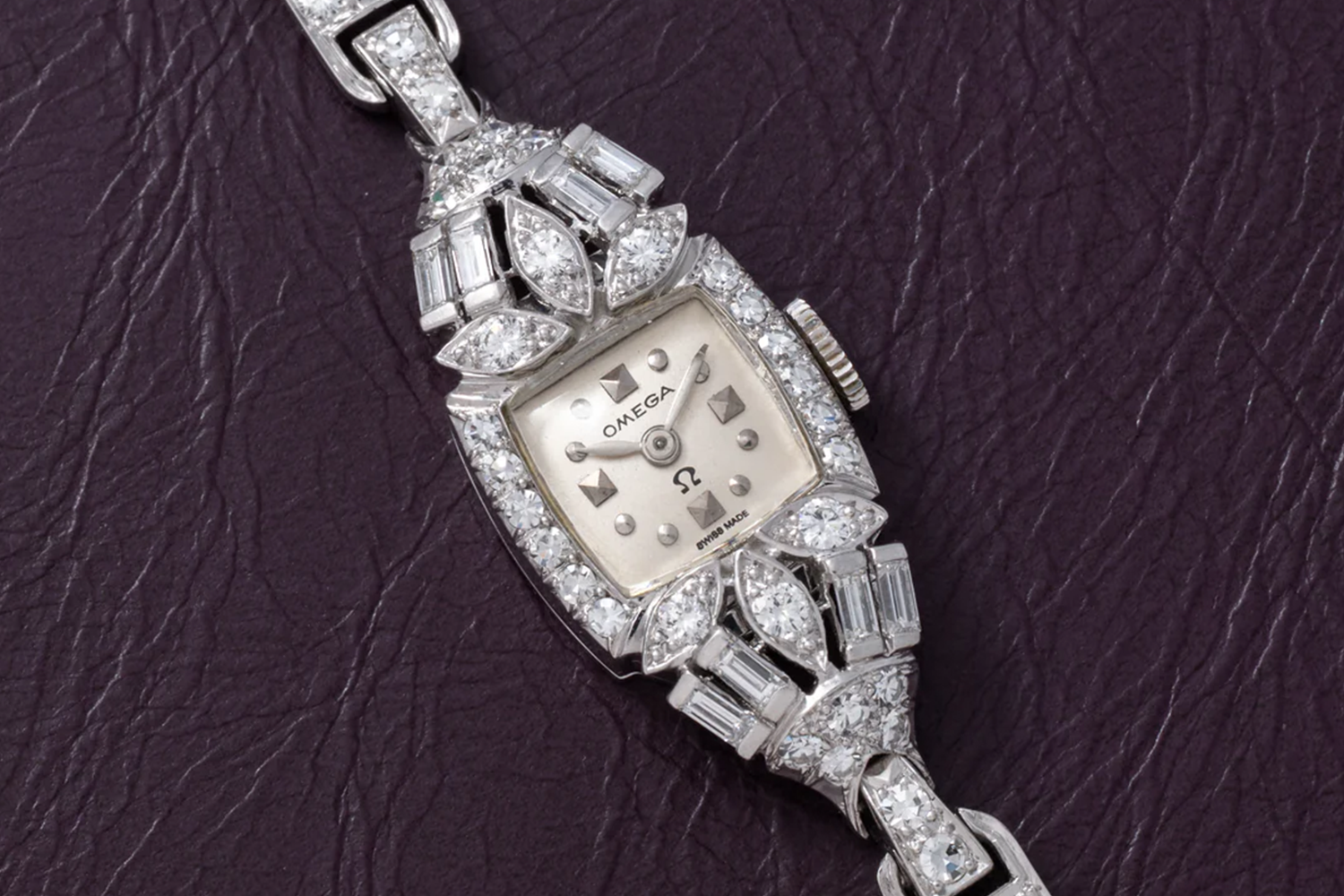
In examining cocktail watches from their golden age — say, the ‘20s through the ‘50s — it’s surprising to clock the number of examples in white gold and platinum and not necessarily ones from top-shelf brands like Patek Philippe, Vacheron Constantin and Audemars Piguet. Swiss producers such as Longines and Omega, as well as American brands like Hamilton and Gruen, were churning out platinum cocktail watches by the motherlode, slathering them in enough diamonds to fill Scrooge McDuck’s bank vault without so much as a second thought. The result is that today, there’s a profusion of such pieces on the market, and despite elevated values in precious metals, they can often be had for a song compared to what a comparable contemporary piece would cost in the same metal.
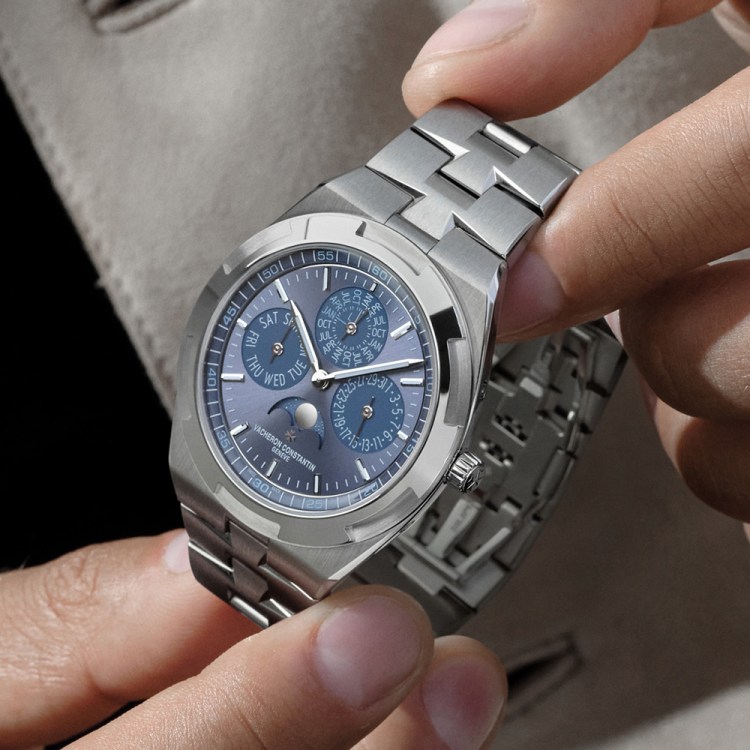
So how do cocktail watches — once strictly the province of the female consumer and made for wearing on special occasions — relate to men and menswear? Sometime around 2022 or 2023, the inevitable pendulum swing away from chunky stainless steel “luxury sports watches” and toward more reasonably-sized, svelte timepieces began.
Whether because many of the former were simply too big and heavy for many men and their lifestyles or because the more famous of these models were all but impossible to purchase at retail, stylish guys began looking toward dress watches, smaller pieces in precious metal on leather straps or matching bracelets. Sound familiar? The rise of Piaget — which began reissuing classic models inspired by pieces from the ‘60s and ‘70s — sparked interest in the brand’s wildly creative vintage stone-dial wares, while Cartier rode the elegant wave to eclipse Omega in revenue, putting it just behind Rolex with respect to sales volume.
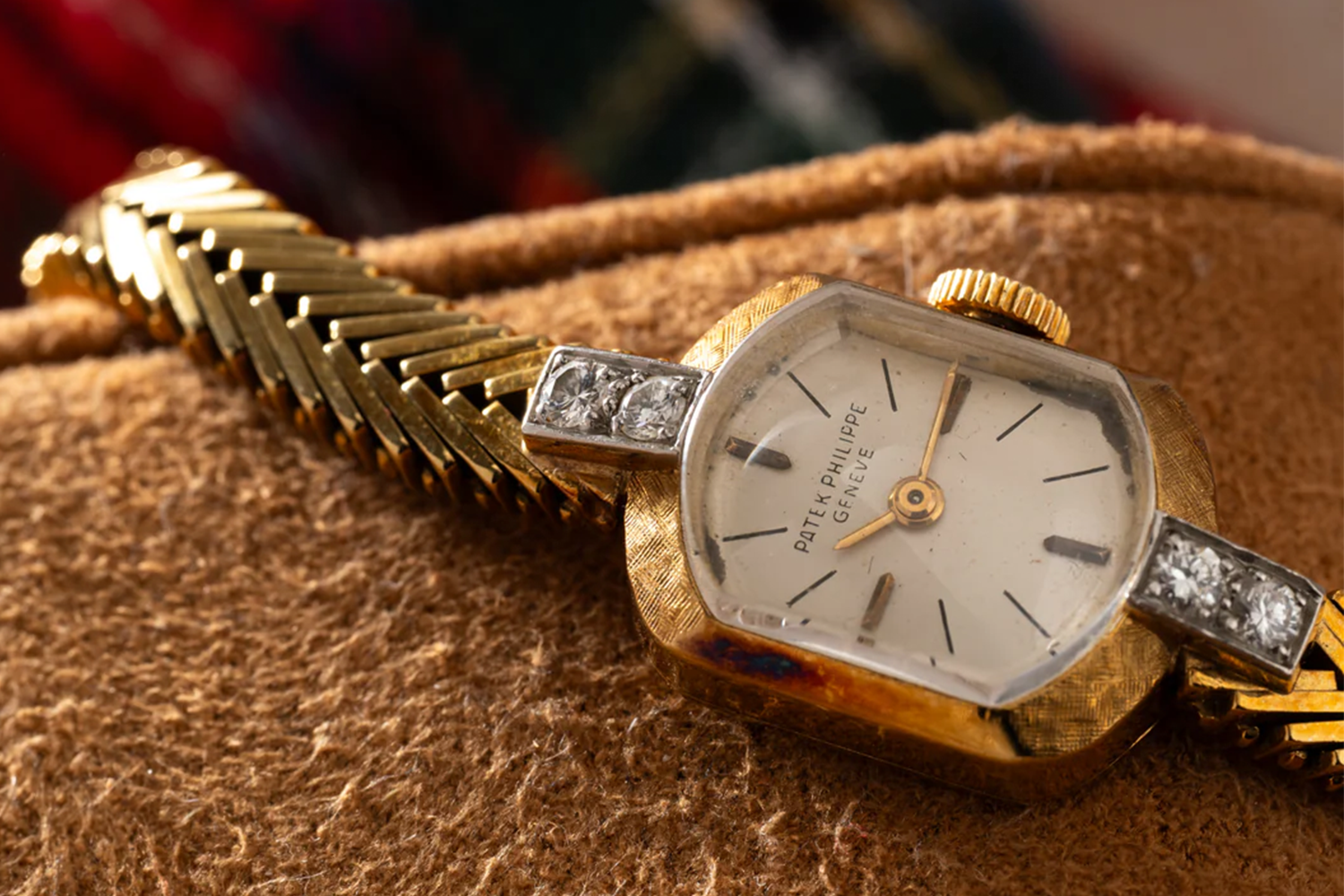
In 2026, this wave hasn’t yet subsided. Celebrities like Timothée Chalamet, Tyler the Creator, Justin Bieber and Usher have all been spotted in teensy dress watches, and vintage dealers such as NYC’s Analog:Shift and L.A.’s Oliver & Clarke are doing a brisk trade. At the moment, it seems like men — even the celebrities whose stylists place a watch on their wrists ahead of an awards ceremony — are erring more on the side of “smaller versions of larger watches” rather than outright cocktail watches (a tiny Tank Louis Cartier, for example, or a Mini Royal Oak). But given the sheer variety of dedicated vintage cocktail watches out there, and the fact that they were largely ignored by the market for decades, it wouldn’t be particularly surprising to see this segment of buyer fully embrace the vintage ladies’ cocktail watch in the near future.
So long as the black-tie invitation compels people to dress their best, such timepieces will have a place in one’s wardrobe. For the most adventurous men out there who aren’t intimidated by the idea of a sub-30mm case — or by precious stones and floral motifs — these present a horological option with few creative boundaries. To ignore them is to miss out on a fascinating corner of the watch world, one that, it would seem, is poised for a resurgence.

More Like This
The world of men’s style, from the streets of NYC to the showrooms of Milan, run down weekly by writer and photographer Christopher Fenimore.