This story is part of The Journey Awards 2026, covering the best in hotels, airlines, destinations and travel products. Find the full awards here.
- A Definitive Ranking of the Best of the Worst Airlines
- The Best Major Airport Lounges, Ranked
- That’s Not an Aspen Forest, It’s a Groundbreaking Hotel
- “A Room Should Satisfy All the Senses”: The NYC Hotels Raising the Design Bar
- The Best City to Visit Solo Is Also Seriously Misunderstood
Flying these days is a fraught dilemma, with cost versus convenience at the core of the debate. But when the goal is not just to fly, but to fly well, airline loyalty becomes another factor entirely.
We’ve broken down major airline alliances in the past. Now, we turn our gaze to the vexing, convoluted world of airline rewards and frequent flyer programs. When it comes to choosing the right program for you, there are myriad considerations: Which airline has a hub at your nearest airport? How often do you travel internationally versus domestically? What parts of the country and the world do you travel to the most? How much do you spend on your credit card to juice up your status and miles?
There’s no perfect solution — no universal remedy for the headaches of modern air travel. The right strategy depends on your own priorities and flying habits. For some, spreading loyalty across two or more airlines may make sense. But for most travelers, the wiser move is committing to one carrier and squeezing every possible benefit from it: upgrades, award tickets, lounge access and beyond.
This could be a doctorate-level dissertation, so we’ve done our best to organize our intel and provide you with the insight you need to get started.
The Majors
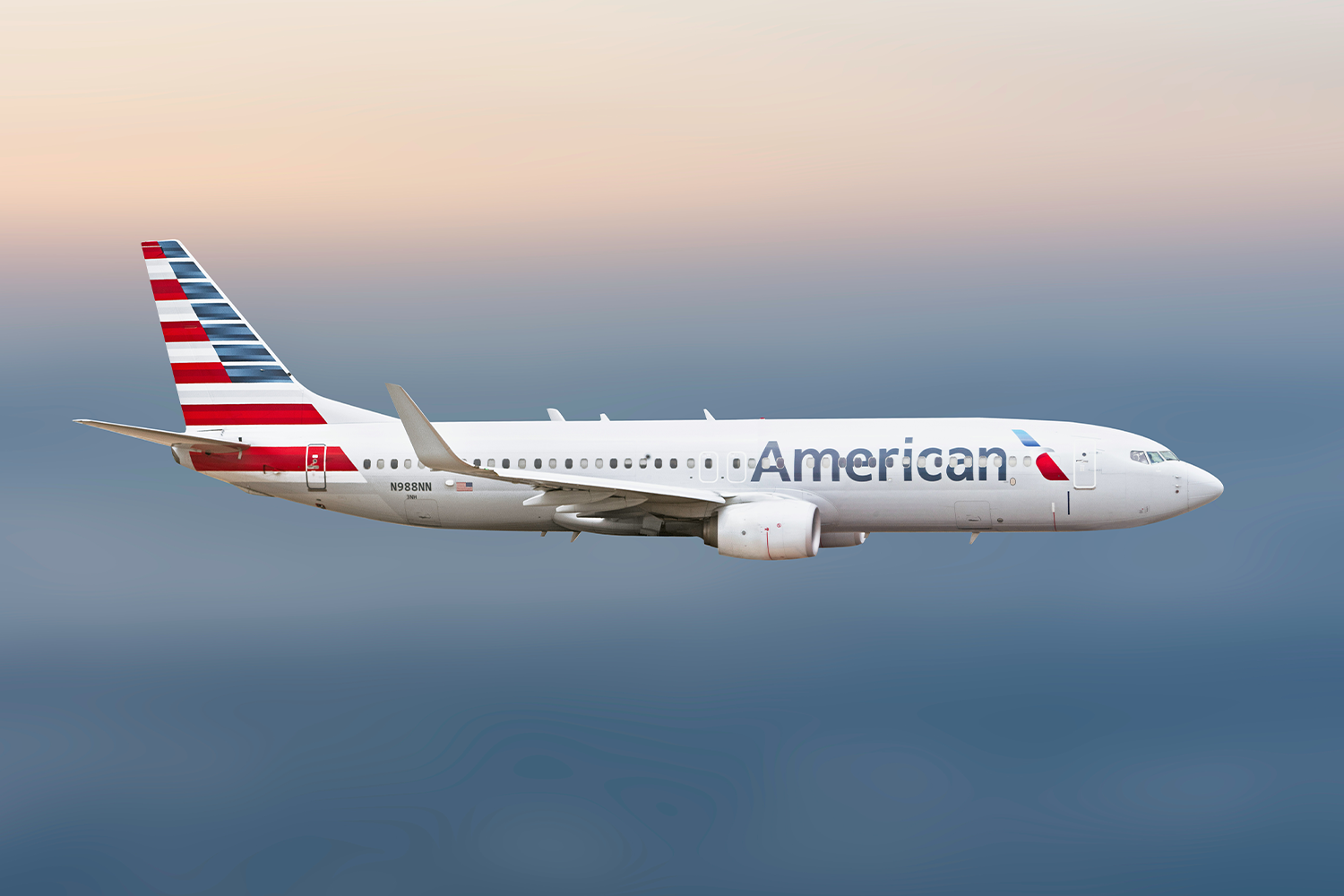
American Airlines AAdvantage
Status Tiers: Four standard levels – Gold, Platinum, Platinum Pro, Executive Platinum, plus the invite-only ConciergeKey program
Global Alliance: Oneworld
Upgrade System: SystemWide upgrades (SWUs) available at Platinum Pro and higher
Rewards Tier “Currency”: Loyalty Points
Most Important Takeaway: It’s more rewarding to be at the upper echelon of the American family than its two major U.S. counterparts.
Of the triumvirate of major U.S.-based carriers, American’s AAdvantage is considered to offer the most bang for your buck for top-tier status members. In terms of miles themselves, there are literal calculations of this, with a single American Airlines mile holding value of up to 1.5 cents, whereas other major carriers are valued closer to 1.2 cents. That matters on a scale of hundreds of thousands or millions of miles.
Upgrades on AA are easy and generally accessible to a wide swath of fliers on a wide swath of flights. When it comes to routine long-haul travel days, that enhanced upgrade availability is really what status is all about. American’s status transfers over generously into Oneworld, where Platinum Pro members and up receive its highest Emerald designation, and the corresponding lounge access and expedited security/boarding access it provides when flying on partners.
Delta SkyMiles
Status Tiers: Four standard levels – Silver, Gold, Platinum, Diamond, plus the invite-only 360 program
Global Alliance: SkyTeam
Upgrade System: Regional upgrade certificates available at Platinum and higher; Global upgrade certificates available to Diamond members
Rewards Tier “Currency”: Medallion Qualifying Dollars (MQDs)
Most Important Takeaway: Delta’s program has become devalued and is in need of a revamp.
Delta’s program has received blowback in recent years, as it’s become less rewarding than ever. Most longtime members believe they spend more time earning and maintaining their status than they do reaping the benefits of it, while too many credit card holders have clogged lounges. Only Diamond members receive access to Global upgrades, and these only guarantee a bump of one class of service. And regardless of how many miles are accrued, no additional upgrades become available, as opposed to how both United and American dole out additional upgrades beyond initial allotments, rewarding those who fly the most.
Helping to counter some of that negative energy is that of the three major U.S. carriers, Delta’s domestic on-board product is viewed as the best of the bunch. On top of that, its Delta One Suites on long-haul flights also score the highest, though they’re not available on all of its international flights, and both American and United are debuting enhanced business class products with which to contend.
United MileagePlus
Status Tiers: Four standard levels – Silver, Gold, Platinum, Premier 1K, plus the invite-only Global Services program
Global Alliance: Star Alliance
Upgrade System: PlusPoints available at Platinum and higher
Rewards Tier “Currency”: Premier Qualifying Points (PQPs)
Most Important Takeaway: There’s a huge jump in perks between Platinum and Premier 1K status levels.
Status members on United are abundant, and therefore capitalizing on perks such as complimentary upgrades is sometimes difficult. There are loads of even 1K members out there. On the other hand, Star Alliance is the most powerful of the major alliances, with key partners in every region, offsetting United’s lagging domestic aircraft quality and seating or product experience.
While Platinum members can dip their toes into the PlusPoints waters, 1K members receive a veritable bounty of them in comparison — enough that frequent travelers will be hard-pressed to use them all, as these upgrades won’t always clear, especially on the busiest long-haul routes.
The Alternatives
Alaska & Hawaiian Atmos Rewards
Status Tiers: Four standard levels – Silver, Gold, Platinum, Titanium
Global Alliance: Oneworld
Upgrade System: Upgrade certificates available at mileage intervals after Gold
Rewards Tier “Currency”: Status Points
Most Important Takeaway: This is a highly powerful and capable rewards program — if you live in a region to take advantage of it.
The combination of Alaska and Hawaiian has put together a larger flight route map than you might expect. Even more crucial for loyalists to these airlines is that they get to join up with the Oneworld family as well, with status equivalency the same way that American Airlines members enjoy.
Upgrade certificates become available sooner — at designated mileage intervals falling in between Gold and Platinum — and more often than the majors. Another perk is that this year the program is offering Titanium members complimentary day-of business class upgrades on long-haul international routes, without using points or certificates, something the aforementioned majors don’t do.
Pound for pound, it may be the best U.S. carrier rewards program out there, but it only makes sense if you live in one of its core service areas, such as the Pacific Northwest.

The Journey by InsideHook
Join over 100K travelers seeking trip ideas, the latest travel news, and all the inspiration you need for your next vacation.
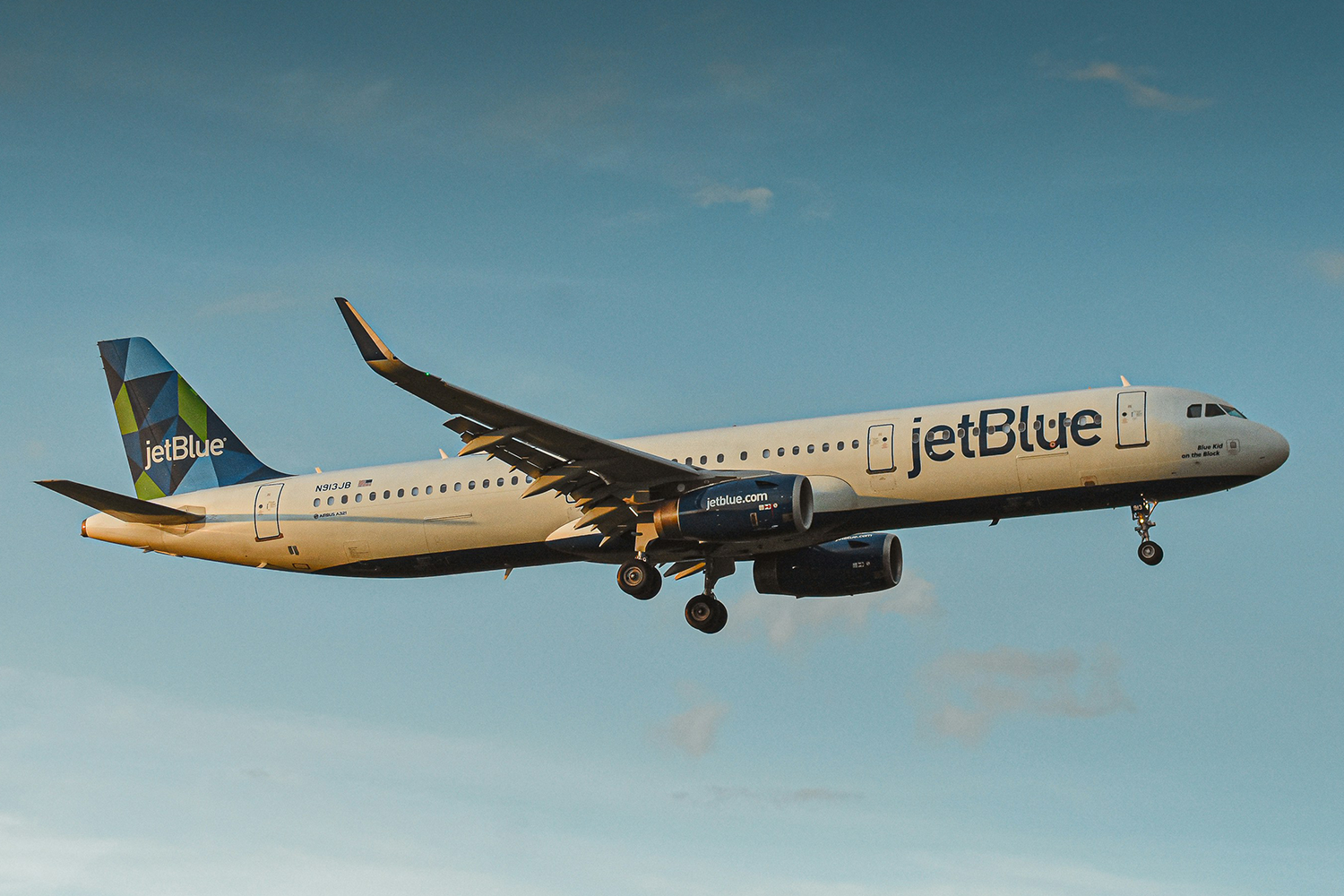
JetBlue TrueBlue
Status Tiers: Four standard levels — Mosaic 1, Mosaic 2, Mosaic 3, Mosaic 4
Global Alliance: NA
Upgrade System: Move to Mint certificates available at Mosaic 3 and higher
Rewards Tier “Currency”: TrueBlue points & Tiles
Most Important Takeaway: A crucial enhancement with the just-launched partnership with United, allowing for booking and earning across these two networks.
In the alliance and loyalty arms race, JetBlue and United made a synergistic move by sharing their networks and earning capabilities. This will occasionally pay off for United fliers, maybe when headed to a Caribbean island that JetBlue services but United doesn’t, but it makes a huge impact for TrueBluers tapping into a far greater number of flights. This combines with the spread of its Mint business class service, and a small but growing lineup of long-haul flights.
JetBlue is therefore splitting the difference nicely between the realms of a more budget-oriented, standalone carrier and one that is maturing with expanded services and partnerships. Navigating a double-tiered system of earning both points and “Tiles” is both somewhat confusing and also somewhat more flexible, whereas most other airlines have primarily shifted focus into a single, catchall earnings category based on total dollar spend.
Southwest Rapid Rewards
Status Tiers: Two standard levels – A-list and A-list Preferred
Global Alliance: NA
Upgrade System: Complimentary upgrades, though Southwest doesn’t have true seating cabin classes
Rewards Tier “Currency”: Tier Qualifying Points (TQPs)
Most Important Takeaway: With assigned and paid seating, Southwest is really now more akin to any other budget or mid-tier carrier.
Southwest has taken away the boarding and seating policy that made it most distinctive from its competition. It still strives to differentiate itself on the merits of its onboard service, as well as the ease of booking rewards tickets and the broad benefits of its Companion Pass, an unlimited offering for its busiest loyalists and a huge perk.
For regional travelers traversing the airports that Southwest services, the airline remains a convenient and rewarding choice. But for anyone looking to tap into larger international networks or airlines with first-class seating and other enhanced amenities, it’s a designated no-fly zone.
International Alternatives
There’s nothing stopping you from joining a frequent flyer program from any airline around the world. This makes sense when there’s a prestige airline tied to a destination you’re frequenting. If you’re flying to Dubai once a month and Emirates has a direct flight from your city, yes, by all means, sign up for Emirates Skywards. Same goes for Turkish Airlines and Istanbul, Cathay Pacific and Hong Kong, or Singapore and…Singapore.
While that doesn’t match most of our travel patterns, there’s still an international alternative you might want to consider. Flying Blue is the joint program of Air France and KLM, which domestically here in the States connects you into Delta via SkyTeam. That becomes even more robust when you live in a city where there’s frequent service to Paris or Amsterdam on Air France and KLM respectively. Once reaching those European hubs, you can continue onto the rest of their networks.
The reason Flying Blue is so beloved is that rewards tickets come in at sometimes shockingly low mileage levels compared to what loyalists to the numbers seen across the three major U.S. carriers.

More Like This


We're always on the scene eating, drinking and traveling near and far to bring you the best of what's happening out in the real world. Sign up for IRL now.