What do you do with old EV batteries? That’s a question both automotive manufacturers and environmental advocates must wrestle with, especially as electric vehicles become more popular around the world. In the United States, the startup Redwood Materials, founded by a former Tesla executive, is using old batteries in microgrids. Across the Pacific Ocean, Toyota just made a big step forward in a similar initiative.
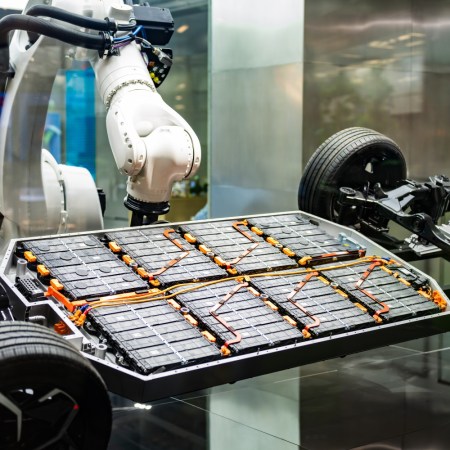
In 2022, the automaker provided details about the Sweep Energy Storage System which, a Toyota statement explained, made use of “batteries reclaimed from electrified vehicles (HEV, PHEV, BEV, FCEV).” (The first such system began operations in October of that year.) The “sweep” part of this concept refers to a piece of engineering that allows fuller use of older batteries, enabling them to be utilized “to their full capacity regardless of their level of deterioration.”
Toyota’s announcement three years ago involved connecting the Sweep Energy Storage System to a commercial electric grid. This month, Toyota and Mazda revealed that they have begun testing the system at Mazda’s factory in Hiroshima, Japan. A statement from Toyota said that this new system would eventually “be used to regulate power supply and demand from renewable energy.”
Mercedes and BMW Are Upgrading Their EV Battery Tech
Including some ambitious solid state testingIn an article for Autoblog, Stephen Edelstein explained the significance of these new tests and of Toyota’s system in general. He notes that Toyota’s technology “theoretically allows for battery packs with different cell types, chemistries, and different states of health to be used together. That’s important, given that Toyota won’t able to control which batteries end up in the discard pile.”
How big a difference that will make to an automaker’s energy requirements remains to be seen, but these tests at Mazda’s facility should be insightful.

More Like This

We're always on the scene eating, drinking and traveling near and far to bring you the best of what's happening out in the real world. Sign up for IRL now.