According to statistics from the National Eczema Foundation, around 10% of the U.S. adult population is living with eczema. Eczema can take several different forms, including atopic dermatitis; this condition can sometimes flare up at inopportune moments, leaving affected people with inflamed or infected skin. Now, the results of a recently-published study have given experts a new window into one key aspect of eczema: its connection to stress.
This week, Science published a paper that offered a deeper look into the relationship between stress and skin inflammation. The researchers found that there was “a specific association between stress-induced eosinophilia and skin inflammation severity in [atopic dermatitis] patients.”
If you’re reading this and wondering what eosinophilia is, here’s a quick overview: the term is used to describe a situation where the body produces an abundance of a certain type of white blood cells. According to the Cleveland Clinic, a number of different conditions can lead to eosinophilia, including blood cancer, inflammatory bowel disease and vasculitis.
The researchers behind the paper published in Science suggest that activity in a certain group of neurons may be responsible for the connection between moments of stress and heightened eczema. As a result, the authors also suggest that targeting these neurons may work to reduce the impact of the aforementioned eczema.
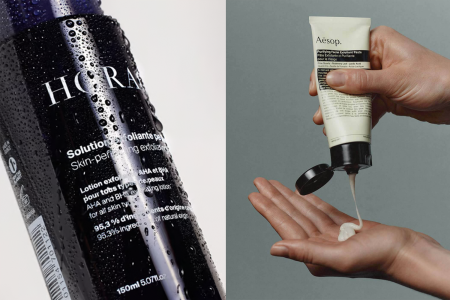
The Best Men’s Exfoliators to Refresh Your Skin for Spring
Shed dead skin and get ready for the glow-upWriting at Nature, Miryam Naddaf explored how this group of scientists came up with these results — and where these findings might lead. One important caveat here is that the research involved both data from people living with eczema and research carried out with mice. Presumably, the next step involves more research on human subjects — but this makes for an compelling beginning to a new line of inquiry.

More Like This


Twice a week, you'll find proven advice and tips, expert interviews, deeply reported features and personal essays on living better — for however long you’re here. Subscribe to Champ now.