As we march towards middle age, aspirational dreams like learning the guitar or studying a second language give way to kids, bills and emails. That’s just the way it is. Right?
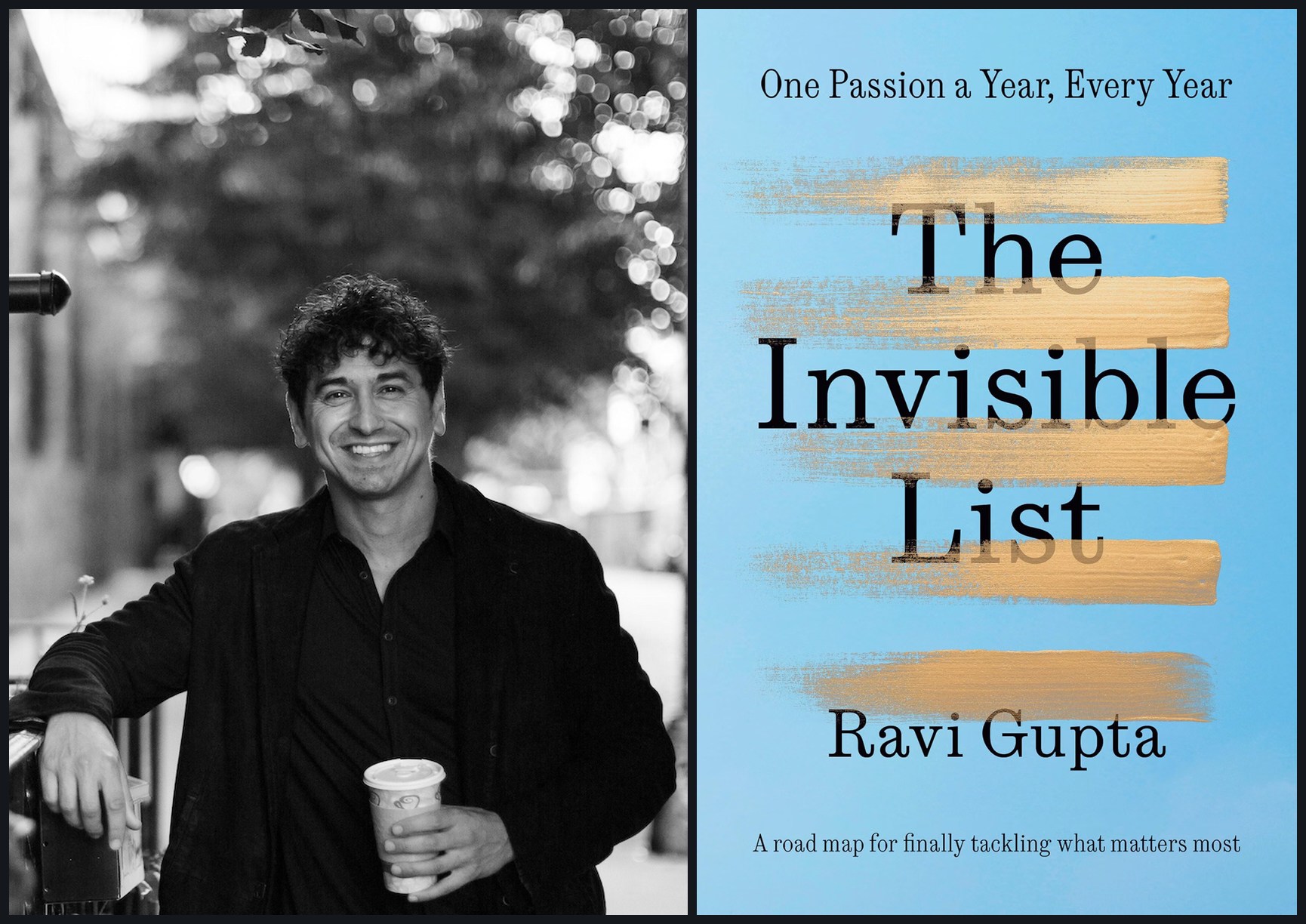
Not according to Ravi Gupta, who argues that middle age shouldn’t put us at automatic odds with our would-be passions. At 43, the former Obama administration staffer has written a book, The Invisible List: One Passion a Year, Every Year, about dedicating each turn of the calendar to mastering a new hobby. Since 2018, he’s tried his hand at surfing, tennis and Italian cooking.
I recently spoke with Gupta about his desire to make more of each new year, and how you too can get back in touch with those things you always wanted to master — or at least give the old college try. With 2027 right around the corner, right now’s a perfect time to start planning your first “year of learning.”
Tom Ward: You’ve been learning one new thing each year since 2018. What keeps you motivated?
Ravi Gupta: I love learning. I love the experience of going from a true beginner to an intermediate, this experience of finding some new domain and going through this awkward phase of building whatever skills and experiences enable you to do it. It’s especially important in the age of AI. We don’t really know what the future is going to look like, but the ability to adapt and learn new things is more critical than ever. Being systematic about taking on new experiences and skills is probably going to separate the people who succeed in this new world from those who really struggle.
What’s been the best thing you’ve learned so far?
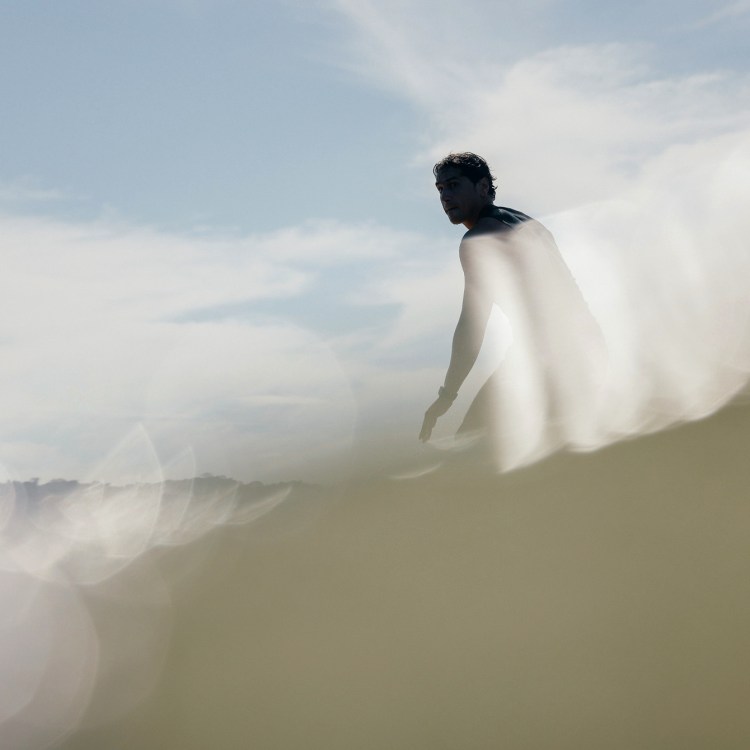
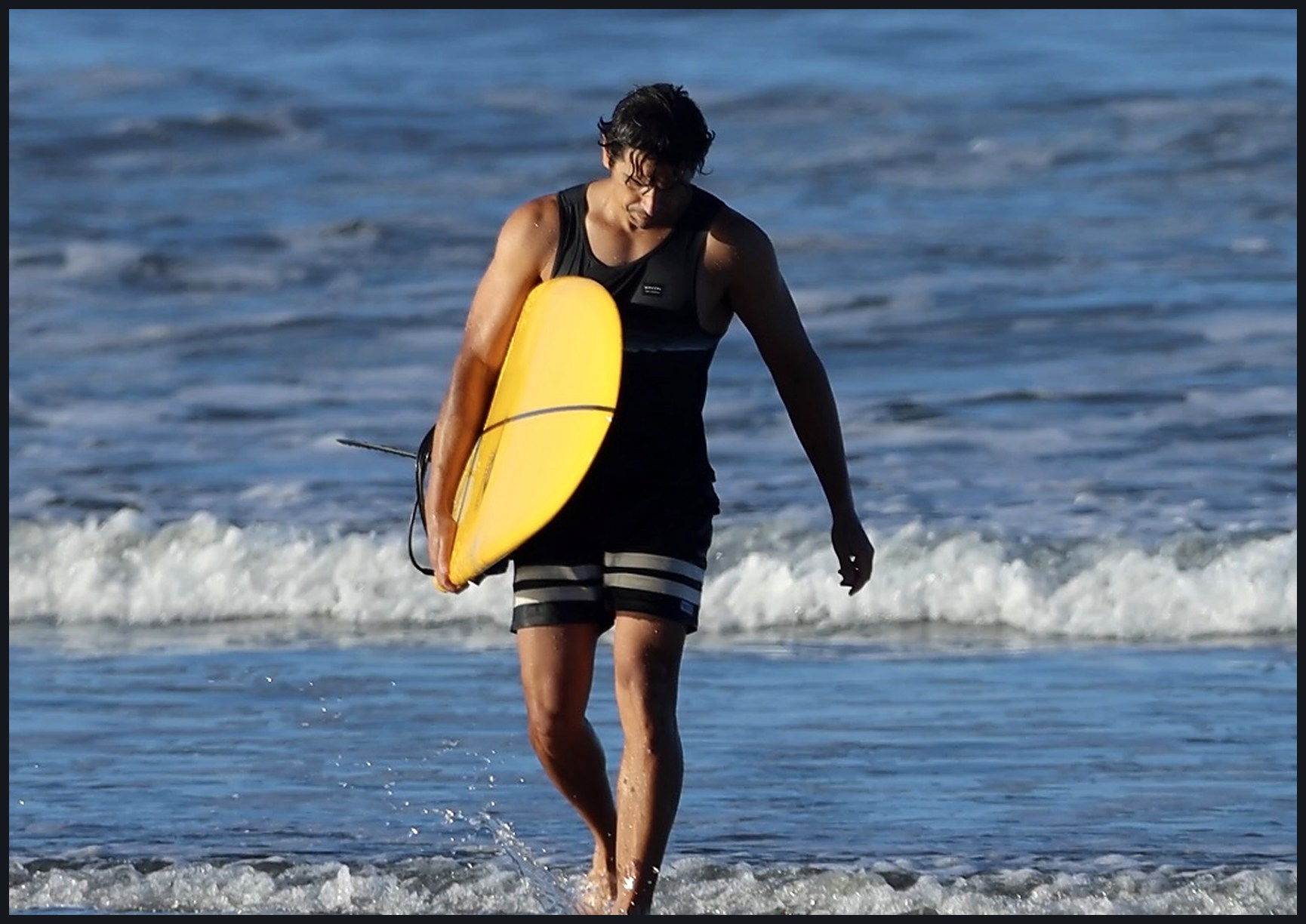
Probably surfing, because surfing is a mystical experience. You’re out in the ocean. It’s beautiful. It’s the thing I always thought about doing since I was a kid, but for one reason or another, didn’t do. You meet a lot of people and it’s so challenging. Overcoming those obstacles really taught me a lot about myself.
Has learning new hobbies become easier over the years?
For sure, there are certain skills that are transferable: setting the right goals, doing the proper research, building repetitions. Then there are some things that are goal specific. If you’re learning to cook, for example, there are things that are uniquely challenging about cooking versus playing tennis, right?

Why Sucking at Your Hobby Could Be a Secret Weapon
Amateur hour is where the real benefits hide. Set forth and “fail.”Why do you think we lose interest in the things we once loved?
I think it’s because the world has a way of telling you to be “responsible,” and what that means is narrowing the amount of things you pursue, often in favor of making as much money as you possibly can. We have this narrow conception of what success looks like. Often it’s about setting up yourself and your family in a material sense. But the question is, “What actually makes life worth living?”
But how do we justify pursuing our own interests if there’s no tangible or monetary reward?
Whether you’re a single dude or you are married and have kids, your life becomes so much richer when you’re excited, you’re growing, you’re meeting new people, you’re having new experiences. Your kids are better off when they see you that way, and your spouse is more attracted to you when you’re giving oxygen to these interests. And the best way to meet people and build strong relationships with them is not to go sit on a beach or network at conferences, it’s to do something meaningful alongside them.
What’s the most important first step if I’m planning my own year of learning?
I always spend three weeks doing meta learning before I begin doing the thing. You have this planning stage where you’re researching, watching videos, reading, learning habits, then there’s the actual start date, where you’re going to go out and actually do the thing. If you’re learning Portuguese, this is the day you go out and try speaking it to somebody. If you’re learning to sing, this is the day you sing in front of some friends. It’s important to do this in the first week in order to really commit.
How should I pick my project?
We’re all different, but there are certain types of passions that require a lot of time and potentially also money, and these might be good for people who are either in retirement or on a sabbatical. The opposite, which I call “anytime, anywhere passions,” require less flexibility or money. You can fit them in during a small window throughout the day.
Most of us start strong then taper out with things like this. How do you stay committed?
That pre-planning phase really helps. I like to plot out key milestones throughout the year, with an ultimate goal at the end. Also I try to get a sense for: “Who are the experts I need to talk to?” “When should I book a course in this?” “Do I need to go away to a camp to focus?” If you’re learning tennis, for example, booking a coach three months in is great because you’re over that initial enthusiasm and it lends a fresh perspective to what you’re doing.
What else can we do to make sure we stay the course?
Only plan one thing a year. We can all lose motivation then ignore what we’re doing and run at a shiny new thing instead. Don’t do that. Planning out your year in advance helps build in these periodic catalysts for yourself, whether it’s a learning course or investing in a new piece of equipment. That helps make it more rewarding. Journaling as you go is very helpful too so you can look back and accumulate little fixes to what went wrong.
How important is actually finishing the thing?
That’s the biggest thing I’ve learned: you just have to finish. You have to keep pushing, whether it’s elegant or not. Don’t give up. Even if you’re in a rut, you finish. Then the beautiful thing is, you just hit refresh at the start of the year and try again. It doesn’t matter if this year was a challenge or ultimately a disappointment, you put it aside and just keep moving forward.
More Like This

Twice a week, you'll find proven advice and tips, expert interviews, deeply reported features and personal essays on living better — for however long you’re here. Subscribe to Champ now.