
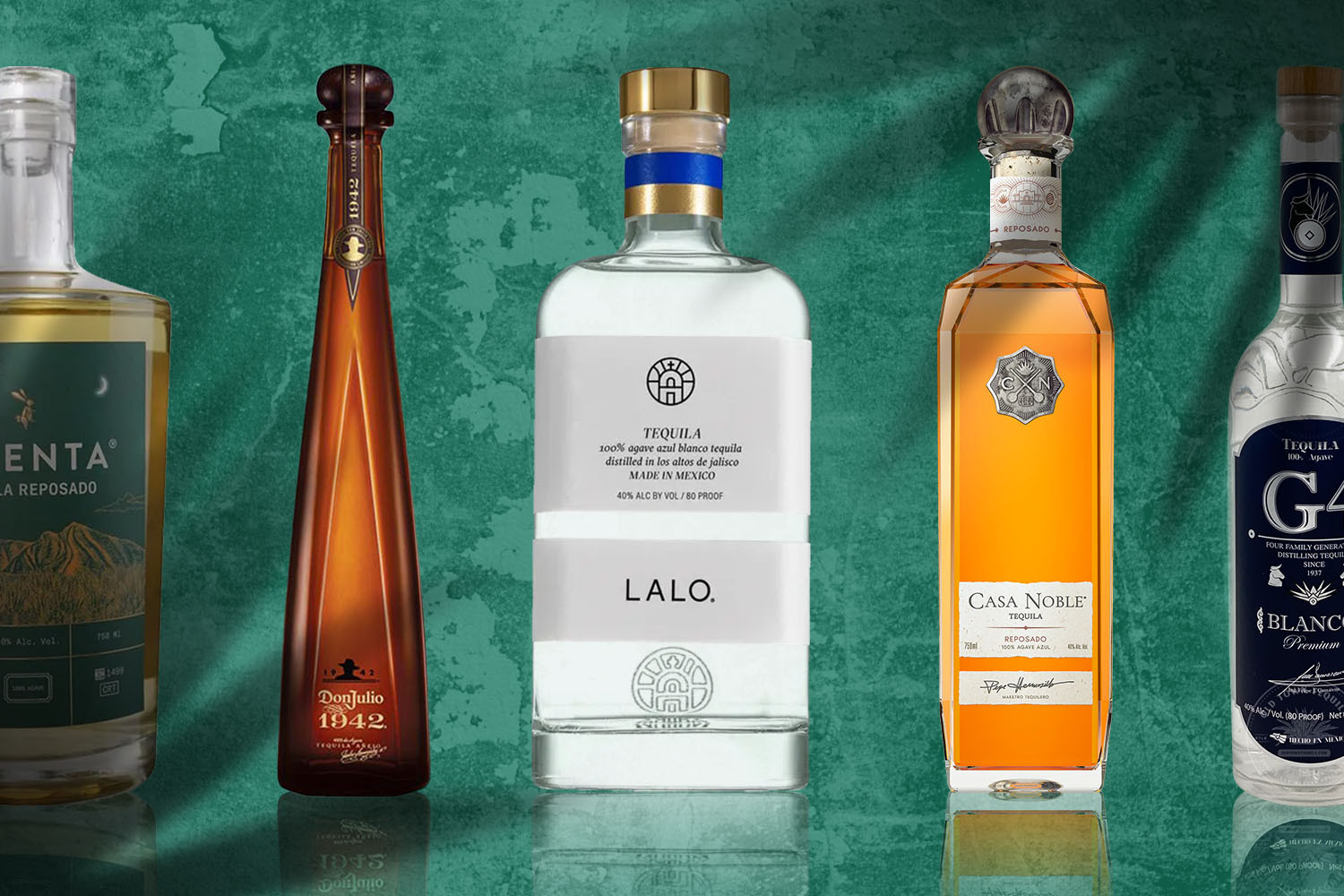
There are thousands — yes, thousands — of tequila brands, and for good reason. Sales of agave spirits continue to hold steady (or even grow slightly), even in the worst economic conditions. And even with a glut of brands and general ennui in the drinks world, the category is still showing signs of finding new markets (Europe, Asia and also a trend that moves beyond blanco into reposado tequilas). Basically, everyone likes tequila.
Whether you’re going out or ordering in for Cinco de Mayo this year, tequila will be on the menu. Below, we’ve highlighted 50 great bottles that are worth your time and money, all of which we’ve sampled and tested over the years to identify the best emerging labels and bottles, along with some standbys that never get old. We started this list in 2021, and this year, we added a few newcomers and changed a couple picks if a brand we liked came out with something new (and better).
For the most part, we tried to narrow our selections to tequilas you actually have a chance of trying, whether via a good local bar, liquor store or online shop (ReserveBar, Frootbat, Total Wine, SipTequila or almost any of these boozy e-commerce stores). Undoubtedly, we skipped something you liked. So if you want more selections, check out our other fine lists like best tequila for Margaritas, best tequila under $30 and best luxury tequilas.
As for our criteria, we weren’t necessarily agnostic. Celebrity tequilas needed to truly stand out to get on the list, and we tried to mix in everyday brands with under-the-radar picks, along with several women-run or -owned tequilas and independent distilleries. We even spotlighted a brand that makes tequila outside of Jalisco, the primary but not only state in Mexico that’s allowed to make the spirit. And we tried to pick something in every tequila category (yes, even cristalino) and at every price point.
In no particular order, here are 50 of the best bottles of tequila for Cinco de Mayo.

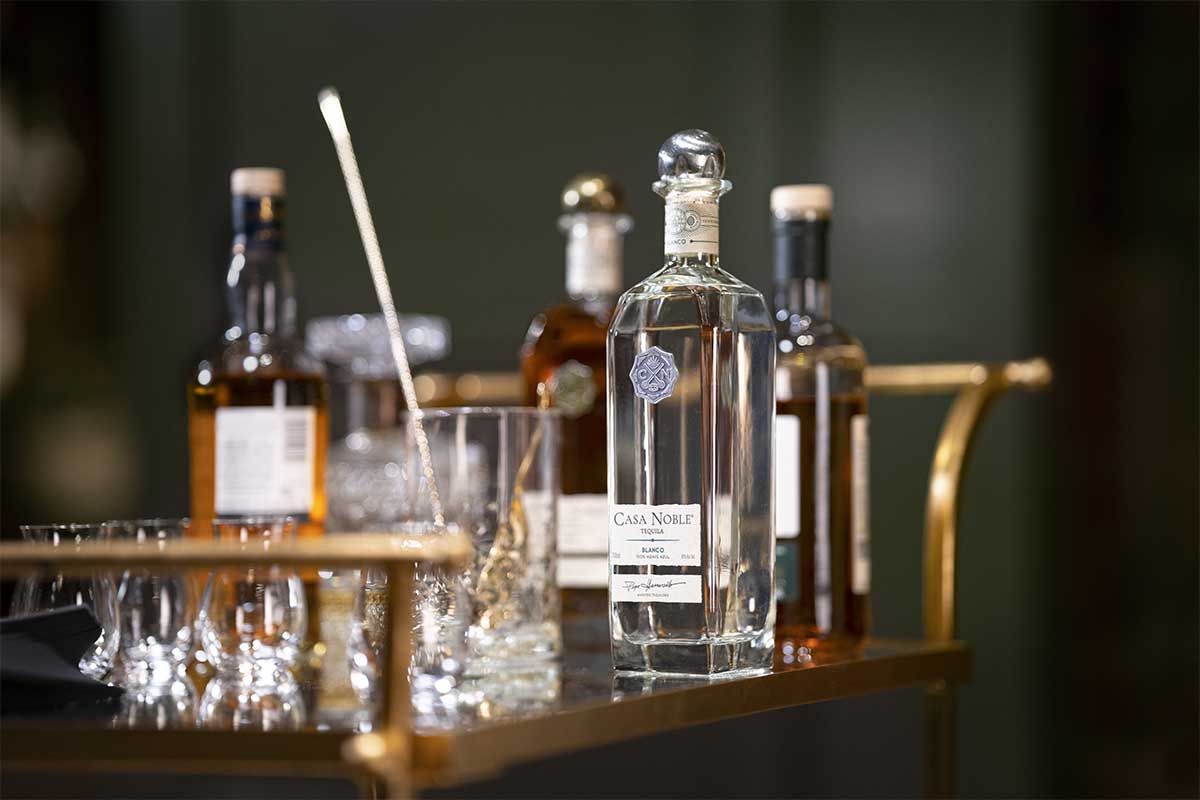
Casa Noble
These estate-grown organic tequilas, the brainchild of Maestro Tequilero Jose “Pepe” Hermosillo, went through a pretty big relaunch in 2021, with new bottles and a slight reformulation — but all of their expressions are ideal for sipping. You can read our in-depth review here and note that the brand is both organic and additive-free.
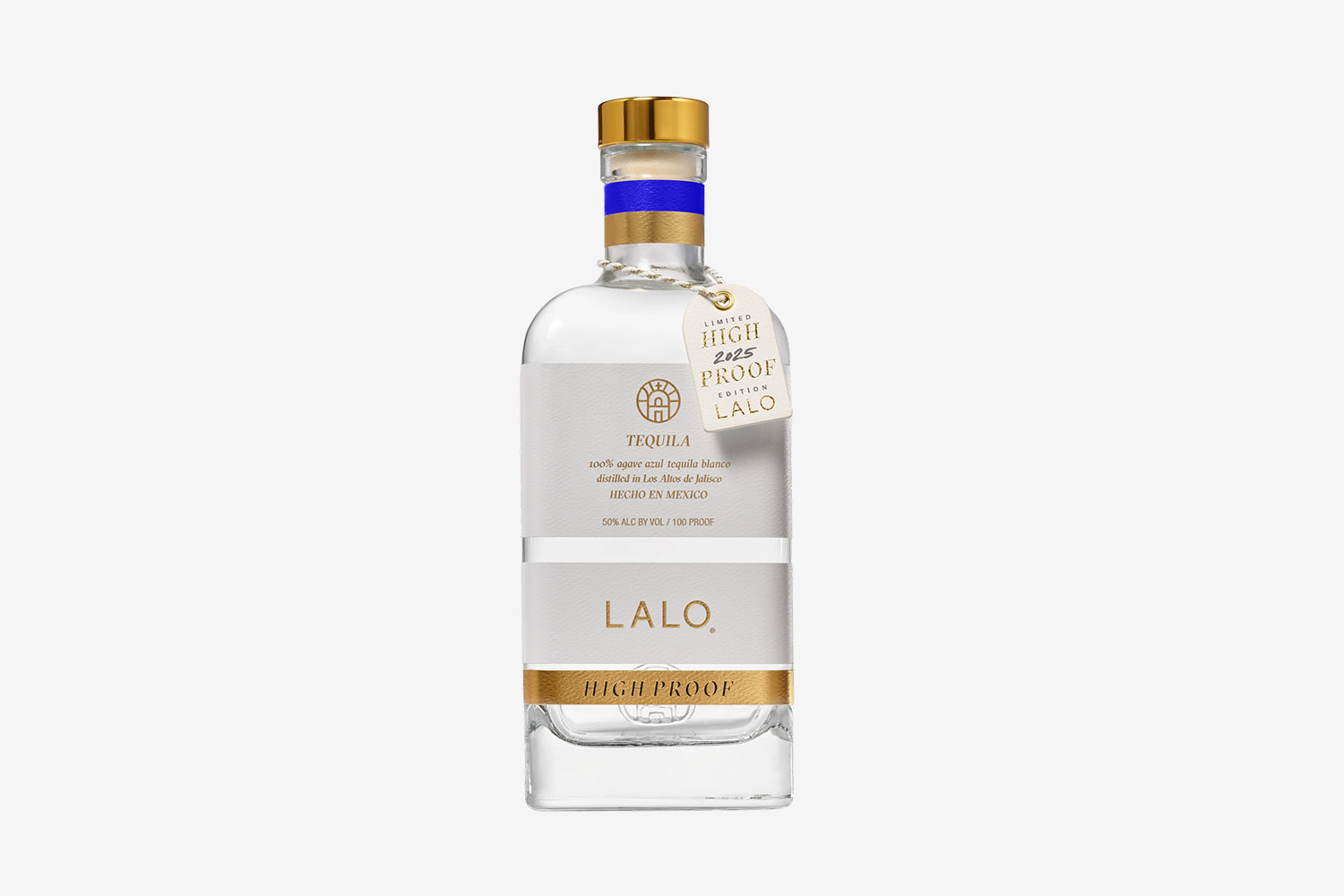
LALO
Eduardo “Lalo” González is the co-founder of this brand and the grandson of Don Julio González (of Don Julio tequila fame). So we have a family legacy and zero cultural appropriation here, a rarity in the modern tequila realm—though it should be noted that the brand was purchased by Tito’s in late 2025 (we spoke to González about that here). The agave for LALO hails from the Jalisco Highlands, and during fermentation, a proprietary yeast used in Champagne is introduced. Available as a blanco and a high-proof blanco, there is a bit of a wine note on the nose, while the taste is clean, fruity and delivers notes of sweet potato.
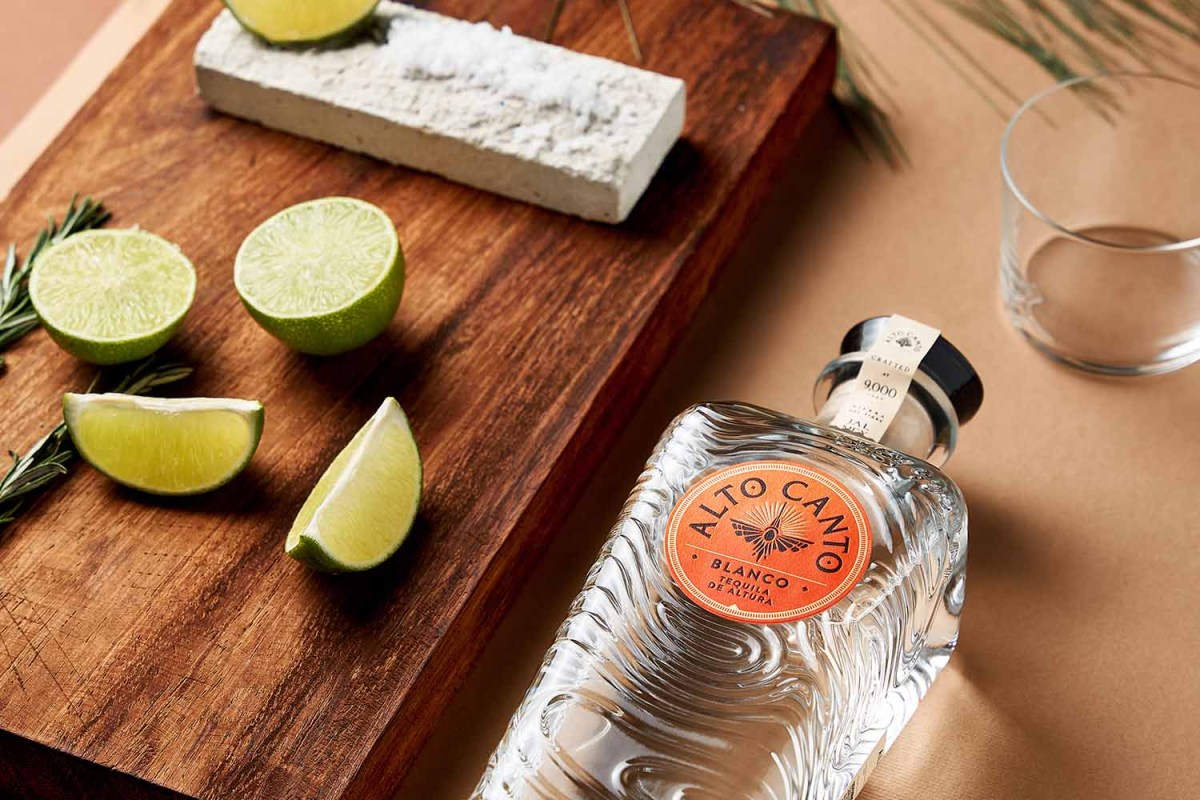
Alto Canto
Alto Canto (“high song”) is crafted at 9,000 feet above sea level in the Sierra del Tigre mountains in the Jalisco highlands, the highest altitude of any tequila made in Mexico. Even in its brand infancy, it’s already the third-highest-rated tequila distillery on Tequila Matchmaker. The distillery, Tequila El Rocio, is also one of the few producers that only makes one brand of tequila. Additive-free, 100% organic and 100% Mexican-made, the high-proof blanco balances its earthy, herbal notes with a brightness (and a little extra ABV kick). Read our full review here.
Casa Rica
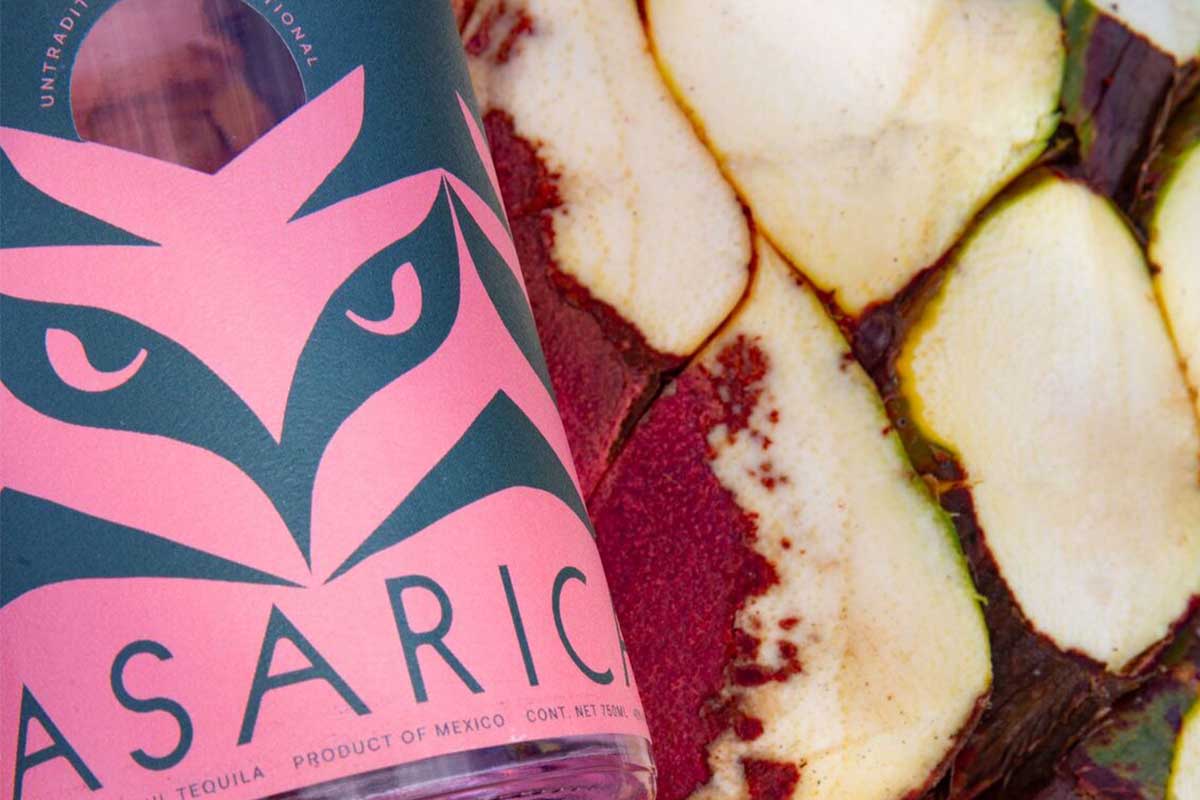
A California-based tequila started by former restaurateur Justin Urich, Casa Ricas’s Rosado expression gets its color not from wine barrel aging, but via extracting and macerating the self-fermenting red spots on the piñas. Similar to their blanco release, you’ll get a lot of grass on the nose and lemon and peppery notes on the palate — along with, interestingly enough, vanilla notes that you’d seem to be more likely to find in an aged tequila. Read our review here.
Maestro Dobel
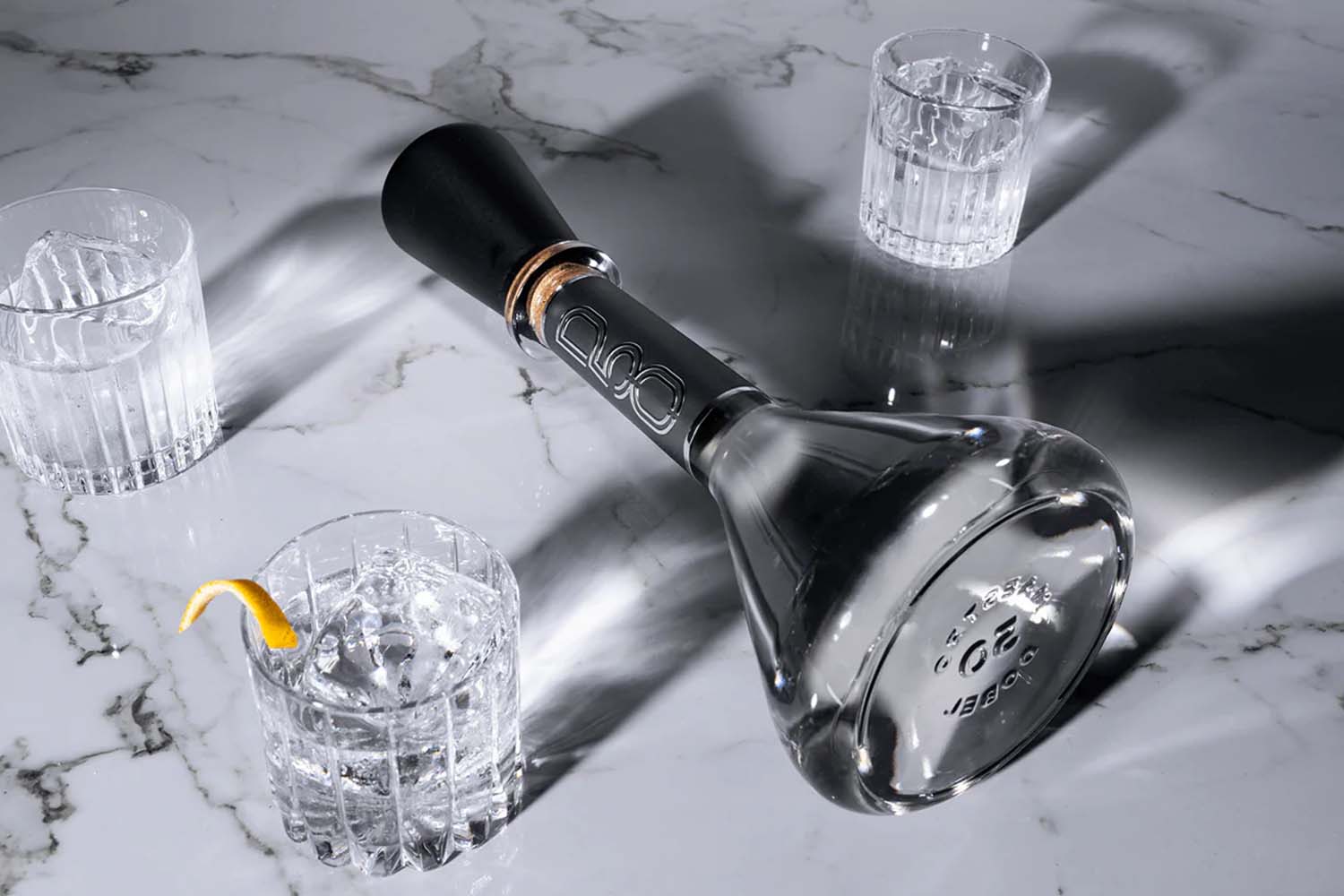
Are cristalino tequilas bullshit? It’s aged tequila filtered so it looks clear and achieves a smoother, lighter mouthfeel. We’re not sure why some tequila brands are so fond of stripping away potential flavor, but Maestro Dobel is a leader in the category and its 50 Cristalino release — which blends aged tequilas from both Eastern European and American oak barrels — is an extra añejo that’s flavorful, almost like butterscotch and dates. (For something that maintains more of the agave flavor, try MD’s much more inexpensive Diamante release.)
Lobos 1707
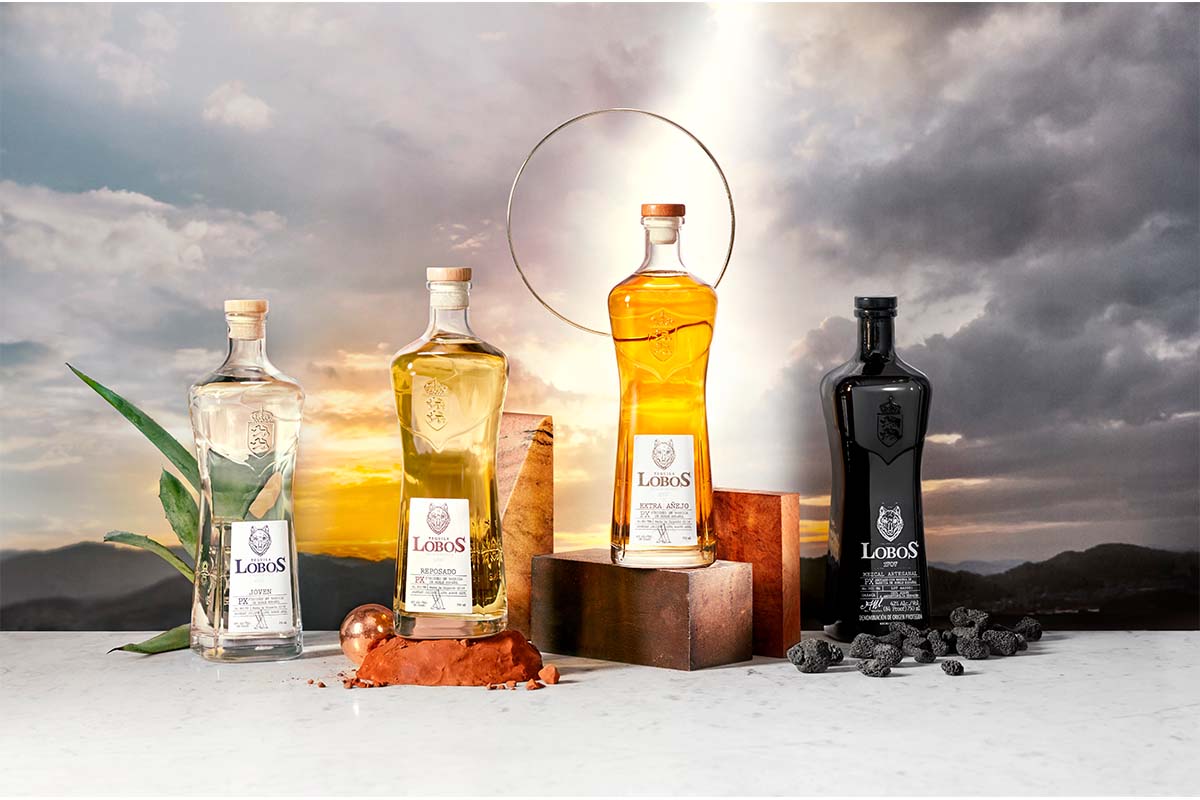
These tequilas are finished in Pedro Ximenez (PX) wine barrels from Spain, which makes the releases more interesting than your average celebrity-backed tequila … oh, did we mention LeBron James is a partner? Go for the reposado: Those oak barrels provide caramel/vanilla notes, which occur on both the nose and the palate. As for the finish? Crème brûlée came to mind. Read our full review here. Note: Drinks giant Diageo took a large stake in the company in early 2025.
Siempre
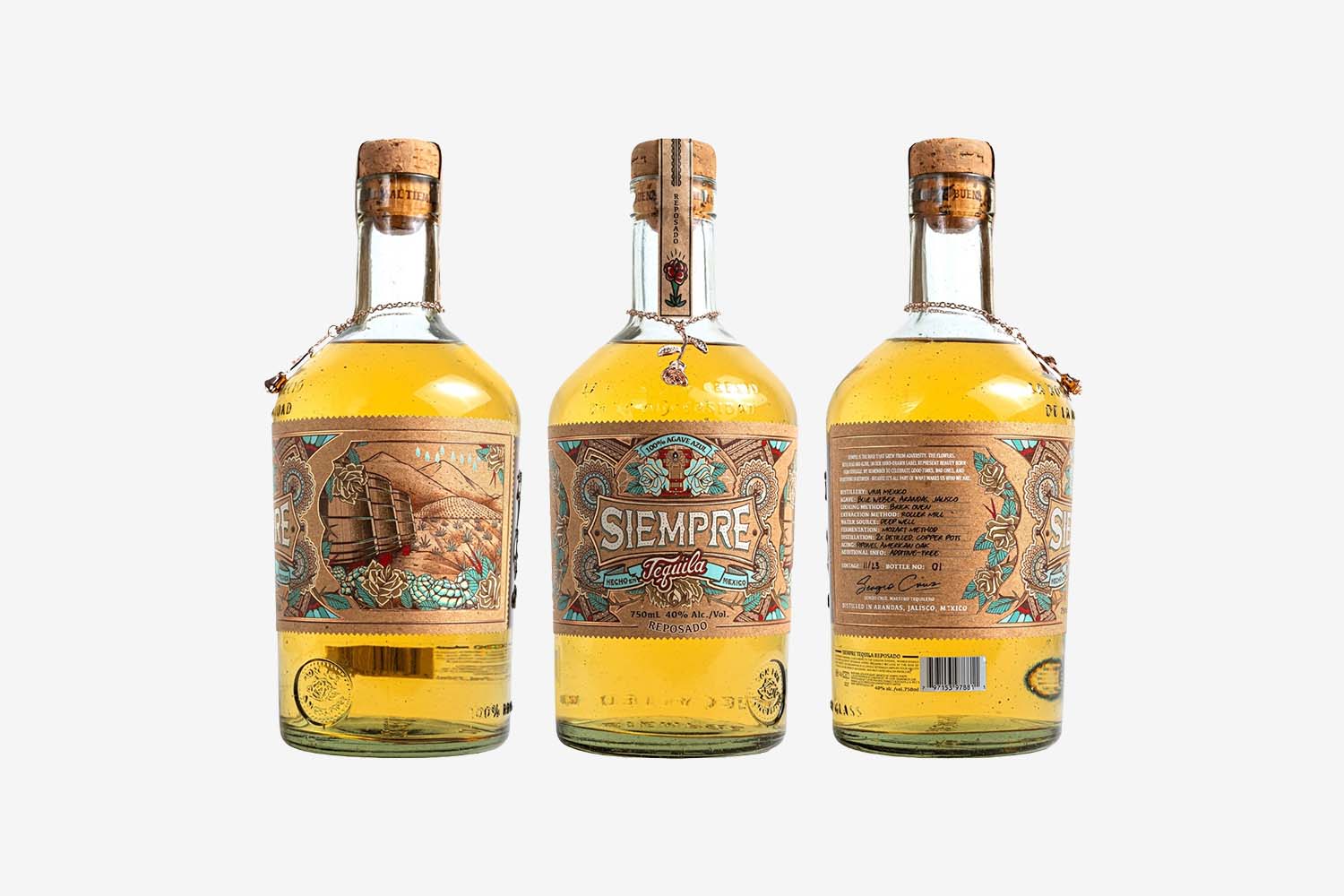
Siempre’s blanco (plata) tequila was launched in 2015, and the reposado and añejo expressions arrived in the past few years. The reposado, aged in new barrels for 2-6 months, is closer to what you’d usually find in an añejo. The caramel, vanilla and wood notes are strong, but thankfully the agave isn’t lost in the aging. You can read more about the brand’s unique backstory here. If you can find it, the brand’s limited-edition Exclusivo-Vivo release is also a treat.
Jose Cuervo
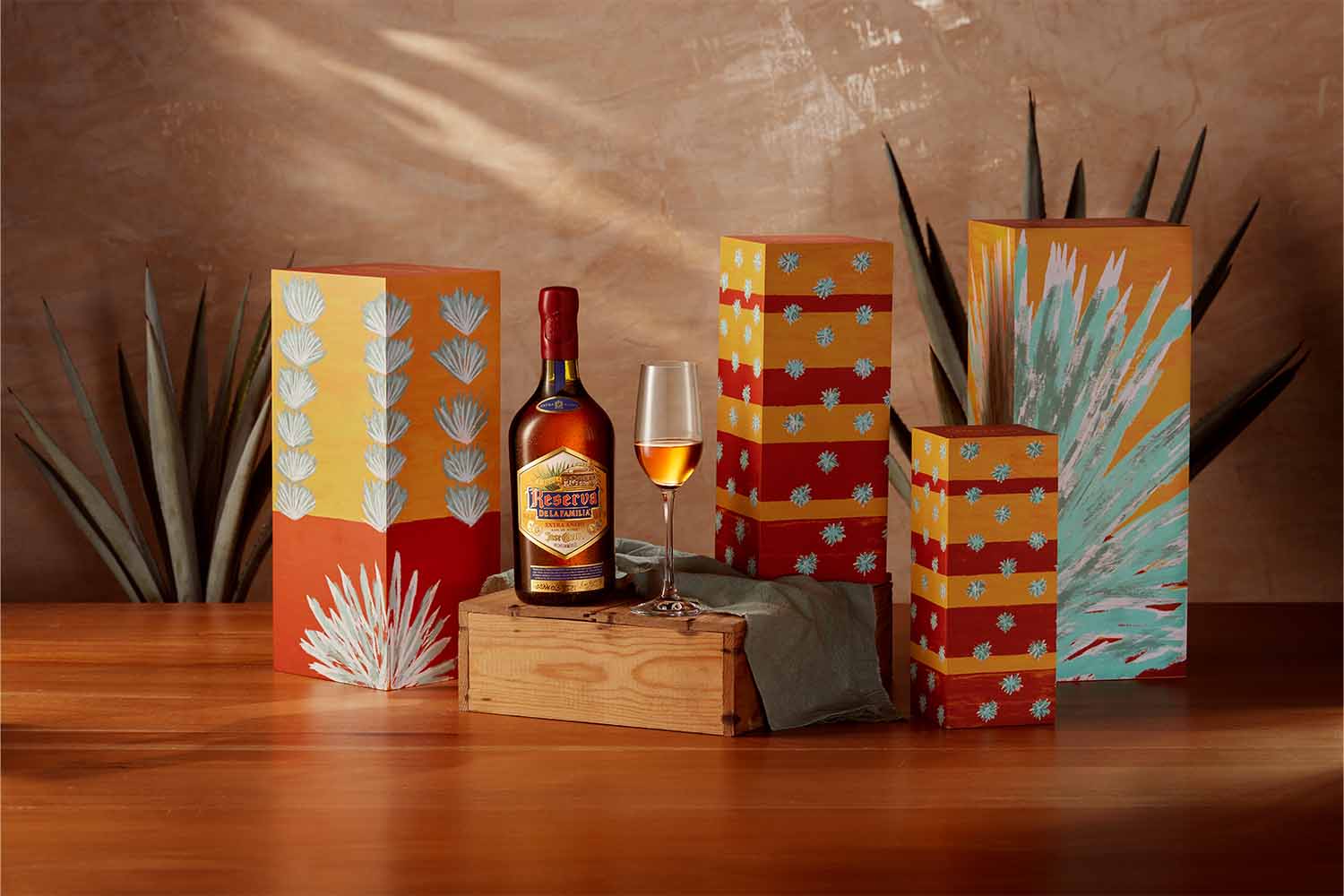
I admittedly don’t love every release from this centuries-old distillery. I’d avoid a mixto like Jose Cuervo Especial Gold, but if you head toward their elevated expressions, like the annual Reserva de la Familia release (pretty much the inspiration for every limited-edition, artisanal tequila release you’ll see from today’s younger brands), you’ll understand why Cuervo remains the most popular tequila producer in the world.
Don Fulano
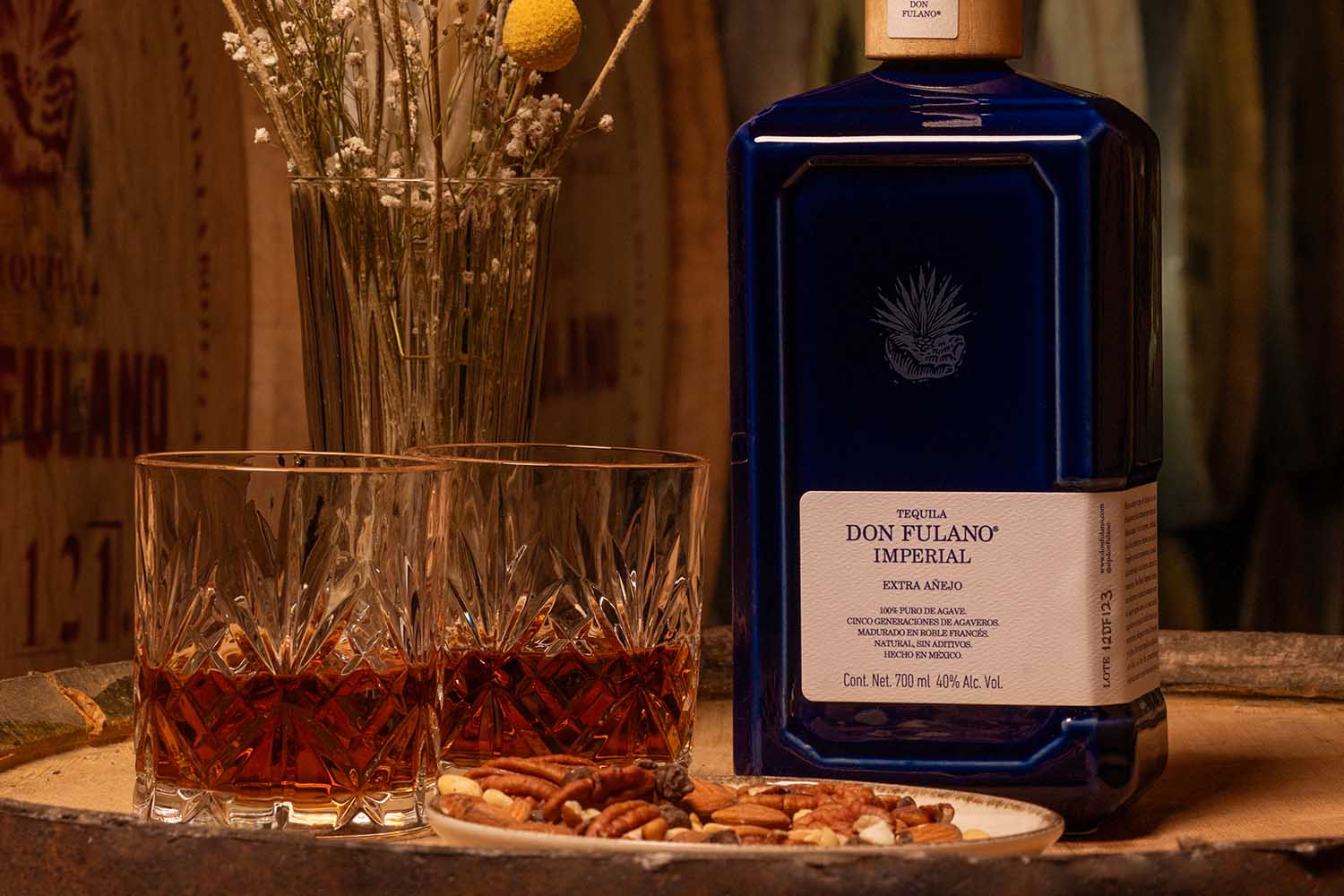
Don Fulano is fully in charge of its own agave supply, a rarity in the tequila world. While only launched in 2002, this Highlands distillery is overseen by the Fonseca family, which has roots in farming agave in the area for more than 140 years. A well-regarded additive-free brand, I’m a fan of their Blanco Fuerte, available in both standard and higher-proof expressions. It’s full of green pepper and citrus and offers a buttery/oily mouthfeel like movie popcorn. That said, you may prefer Don Fulano Imperial, their oldest offering, an extra añejo aged five to 12 years with maturation in both European oak and Oloroso sherry casks. It’s pretty much won every major “best tequila” award.
El Tequileño
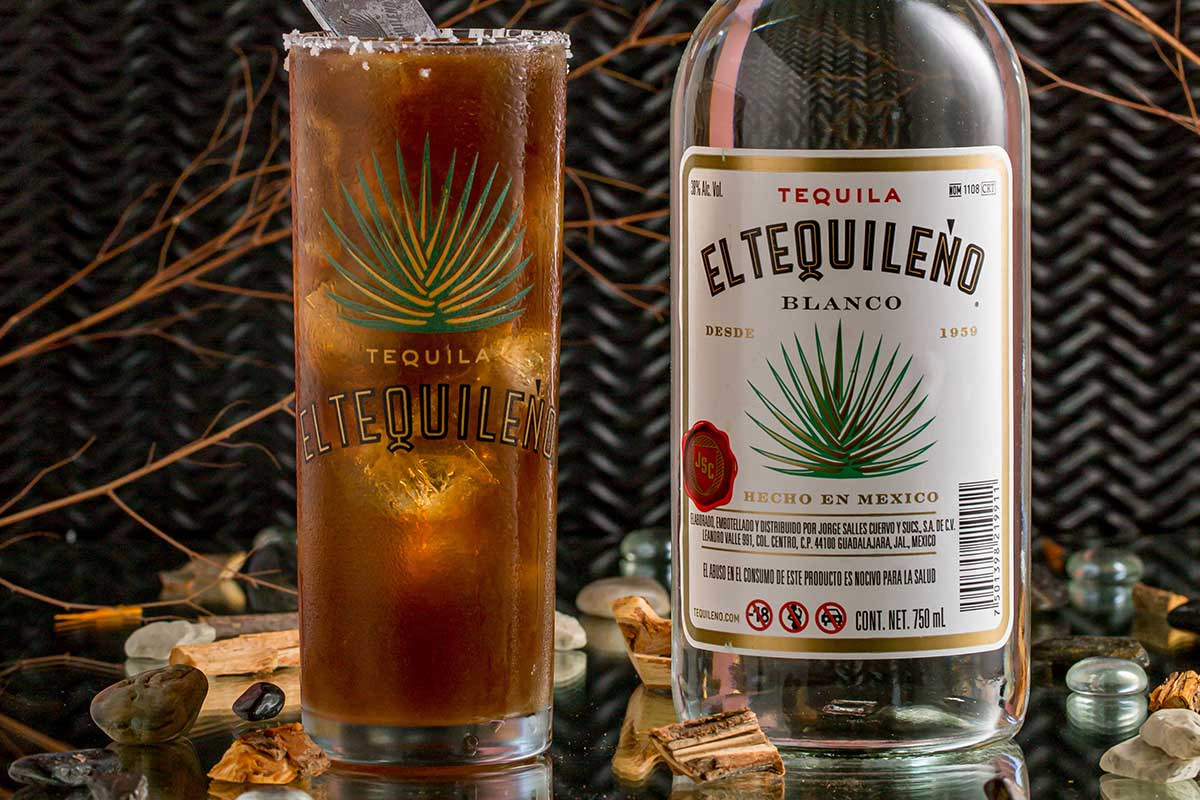
It’s hard not to find a tequila on this list that’s not 100% Blue Weber agave. And while the world of mixtos is not always great, El Tequileño is a 71 percent agave and 29 percent piloncillo tequila that’s cheap and yet good enough to serve as the base for the batanga at La Capilla, probably the most casual place that’s ever earned a “World’s 50 Best Bars” entry. On the other end of the spectrum: the distillery also has several premium, limited-edition, 100% Blue Weber agave releases, like their limited-edition Sassenach Select (read our review here). But the whole line is excellent.
Mijenta
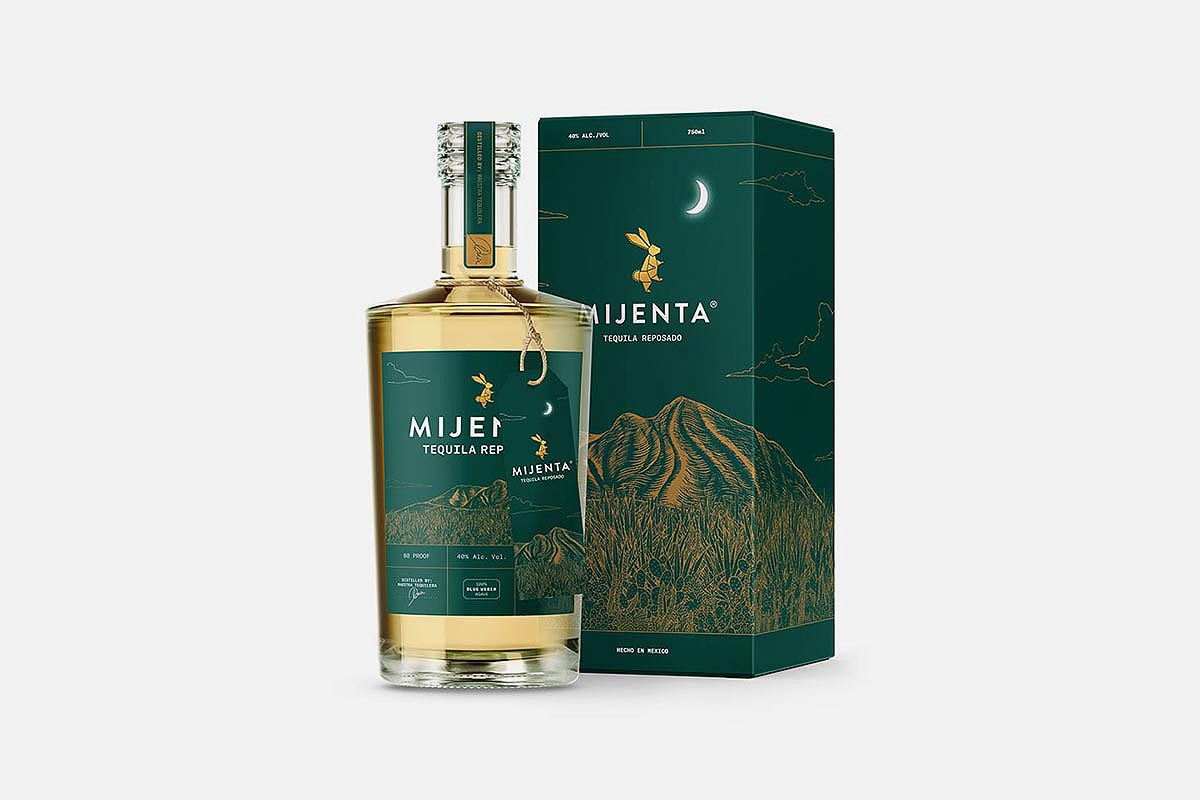
Aged to six months in a blend of American white oak, French oak and French acacia casks — an alternative to oak that adds body and texture — the Reposado from this Certifed B Corp tequila is one of the most complex reposados I’ve ever tasted. A lot of vanilla here, but also orange and chocolate, with a delectable mouthfeel. You can read more about this brand and Maestra Tequilera Ana Maria Romero Mena here … and find out how the brand, somehow, crafted an excellent Cristalino tequila and our favorite tequila of 2024.
Cincoro
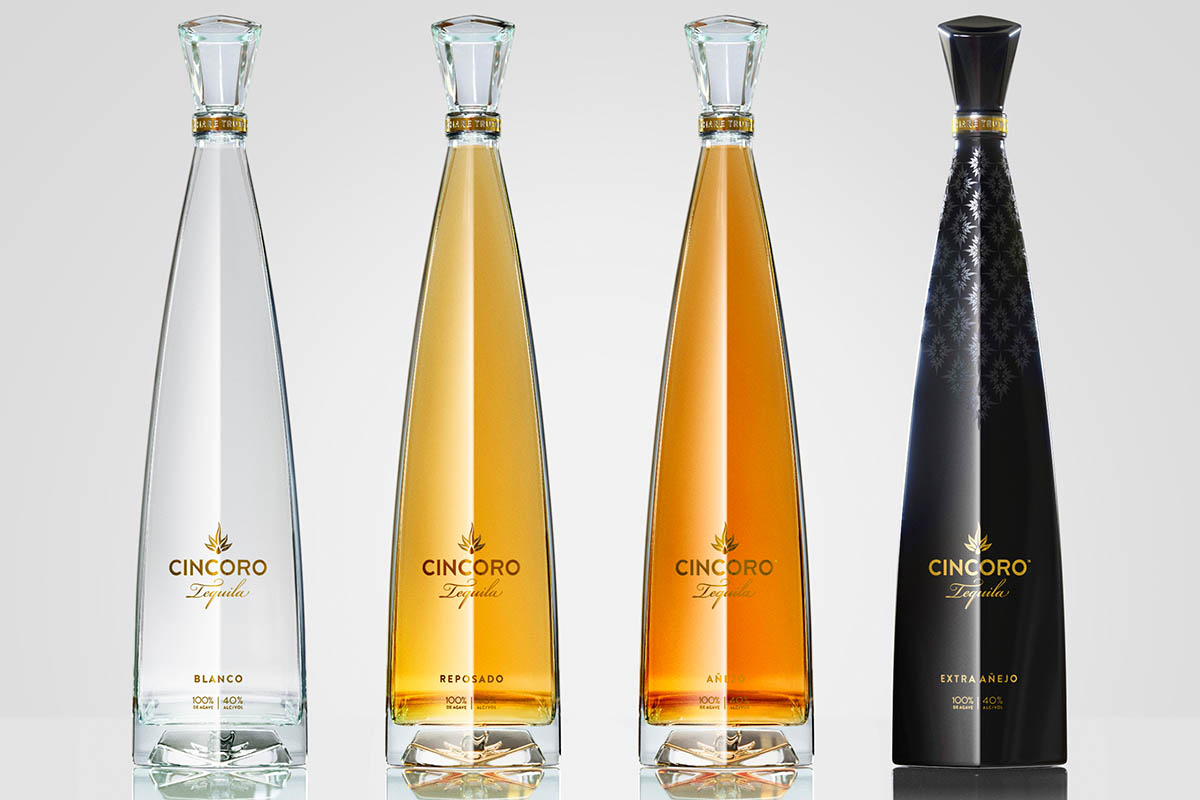
An agave spirit from an ownership group that includes multiple ex- and current NBA owners (including Michael Jordan) and the likes of Serena Williams, Derek Jeter, Dustin Johnson, Keegan Bradley, DraftKings CEO Jason Robins and Michael Strahan. The bottles are sleek and aggressively tall, a back-bar disruptive design co-created by a Nike guru and no. 23 himself. Authentic? By most standards, no. Unequivocally excellent? Yes — the blanco, reposado and añejo all have distinct character. And pro tip: You can skip the extra añejo, which is fine but doesn’t justify its four-figure price tag. Read more here.

Flecha Azul
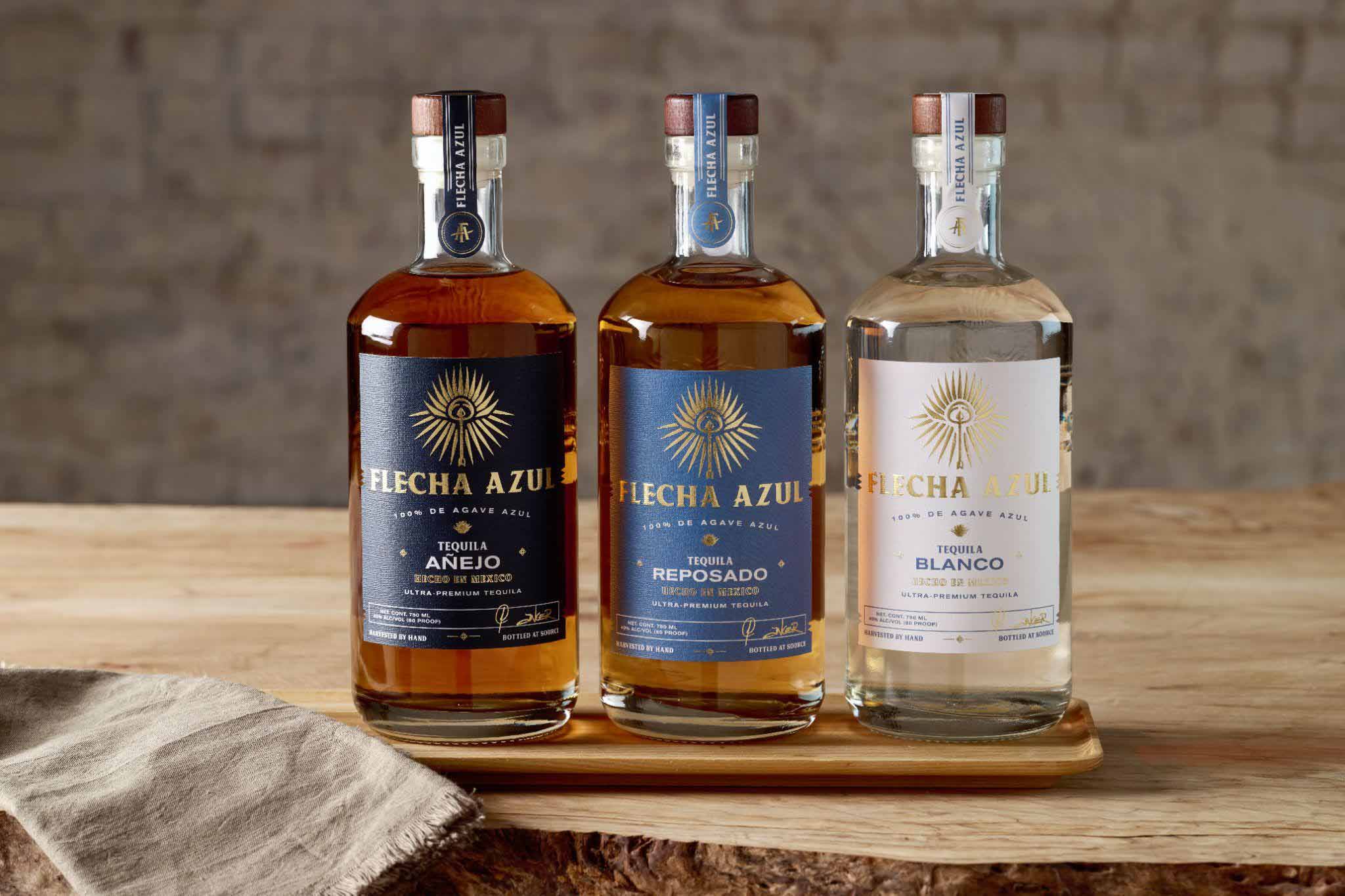
Flecha Azul hits a lot of common tequila tropes: It’s got some celebrity ownership (Mexican PGA golfer Abraham Ancer, Mexican entrepreneur Aron Marquez and actor Mark Wahlberg), it’s additive-free and it utilizes 100% single estate-grown Blue Weber Agave (plus, all the expressions are modestly priced). It stands out primarily on taste — the reposado in particular achieves the perfect balance between the bright, vegetal notes of the blanco while adding just enough vanilla and baking spices.
Superbird
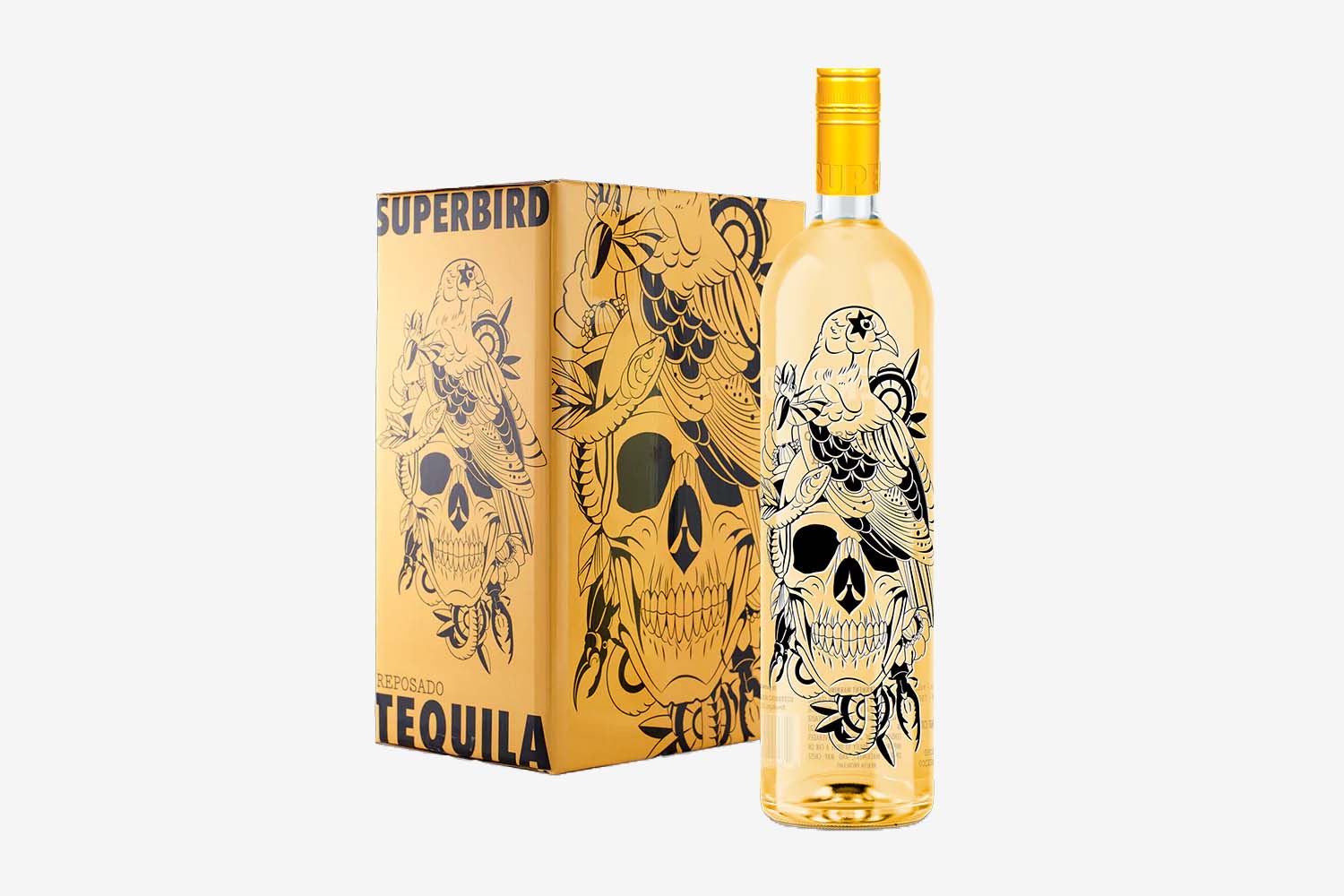
Featuring some of the most memorable artwork, the extremely affordable Superbird offers something for everyone: blanco and reposado expressions, a spicy “Fuego” bottle and both tequila soda and tequila cocktail cans. Interestingly, it’s the reposado we go back to, as it offers a wonderful balance between the earthy agave of the blanco and the vanilla of the barrel aging.

Clase Azul
There are luxury, collectible tequilas, and then there’s Clase Azul. This is how one of our writers described the Clase Azul tasting room in Los Cabos: “The signature blue and white hand-painted bottles with shiny silver tops adorn the shelves like delicate masterpieces, standing tall alongside limited-edition bottles with price tags ranging anywhere from $158 to more than $6,000. It’s a candy store for tequila aficionados.” Recently, the brand launched a special, limited-edition expression called Spirit of Champions, a “joven” that blends tequila aged for 28 months in French wooden vats made from fine-grain oak from the Forest of Tronçais with a touch of unaged tequila created exclusively for this release. It’s quite complex, and I’m thankful I was able to try it, as it’s very out of my price range.
Santo Spirits
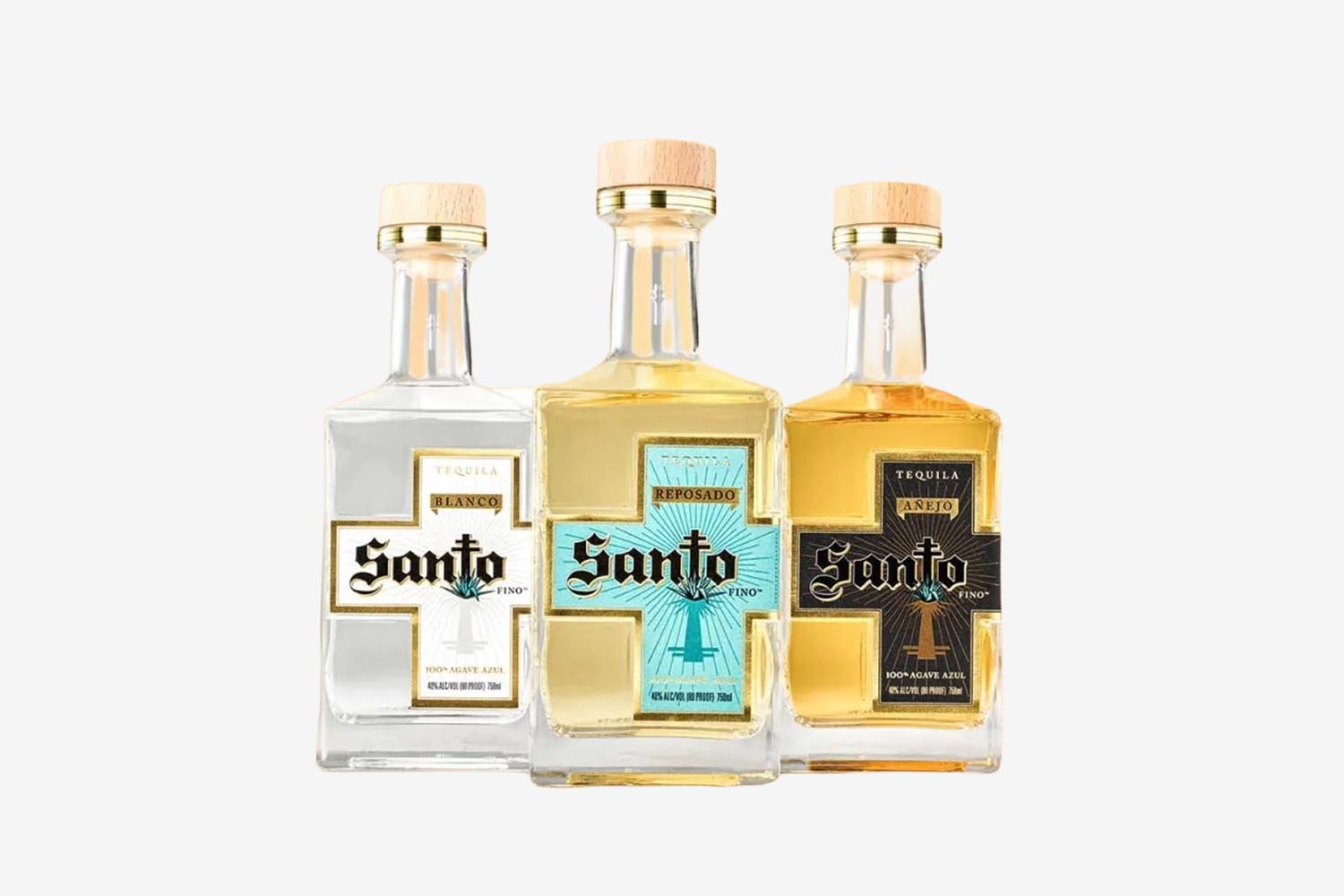
Sammy Hagar’s follow-up to Cabo Wabo — with the help of friend and celebrity chef Guy Fieri — is approachable and brings out all the agave goodness. That’s the blanco. The mezquila (blanco + Espadin mezcal) is pretty much just a spicy tequila, and it’s also good, name aside. The reposado, however, is a standout. Resting just four or five months, this isn’t an expression that’s wanting to be an añejo. Instead, it’s the best of the blanco (fruity, agave-forward) with just the slightest hint of oak and vanilla. Your batanga will never be better. (Read our interview with Hagar on his tequila here).
Alma Del Jaguar
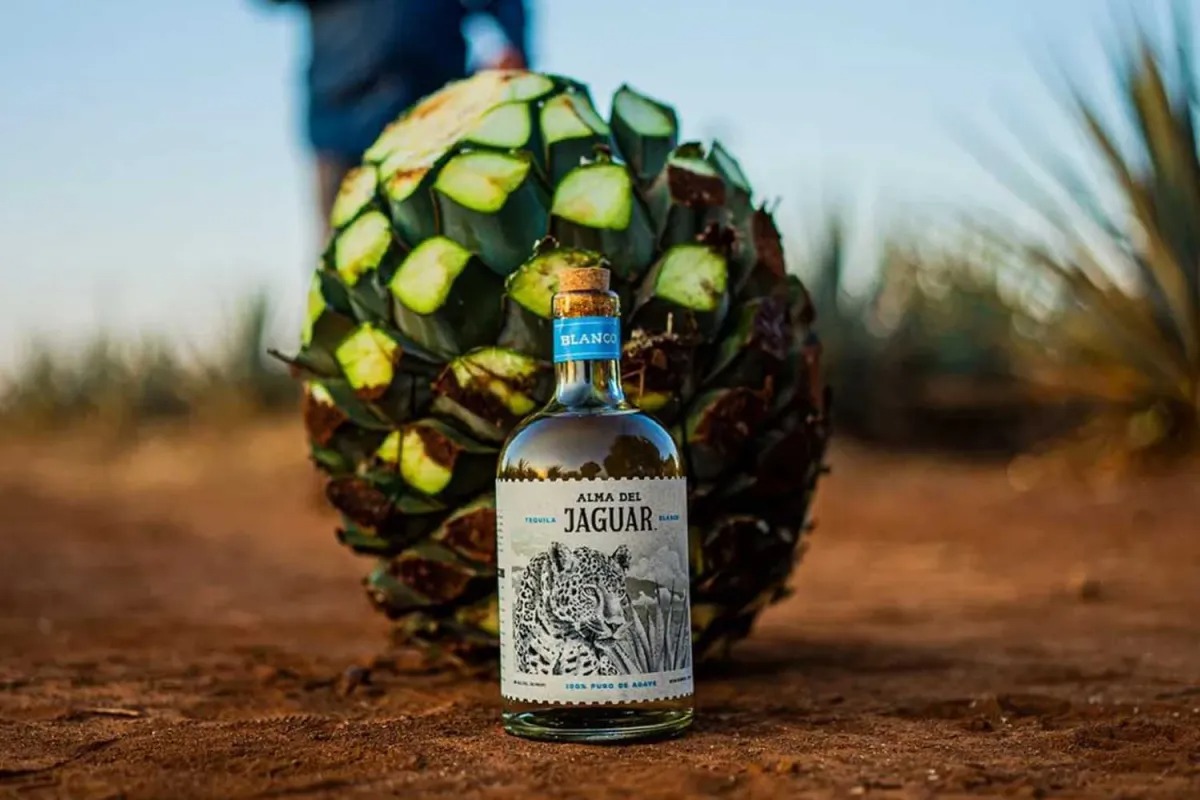
Drink a Margarita, save an endangered species. That’s the idea behind Alma Del Jaguar, 100% Blue Weber agave tequilas (also additive-free) that launched fairly recently. The juice was created, in part, by spirits entrepreneur McCauley Williams, who was inspired by his uncle’s commitment to wild jaguar preservation in northern Mexico (a portion of the bottle’s proceeds go to conservation organizations). We particularly love the blanco, made using Los Altos agave, brick ovens, roller mill extraction, well water and copper pot stills. Most of the tequila is fermented from natural wild yeast, and a portion is fermented from Champagne yeast imported from France. It’s a nice melange of citrus, black pepper, grapefruit and orange, with an underlying grassiness and minerality. You can read our feature here.
Cierto
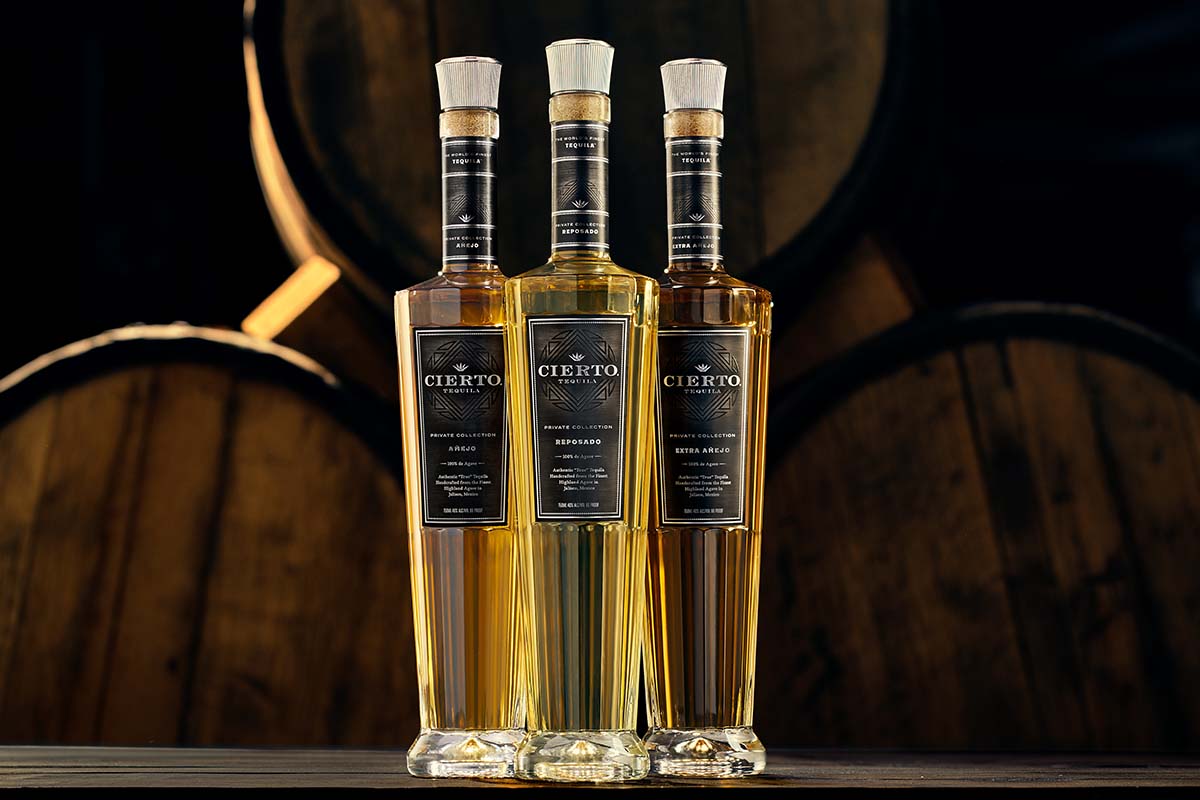
This additive-free tequila picked up four Double Golds at the 2023 San Francisco World Spirits Competition. And for good reason: The agave spirits here — made from estate-grown agave from the Highlands of Jalisco and matured primarily in French Limousin oak casks which previously contained Cognac and Armagnac — offer a silkier mouthfeel and some wonderful notes of butterscotch, tobacco and caramel (the Private Collection Reposado is a standout).
Código 1530
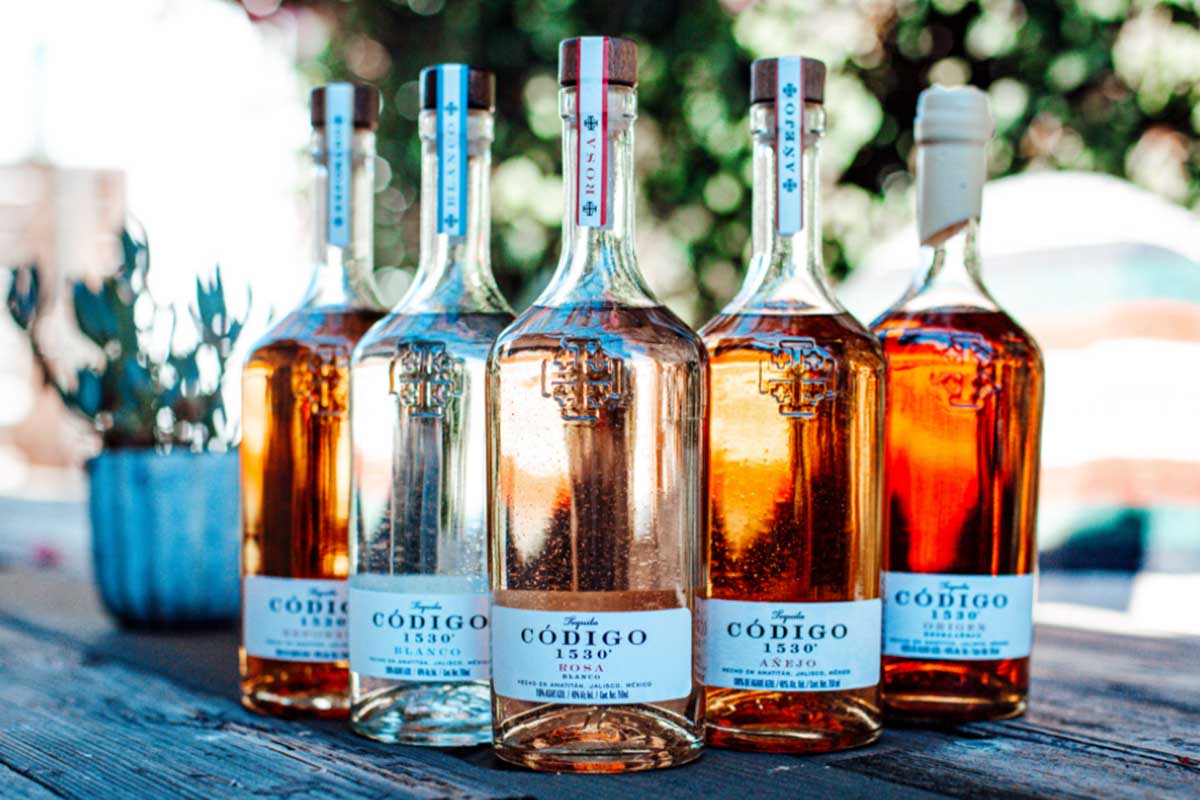
Country star George Strait being an owner isn’t the most interesting aspect here, nor is the brand’s seed-to-sip ethos (they utilize their own agave, production and bottling processes). What’s unique about Código is the aging process; the aged expressions are finished in oak barrels that once held Napa Valley cabernet, and there’s even a “Rosa” expression that’s pink and has a nice juicy and fruity element. For a celebrity tequila, and just a tequila in general, it’s a standout.

Lágrimas del Valle
While 95% of tequila is sourced from Jalisco, the single-estate releases from Lagrimas del Valle also hail from states like Guanajuato and Michoacán. The terroir-focused brand produces single-year, single-field vintages and teams up with a variety of distilleries. Their 2024 La Loma Plata is produced in partnership with the Rosales Family (NOM 1123). Bottled at 92 proof, this expression features notes of lemon, pepper, honey and cooked agave with a hint of salinity and a brightness (the reposado is just as good).
Tequila Komos
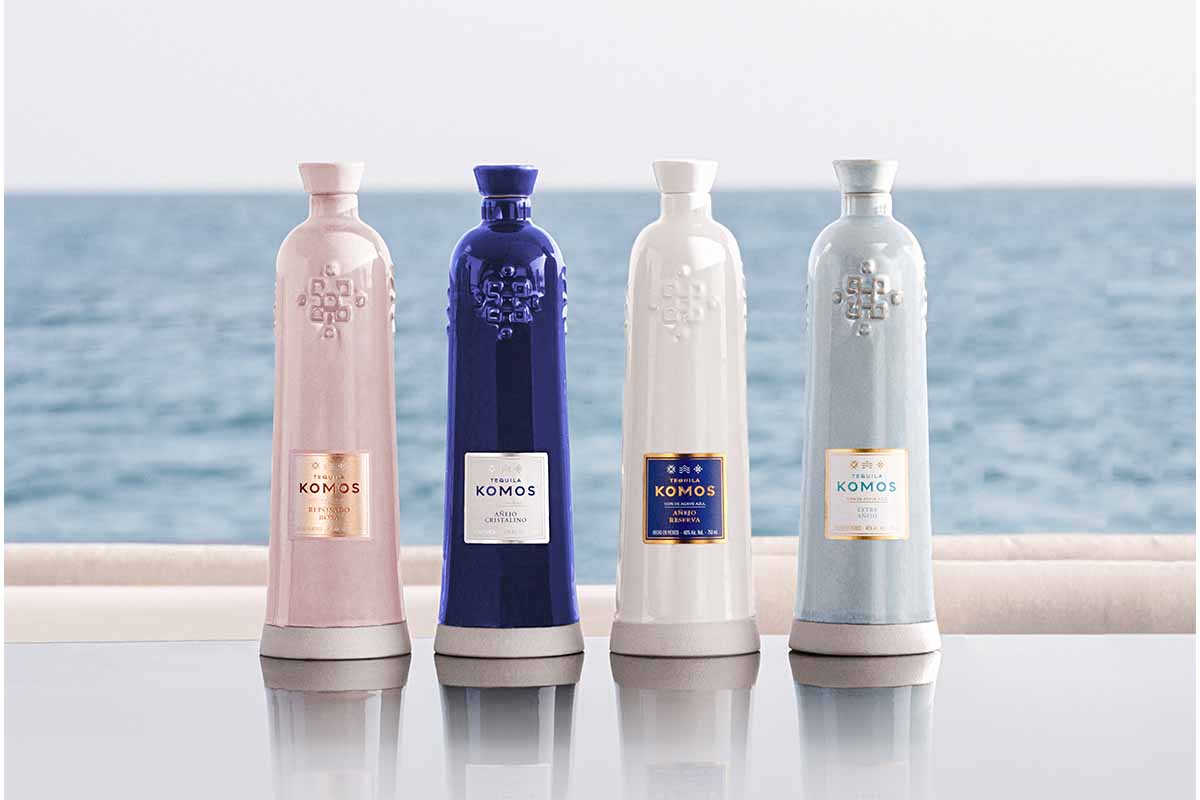
Inspired by Mediterranean winemaking and presented in ceramic bottles, these tequilas are aged in wine barrels and aerated to finish. Available in multiple expressions (including Reposado Rosa, Reposado Cristalino, Añejo Cristalino, Añejo Reserva and Extra Añejo), the Extra Añejo scored the first 100-point score ever by The Tasting Panel. But our favorite is the Reserva — aged in French oak wine barrels, bourbon barrels and sherry casks, it achieves a wonderful and sweet jamminess with hints of cocoa and the earthy agave notes intact.
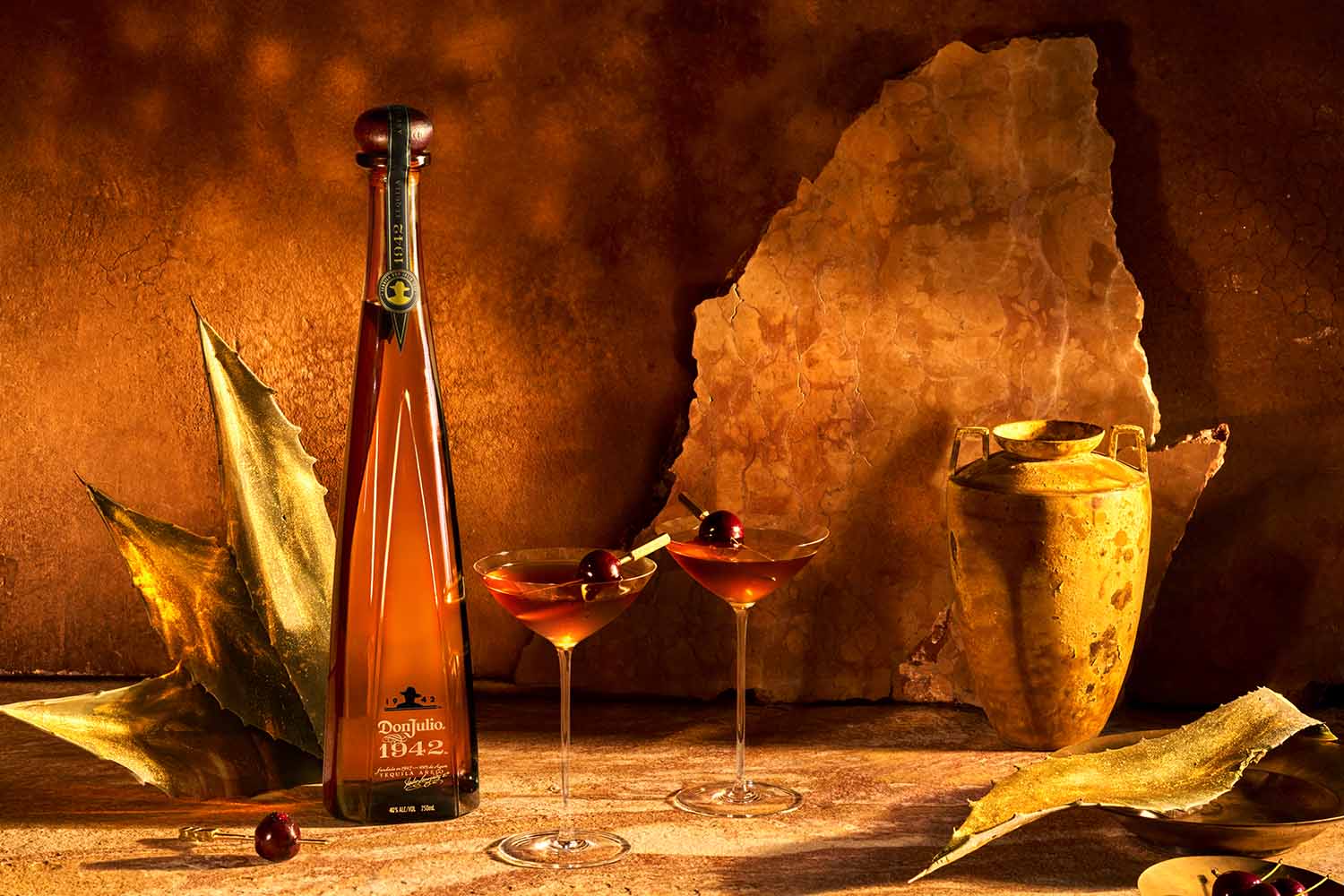
Don Julio
The first tequila I actually liked and my gateway to the world of good agave spirits, Don Julio was started in 1942 — which explains the name of the distillery’s sipping tequila that you see on the top shelf of most bars. Produced in small batches and aged for a minimum of two and a half years, this one has notes of roasted agave, chocolate, vanilla and oak — and you’ll often find it in special packaging (Lunar New Year, World Cup, etc.)
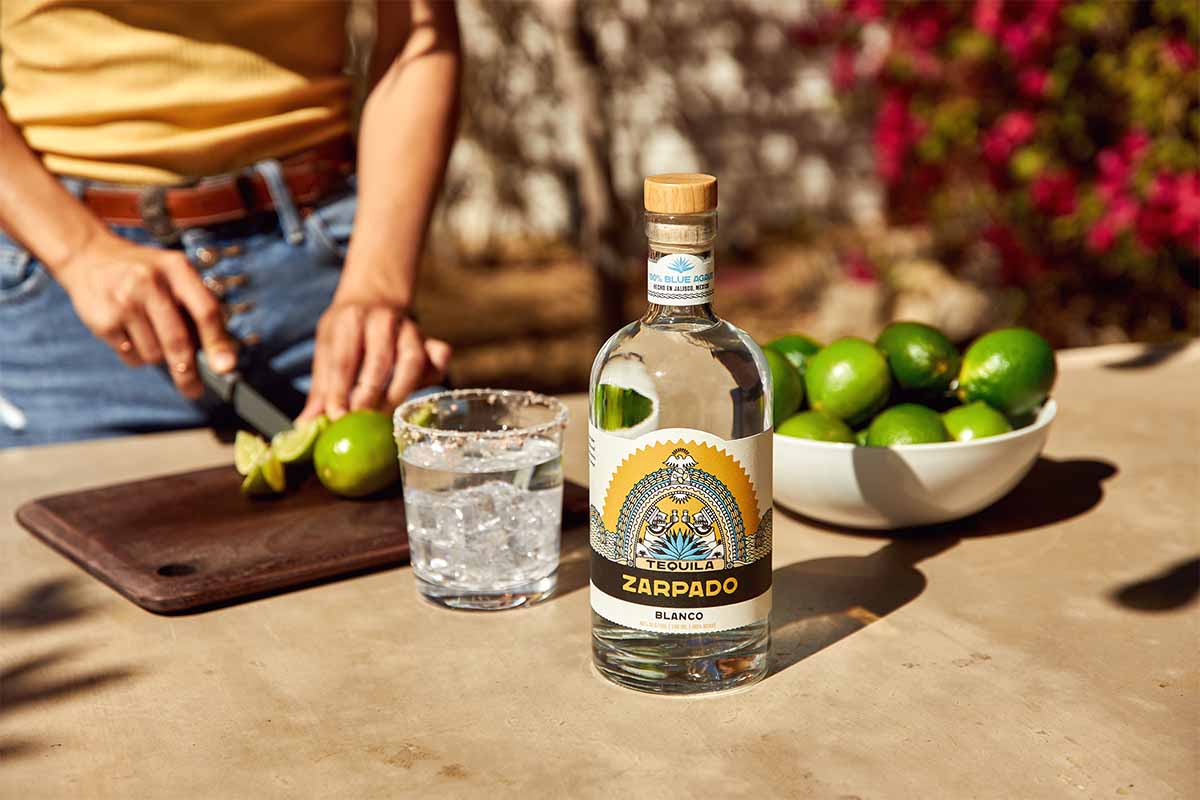
Tequila Zarpado
There’s nothing unique about this tequila brand except for the price. To find a blanco and reposado with real character (earthy, a slight minerality, spicy) at around $25 is a steal. Plus, they make a decent spicy expression called Reaper.
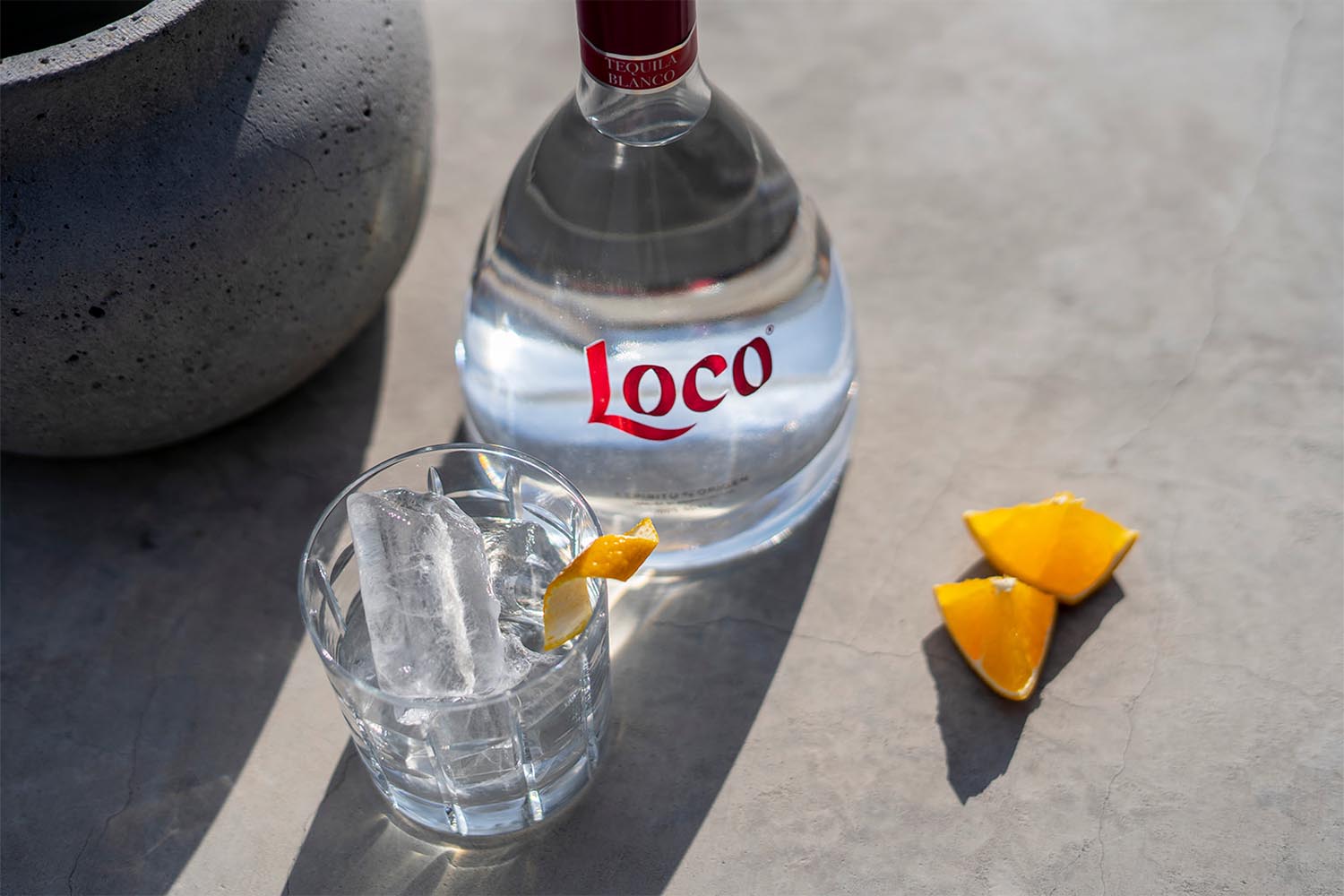
Loco
Hailing from the Valle del Arenal, Loco owns and farms over 200 acres of agave fields surrounding the town of El Arenal. They’ve also recently restored a nearby 200-year-old hacienda abandoned in the 1950s. Maestro Tequilero Alberto Navarro uses a selection of proprietary methods — historical native yeasts, a three-part fermentation process, blending techniques (even for the blanco) borrowed from Scotland — to craft a herbaceous blanco and, most interestingly, a reposado that’s a complex and elegant wonder, thanks to aging in an array of casks (Irish whiskey that also held stout beer, plus French oak and ex-Sherry and Port barrels).
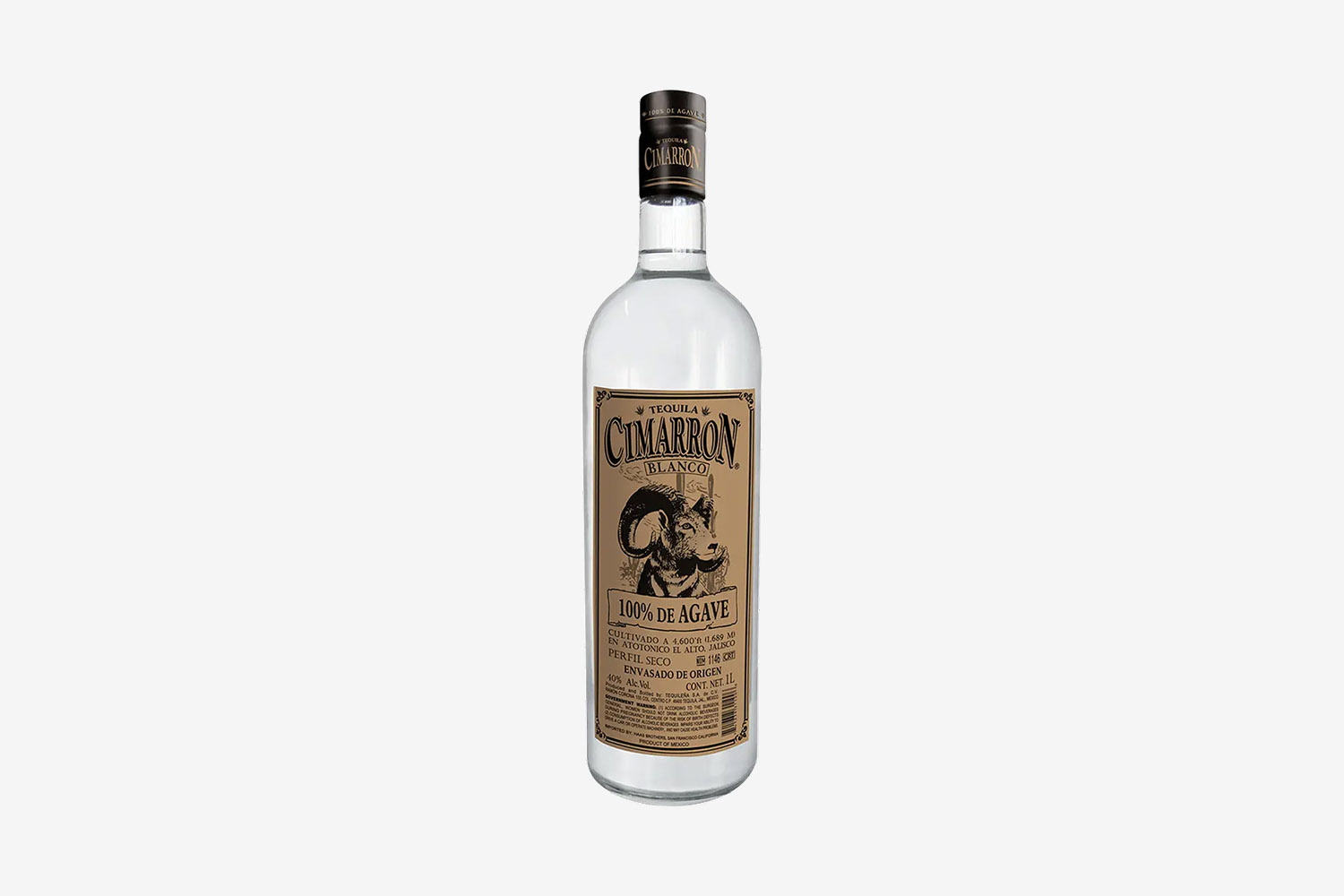
Cimarron
Finding an additive-free tequila is challenging enough — they only represent 30% of the market. Finding one for less than $30 is incredibly difficult, but this highland distillery offers up something a little drier on the palate with real complexity for both its 1L blanco and reposado expressions.
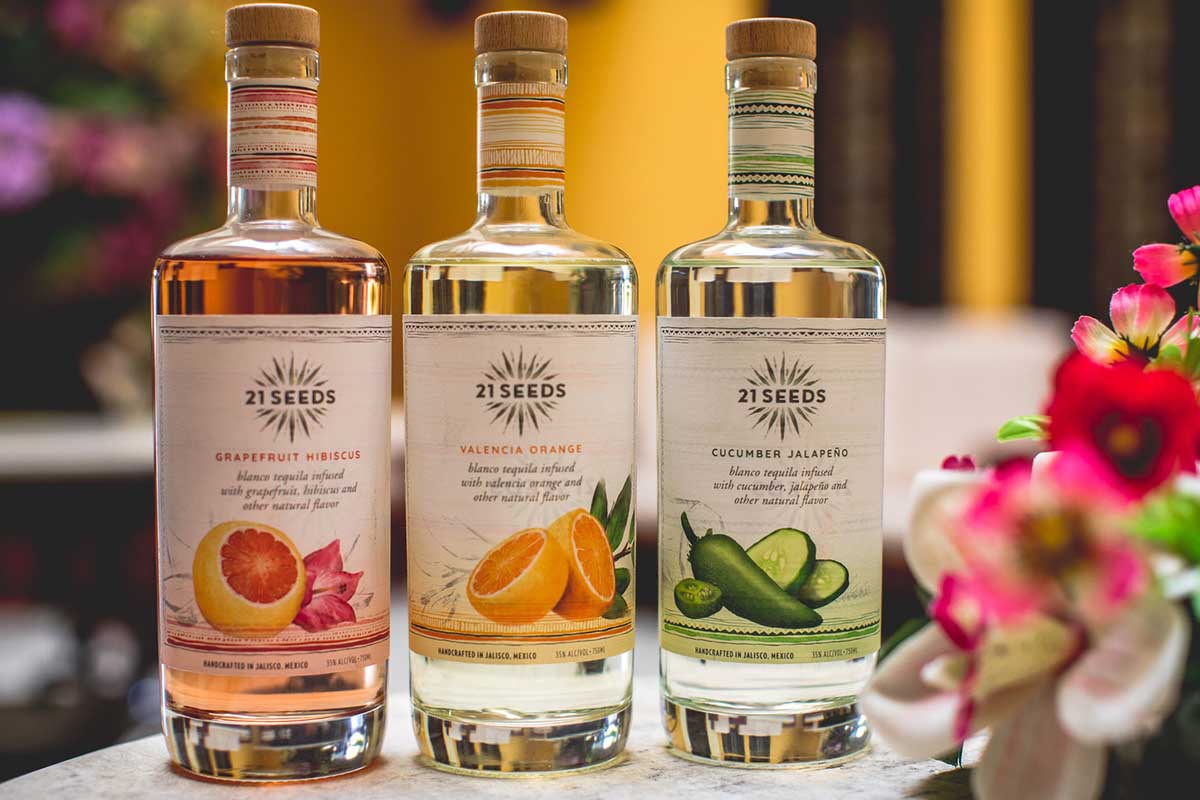
21 Seeds
A female-owned brand, 21 Seeds is blanco tequila infused with different fruits and flavors, including grapefruit, hibiscus, Valencia orange and cucumber jalapeño. The fruit on the nose of these expressions is exquisite. That said, I wouldn’t necessarily call these sipping tequilas, but rather your ideal base for a summery drink like a Paloma or a tequila and soda.
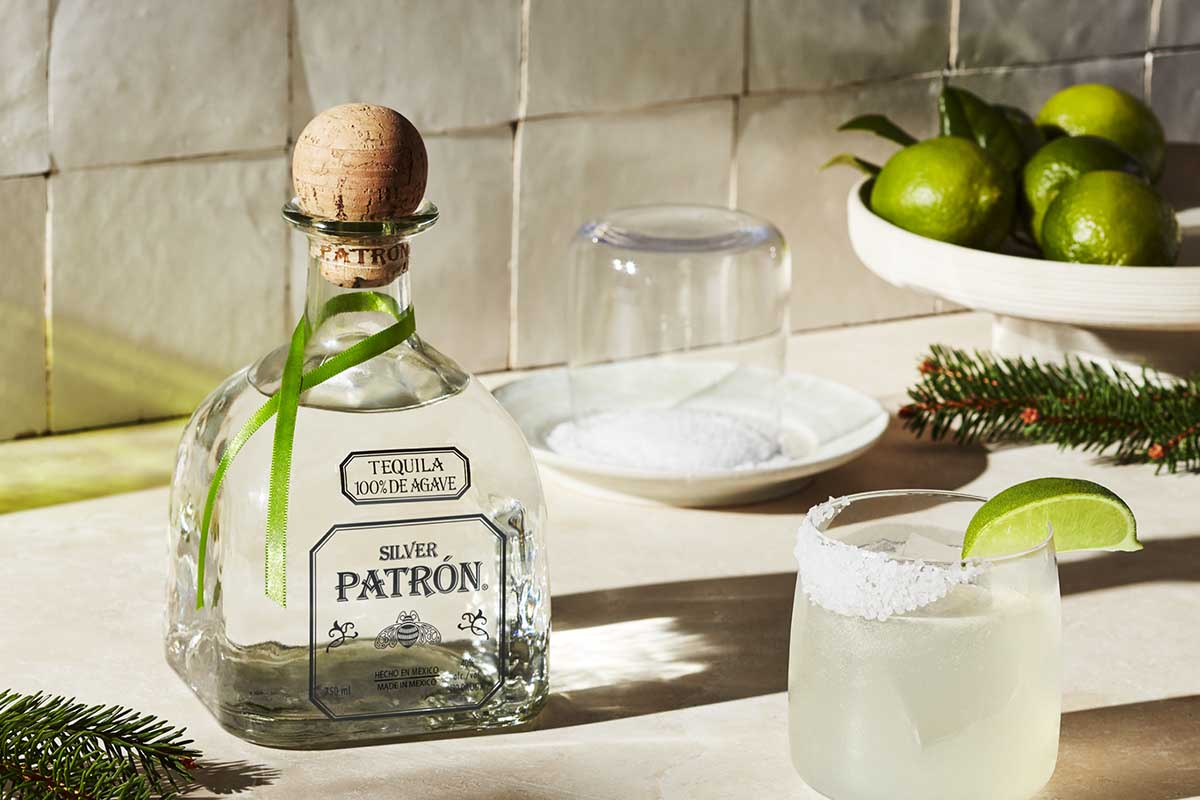
Patrón
Chances are the bar you’re going to this week will have Patrón. You may have to pay extra for it — that’s fine. Even if you’re very familiar with this premium tequila, it’s nice to have around (and it’s additive-free, which isn’t as common as you think). We’ll stick with the classic blanco/silver (citrus, agave, pepper … it’s a nice, bright combo of flavors and aromas), but the brand has several luxury tequilas worth checking out and a solid new 100-proof expression.
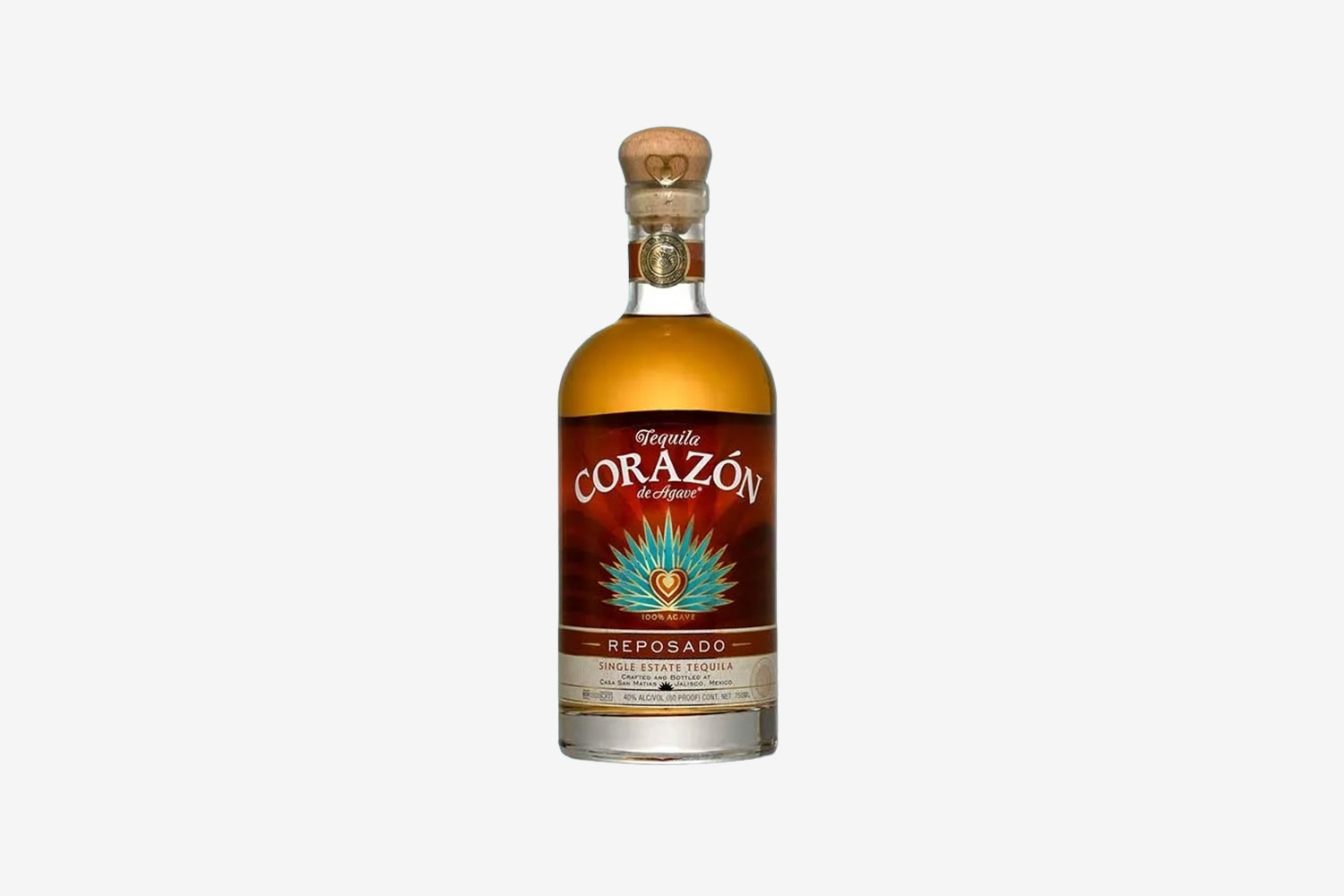
Corazón
Not only has Corazón won a few World’s Best Tequila awards, but it also hails from a female-owned distillery headed up by a female distiller. Does their acclaimed Reposado match the hype? Yep. It features nice flavors of cooked agave, cinnamon and vanilla, falling more toward an añejo. And you can usually find it for $30-$40.

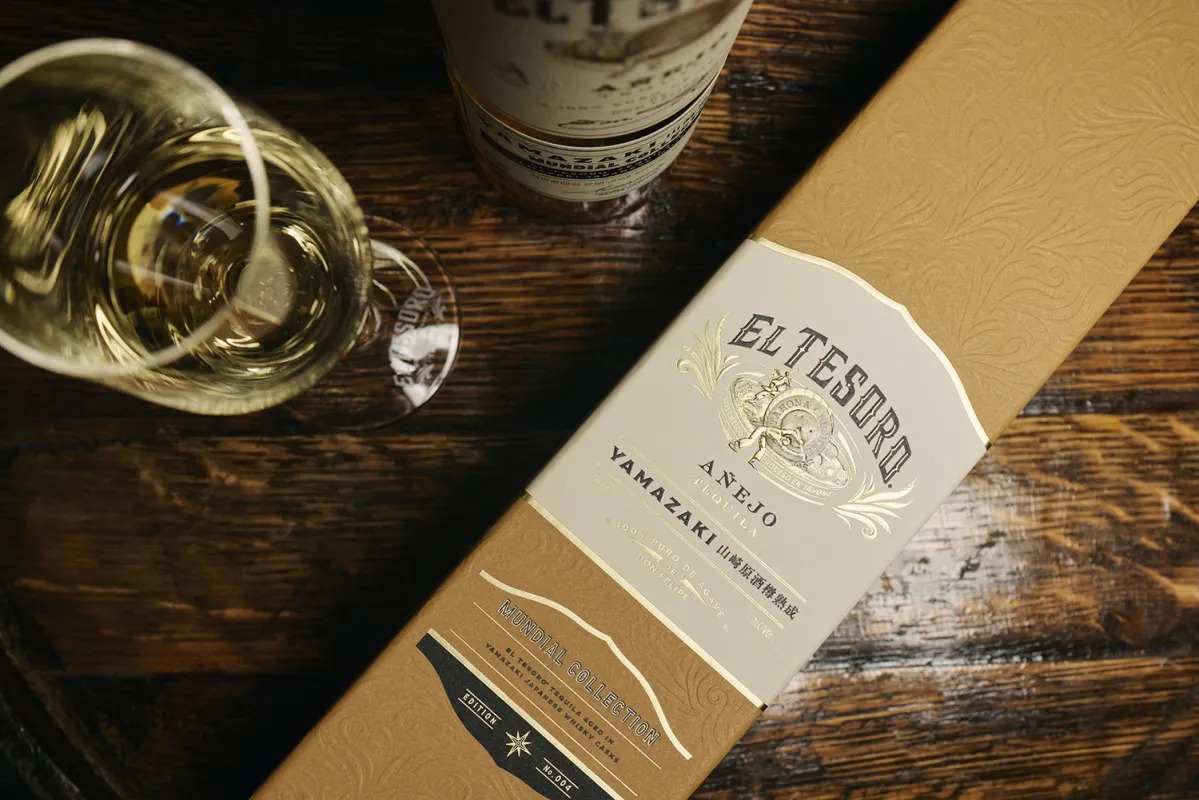
El Tesoro
Not all extra-aged tequilas lack agave character. For example, El Tesoro’s extra añejo blends four- and five-year tequilas in old bourbon barrels to realize a delicate sipping tequila that delivers sweet and smoky notes in perfect lockstep. The distillery’s best releases are the “Mundial” special editions; their recent Yamazaki Edition is a collab between Camarena and Shinji Fukuyo, The House of Suntory’s fifth-generation chief blender. It utilizes El Tesoro Añejo, which was aged 12 months in Yamazaki 12-Year-Old Japanese sherry and wine casks; you can read our full review here.
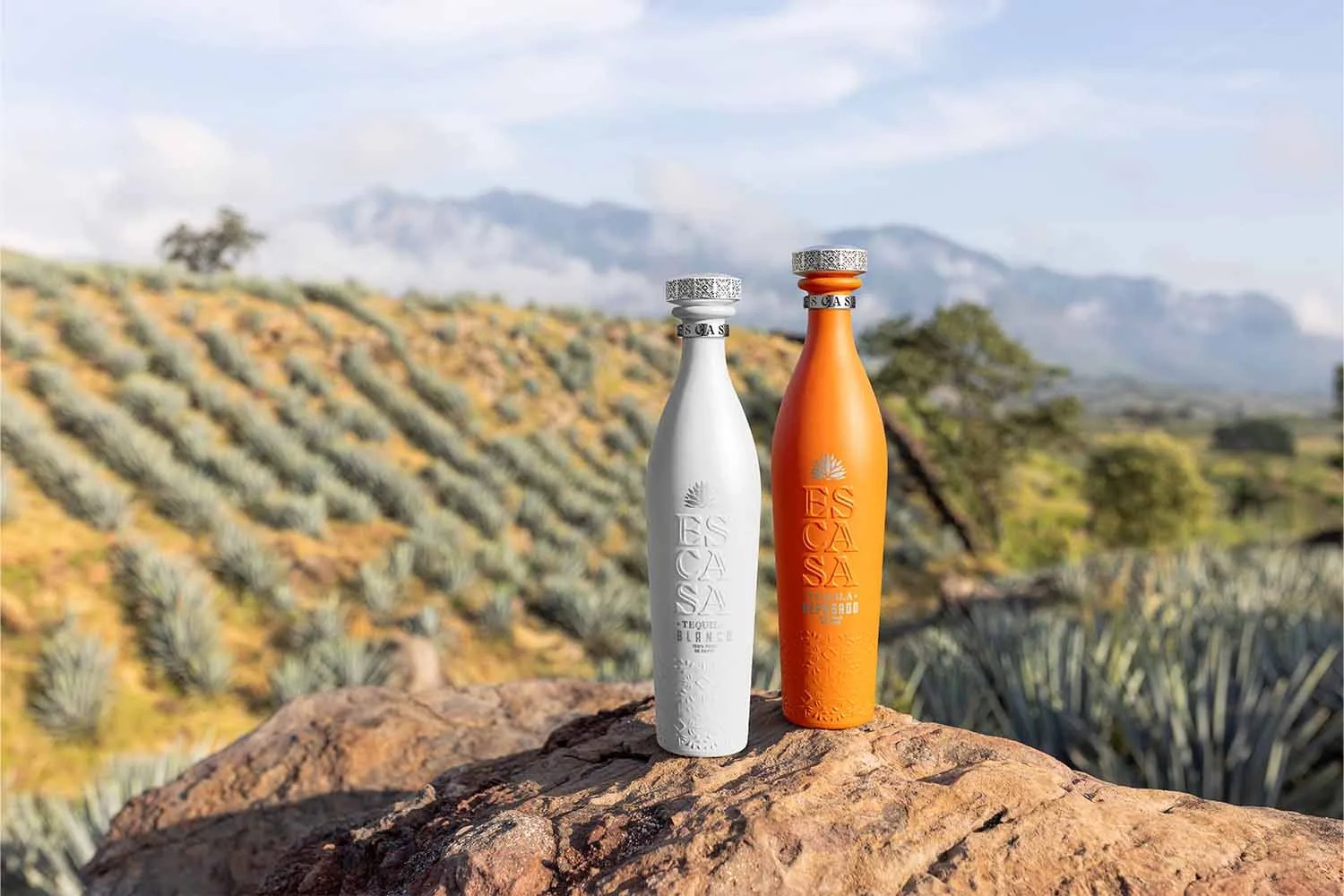
Escasa
Hailing from Los Altos de Jalisco, Mexico, Escasa (“scarce”) is overseen by Graciela “Grace” Gonzalez, a fourth-generation master distiller. Escasa’s tequila-making process isn’t entirely unique, but the distillery does utilize a lot of rarely-used methods, including triple distillation, estate-grown agave, heirloom yeast, bagazo (essentially, leftover cooked and pulped agave fibers) in the fermentation tanks and, for the reposado, maturation in Albariño barrels from Rias Baixas, Spain. What you’re left with (besides a cool, monochromatic bottle) is a blanco full of minerality and a reposado that offers some some citrus and acidity with hints of pineapple. Given that most repos veer toward caramel, this is a unique take on the category. Read more about the brand in our Q&A here.
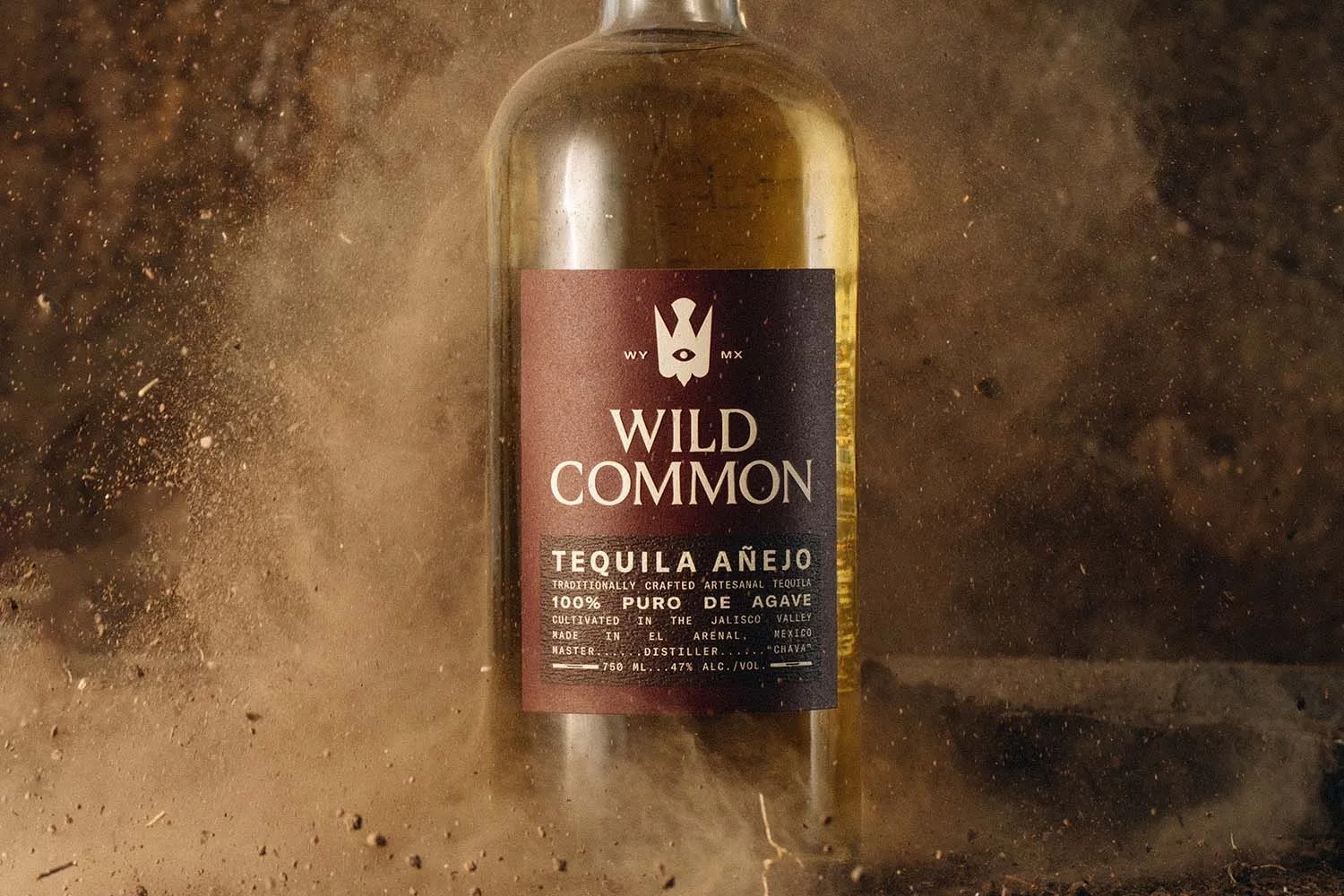
Wild Common
This Jackson Hole, WY-based tequila company was founded by National Geographic photographer Andy Bardon in 2021, who partnered with the Rosales family at the Cascahuin (NOM 1123) distillery. It’s no surprise that there’s a sustainability element central to the brand. They use biodegradable wood tops, and 100% of the bottles are made with recycled glass in Mexico near the distillery. The brand recently released their Añejo, a higher-proof (47% ABV), additive-free expression that was aged for more than 12 months in ex-bourbon barrels. It’s a wonderful menagerie of cooked agave, caramel, baking spices, butterscotch and orange zest.
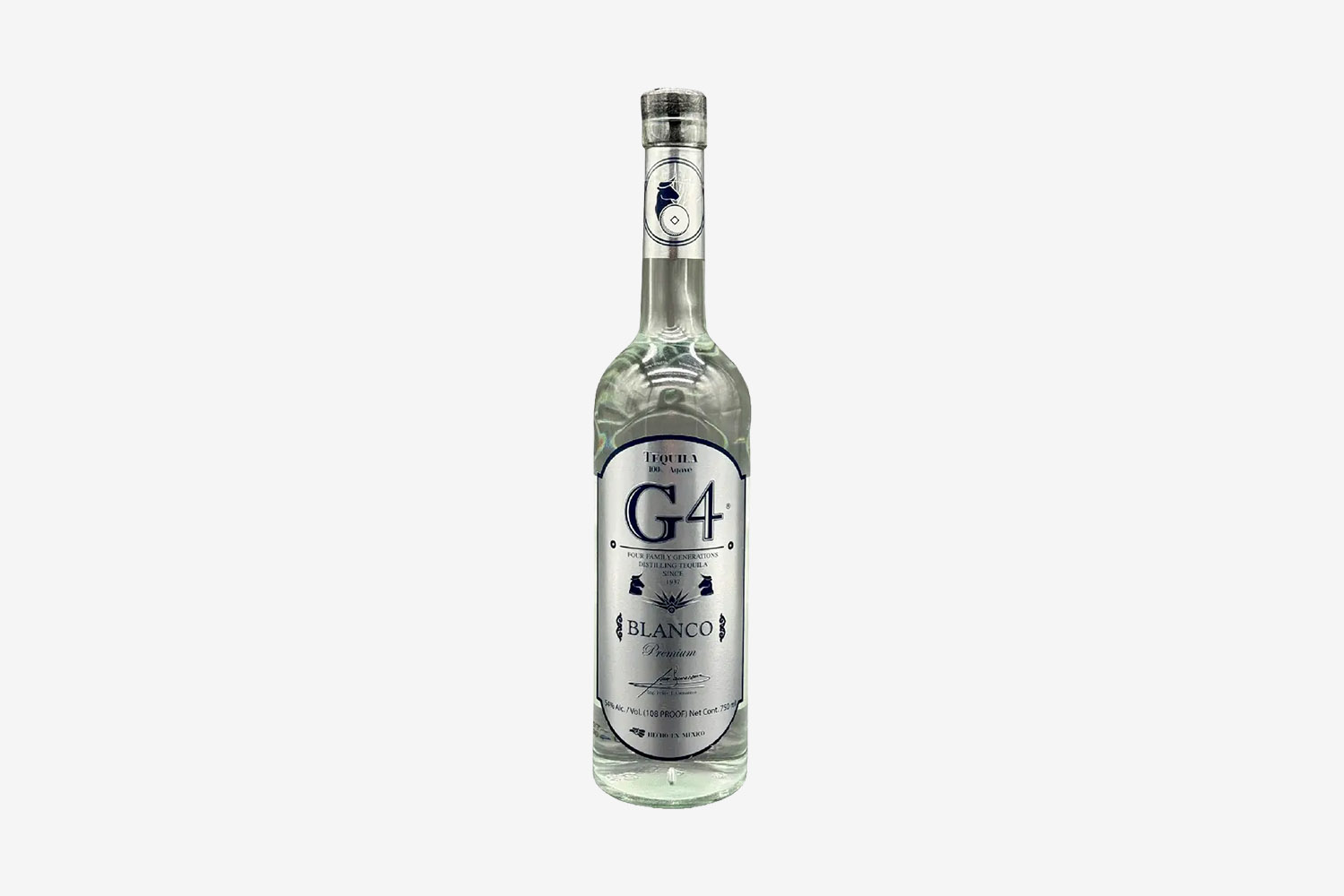
G4
The Camarena family has been distilling tequila since 1937. Fun story: This line of additive-free tequilas was actually recommended to me, on the sly, by another tequila brand on this list. I can see why: The blanco is citrusy and grassy, and it features a slight minerality and even a hint of cloves — it’s exceptionally bright and the mouthfeel is exquisite. Better yet? Buy the high-proof version. And if you can somehow find their 6-Year Extra Añejo, by all means, buy a bottle.
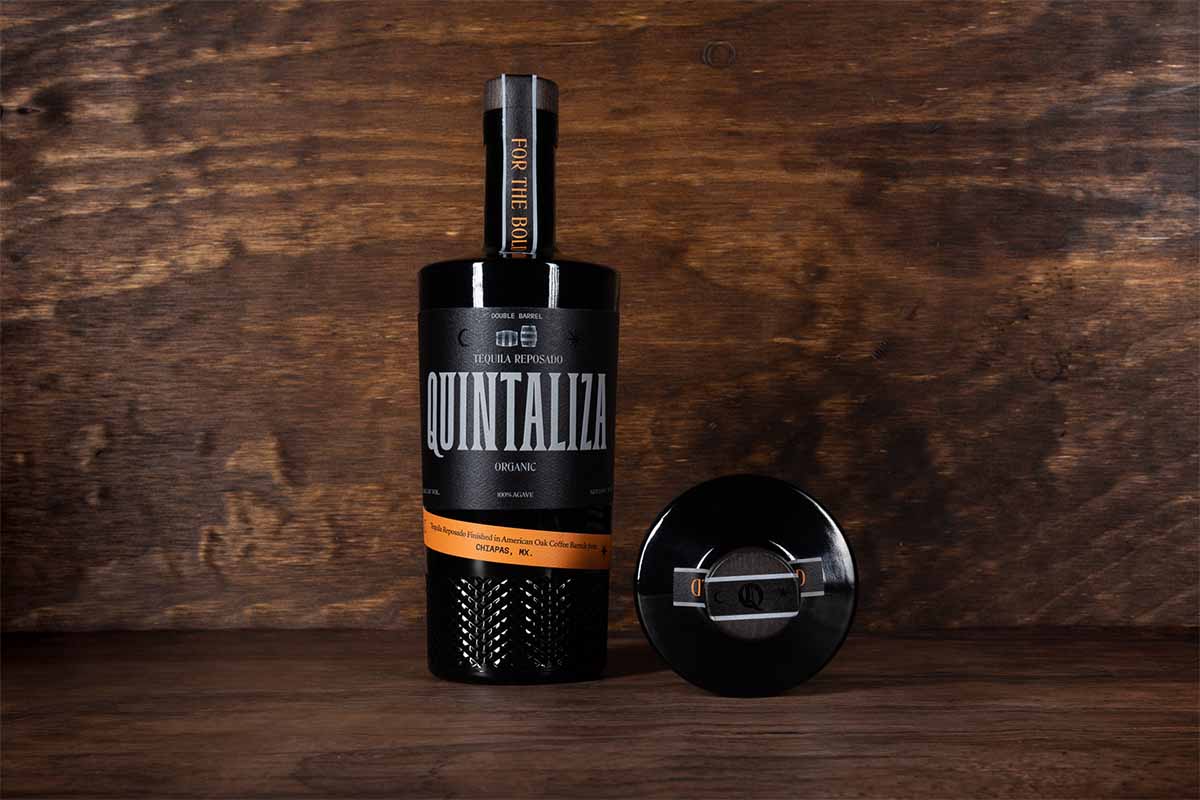
Quintaliza
An organic, additive-free tequila, Quintaliza reposado was finished in both ex-bourbon barrels and barrels seasoned with coffee from Chiapas, Mexico. The cooked agave aroma and flavor still stand out here, with the barrels adding hints of vanilla, chocolate, oak and roasted coffee.
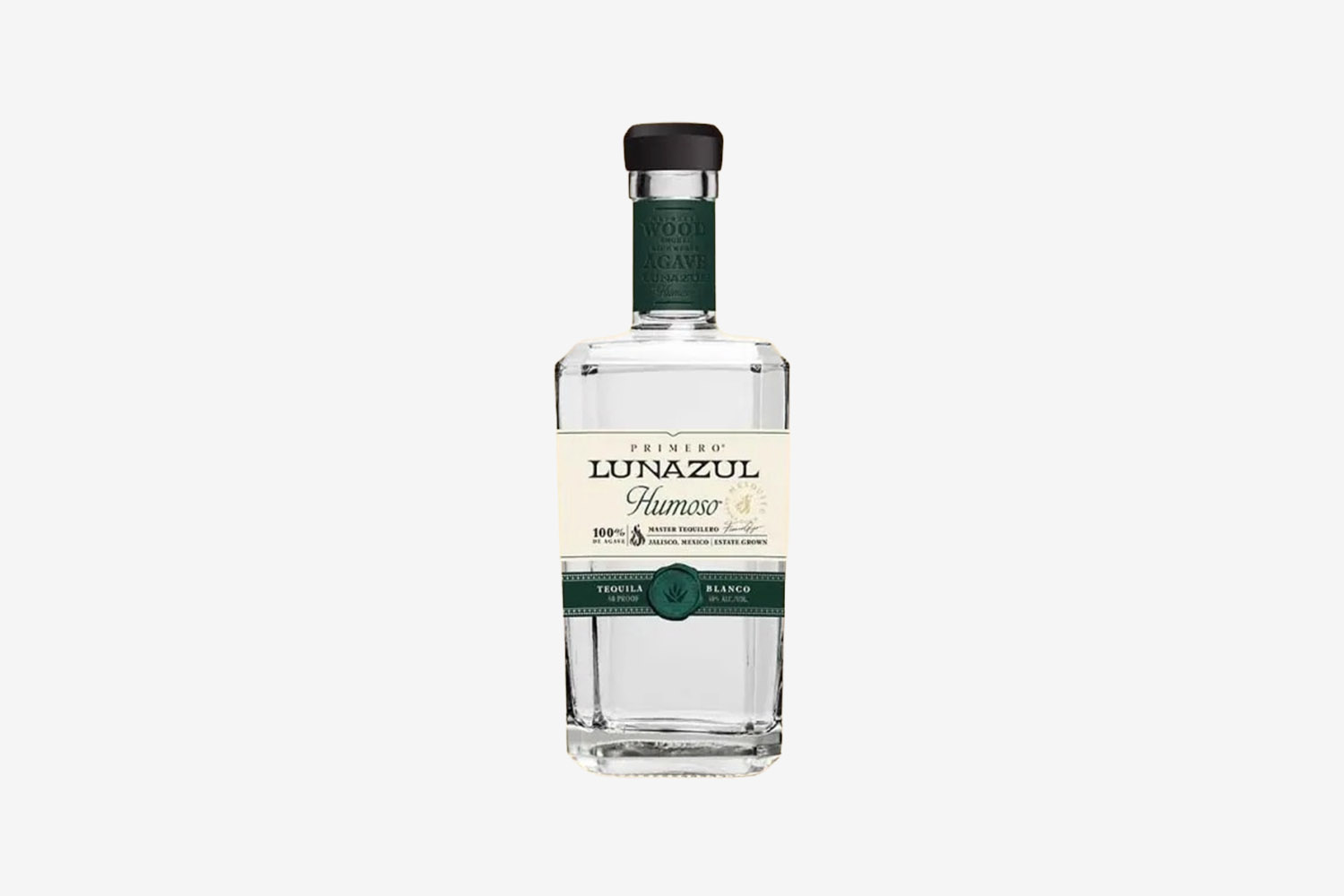
Lunazul
There’s a lot of heritage here: Lunazul was founded by Francisco Beckmann, a seventh-generation descendant of Jose Antonio de Cuervo. And the brand’s big selling point is to keep things affordable ($20-ish is a starting point for these expressions). Their El Humoso bottle, which gets its campfire element from smoked mesquite wood, is part of a small but growing trend in the tequila business to make things a bit smoky (but not quite like mezcal).
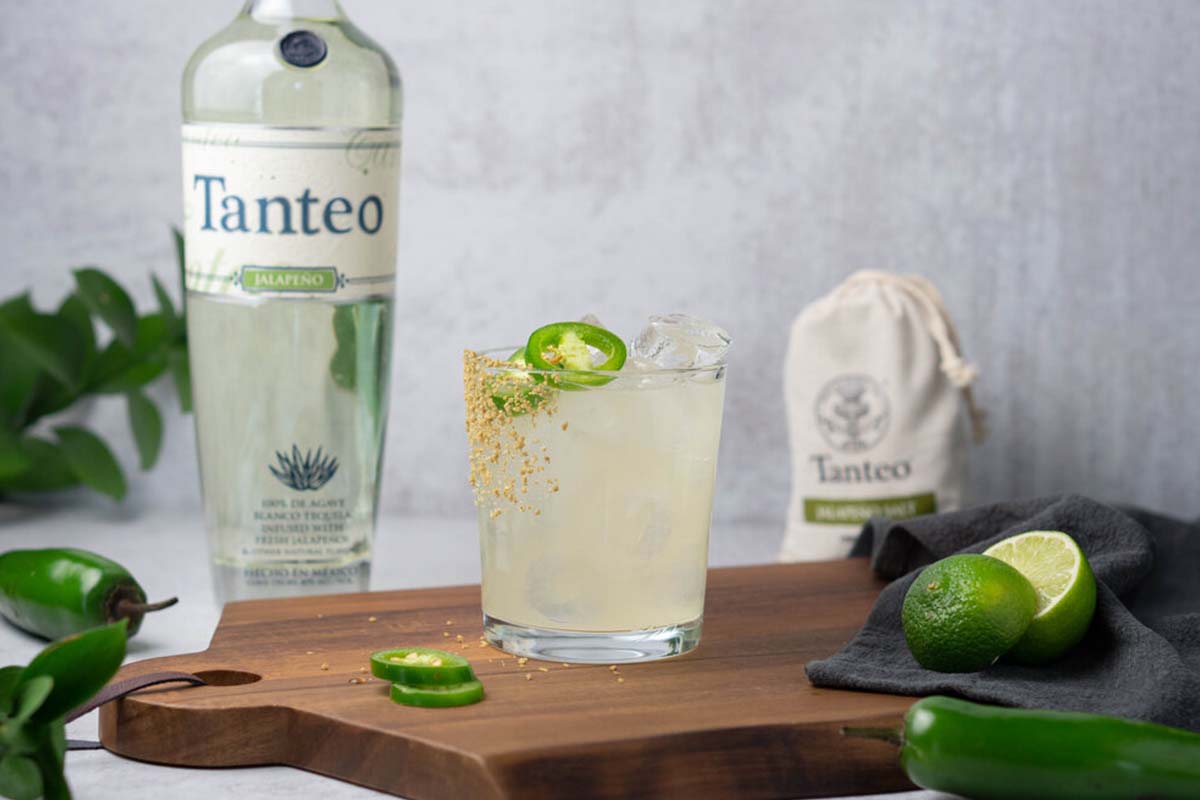
Tanteo
Formerly owned by a co-op of agave farmers (before a sale to, randomly, Tennessee’s Ole Smoky Distillery) and featuring a workforce that’s 80 percent female? That’s great, but you still have to make an interesting product … and Tanteo does. Loosely inspired by a cocktail from Death & Co., the founders of Tanteo decided to make their tequila products infused, with the idea that you can use them as an instant base for spicy drinks. The jalapeño is a standout, and interestingly, their non-infused blanco is about as good as you can get in the category. A full overview of their pre-sale history, along with recipes, can be found here.
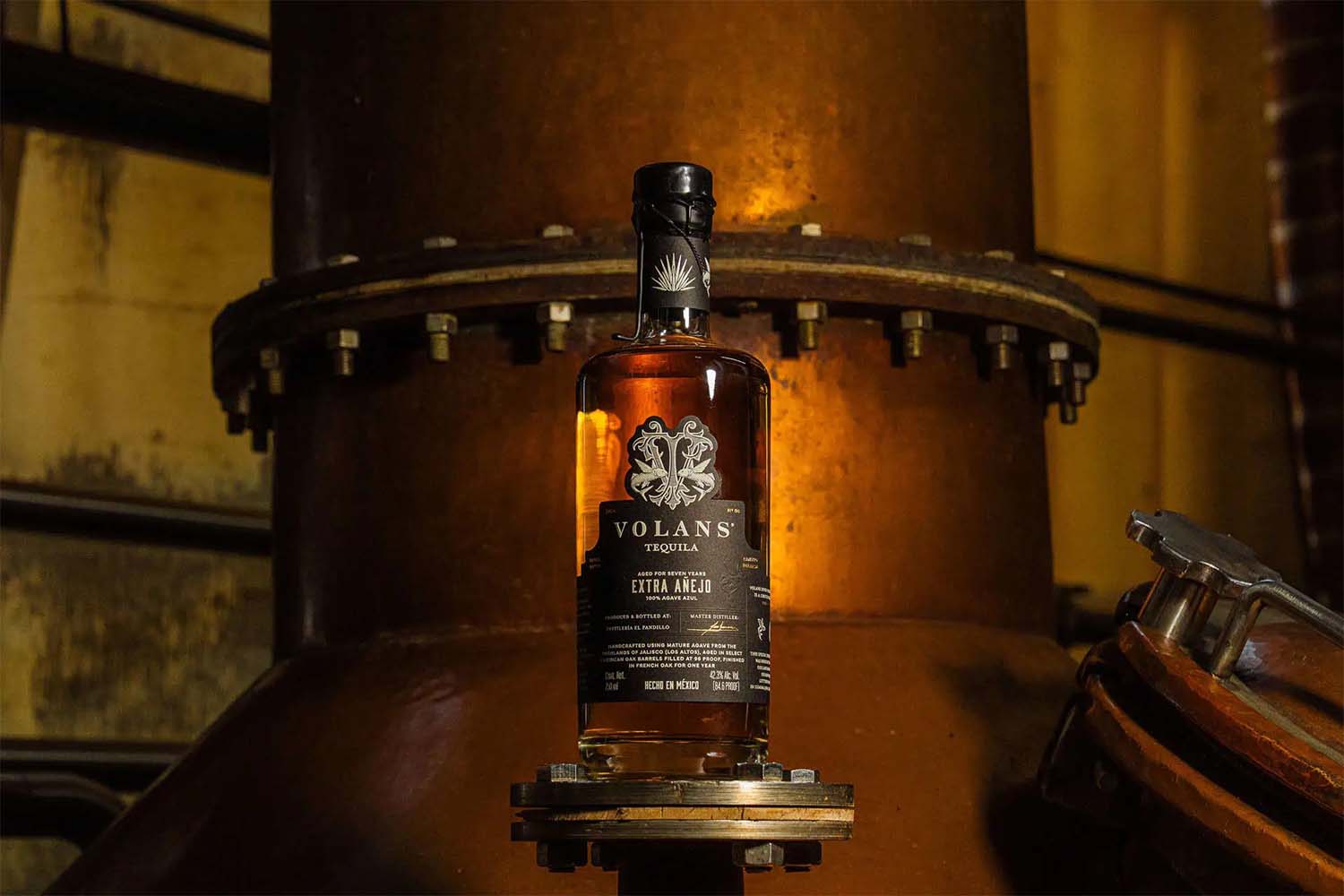
Volans
With help from Felipe Camarena of G4, Volans has produced an exceptional line of additive-free tequilas that utilize a mix of three different water sources to achieve their unique character. Bonus: The design of the extra añejo bottle was inspired by the “four horsemen” of metal (Metallica, Anthrax, Slayer, Megadeth).
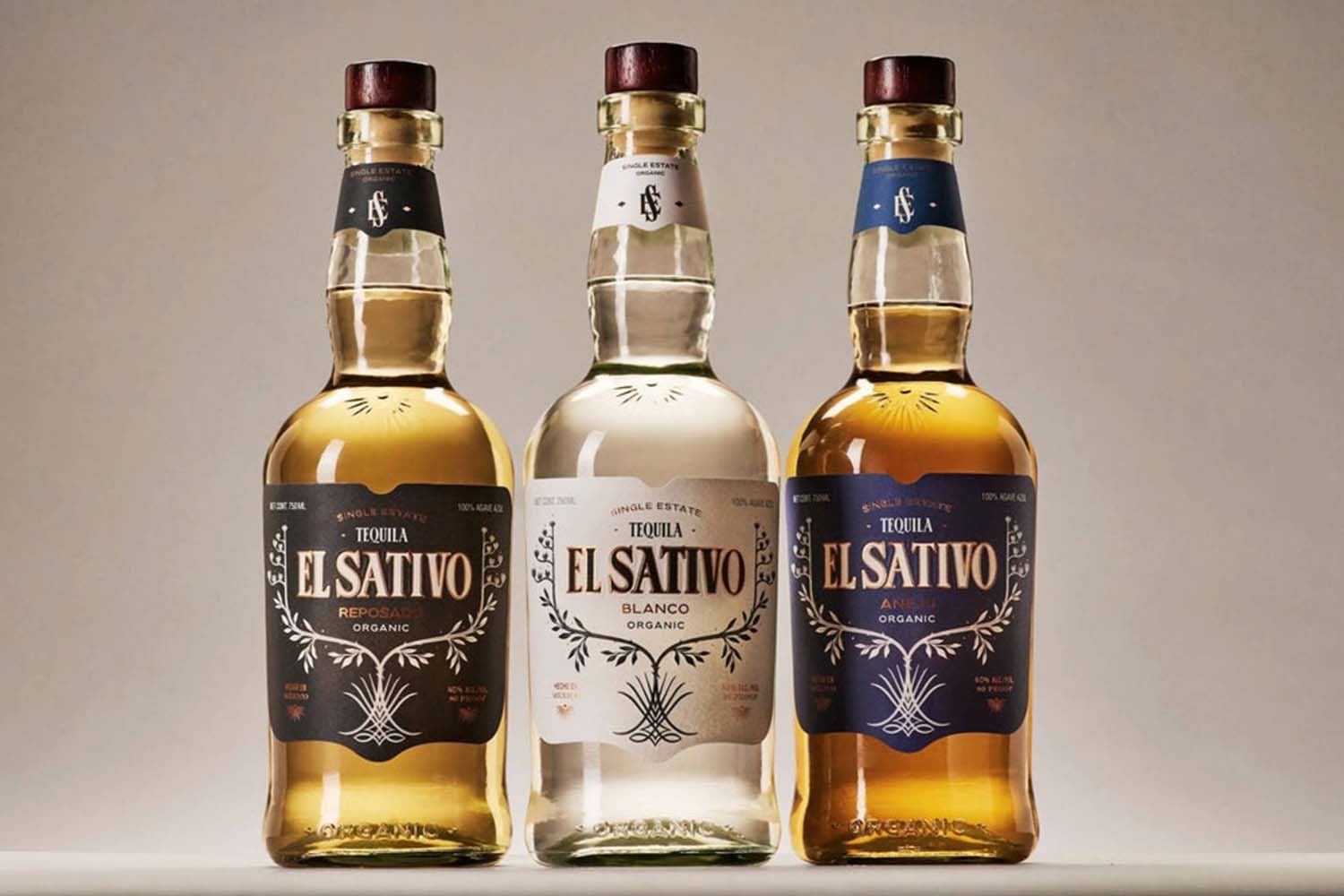
El Sativo
El Sativo checks pretty much all the boxes: it’s kosher, organic, single estate and vegan. The SFWSC winner for best blanco in 2020 features a peppery, fruity kick of agave and certainly puts me in a good mood.
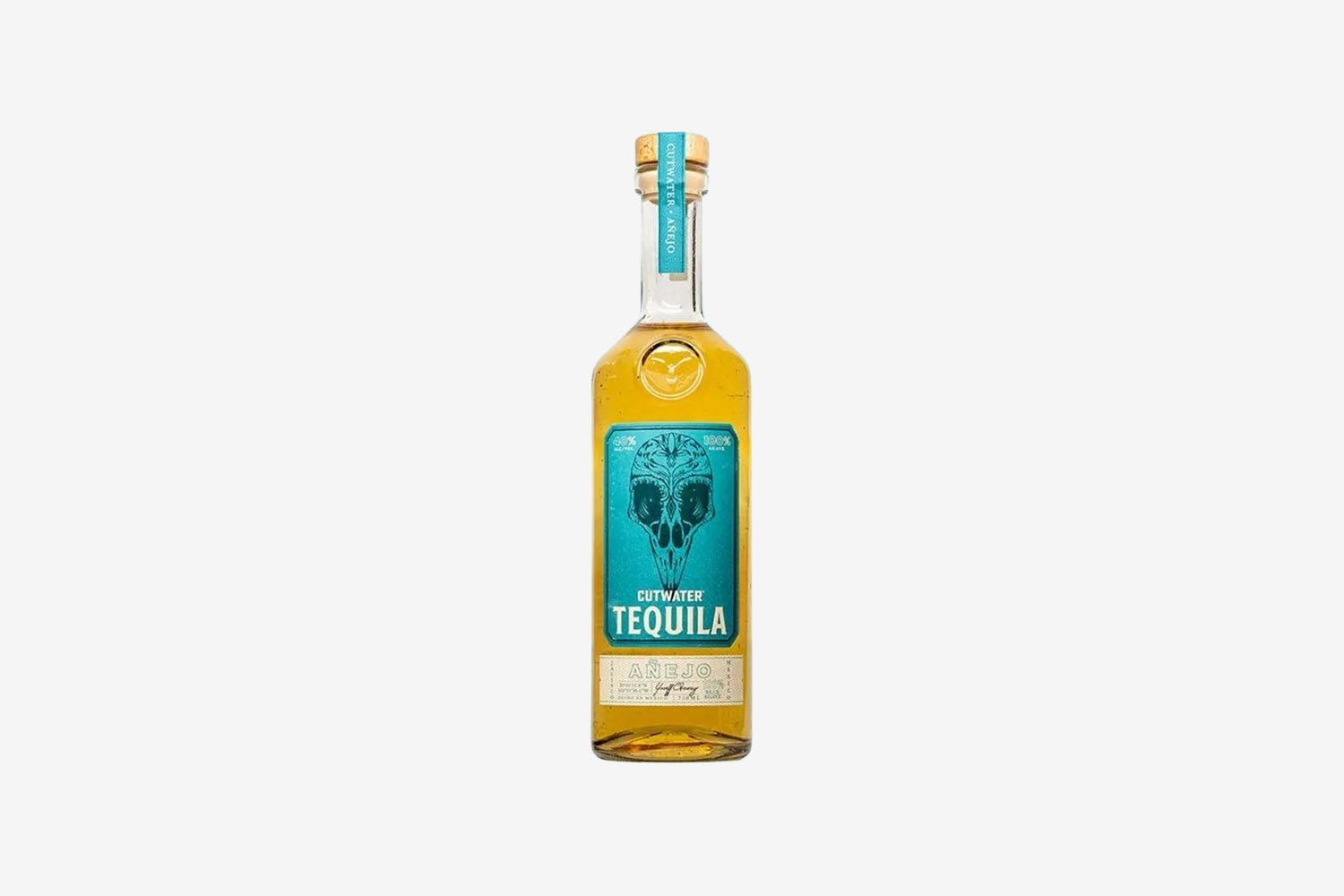
Cutwater
While you may know the San Diego-based distillery for its ready-to-drink canned cocktails (or as a spinoff from Ballast Point Brewing), their bottled spirits are starting to get some recognition. To wit: this tequila won an SFWSC award for best añejo. The oak, butterscotch and vanilla notes are readily present here — if you want an añejo for cocktails, this might be your best bet for the modest price.
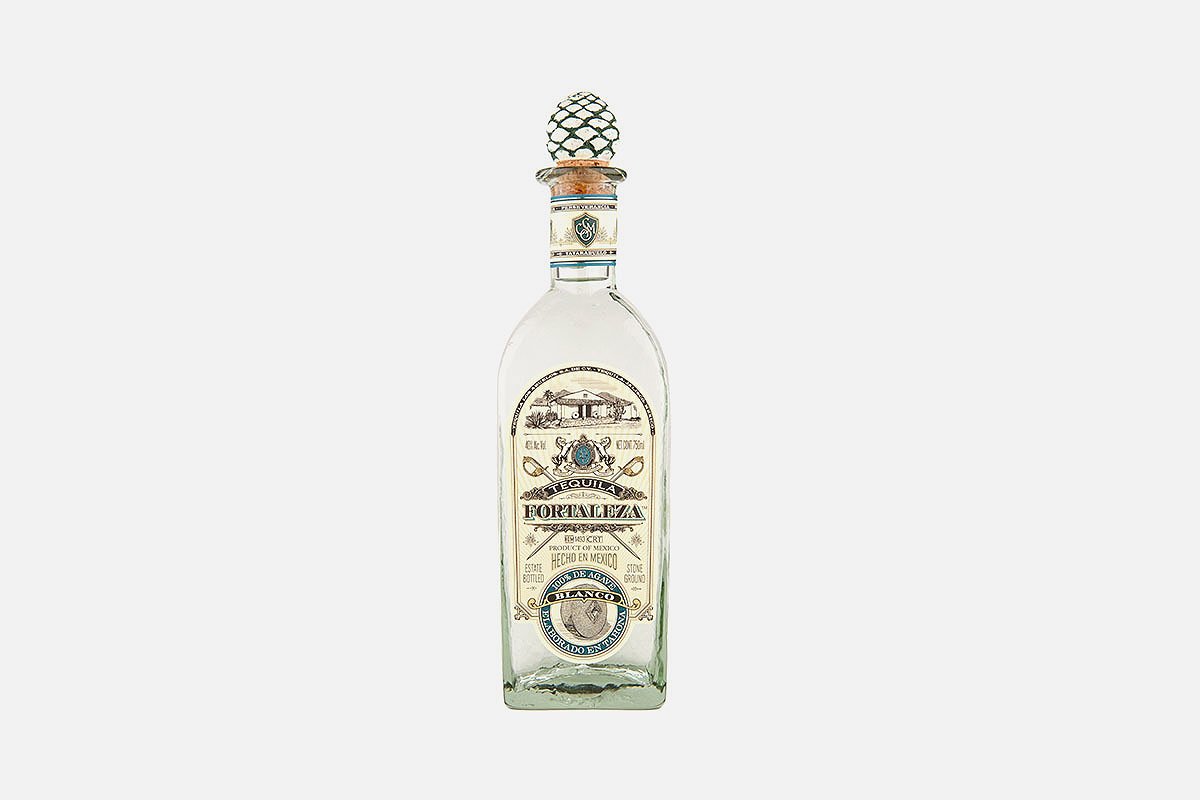
Tequila Fortaleza
Tequila enthusiasts rave about this agave release. As former bartender Ryan Wainwright (and now drinks brand ambassador) told us a few years back: “The flavors that come out of this tequila are the most interesting and ‘dirty.’ It could be the tahona-ground agave, but it’s most likely that the distillers ferment the agave in wood tanks, lending it to flavors like olive brine, citrus peel and fresh herbs. And I love the handwritten batch numbers on the back of every bottle. I suggest you taste different batches and find differences in each one.” You can read more of Fortaleza, the Pappy of the tequila world, here.
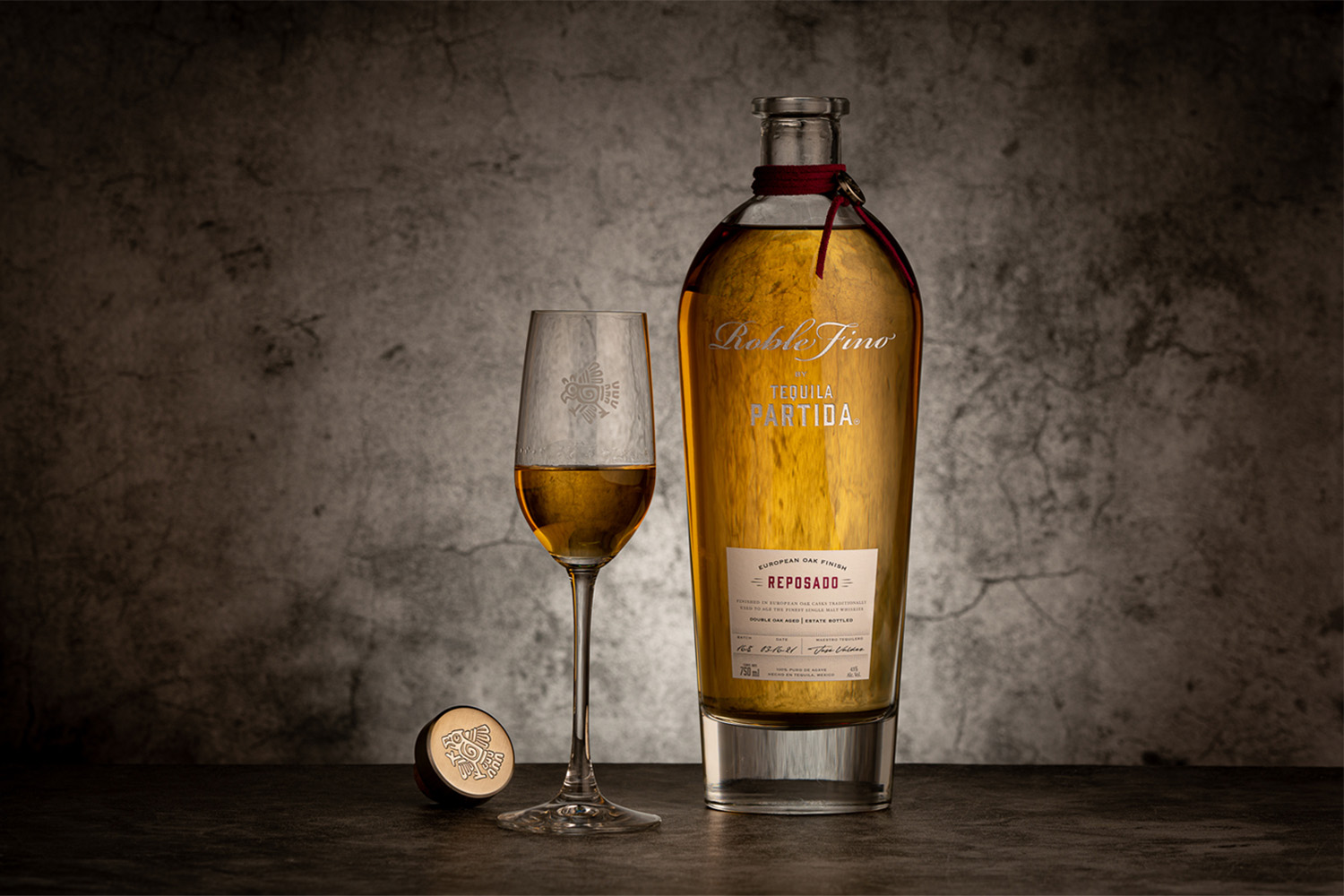
Partida
Partida is an additive-free tequila and touts itself as the “highest-rated tequila in the world.” Their Roble Fino reposado release is fascinating: A tequila from Mexico aged in ex-bourbon barrels from the U.S. along with a finish in ex-single malt, sherry seasoned casks (taking it one step further, there’s also a Cristalino variation). And it somehow works. You can read a larger overview of the brand here.
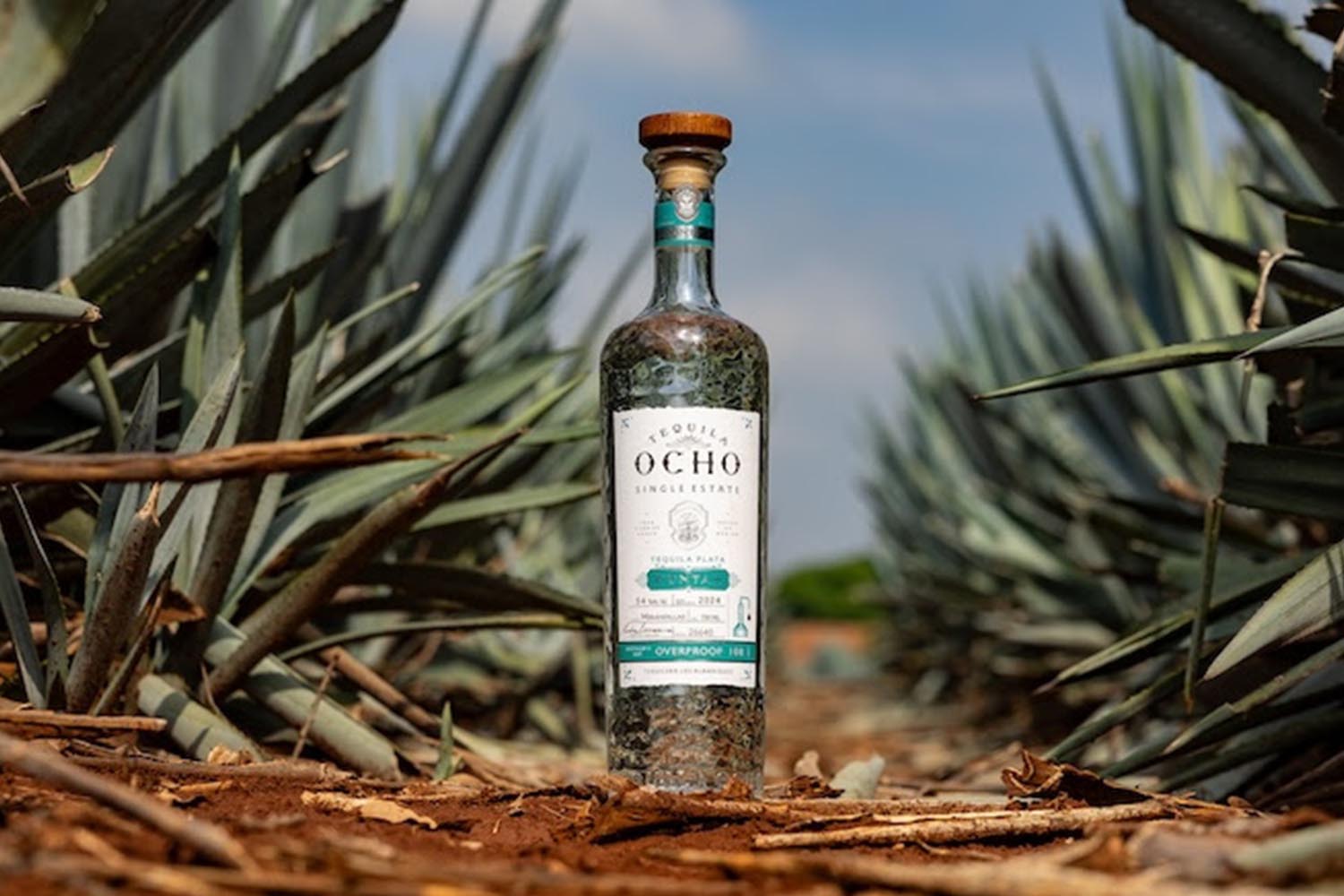
Tequila Ocho
A brand obsessed with terroir, Ocho is headed up by co-founder and master distiller Carlos Camarena, a 5th-generation agave farmer and 3rd-generation tequilero. Utilizing single estate agave harvests and releasing yearly vintages, it’s hard to pick just one bottle, but Puntas is a “distiller’s cut,” usually set aside for VIPs at the distillery. It’s a cut from the very end of the heads and beginning of the heart; coming in at 101 proof — it is proofed down using nearby well-extracted water — it’s full of notes of cooked agave, pineapple, cut grass, baking spices and more.
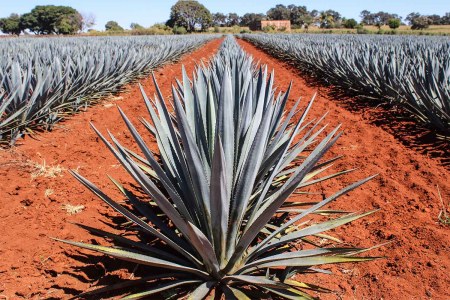
What Is Single-Estate Tequila, and Why Does It Matter?
Exploring a newfound focus on terroir with agave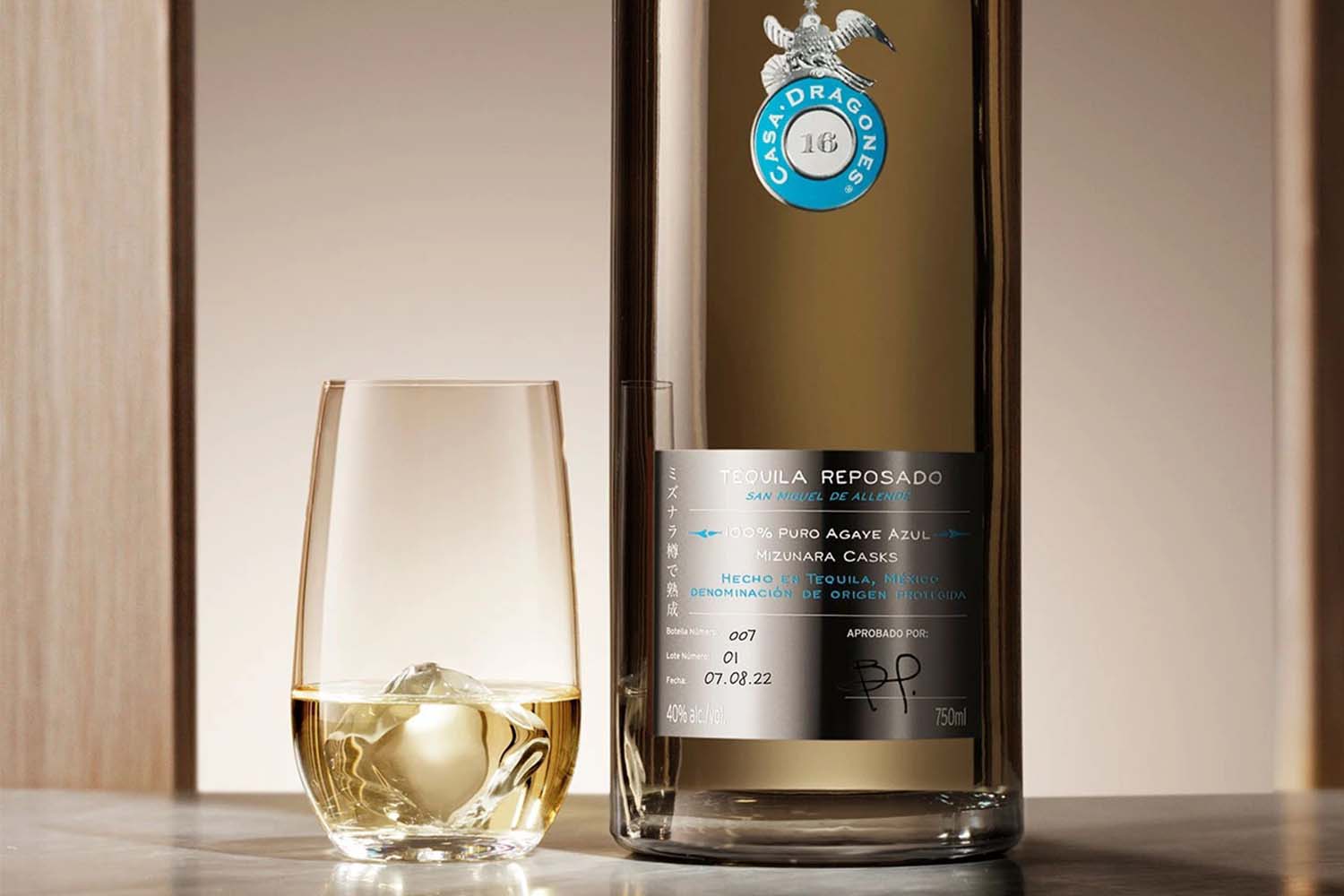
Casa Dragones
We’ve been fans of this sipping tequila since InsideHook launched 10+ years ago — it was part of our first Father’s Day gift guide — though we usually let someone else pick up the tab when we want a sip. The distillery does a good job with maturation — both the Tequila Añejo Barrel Blend (matured in new French Oak and new American Oak) and Reposado Mizunara (aged in a rare Japanese oak) offer unique and elegant profiles not often found in tequila.
Siete Leguas
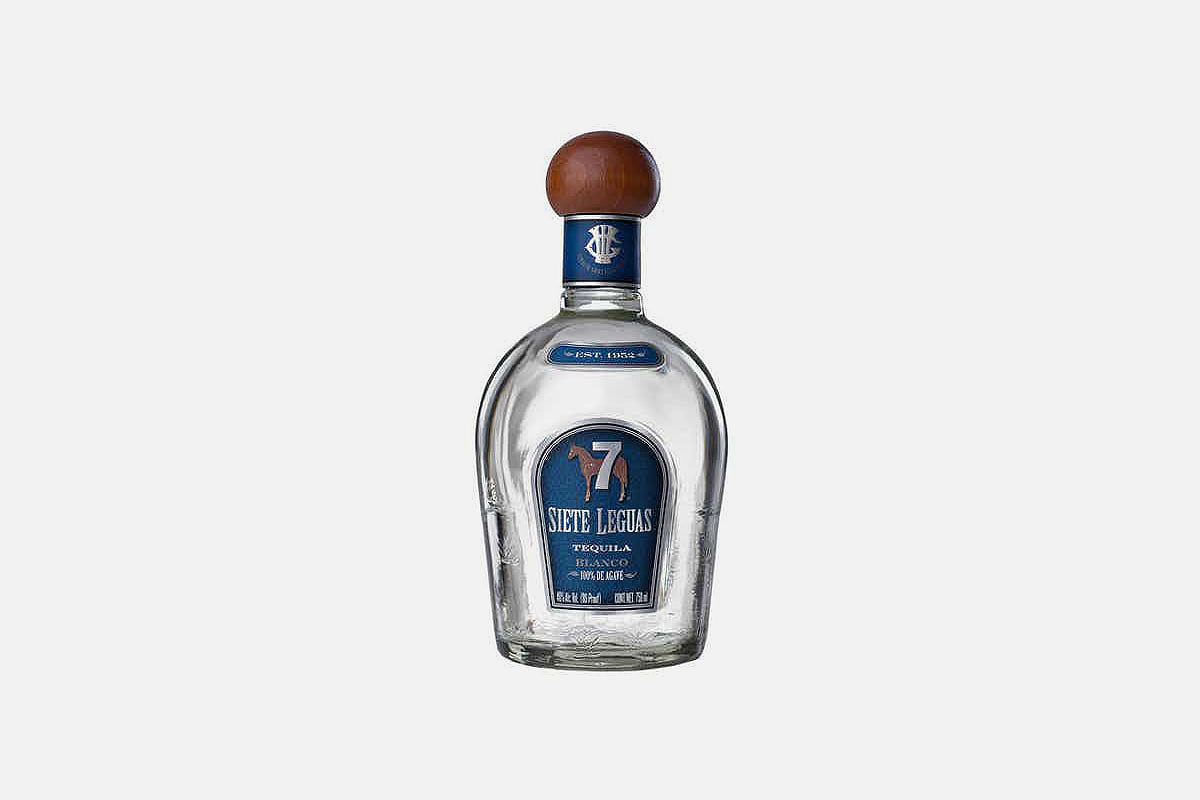
Siete Leguas was the original producer of Patrón, and their own spirit maintains that personality but adds complexity. “Think of it like your favorite cast-iron skillet, then add 65+ years of care and dedication to the mix,” as L.A. restaurateur and tequila aficionado Clemente Heredia told us a little while back.
Milagro
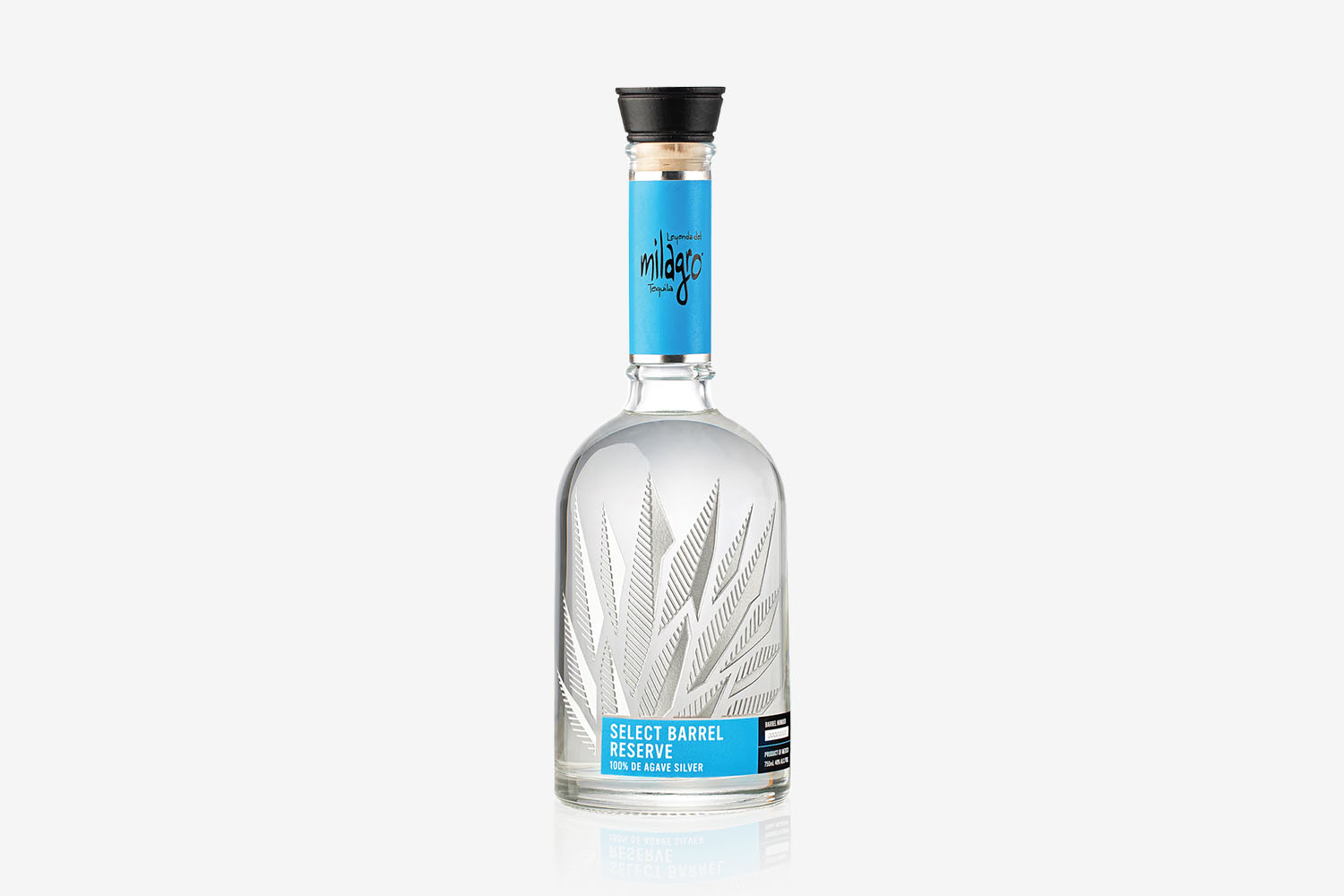
We’ve previously praised the ubiquitous (and inexpensive!) Milagro Silver as an ideal base for Margaritas; it’s clean, crisp and features some nice peppery notes. The Barrel Reserve adds just a hint of vanilla and oak — it’s certainly an elevated take, and worthy to drink on its own.
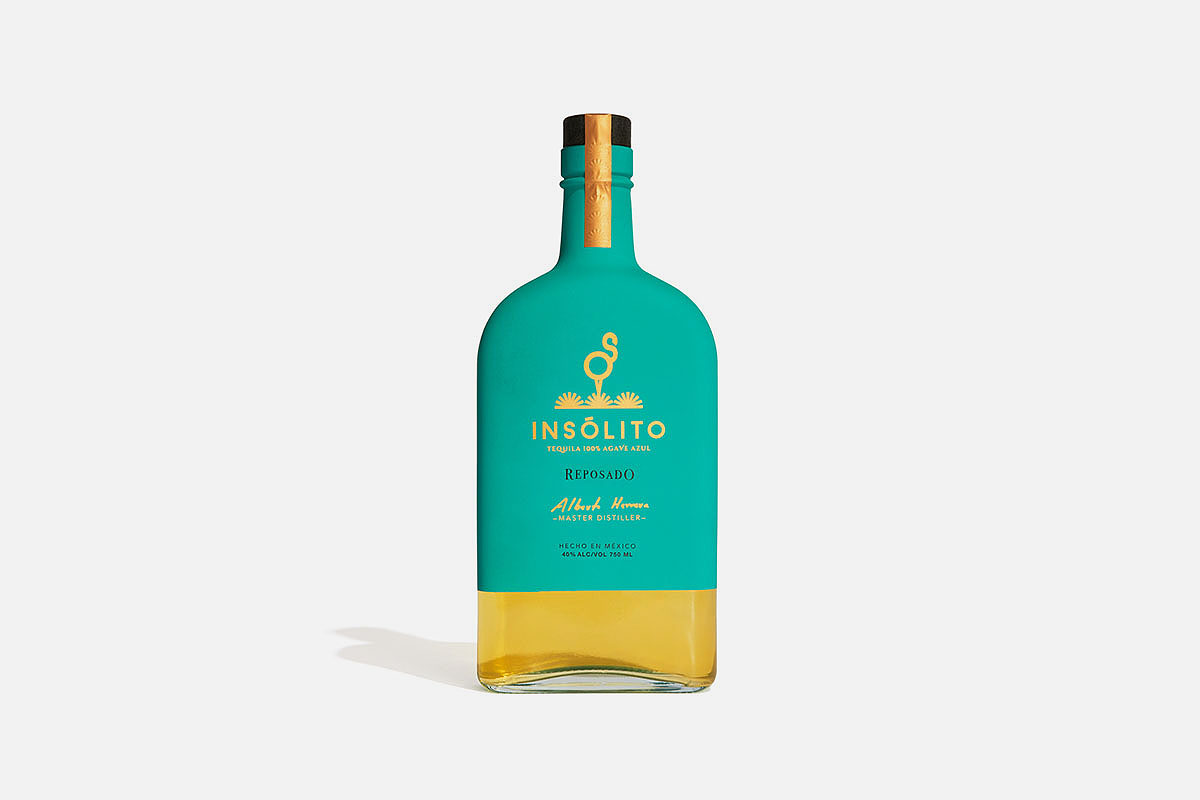
Insólito
Distilled at a very high (7,200 feet) elevation with custom equipment and utilizing a slow fermentation process, this not-quite-celebrity tequila (the band Midland is a partner) offers some unique taste profiles. The blanco has a vegetal note and some minerality — not for everyone, but something you’ll return to. The reposado, however, features a wonderful, creamy mouthfeel and notes of butterscotch and baking spices, and should be a crowd-pleaser. Bonus: These are additive-free tequilas.
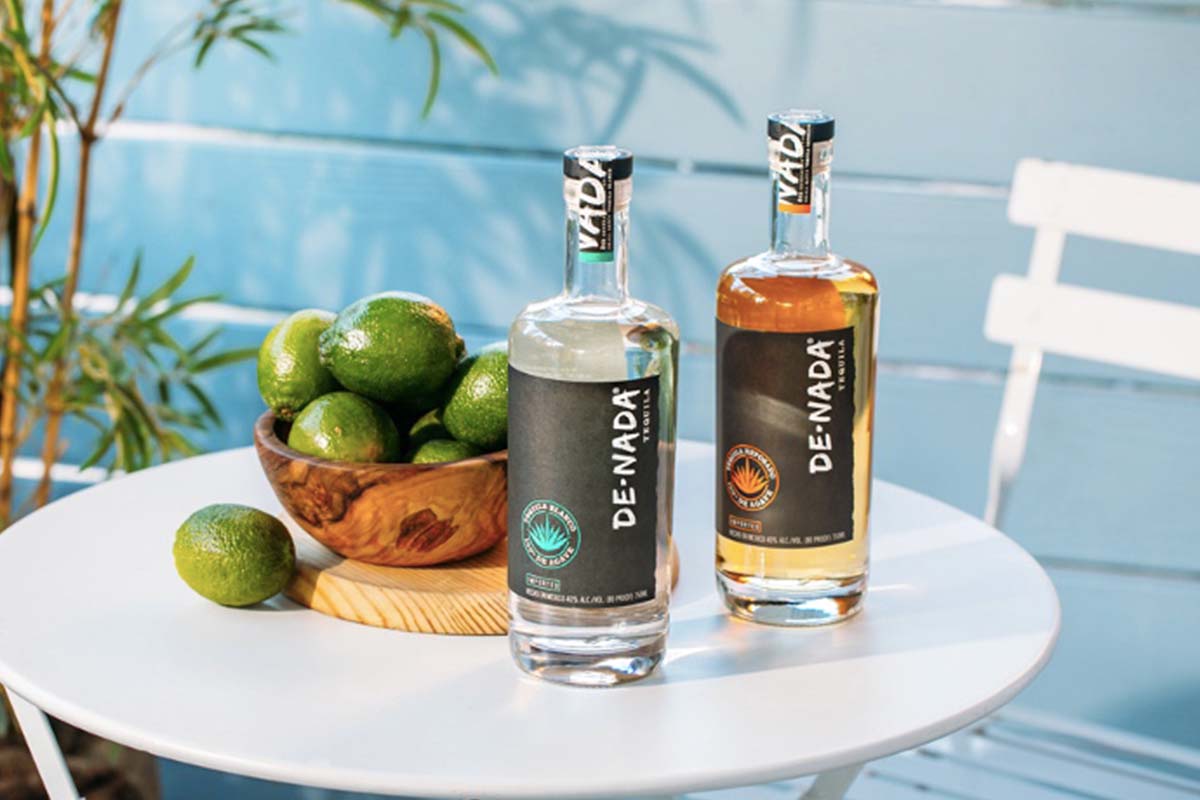
DE-NADA
Two millennial entrepreneurs are behind this tequila release (in collaboration with a fifth-generation distillery), which uses brick-oven roasted, estate-grown agaves and local, natural yeast. One of the most versatile tequilas we’ve encountered recently — great on its own, but also a wonder in cocktails that normally would have been based on rum and bourbon.
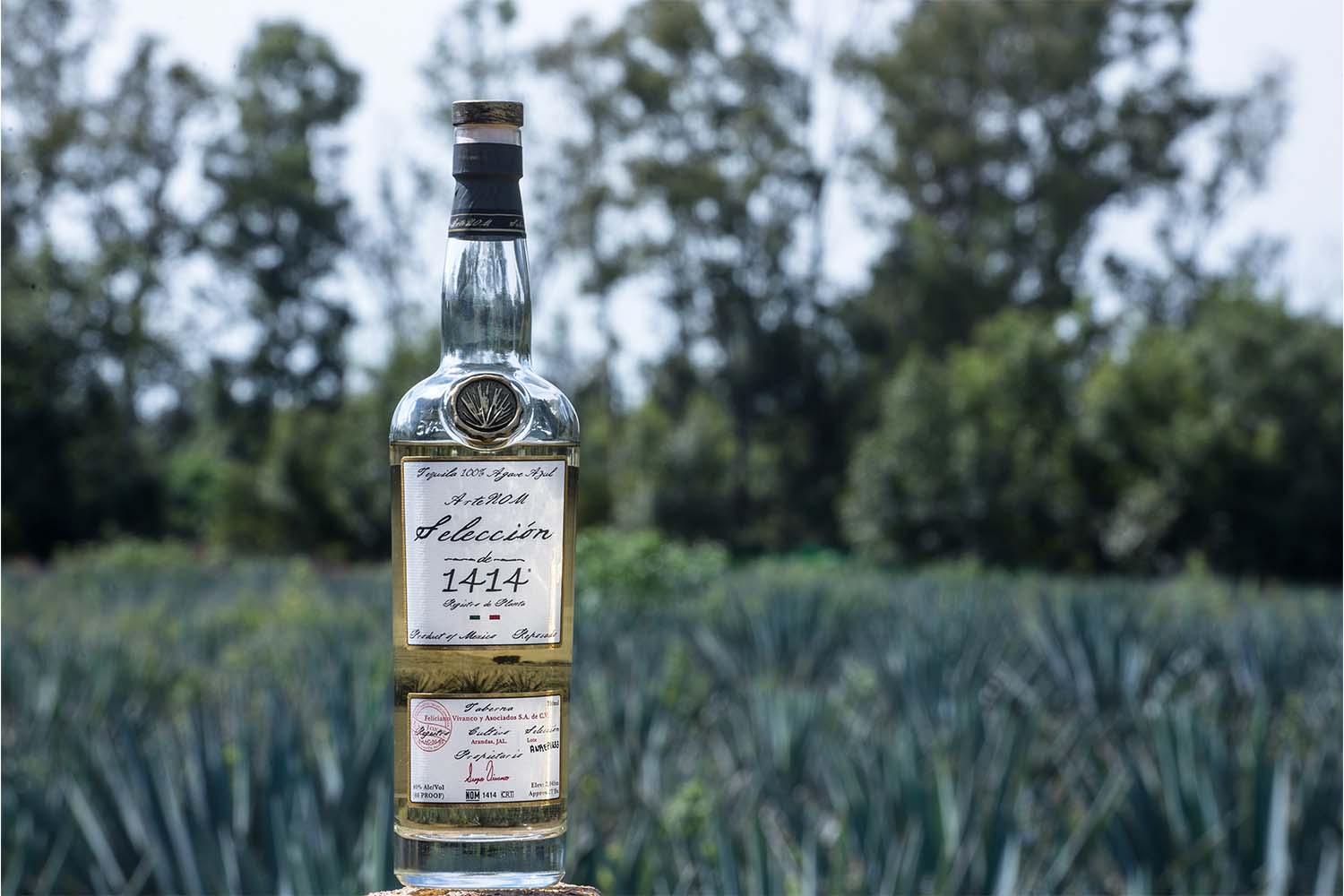
Tequila ArteNOM
An independent bottler of tequila? I was intrigued. ArteNOM releases tequilas from different distilleries (NOM stands for Norma Oficial Mexicana, a four-digit number found on a bottle indicating where the tequila was made). So if you love what’s being produced at NOM 1414, for example, ArteNOM has a bottle for you, along with the whole backstory and process behind that distillery’s tequila.
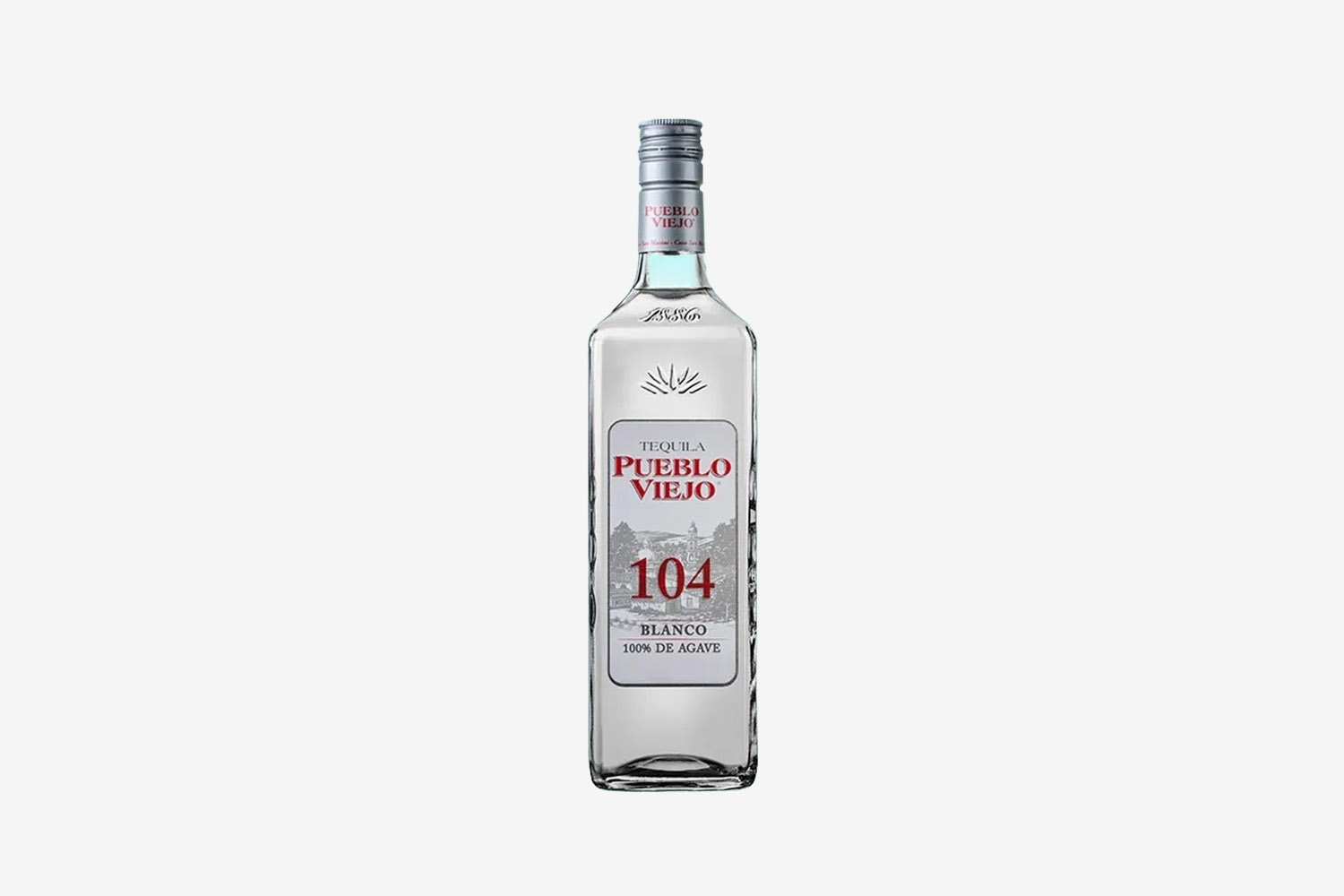
Pueblo Viejo
A random find! If your local bar uses this blanco for shots, you’re in luck: while lacking character, Pueblo Viejo is incredibly smooth (even the overproof 104 release).
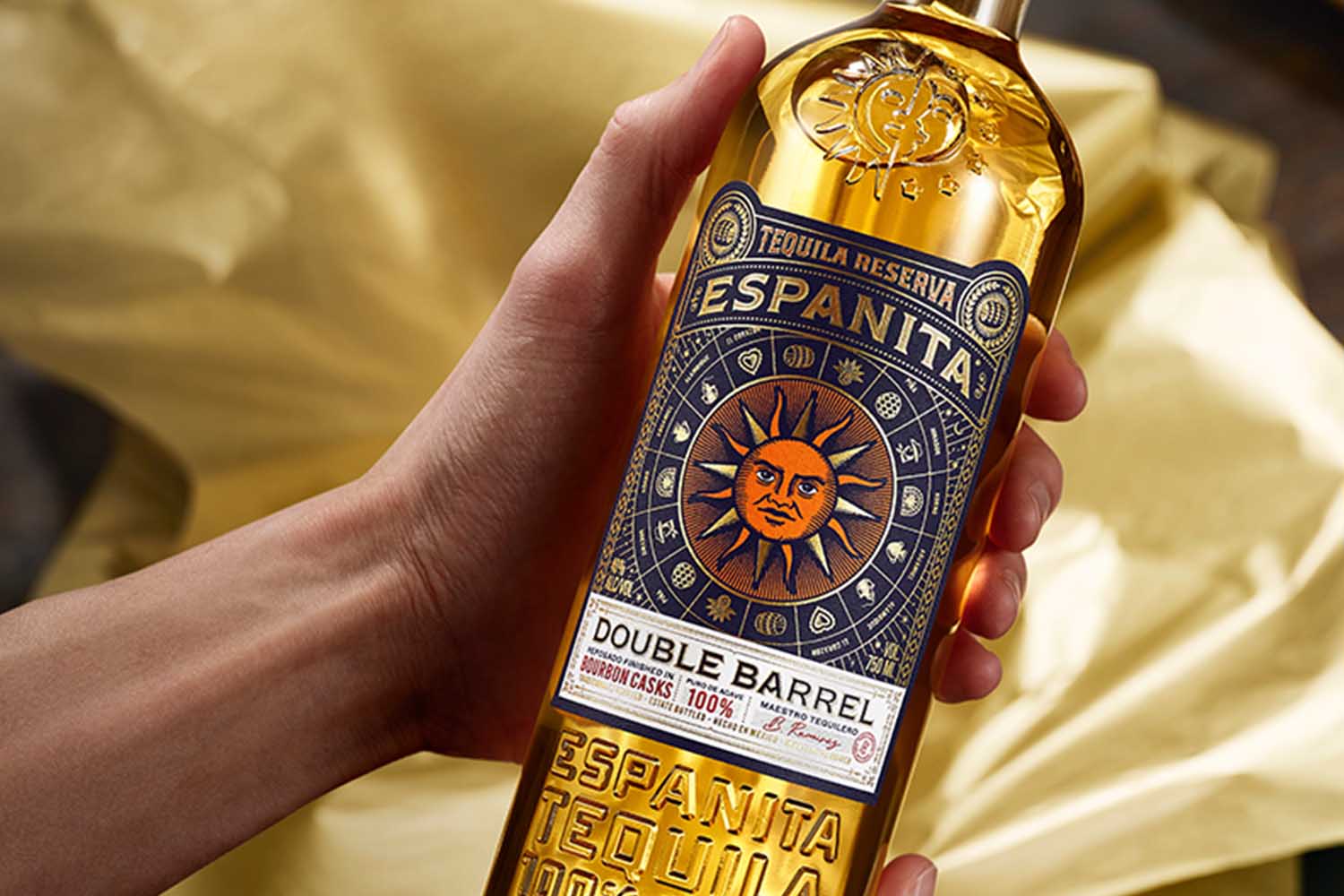
Espanita
Produced in Jalisco at an independent, family-owned and operated distillery, the female-founded Espanita has a blanco with an enticing white pepper and citrus bite. But their most interesting release is a Double Barrel Reposado, aged in American oak barrels and finished in bourbon casks. While it captures the vanilla, caramel and oak notes you’d expect, the tequila manages to keep its agave flavor.
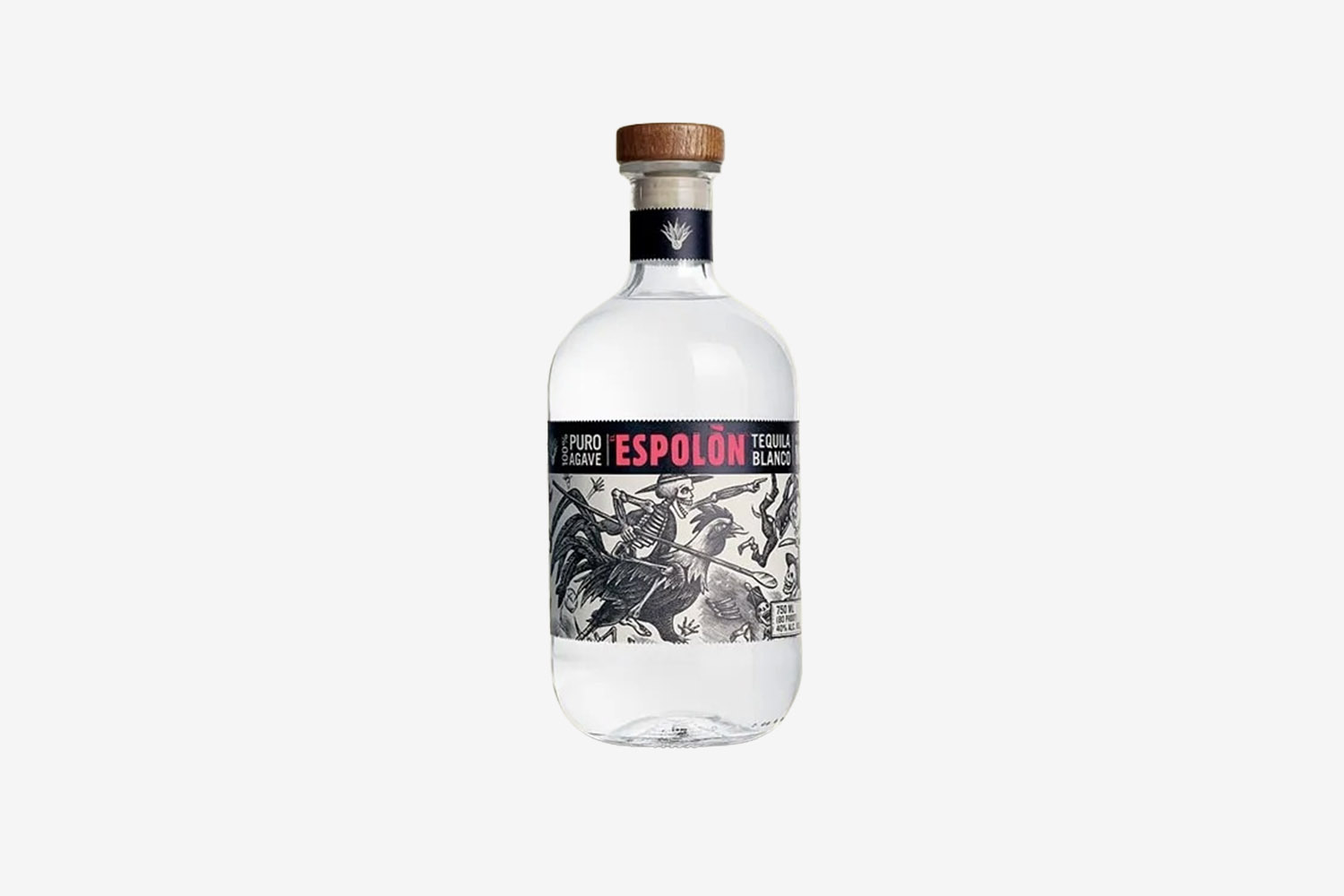
Espolòn
One of the best Margaritas we’ve had in the past few years utilized a basic recipe (Cointreau, lime juice, tequila, salty rim) and involved this blanco, which is bright and citrusy with just enough pepper and spice to hold your drink up, but smooth enough to keep you going back for, well, way more than you should. It’s the perfect well-mixing tequila for your bar, with a 750ml bottle usually ranging from $20 to $25.
More Like This


We're always on the scene eating, drinking and traveling near and far to bring you the best of what's happening out in the real world. Sign up for IRL now.