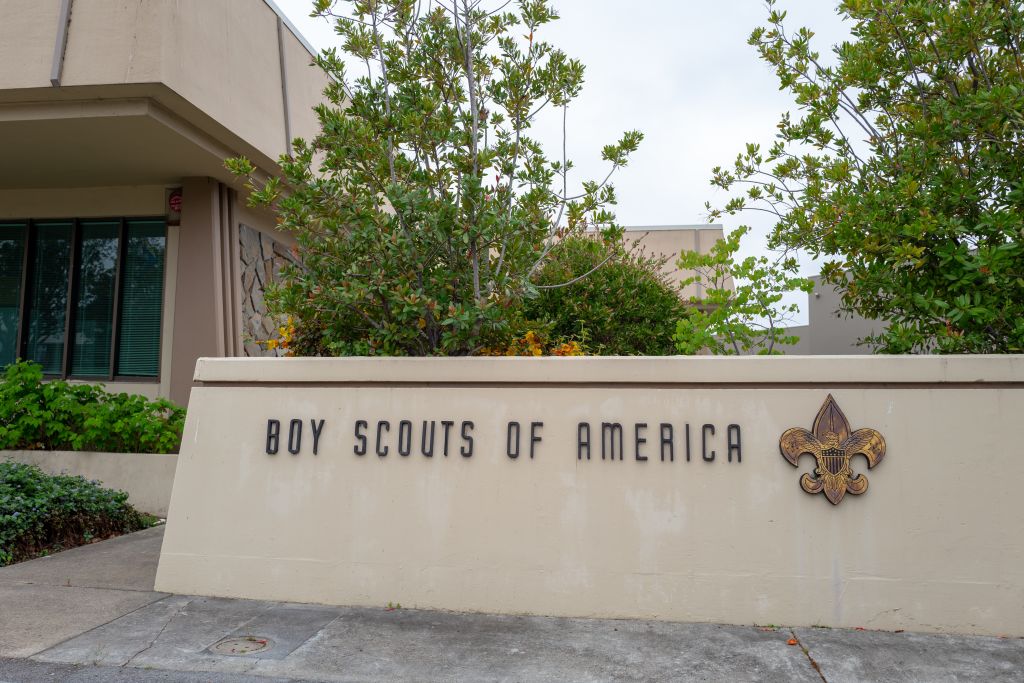
In 2021, the Boy Scouts of America reached a massive settlement in a lawsuit with thousands of defendants who were sexually abused during their time in the organization. The organization agreed to pay $850 million as part of the settlement — part of which came from the national organization and part of which came from local chapters. It was a means of addressing a historic wrong that was left unchecked for far too many years. As a New York Times article published at the time suggested, the full amount paid for these lawsuits is likely to be much higher.
Combine that with a decline in the number of Scouts joining each year and you have the makings of an organization in financial distress. In a recent article for Curbed, Molly Osberg explored one major consequence of the decline in scouting — the sale of a substantial number of outdoor spaces used for camping.
It might not be apparent at first, but Boy Scout chapters are often major landowners. “In New York State alone, chapters control 35,000 acres (much of it valuable lakefront property), making the organization’s cumulative footprint in the state larger than that of Disney World in Florida,” Osberg writes.
Further complicating matters, as Osberg points out, is that several of the outdoor spaces in question were bequeathed to the organization with the intention that they would continue to be used for fishing, camping and other similar activities.
The future of the spaces that are being sold, however, is less clear — and could result in formerly green spaces being developed, as developers can generally outbid nonprofits focused on preservation. A survey of some spaces sold off by the Boy Scouts in the past reveals luxury developments and sprawling compounds.
On the other hand, this is also not a case where public spaces are being sold off for private homes. The Boy Scouts are a private organization, and their policies on who can and cannot join have been the subject of plenty of controversy over the years. (And that’s before you get into the decades-long history of abuse that these lawsuits have addressed.) But viewed from a preservationist angle, it’s an additional complication.

More Like This



We're always on the scene eating, drinking and traveling near and far to bring you the best of what's happening out in the real world. Sign up for IRL now.