The Gist
At just 30, New York Times White House correspondent Tyler Pager has cemented his status as a formidable political reporter, celebrated for his tenacious "scoops" and unwavering dedication to independent journalism. His impressive career, marked by a relentless pursuit of truth and a recent bestselling book, reflects a deep commitment to holding power accountable for the American public.
Key Takeaways
- Pager has reported for The Washington Post, Politico, and The New York Times, notably breaking news of seven cabinet appointees in 2020.
- He co-authored the New York Times bestseller *2024: How Trump Retook the White House and the Democrats Lost America*, which involved over 300 interviews and a direct call to President Biden.
- Pager attributes his success to curiosity, hard work, and a profound belief in independent journalism's essential role in a functioning democracy, despite industry challenges.
Want to know what the future holds? You need to meet the people building it. In our series Who’s Next, we profile rising stars of culture, tech, style, wellness and beyond.
There’s a reason that New York Times White House correspondent Tyler Pager, at just 30 years old, is often considered quite the scoop machine from publications like the Times, where he’s been since February, The Washington Post, where he was previously a White House reporter for four years, and Politico, where he briefly worked as a White House correspondent prior to the Post.
He broke the news of seven new cabinet appointees under former President Joe Biden’s administration in 2020 — Secretary of State, Secretary of Defense, Attorney General, Secretary of Labor, Secretary of Housing and Urban Development, Secretary of Energy and United States Trade Representative — when he was first elected, along with many scoops on a range of personnel, policy and political matters throughout the administration.
To be deemed a “scoopy” journalist — having exclusive access to specialized sources and being the first reporter to publish breaking news on a certain subject — requires a great deal of tenacity. It’s no secret that journalism jobs have been on a sharp decline over the past decade; they’re also projected to continue disappearing through 2034. Now more than ever, being scoopy is a crucial part of the job. It can be make-or-break if you want to stand out, and it requires building a high-profile sourcebook, consistently networking and being ready to report major breaking news at the drop of a hat, regardless of where and when it happens.
Earning a reputation for such a strong work ethic all before even turning 30? Impressive. For Pager, he credits part of this ability to being a curious person, which he calls the “lifeblood of journalism.”
“With all the sort of transformation and technology and also the amount of different ways that you can get information — social media, artificial intelligence, partisan publications, cable news — there’s just so much information out there and so many different ways to consume news,” Pager says. “At the end of the day, one thing that will always stand out is scoops. If you are the first to report it, people have to come to you.”

A good journalist, regardless of what they’re reporting on, is taught to think like this. But how far are they willing to go to get their story?
Back in July, Pager made his book debut with 2024: How Trump Retook the White House and the Democrats Lost America, which he wrote alongside two of his former Post colleagues, Josh Dawsey and Isaac Arnsdorf. The book shares a definitive, in-depth report on what happened during the 2024 election, sharing details from the inner workings of Biden’s, Donald Trump’s and Kamala Harris’s campaigns, which meant they needed to land many essential interviews from many key figures — they ultimately interviewed over 300 people. One of these that Pager sought out was a direct conversation with Biden.
Perhaps this doesn’t sound so shocking. Pager had already been covering Biden for the past six years, so how hard could he really be to reach? Even though Pager had previously traveled with Biden and asked him questions, they’d never had a one-on-one interview. And to seek this out during a campaign where he noticeably, and factually, conducted fewer press conferences and media interviews than the last seven presidents could prove to be a challenge.
Pager also said Biden’s aides made it very clear that he wouldn’t participate in the book, citing the fact that Biden was working on a personal memoir, so talking to Pager would be a conflict. Back in March, Pager obtained Biden’s cell phone number and called him directly. He didn’t pick up, but he called Pager back a few hours later.
“I hadn’t left a message, and so he said. ‘Who is this?’” Pager says. “I told him who I was, what I was doing and how I thought it was really important that we have an opportunity to ask him questions. We had interviewed Trump and wanted to make sure that he had an opportunity to participate as well. He said, ‘I’m about to have dinner. Give me a call back tomorrow morning.'”
Biden’s aides began calling and texting Pager, and he said he didn’t call them back. He called Biden himself back the next morning, and Biden answered two questions before hanging up because he told Pager he was boarding an Amtrak train. Pager says he noted that Biden never told him not to call him back, so Pager called him again later that day. It went straight to voicemail, and when he called the number again two days later, he was directed to a Verizon wireless message saying that the number had been changed or disconnected.
It’s a story that’s a perfect example of Pager’s doggedness and clear dedication to transparency: He wasn’t willing to accept an unsatisfactory answer. And through it all, Pager is consistently thankful for the opportunities.
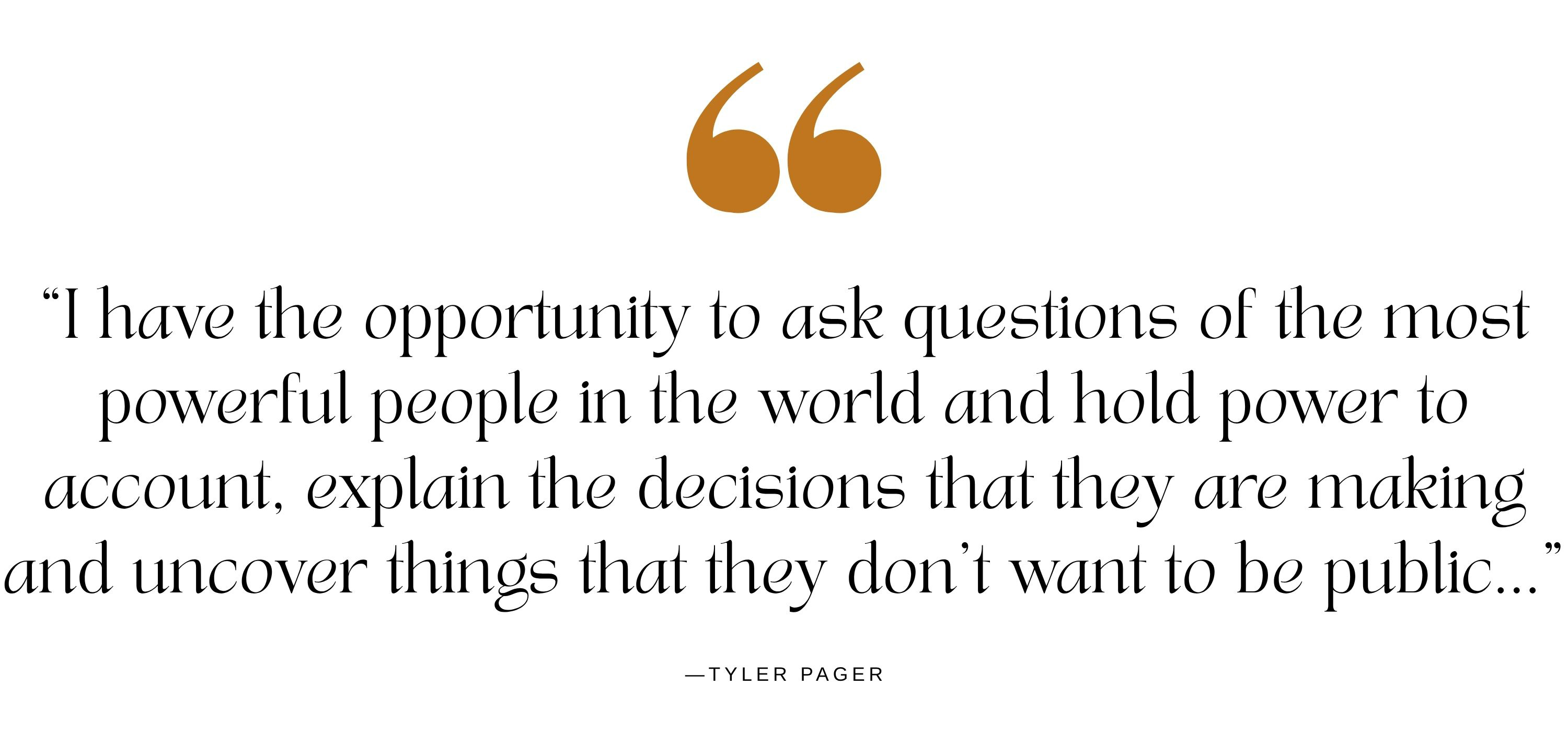
“I’m incredibly lucky and privileged to be in the role that I am — a White House correspondent at The New York Times, dream job, full stop,” he says. “I hoped one day I would get here. I got here before I turned 30. I’m so grateful and lucky for that, and it’s an immense privilege. I take that seriously.”
Even though Pager didn’t initially have his sights set on covering politics, he’s always been fascinated by the American presidency.
“I joke that it started when, as a child, I had a placemat of the faces of the presidents and just sort of became very interested in the presidency as an American phenomenon,” he says.
Moreso, Pager was interested in journalism as a way to ask questions. Combine being a curious person with an interest in writing, and he became really drawn into journalism, writing for his high school’s newspaper and covering a variety of topics, from sports to culture to city news, and becoming the editor-in-chief his senior year. He attended Northwestern, working for The Daily Northwestern and became editor-in-chief his junior year. He interned at Politico, USA Today and The Boston Globe. His interest in covering politics began to start in college. He’s interested in how people try to get power and how they use it — for better or worse — once they have it. He’s also interested in how policy is designed in Washington and how it’s then implemented, as well as the implications it has on the U.S. and the rest of the world.
He graduated in 2017 and attended Oxford University, earning his master’s degree in comparative social policy. Then he landed an internship on the metro desk at The New York Times, covering “a little bit of everything,” he says.
In 2019, Pager started working for Bloomberg as a national political reporter. He focused on the Democratic presidential primary, covering Biden, Harris, Bernie Sanders, Pete Buttigieg, Elizabeth Warren and the rest of the Democratic field, and when Biden won the nomination, he covered his race against Trump.
When he was getting his footing in covering presidential elections, he said he’d unapologetically and candidly ask questions to people willing to carve out time to meet with him.
“I was upfront about what I knew and what I didn’t know and was not afraid to say, ‘This is my first time doing this. Can you help me? Can you explain [this to me]? I’m confused by this,’” Pager says. “I think that sort of openness and willingness to be candid about my inexperience at that time really paid off.”
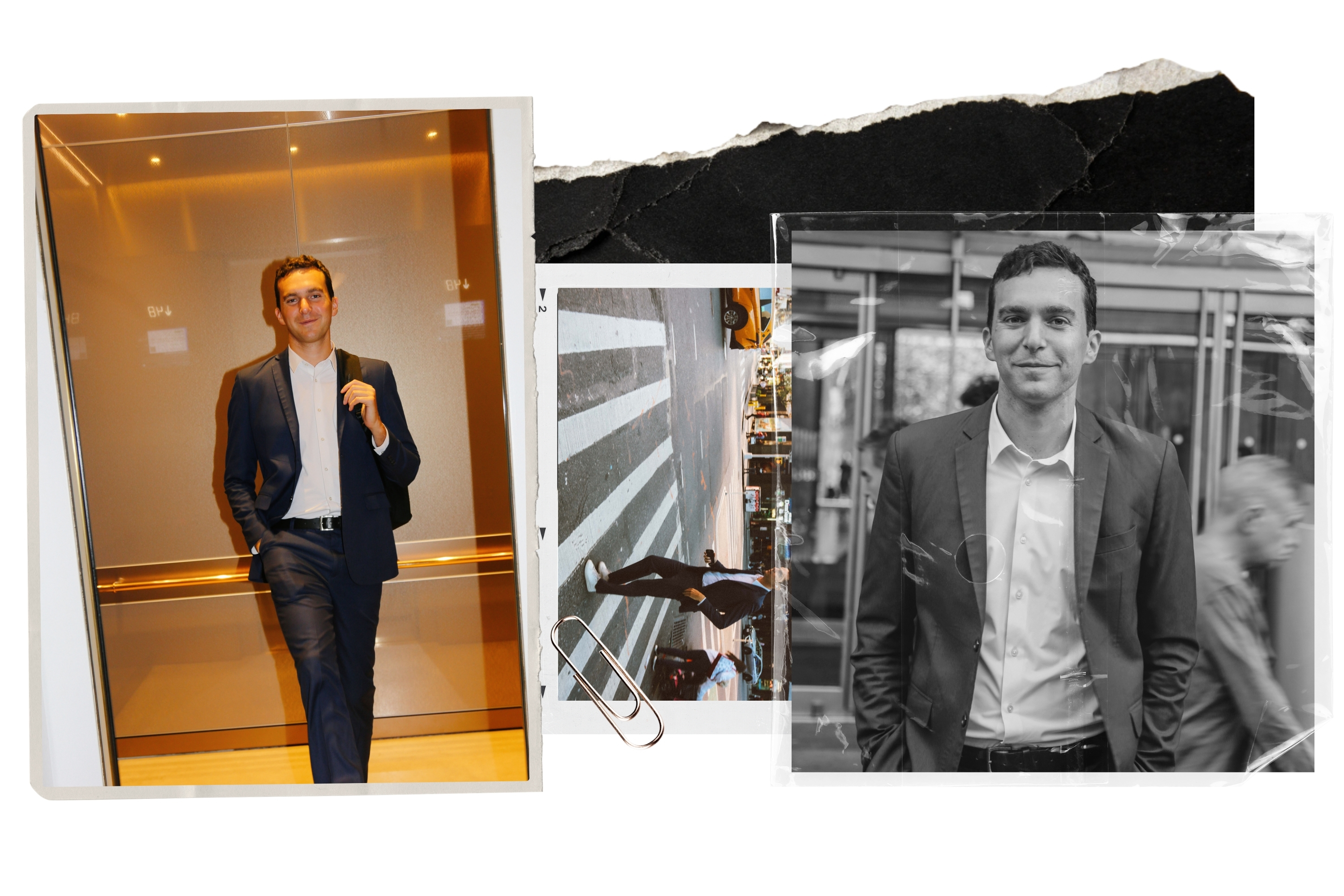
He continued to cover the election through 2020. He traveled all around the country during this time, reporting from 29 states, taking 156 flights and spending nearly 200 nights on the road total, he says. But the pandemic brought definitive changes, as it did for so many industries.
“To go from getting on a plane and traveling every day to being stuck inside my house was quite the jarring transition,” he recalls. “I think political reporters will tell you after any election, there’s sort of a transition back to not traveling like crazy, but this was particularly acute given the pandemic.”
He also said it was harder to get a sense of where voters’ and candidates’ positioning on certain matters were.
“A lot of what I was doing as a political reporter was talking to voters, going to events and rallies and listening to people of all walks of life talk about what mattered to them, what issues they cared about, what animated them,” he says. “So then you’re sort of at your house and not able to do that, and I think it was the same for candidates who were running for president and meeting hundreds, if not thousands, of voters a day.”
As the world slowly started to open back up, he went back to traveling with Biden along with Bloomberg’s team of reporters, but it was different: they had separate planes for press, and he was attending drive-in rallies instead of in-person ones. He became a White House correspondent for Politico after the 2020 election, and he eventually took on the same role at The Washington Post, covering Biden and his administration for four years. He began working at the Times in February.
“I think that it’s a simple sort of thing, work hard, but I really just put all of my time and energy and focus into my job,” Pager says. “I’m grateful and privileged that it has paid off.”
One of the main factors at play in a job like this, especially when you’re keeping track of a Rolodex of contacts, is that it’s constantly ongoing, he says: “You can never just sort of rest on the fact that you know a lot of people in this area. There’s always new people coming up, especially in politics. The turnover is quite rapid.”
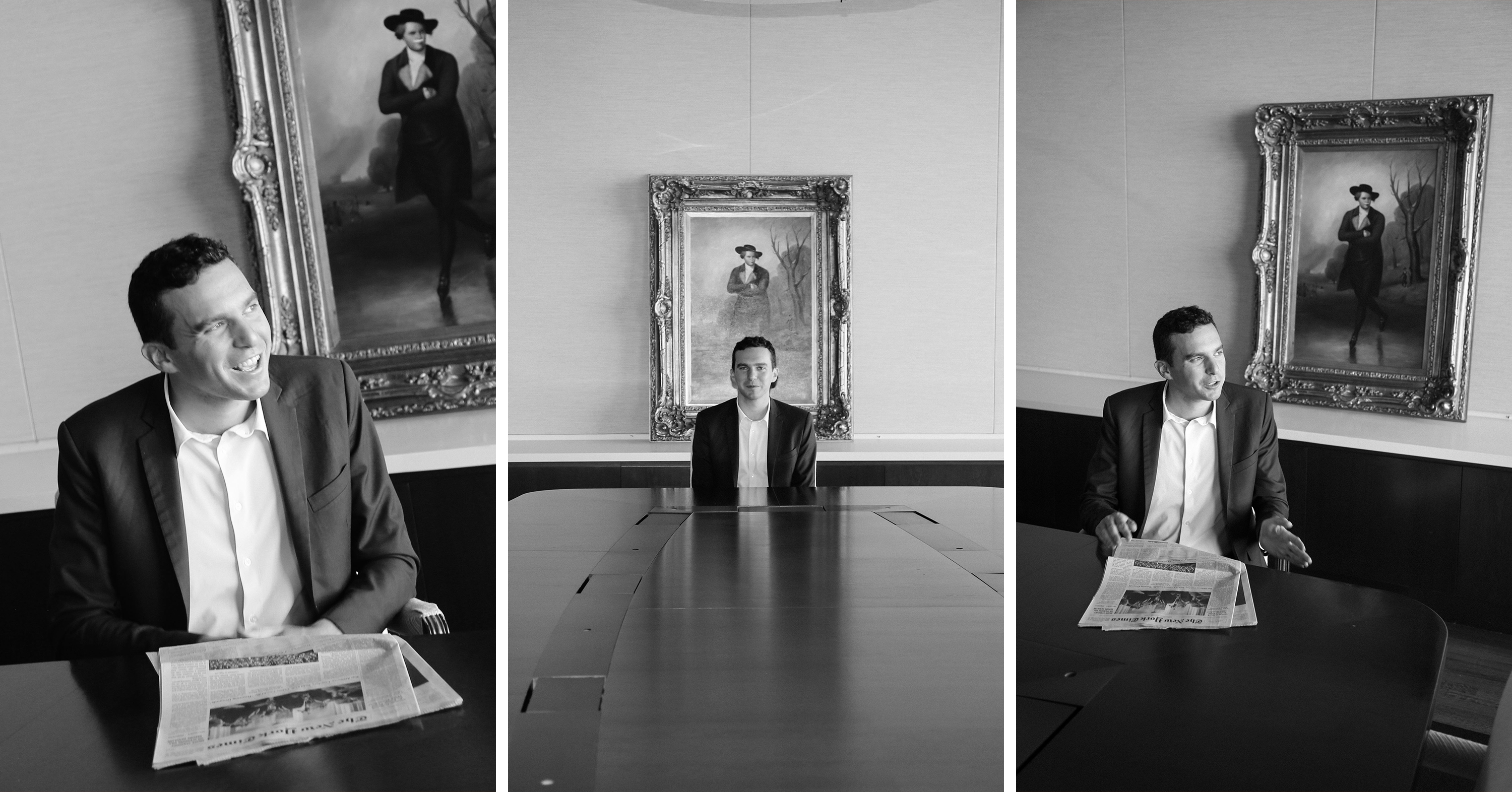
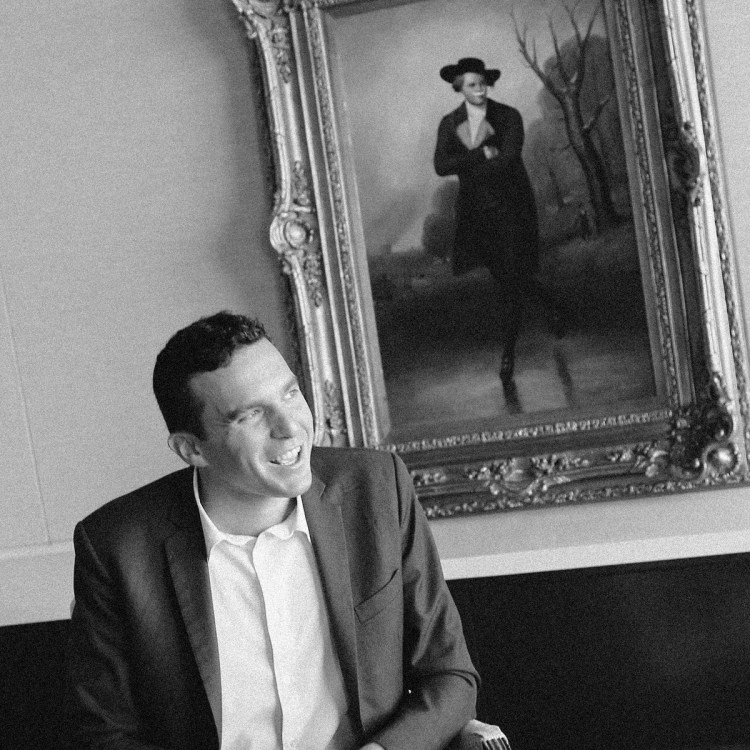
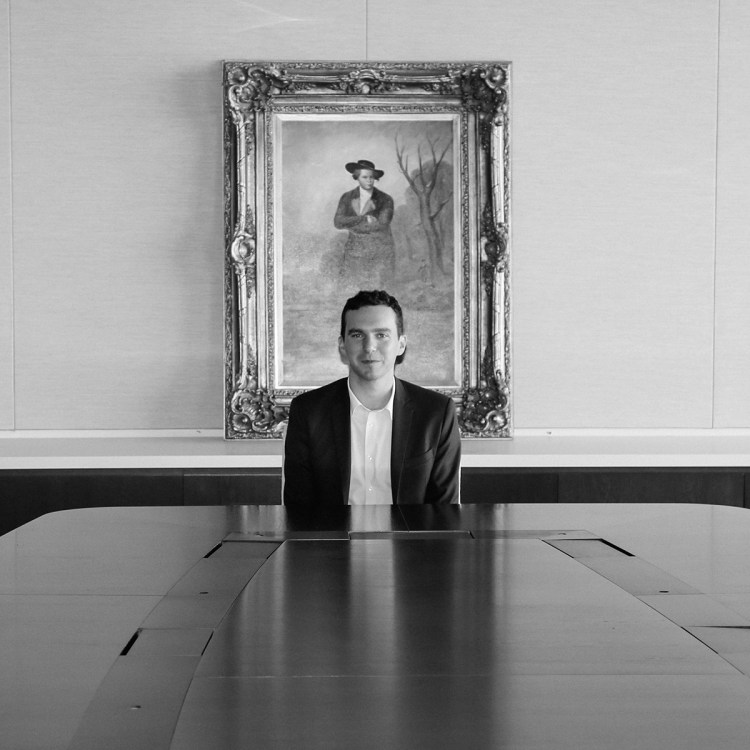
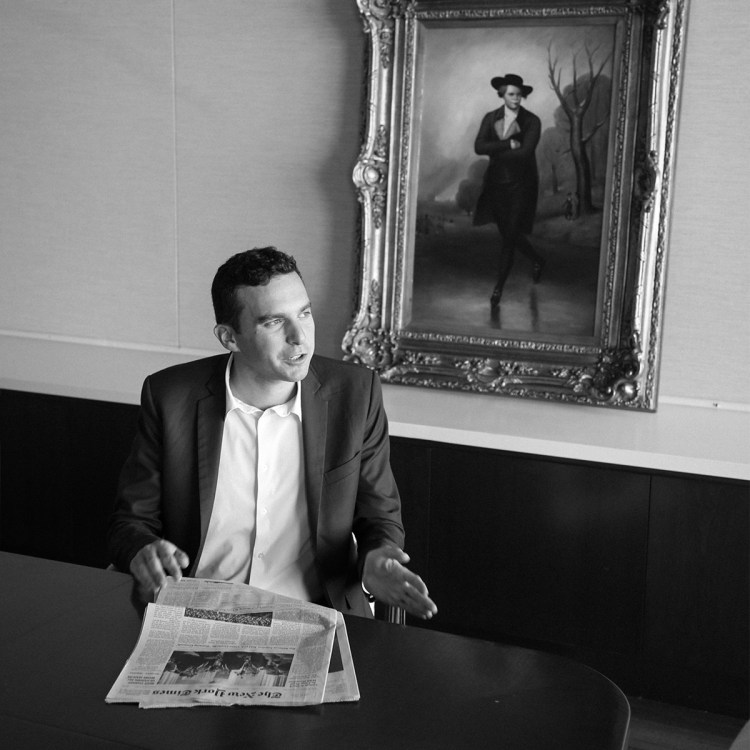
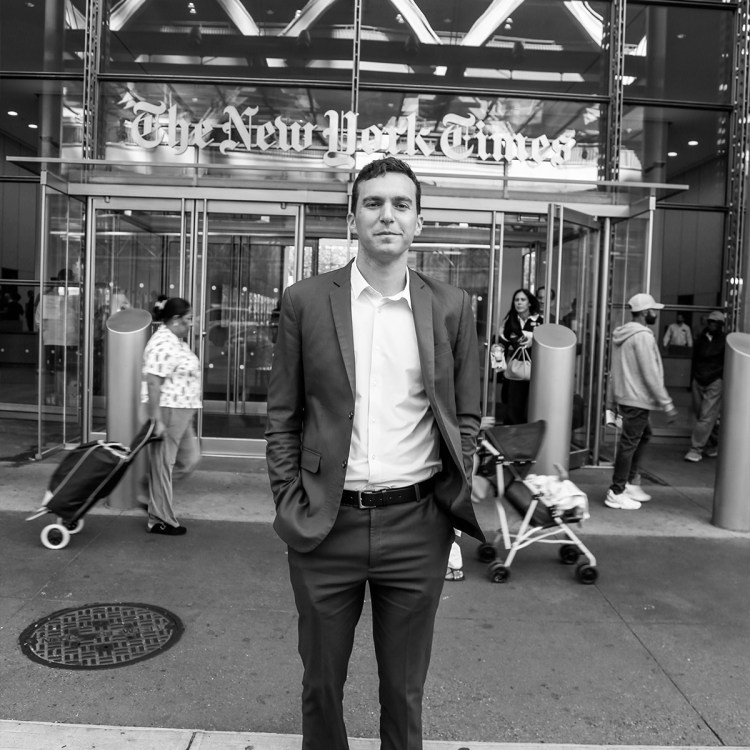
Ultimately, he loves his job because, as he puts it, “everything is a White House story, to a certain extent.” It gives you a general baseline of knowledge, he explains, but every day or week, he gets to focus on something new — which he really enjoys — and develop a broad range of expertise over a wide range of topics. It’s never boring, and it’s a privilege.
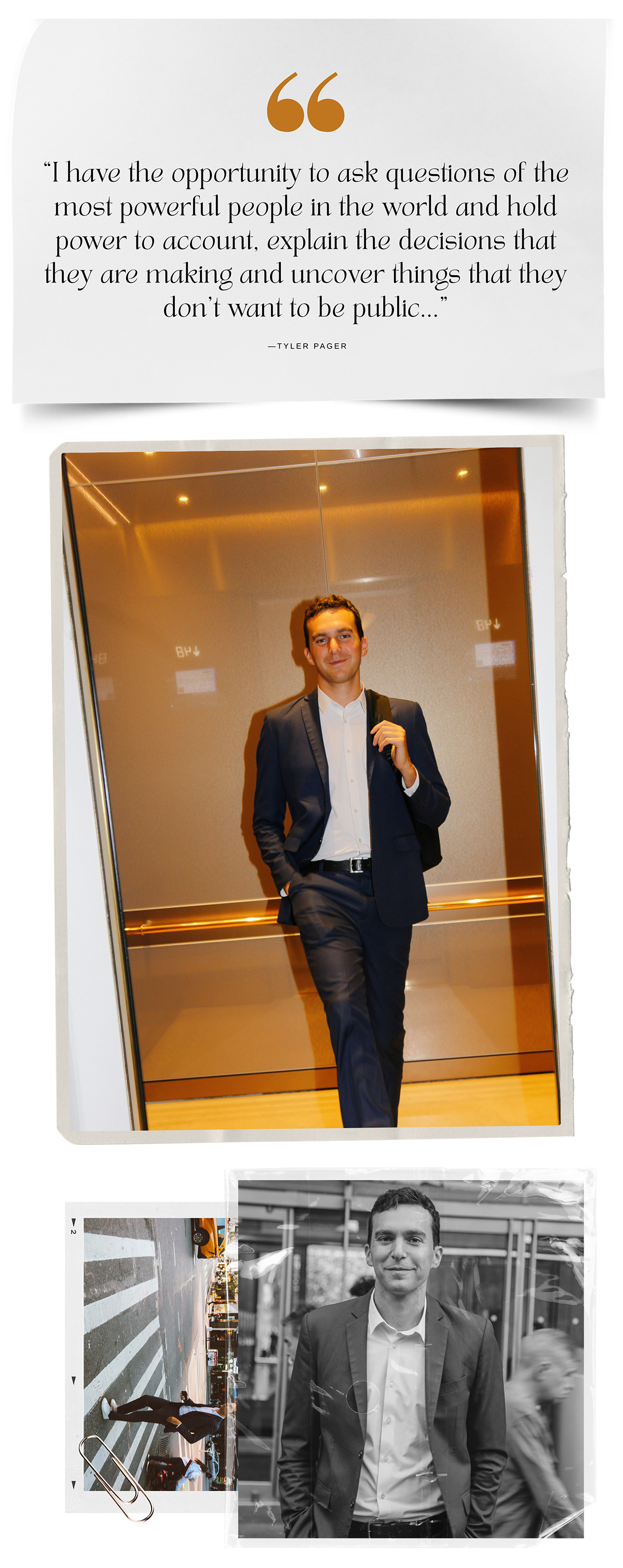
“I have the opportunity to ask questions of the most powerful people in the world and hold power to account, explain the decisions that they are making and uncover things that they don’t want to be public,” Pager says. “And then The New York Times is an incredibly powerful and important platform to do that, and so I think about that and the role that we can play in the democracy and in the greater society of understanding how leaders are making decisions, how they are spending taxpayer dollars, and not only what’s happening in Washington, but how what they’re doing here impacts the rest of the world.”
There were, of course, a few key differences in covering both the Trump and Biden administrations: Trump frequently talks to the press and takes questions, whereas Biden had fewer media availabilities. Biden’s schedule was much more controlled, but with Trump, it can be more unpredictable — Pager can be writing about one topic and very quickly have to shift to writing about something else, he explains. And even though many key issues from the Biden administration are still ongoing now, writing about them comes from a totally different vantage point because of the difference in leadership.
“There are obviously a ton of differences stylistically and substantively, but also, each day we’re reporting to the same building just with different people making vastly different decisions,” Pager says.
At the Times, one person is assigned to monitoring the president in real time: going to White House events, attending press briefings and traveling wherever the president goes. It’s a 24/7 nonstop role; your schedule is determined by what the president is doing. The rest of the White House team at the Times will do what they can to back that person up and help, he says. Other weeks, he’s monitoring what the president is saying, writing daily news stories and enterprise pieces, meeting with sources, traveling and doing interviews. However, it’s ultimately quite dependent on the news cycle.
“You could be focused really on a big foreign policy story and Trump decides to fire the BLS commissioner and you’re now sort of pulled into a big economic story,” Pager says. “We try to have a lot of fires in the iron at once just because you just never know what the news cycle will bring.”
With a role like this, Pager says, he doesn’t want to downplay the fact that it’s an intense job, but he insists he and his team all do their best to have a work-life balance: he loves to run, travel and play sports, and he was recently engaged, so he’s currently planning a wedding.

“I think I’m just very lucky and privileged to have this job, at this moment, with this institution, and so I take those responsibilities seriously, but I also don’t think anyone is successful in their work life if they don’t have some balance outside of it,” he says.
Pager believes some of the best stories come from delivering information that people don’t know or explaining what happened behind the scenes. It’s one of his favorite things about his book 2024: How Trump Retook the White House and the Democrats Lost America: Everyone knows what happened during last year’s election, but not everyone was aware of what was going on behind the scenes.
2024 is a definitive account covering a two-year period, detailing everything that led up to last year’s election with exclusive behind-the-scenes details: how Trump reclaimed the presidency, how Biden’s campaign unraveled amid public concerns and how Kamala Harris attempted to run the shortest presidential campaign in U.S. history. The purpose of the book, he explains, is to help explain to people how these events unfolded behind the curtain and why any of it happened.
It’s a New York Times bestseller, debuting at number four on the list, with rave reviews, like this from Kirkus Reviews: “This isn’t the first behind-the-scenes look at the recent presidential race, but it’s among the sturdiest, a well-sourced, process-oriented account that shows how inertia and missed opportunities deflated the Democrats. With deep reporting and strong analysis, this might emerge as the definitive title on a hugely consequential election.”
“My goal is to deliver information that people don’t know and help them understand how and why decisions are being made and bring them into rooms that the public is not allowed into,” Pager says.
It’s undeniably clear how strongly Pager believes in the mission of independent journalism. “I think there is nothing like journalism,” he says. Being able to write, hold powerful people accountable and ask questions on behalf of the American people are just a few of the aspects that he said keeps him inspired. But it’s also his colleagues who motivate him, all of whom he calls “collaborative, kind and brilliant.”
“I truly believe that independent journalism is essential to a well-functioning democracy, and so the role that we can play in keeping citizens informed, and obviously, we have a lot of challenges on that front, but as I sit in the New York Times’ news room, I see a group of colleagues who are just solely dedicated to our mission, and it is amazing to work at an institution that is so mission-driven and so dedicated to journalism in its purest form,” Pager says.
And even amid challenges that the media industry is facing — like technical issues and trust issues, he says — his belief in the power of journalism runs deep, even outside of the political sphere. It’s one of the reasons why he’s so grateful to be where he is in his career and where he’s working.
“There are all these efforts to undermine journalism and media and people that believe artificial intelligence can replace it, and I just deeply believe in my bones that there’s nothing like independent journalism that’s fact-checked and edited and thorough and thoughtful,” Pager says. “That’s really what I see every day at The New York Times.”
Photography: Images of Tyler Pager by Johanna Stickland for InsideHook
All other photos via Getty