What does it mean to dig into the past, to uncover obscure facts about bygone decades or centuries and bring them to light in 2026? There’s a lot of that in this rundown of February books, everything from a clear-eyed look at someone who history has depicted as a monster to investigations into the past situated a little closer to home. Add some emotionally resonant fiction and a look back at cinematic history and you have 10 books to lose (or find) yourself in this month.

Fred Minnick, Bottom Shelf: How a Forgotten Brand of Bourbon Saved One Man’s Life (Feb. 17)
If you’ve done any reading about domestic distilleries in the last decade or two, you’ve probably read something by Fred Minnick, who’s been covering the industry with aplomb for years. Minnick has written extensively about the history of spirits and worked to make appreciation for distillers’ craft more accessible. In his latest book, he explores the way his own research into Old Crow helped him reckon with experiences as a veteran — and sparked his interest in the stories behind bottles of bourbon.
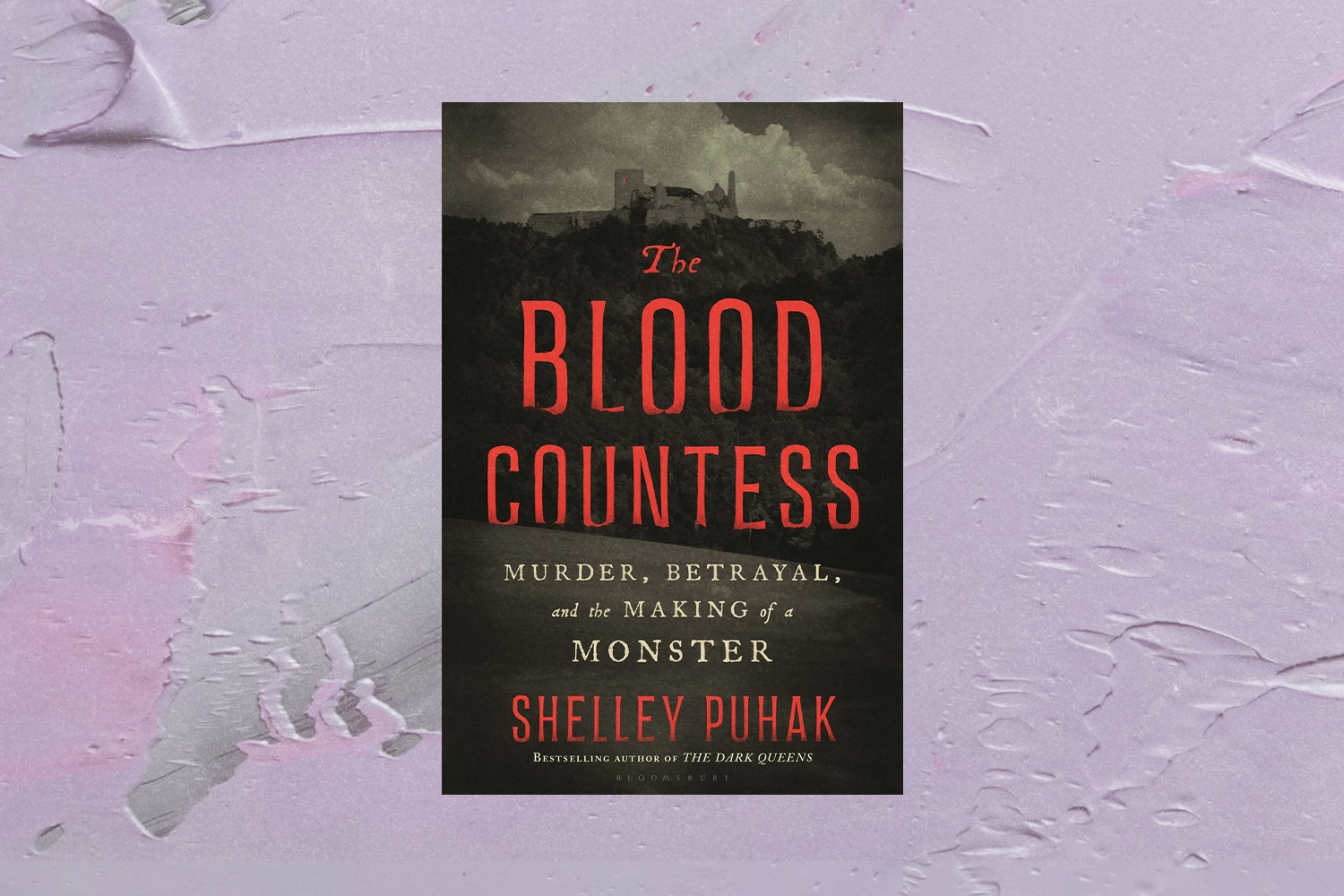
Shelley Puhak, The Blood Countess: Murder, Betrayal, and the Making of a Monster (Feb. 17)
Centuries after her life and death, the name of Elizabeth Bathory still resonates in popular culture — including inspiring a number of horror movies (and a high-profile film directed by Julie Delpy) and inspiring the name of an influential metal band. Shelley Puhak’s new book The Blood Countess explores Bathory’s history — and investigates whether or not her posthumous reputation as a prolific serial killer stands up to closer inspection.
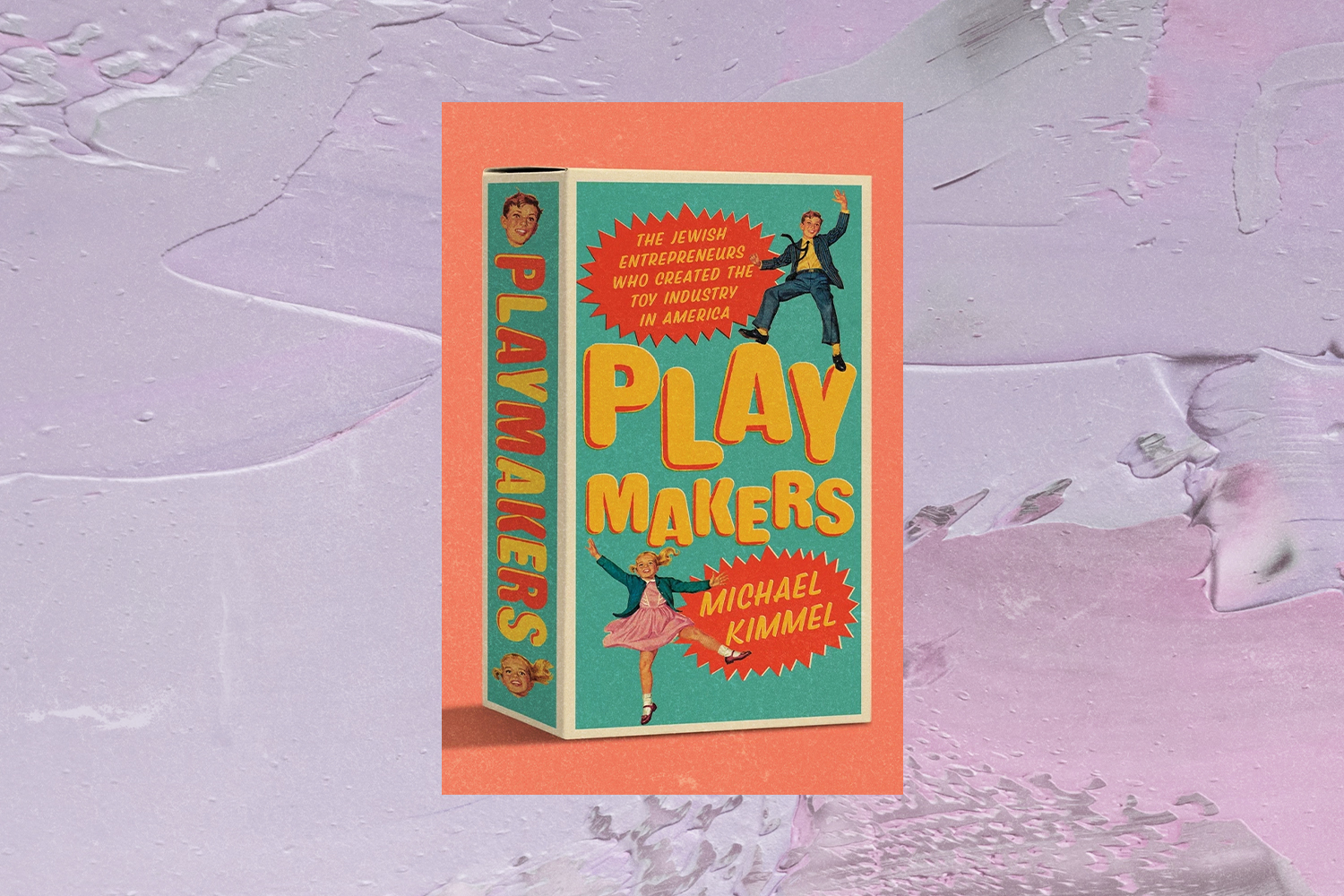
Michael Kimmel, Playmakers: The Jewish Entrepreneurs Who Created the Toy Industry in America (Feb. 17)
What does it take to create a memorable toy? The role of design can’t be understated here, and — as viewers of The Hudsucker Proxy can attest — there’s more drama in the making of a seemingly simple object than one might expect. Michael Kimmel’s new book offers readers a new lens on the 20th century, chronicling the vibrant and unexpected stories behind some of the country’s most familiar toys and games.

Oliver Munday, Head of Household (Feb. 17)
You might recognize Oliver Munday’s name from an array of creative disciplines. As a graphic designer, he’s been responsible for a number of eye-catching book covers over the years; he’s also used his skill in this realm to comment on society and politics. His latest project is a foray into fiction — specifically, the story collection Head of Household, which Kirkus described as focusing on “middle-aged men sabotaging themselves in service to their appetites and egos.”
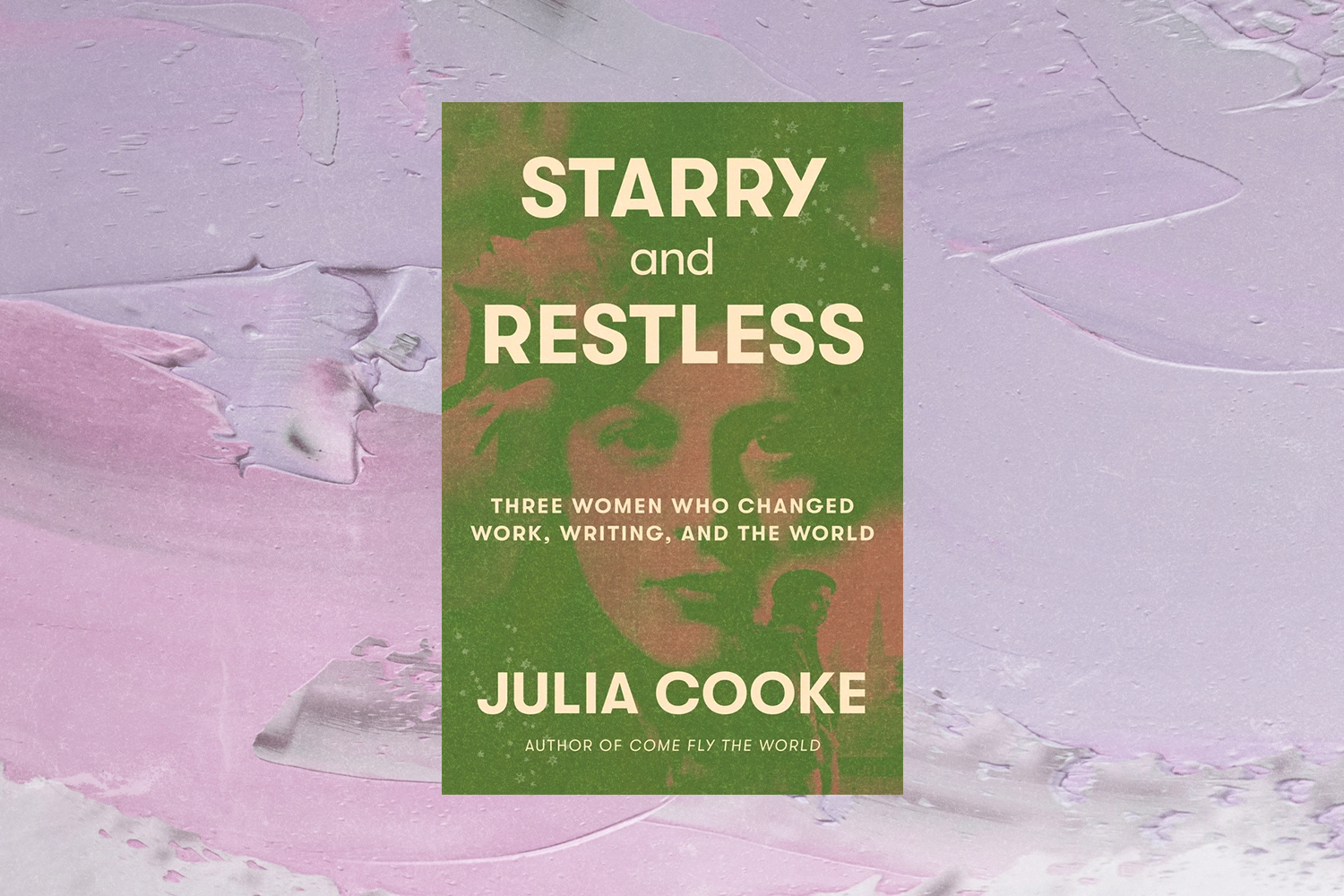
Julia Cooke, Starry and Restless: Three Women Who Changed Work, Writing, and the World (Feb. 24)
Sometimes revisiting the literary work of a bygone era can help us better understand the present moment. In her new book Starry and Restless, Cooke explores the lives of Martha Gellhorn, Emily “Mickey” Hahn and Rebecca West. (West’s Black Lamb and Grey Falcon is highly recommended around these parts.) It’s an insightful trip into literary history — and history, full stop.

Keza MacDonald, Super Nintendo: The Game-Changing Company That Unlocked the Power of Play (Feb. 3)
If you’re looking for serious books about not-so-serious objects, February has a lot to capture your attention. Beyond Michael Kimmel’s Playmakers, mentioned above, this month also sees the publication of Keza MacDonald’s Super Nintendo. As the title suggests, this book is about a certain game company that’s had a massive impact on both video games and popular culture. (Remember, the first- or second-highest grossing films in 2023 and 2025 were both video game adaptations.) There’s also plenty of evidence that the behind-the-scenes drama of video games can lead to compelling storytelling. If you’re looking for corporate intrigue or behind-the-scenes tales of Animal Crossing, you’ll find both here.
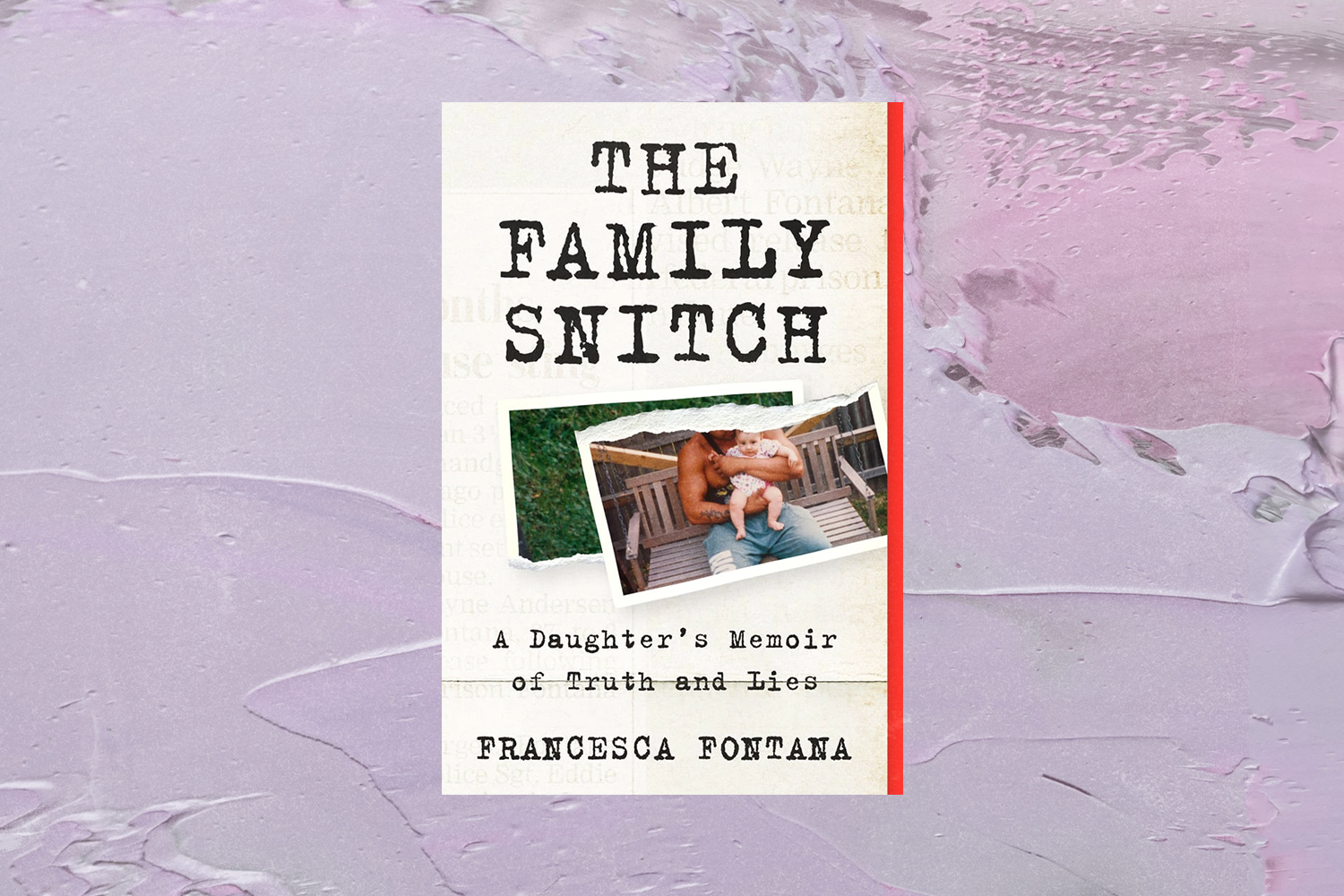
Francesca Fontana, The Family Snitch: A Daughter’s Memoir of Truth and Lies (Feb. 3)
In a recent interview, Francesca Fontana explained what led her to explore her own family’s history in her new book The Family Snitch: “I wanted to know why he had gone to prison when I was 9 years old, why my mother and I had moved so far from our hometown, Chicago, and who my parents really were.” The resulting book is a powerful look at family dynamics, and the challenges that exploring that history can bring up in the present.

15 Coffee Table Books to Upgrade Their Space (or Yours) This Season
A just-released retrospective on Air Jordan, a re-issue of an Annie Leibovitz classic, and new titles on style, cars, art, music and more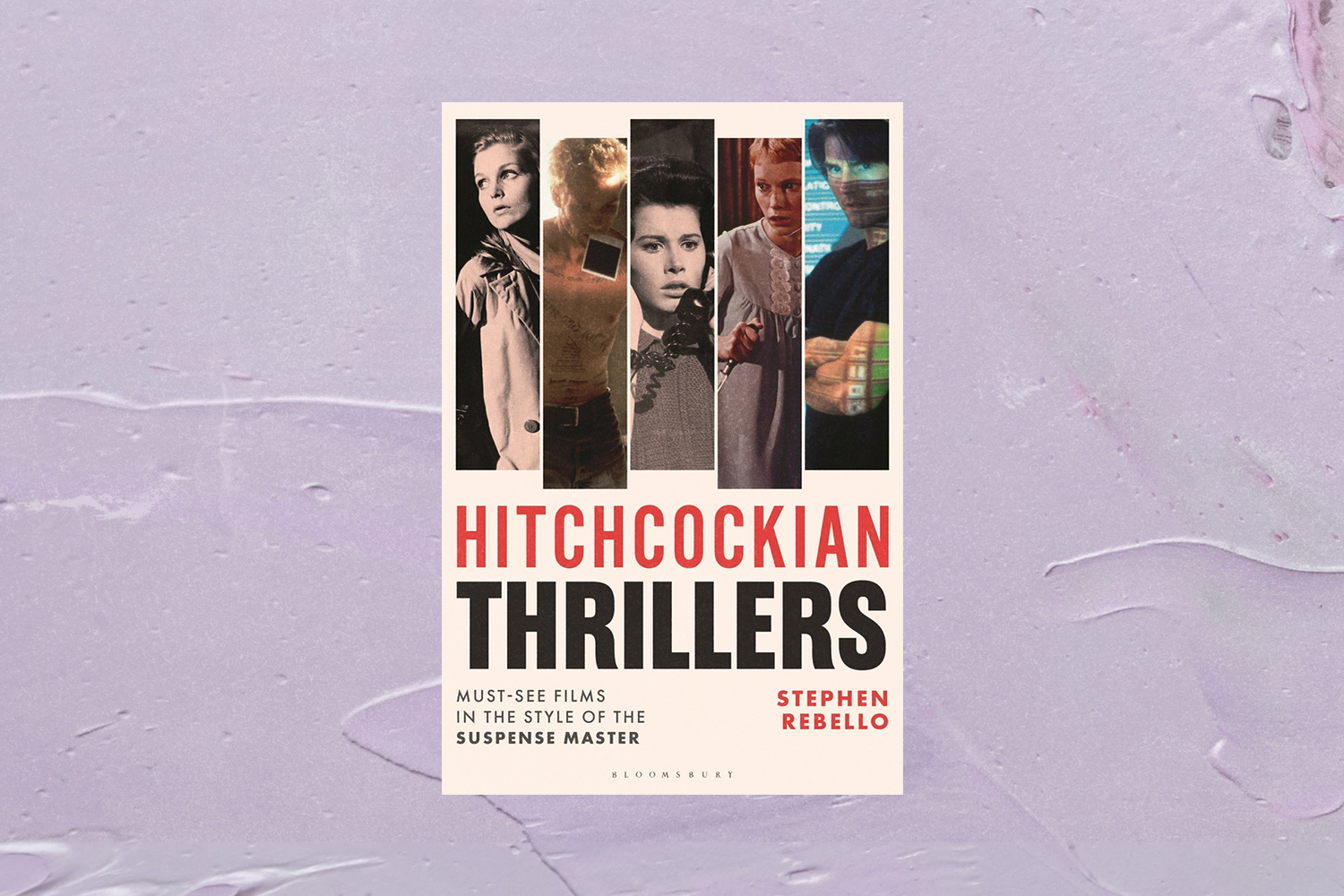
Stephen Rebello, Hitchcockian Thrillers: Must-See Films in the Style of the Suspense Master (Feb. 19)
We’re currently in the midst of this year’s cinematic awards season, so you don’t have to go too far to encounter plenty of discussion of films past and present. (See also: great dedicated homes for film criticism online.) And if you’re looking to settle in with a memorable overview of gripping films of the past, Stephen Rebello’s new book — which explores Alfred Hitchcock’s enduring influence on thrillers past and present — should give you plenty of titles to add to your Letterboxd account.

Cristina Rivera Garza, Autobiography of Cotton (Feb. 3)
Few writers working today have the literary range of Cristina Rivera Garza, whose bibliography encompasses everything from the unsettling Gothic fiction of The Iliac Crest to the Pulitzer Prize-winning memoir Liliana’s Invincible Summer. In Autobiography of Cotton, translated by Christina MacSweeney, Garza turns her attention to cotton workers’ landmark strike in 1934 and how that industry shaped the border between the United States and Mexico. It’s an enlightening glimpse into histories both familial and national.
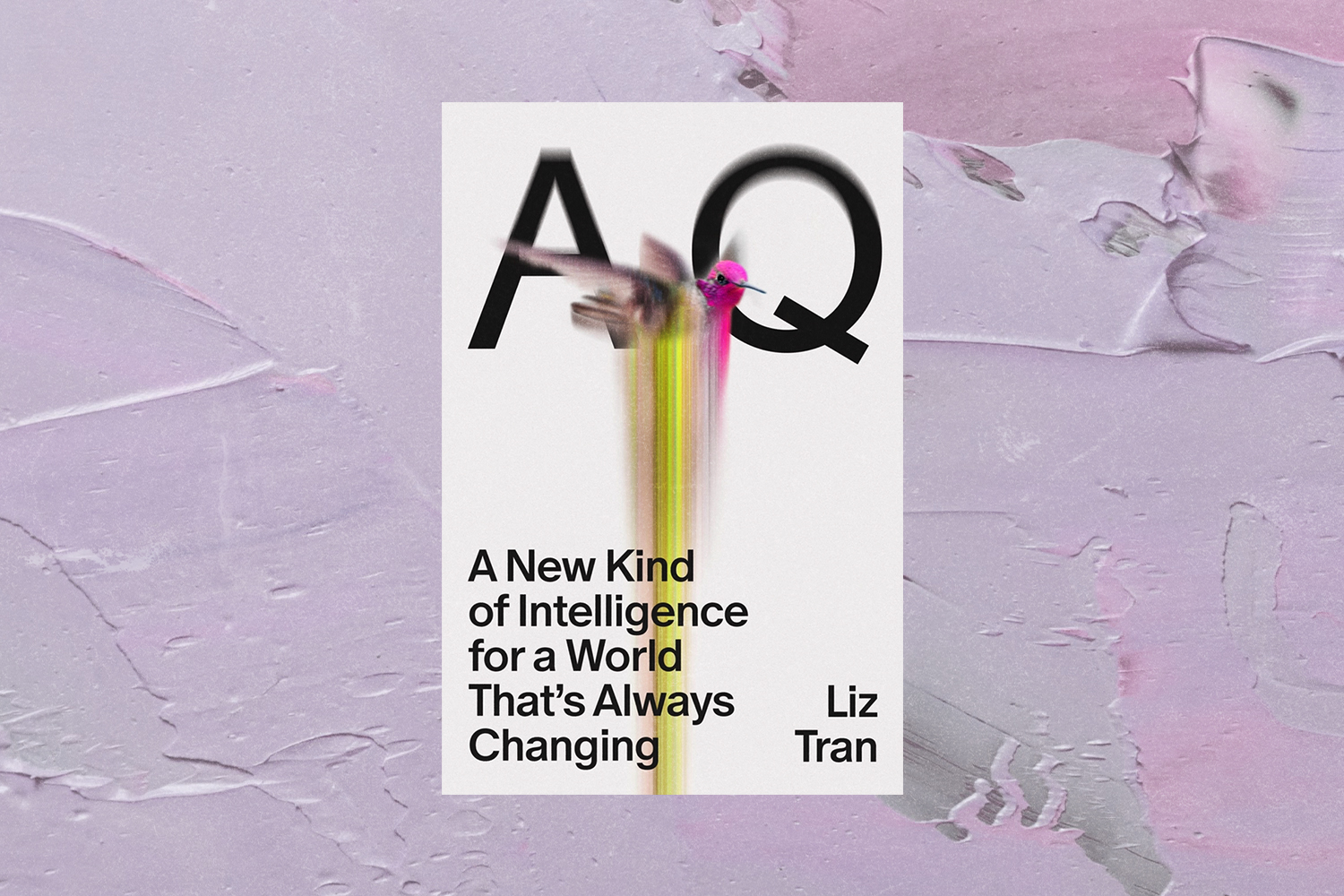
Liz Tran, AQ: A New Kind of Intelligence for a World That’s Always Changing (Feb. 3)
What is the best way to take stock of a given person’s capabilities? That’s a question that leadership coach Liz Tran poses in her new book AQ. That’s an acronym for “agility quotient,” and in this volume, Tran makes the case for its relevance to the present moment. Or, as she wrote in an excerpt from the book, “Just as IQ and EQ previously informed how successful or happy we might become, the Agility Quotient is a new kind of intelligence for a world that’s always changing.”

More Like This


This article appeared in an InsideHook newsletter. Sign up for free to get more on travel, wellness, style, drinking, and culture..