As 2025 drew to a close, a buzzy line of eager drinkers snaked around award-winning Peticolas Brewing’s sun-dappled exterior, awaiting entry to their 14th anniversary event. Named D Magazine’s Best Taproom of 2025, Peticolas sets the bar for Dallas’ beer scene. All 14 beers at the event were served from firkin casks, rather than kegs, and Peticolas is not alone. In fact, this classic, British-style beer service is gaining quite a foothold across the United States.
New York drinkers are full of cask energy, from Wild East Brewing’s attainment of UK-based Cask Marque accreditation, to Strong Rope Brewing’s forthcoming 10th Caskiversary party, to NY Cask Crew’s popular bar crawls. Portland, Oregon is so cask-rich, it has its own Cask Ale Passport for drinkers to tick off. The traditional British beer service has shaken off its bad U.S. rep as warm and flat and become rehabilitated as classic and purist, with a new generation of brewers and drinkers embracing the hand-pump, pin and firkin. But what exactly is cask beer, and why is it becoming so popular?
Cask conditioned, or “live” beer, is allowed to continue its final fermentation inside its cask dispenser, giving it natural carbonation. Traditionally served in wooden casks but now often in stainless steel, cask-conditioned beer is known for its complex, subtle flavors, smooth, soft body and gentle carbonation. Historic British beer styles such as Bitter and Mild often have lower alcohol levels compared to many contemporary American styles. Once seen as “old man” or “dad beer,” a number of factors have instigated cask’s rehabilitation as cool, chiming with current drinking trends that appeal to the more intentional and experiential habits of Gen Zers and younger Millennials.
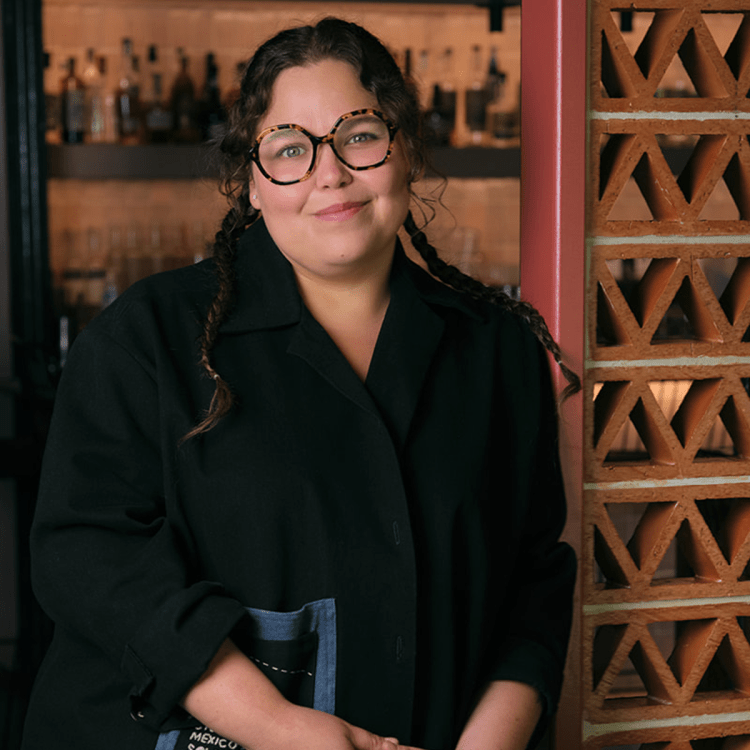
Anna Buxton is head brewer at Portland’s Steeplejack Brewing, which is featured on the city’s Cask Ale Passport and serves cask beer at three of its four locations. Buxton has noticed a significant uptick in the number of younger drinkers who are choosing cask, shifting its demographic away from older British expats and Anglophiles.
“This new consumer has encouraged classic Portland beer bars to keep a regular stock of rotating cask ales that are both traditional and experimental,” Buxton says. She highlights the growing popularity of low-ABV drinks and the rise of “zebra striping” or “alcohol-fluid” drinkers, for whom cask has a natural appeal.
Beer writer Jeff Alworth concurs. “It seems to be the case that a segment of young drinkers likes lighter, more sessionable beer, so it might be partly a lifestyle choice,” he says.
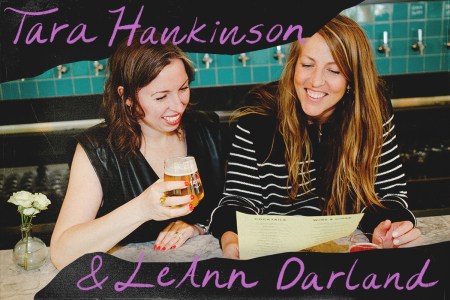
In an Era of Craft Beer Malaise, Talea’s Still Thriving
Instead of preaching to the choir, Tara Hankinson and LeAnn Darland built their New York brewery to serve a wider audience. It’s paying off.Nigel Walsh, who blogs as the Cask Whisperer, has been attending cask events in the United States for more than 30 years and has noticed an uptick in “young and curious” attendees at the festivals he attends in the New York tri-state area, saying it’s “the shiny new thing.” But historic beer and service styles that are reinvented as fresh and exciting for a new generation is not new.
Just a couple years ago, traditional Czech side-pull lager taps, as popularized by the LUKR brand, took the United States by storm and are now almost ubiquitous among quality craft beer purveyors. As with Czech side-pull lagers, cask ale also requires skilled training to ensure the product lives up to the hype, both from brewers and cellar staff. This emphasis on quality feeds into younger drinkers’ focus on drinking better, and fortunately, these curious young people include professionals who are passionate about perfecting their craft.
“Quality cellarmanship shines in cask ales,” Buxton says. “My brewery alone has four different standards of practice for processing real ale, depending on so many components.”
This high standard of production and service is delivering the drinkers. “Most of the brewers are in the younger age range and serve their cask ales in the best possible manner,” Walsh says. “Most who brew them respect the simple complexity of the styles, which both challenges them and allows them to demonstrate their brewing skills.”
Another big draw of cask ale: The nature of its service demands an in-venue experience. You can’t enjoy cask at home because it must be served fresh and “live.”
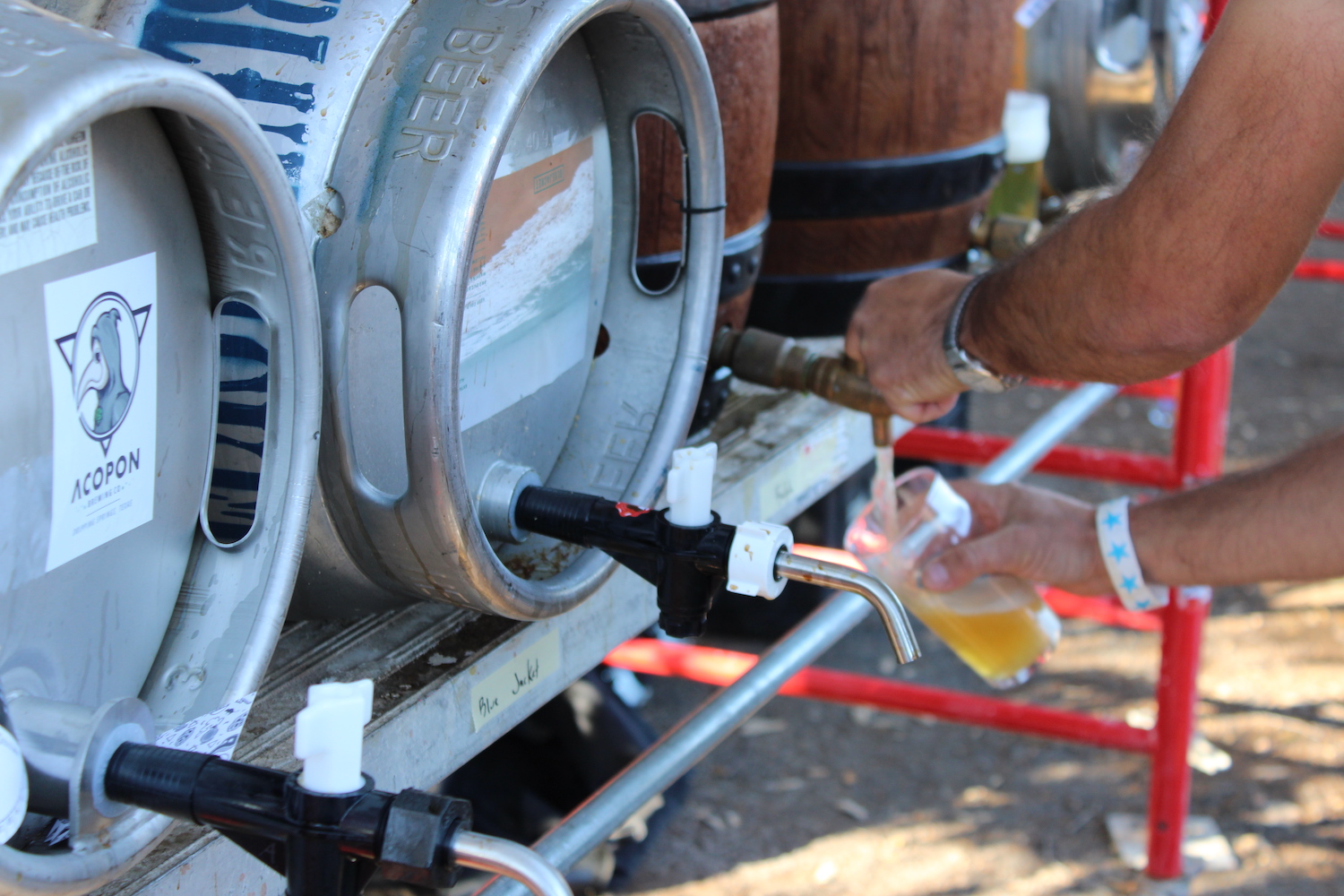
“Cask beer is a regional affair, and [people] can’t just go to the super market to pick it up — they have to go to the pub and enjoy it with others” says John McIntosh of Acopon Brewing in Dripping Springs, TX and co-founder of Pinvitational cask beer festival.
“Cask beer creates a deeper connection for drinkers because it’s alive, nuanced and meant to be shared in the moment, which is why we’ve always loved preparing and pouring casks continuously at our taproom,” says Michael Peticolas, owner and operator of Peticolas Brewing Company.
The camaraderie of cask consumption and its talking points are an attraction of their own, a reason to socialize in third spaces. Whether sharing knowledge about classic cask styles, comparing firkins and pin casks to hand-pumps, or rating carbonation and condition, the language of cask is replacing chat about the properties of the latest genetically-engineered cryo-hops in some circles. It can also be seen as a generational shift: For many Gen Zers, IPAs are what their parents drink.
Compared to the popularity of IPAs and lagers, cask remains a niche interest, but it’s certainly capturing a particular contemporary zeitgeist. And with brewers upholding quality and authenticity to keep drinkers passionate and invested, it’s one that’s likely to stick around. “I think the trend will die back a bit as new trends emerge, but I do think the sensibility and quiet consistency that cask service offers will create lifelong fans, as long as they have breweries with staying power that can consistently make quality, accessible real ale,” Buxton says.
“It has a real, organic following,” Alworth adds. For those in the know, cask’s unique pleasures are worth seeking out, so why not find your nearest hand-pull and see what the fuss is about?

More Like This



We're always on the scene eating, drinking and traveling near and far to bring you the best of what's happening out in the real world. Sign up for IRL now.