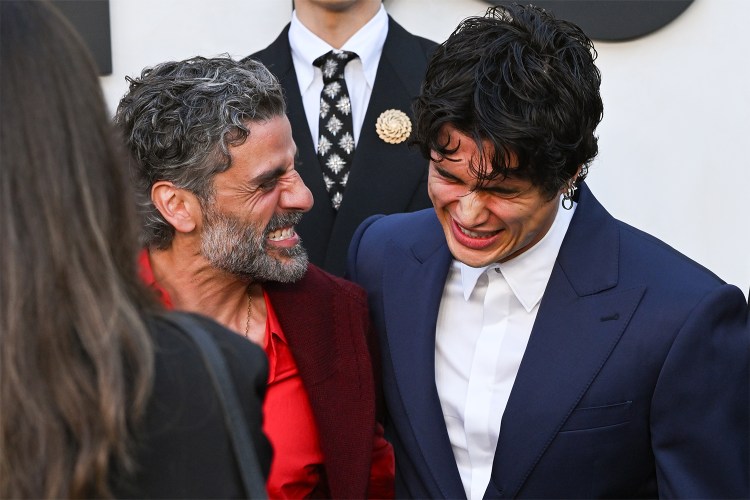
“I’m going to make him a famous gorilla movie star!” Michael Bay is standing on stage, the director’s voice booming out over a crowd of more than a thousand. But we aren’t in Hollywood, and he isn’t talking about Optimus Primal.
We’re in the Rwandan village of Kinigi in the foothills of Volcanoes National Park, where Bay has been given the honor of naming a baby gorilla. He’s dressed in an umushanana, a long, green piece of fabric draped over one shoulder like a toga, worn over a collarless white tunic, which is reserved for ceremonial occasions. He chooses the name Umurage, meaning “heritage,” for an infant born this past May.
This is Kwita Izina, Rwanda’s 20th annual gorilla-naming ceremony. It feels equal parts cultural festival, conservation milestone and star-studded gathering. Forty baby gorillas are being christened this year, each by different “namers,” who range from film directors to soccer legends to royalty. But beneath the spectacle is something more profound.
Only a few decades ago, mountain gorillas hovered on the brink of extinction. Today, they’re not only surviving, but thriving, and drawing travelers from around the world to see them in the misty Virunga Mountains.
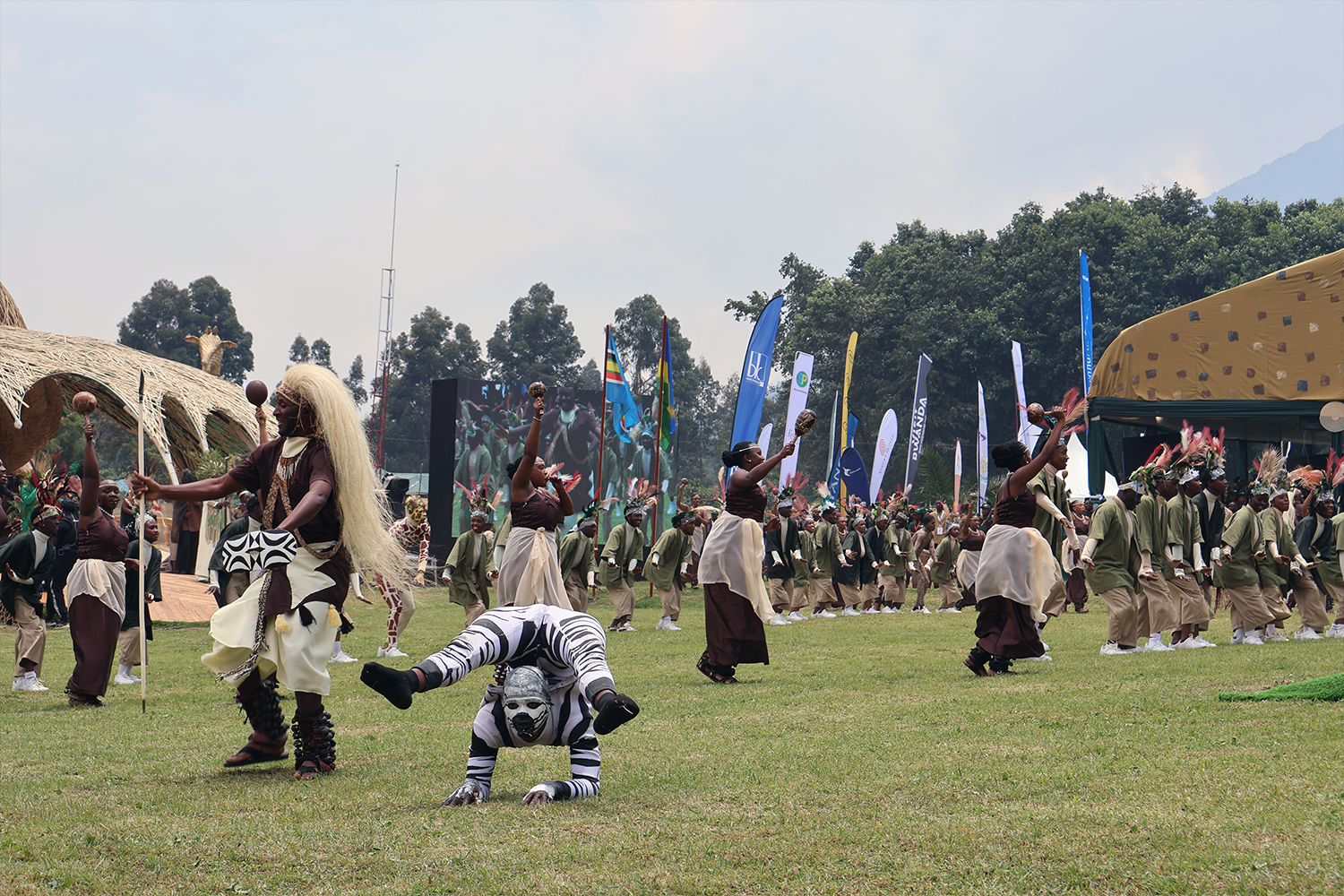
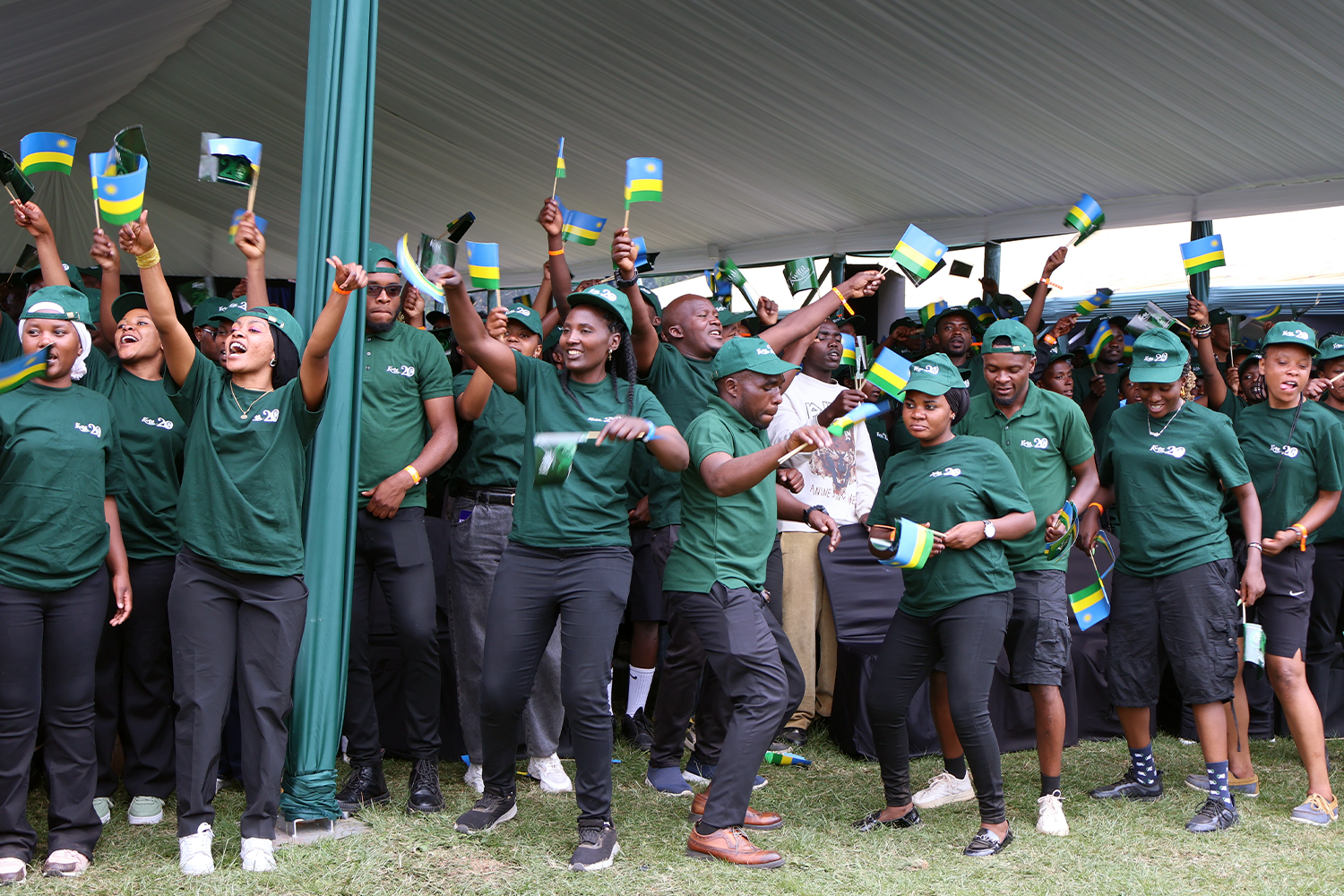
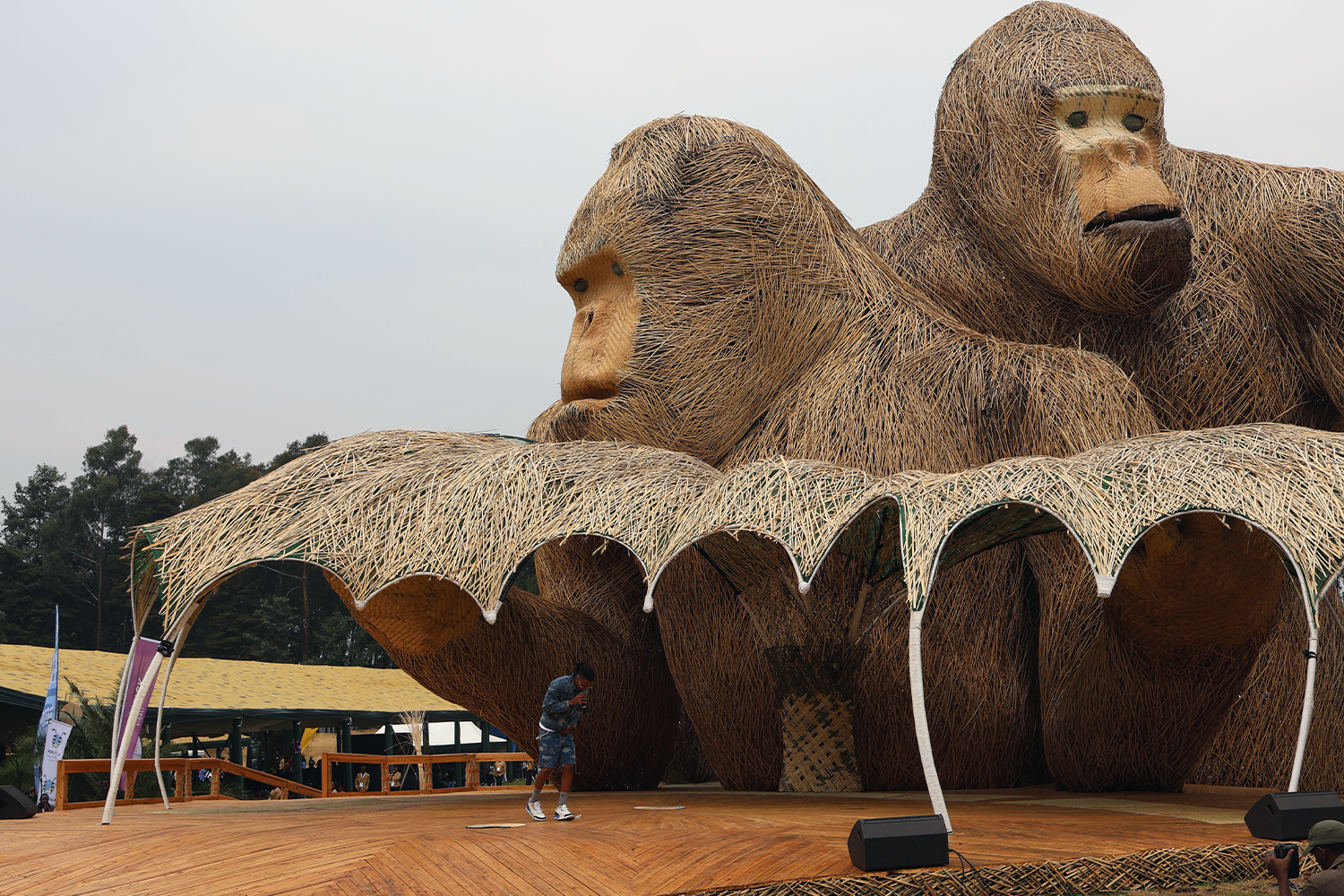
The energy here is electric. Thousands of school children fill the grounds — singing, chanting and clapping in unison. We’re treated to performances by prominent Rwandan musicians, a traditional drum ensemble and Intore dancers, an elite troupe whose spears and thunderous drumbeats trace back to the country’s pre-colonial royal courts. Among the crowd are Michelle Yeoh, a Malaysian prince, Arsenal legends, David Marriott, Rwanda’s prime minister and first lady. And then there’s me.
It’s my first time in Rwanda, and while my introduction is a bit surreal — I expected the gorillas, not the man who directed Transformers — I feel something unmistakable: a pull to witness, to understand and to take part in this miraculous feat of conservation, one that shows humanity does indeed have the capacity to put the natural world above greed.
Beyond Gorilla Trekking
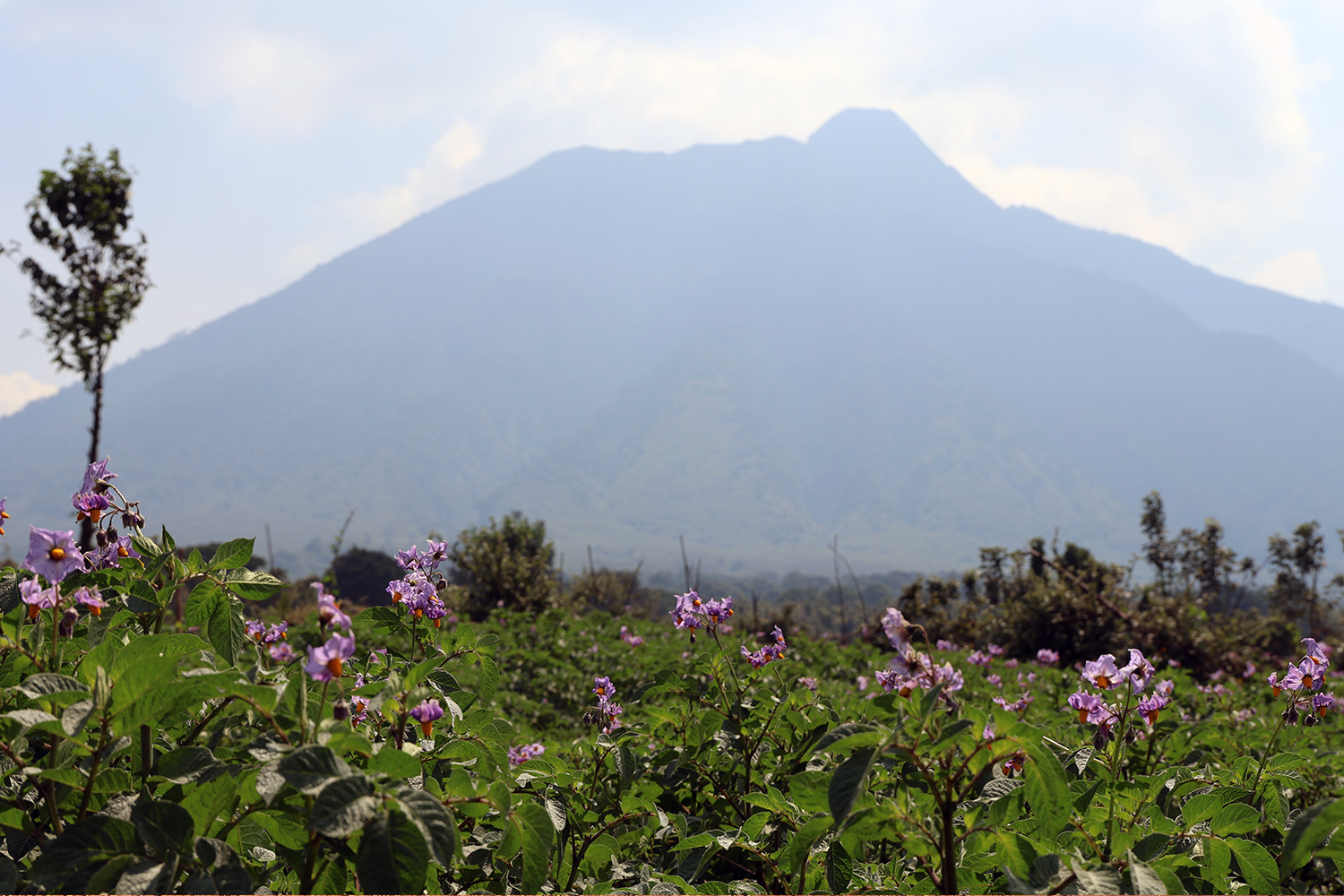
At Kwita Izina, Prime Minister Dr. Justin Nsengiyumva announced plans to expand Volcanoes National Park, located in the Rwandan portion of the Virunga Mountains, by 23%. The park now spans about 62 square miles — roughly the size of Washington, D.C. — and is home to over 380 of the world’s estimated 1,075 wild mountain gorillas. For travelers visiting the country, this move means more protected land, more gorillas and even more chances to witness one of the rarest wildlife encounters on earth.
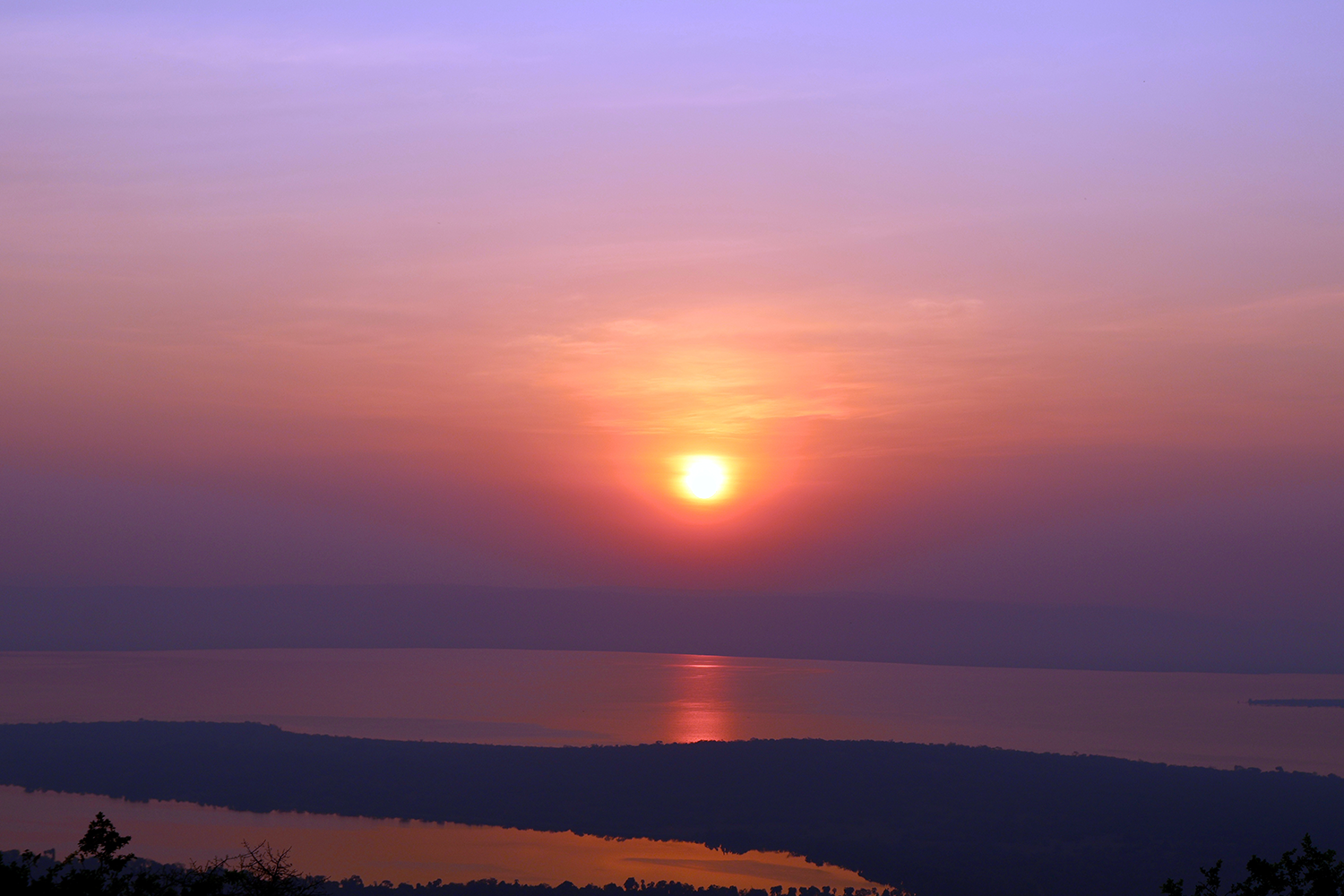
Many countries talk about conservation, sustainability, responsible tourism, but Rwanda actually walks the walk — and it’s not just about gorillas. Travel east to Akagera National Park and you’ll find a landscape once emptied of its wildlife in the aftermath of the 1994 genocide against the Tutsi. Lions vanished. Rhinos disappeared. The park itself was reduced from 965 square miles to 320, to make space for returning families. It was a place stripped bare.
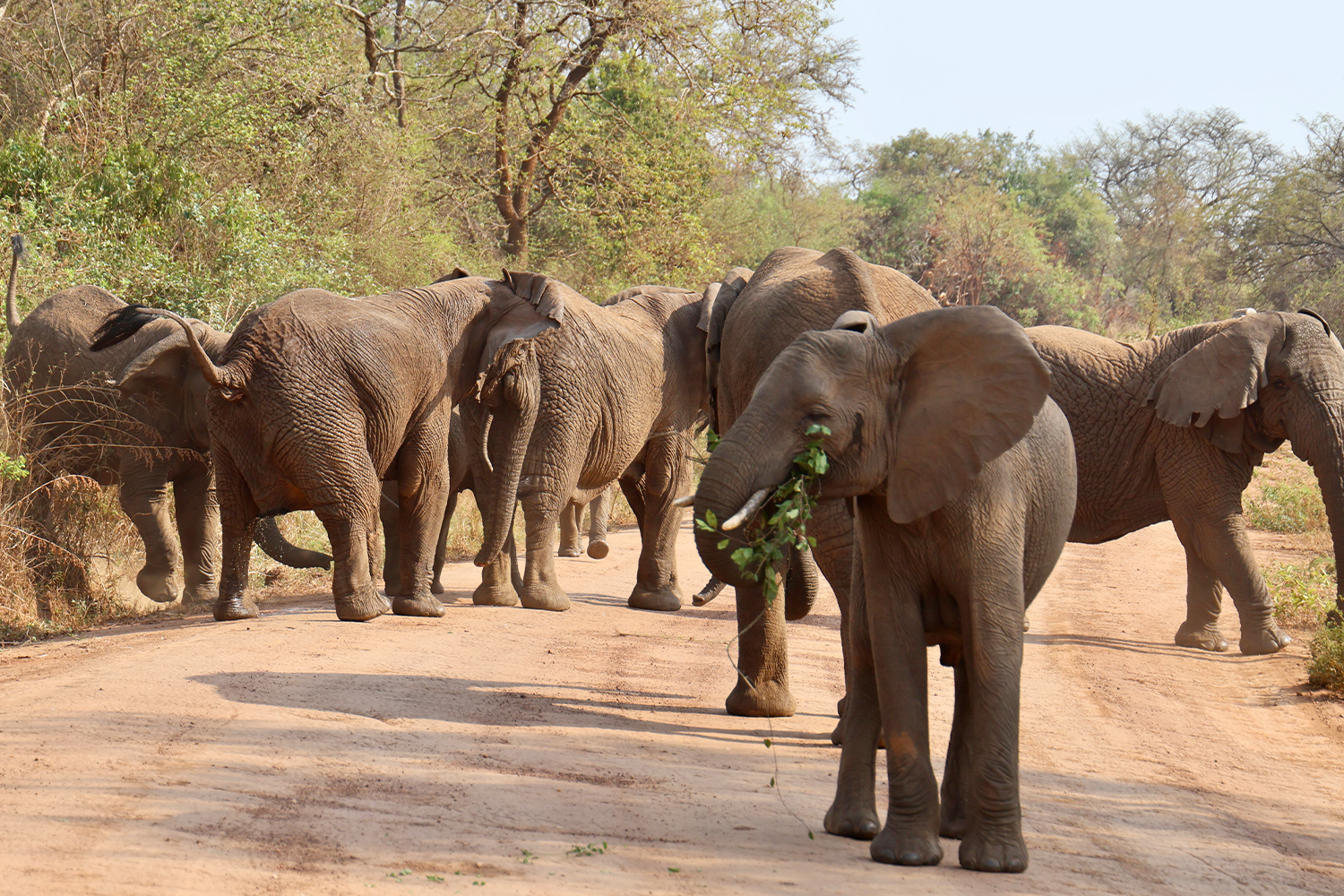
But in 2010, Rwanda partnered with the conservation nonprofit African Parks and began the painstaking work of bringing Akagera back. Seven lions were reintroduced in 2015, two more males in 2017, and in 2021 the park saw the largest translocation of white rhinos in history, 30 in a single move. Today, Akagera is once again home to the Big Five (lions, leopards, rhinoceros, elephants and Cape buffaloes), sheltering more than 60 lions, 90 leopards and nearly 150 rhinos, a transformation so complete it’s hard to imagine the park ever empty.
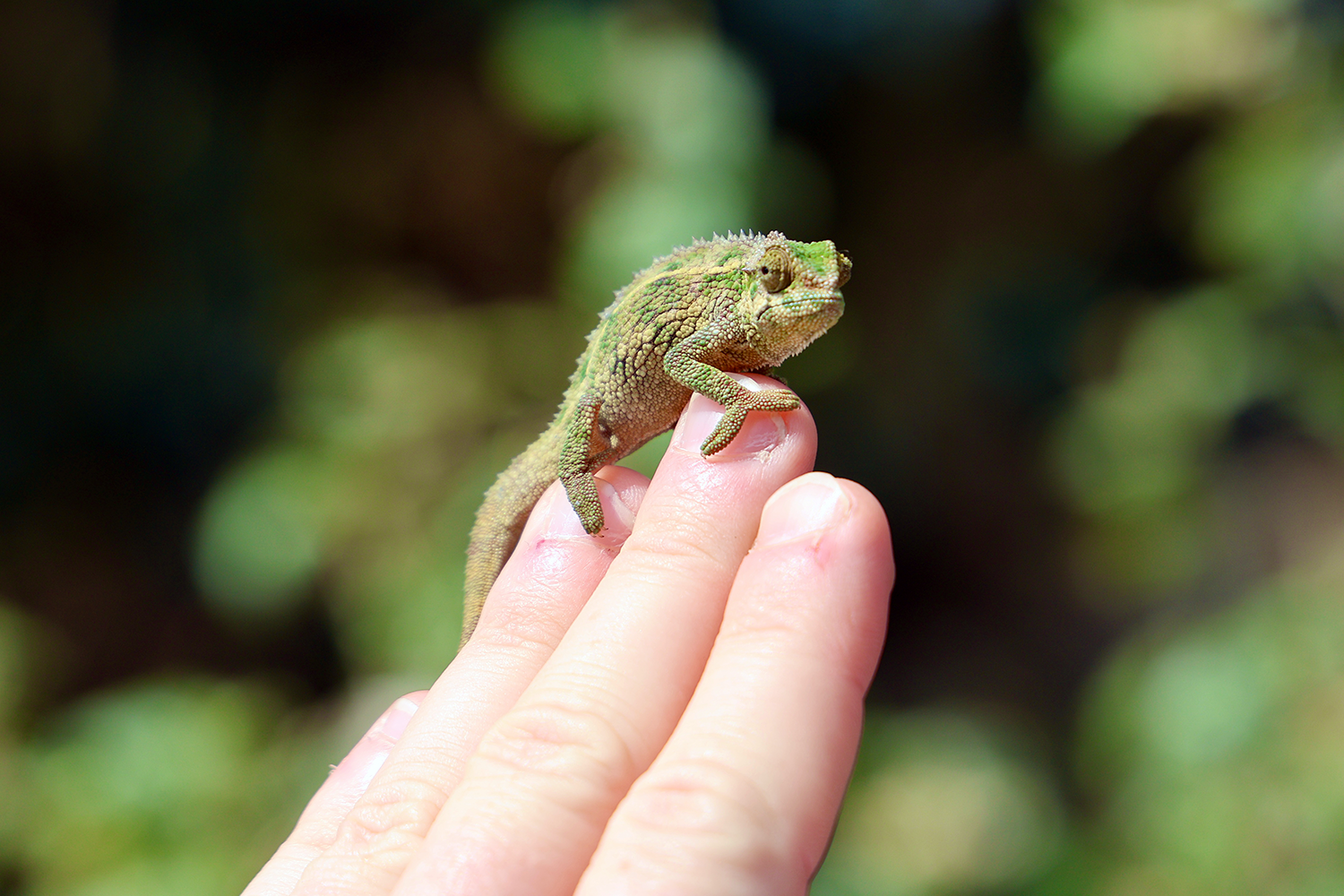
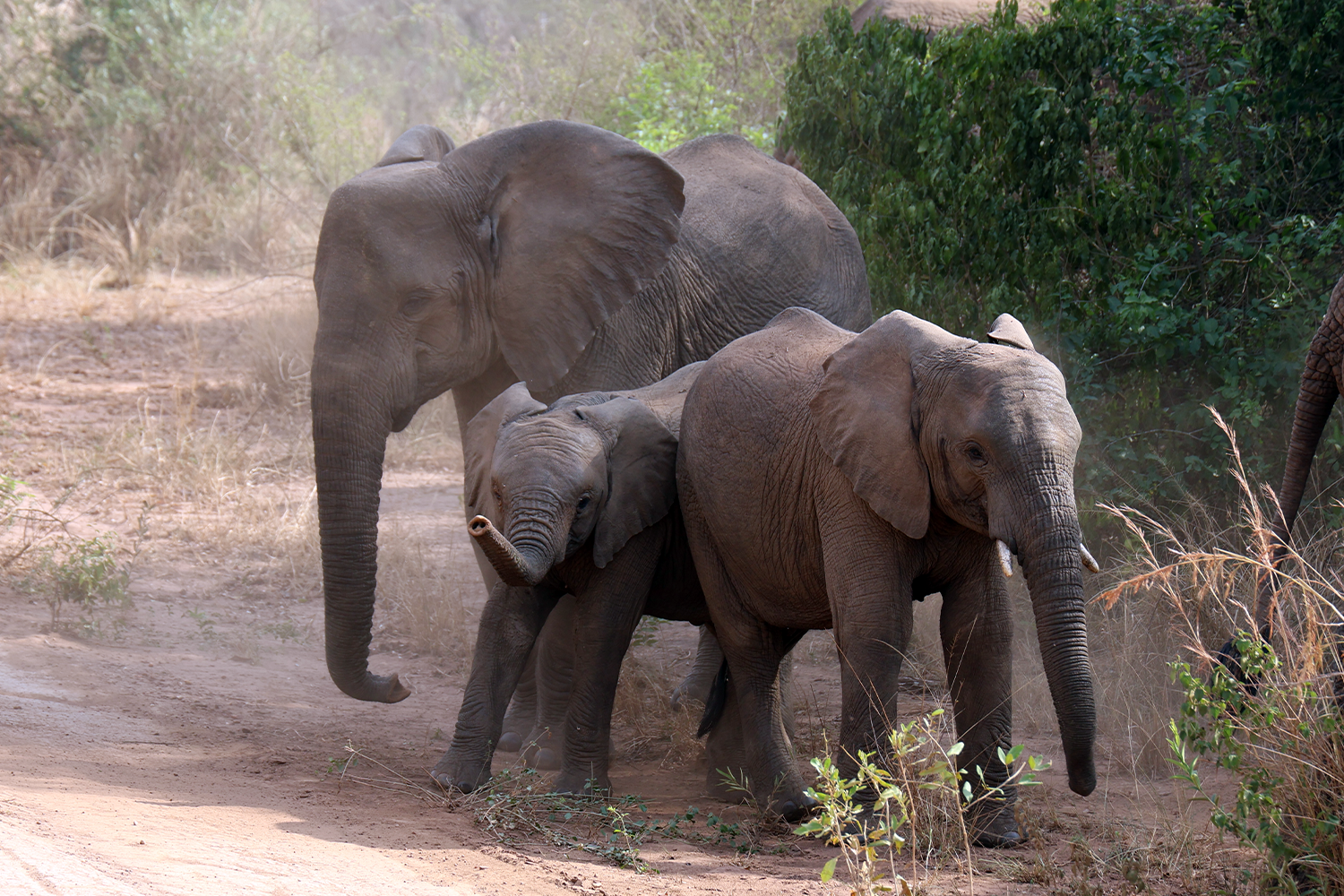
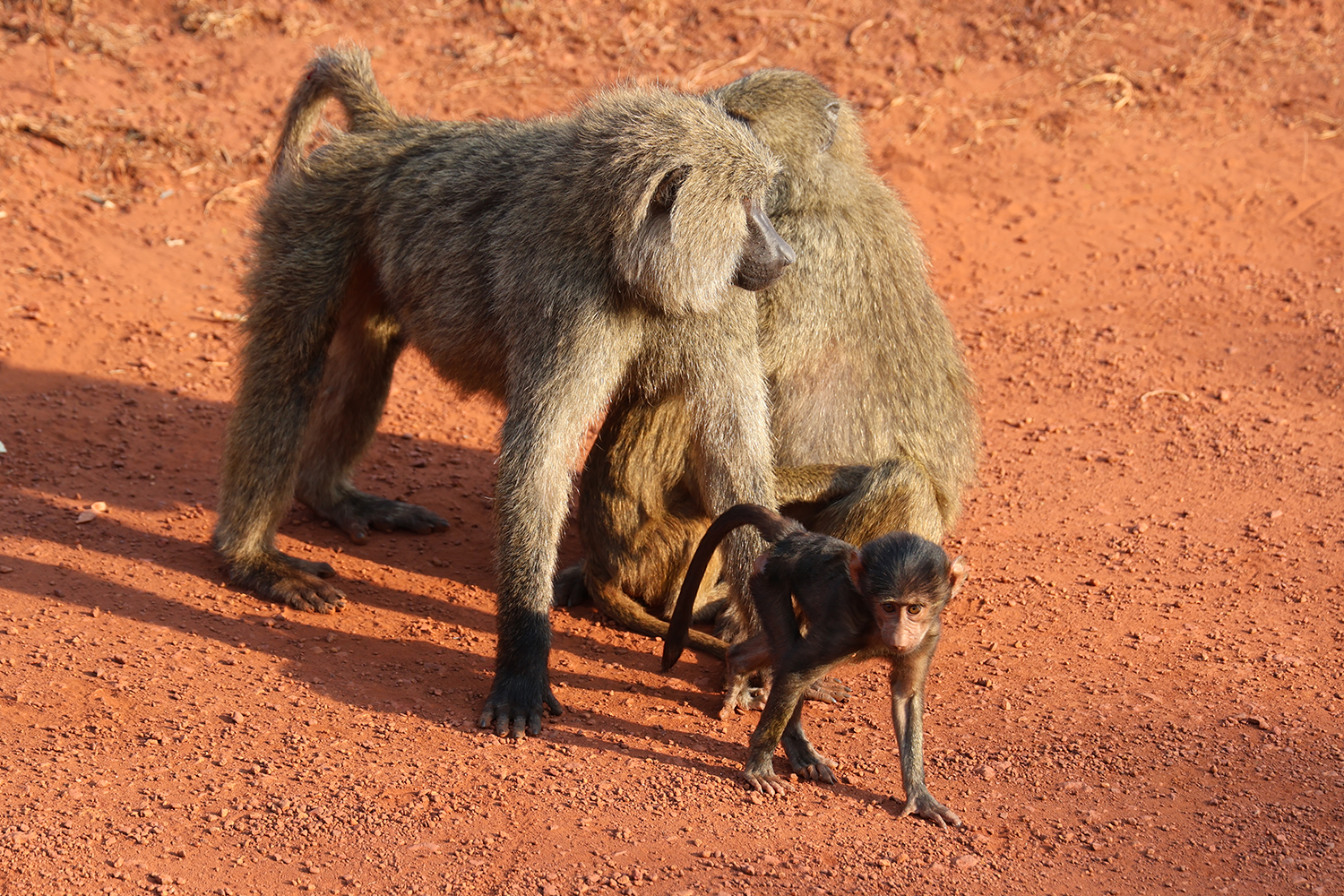
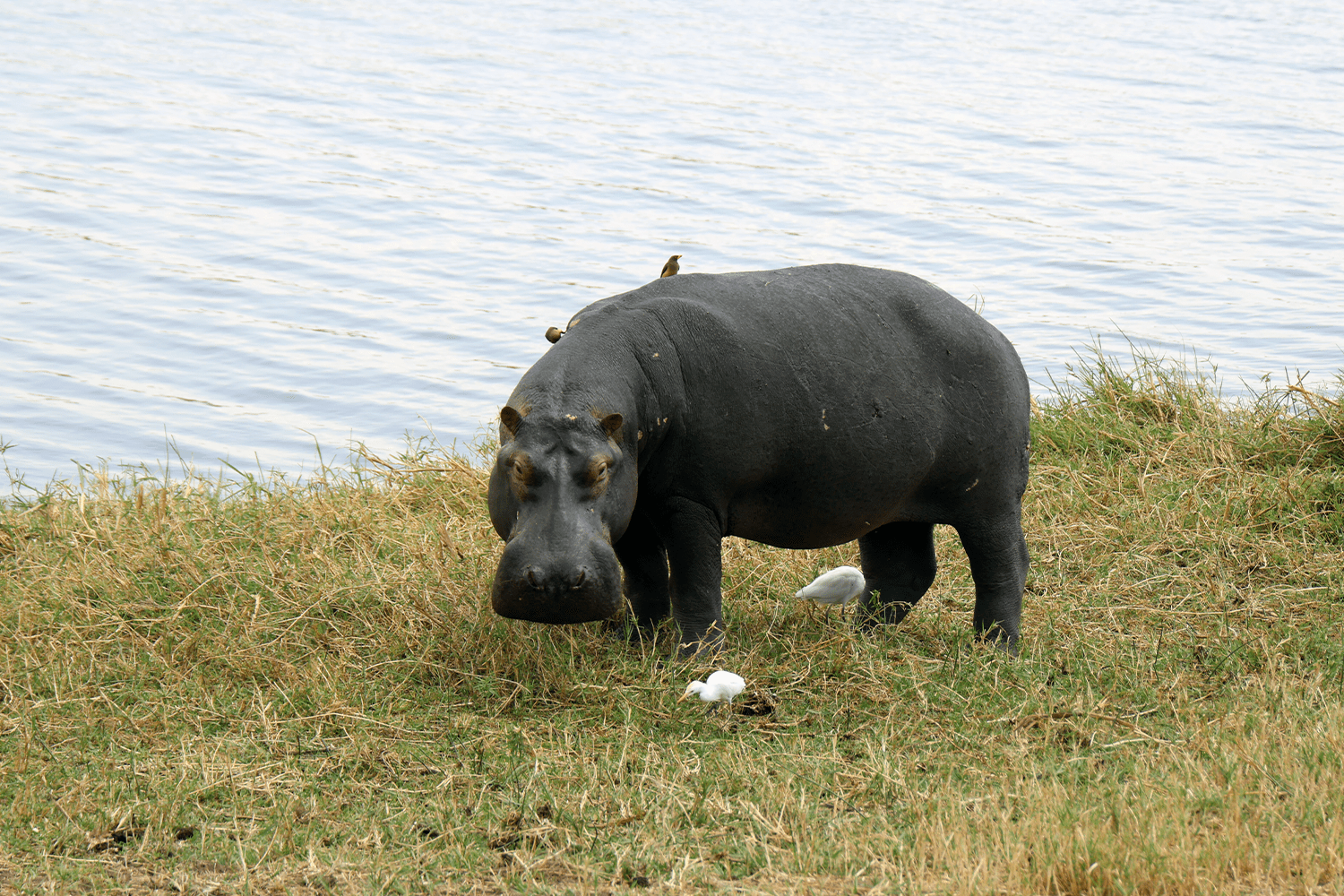
What makes Rwanda’s conservation model work is the way communities are folded in. The people who live beside these parks are the ones who protect them, earning jobs as rangers, guides and hospitality staff. A share of every permit and trekking fee goes back into surrounding villages. In 2023, Rwandan tourism brought in $600 million, a third of that from gorilla trekking alone. As a traveler, your visit doesn’t just give you a front-row seat to gorillas in their natural habitat — it sustains the communities that keep them safe.
Even in the capital city of Kigali, this same story echoes. Nyandungu Eco-Park, once a mined-out wasteland, has been reborn as a lush urban wetland. Walk its trails and you hear birdsong where there was once silence, a city park as alive as the countryside.
Like Nothing Else on Earth
Every single day I spend in Rwanda, I am surprised, challenged and humbled. The night before we set out on a chimpanzee trek in Nyungwe Forest National Park, it’s canceled due to a cross-clan feud, two neighboring chimp communities clashing over territory. The following day, we try again, hiking for hours in the rainforest — first freezing, then sweltering — through unrelenting terrain, only for a quick glimpse of the elusive primate.
Later, I fly across the park on a zipline over a mile long. A few days later, we kayak on Lake Kivu. It’s one of only three lakes in the world prone to limnic eruptions — the vast pockets of methane and carbon dioxide deep below its surface could suddenly erupt, which may be deadly to anything above, including, quite possibly, me in my kayak.
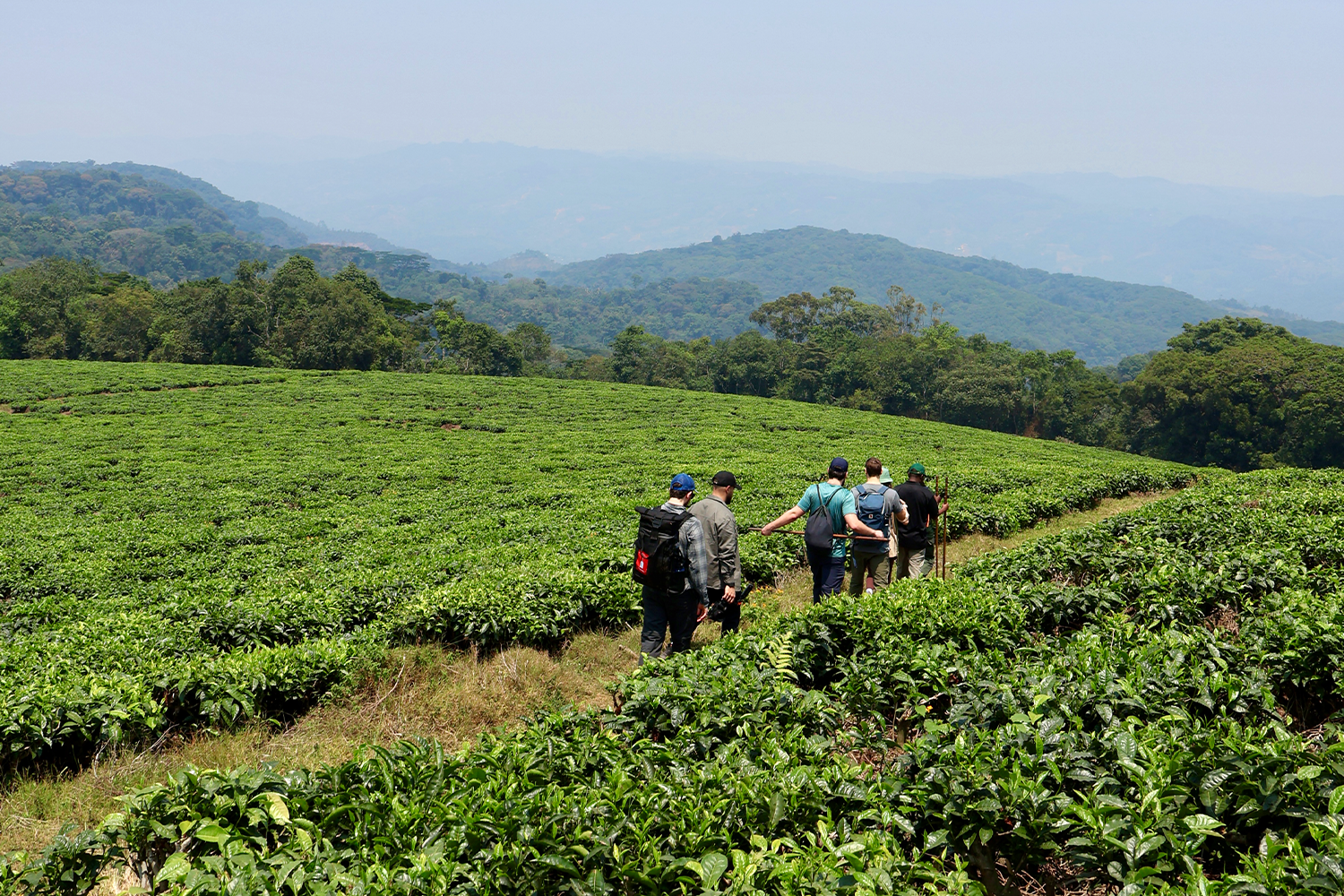
While all of these experiences are incredible, they feel like the prelude. The moment I’ve been anticipating — the reason for the 12-day trip — is gorilla trekking in Volcanoes National Park. Before setting out, we’re asked what level of intensity we want: these hikes can last anywhere from 30 minutes to seven hours, depending on the family’s location and movement. Still recovering from chimp trekking, our group unanimously opts for a shorter route.
Sure enough, just 25 minutes in, we stumble upon a family of gorillas — descendants of some of the famous apes studied by primatologist and conservationist Dian Fossey — sprawled among a patch of bamboo. They are habituated, accustomed to humans, but the rangers still signal in their own subtle language that we pose no threat. The gorillas respond by returning to their rest.
Moments later, a silverback emerges, followed by a harem of females and babies, moving up the hill behind us and cutting through the bamboo toward a small clearing.
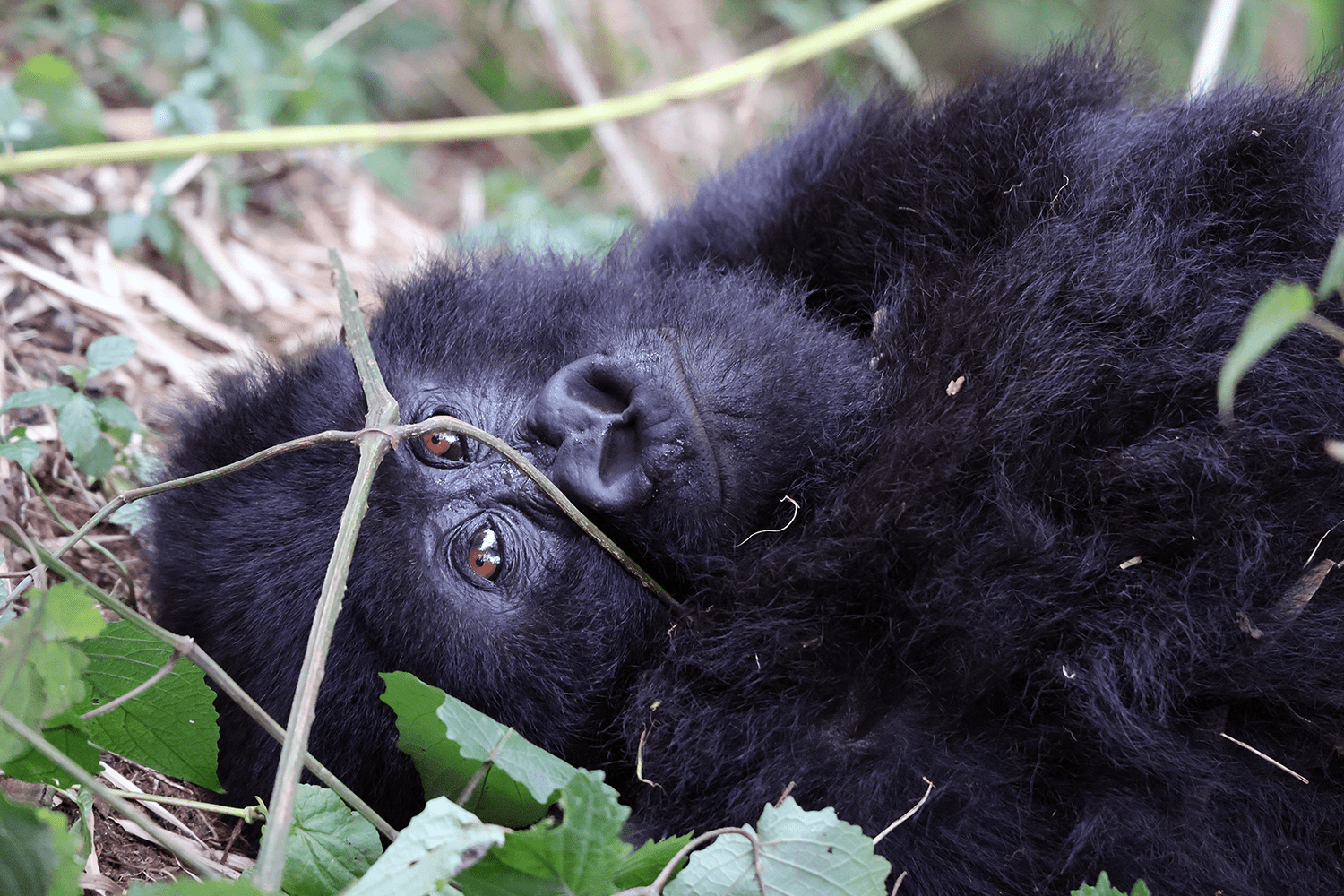
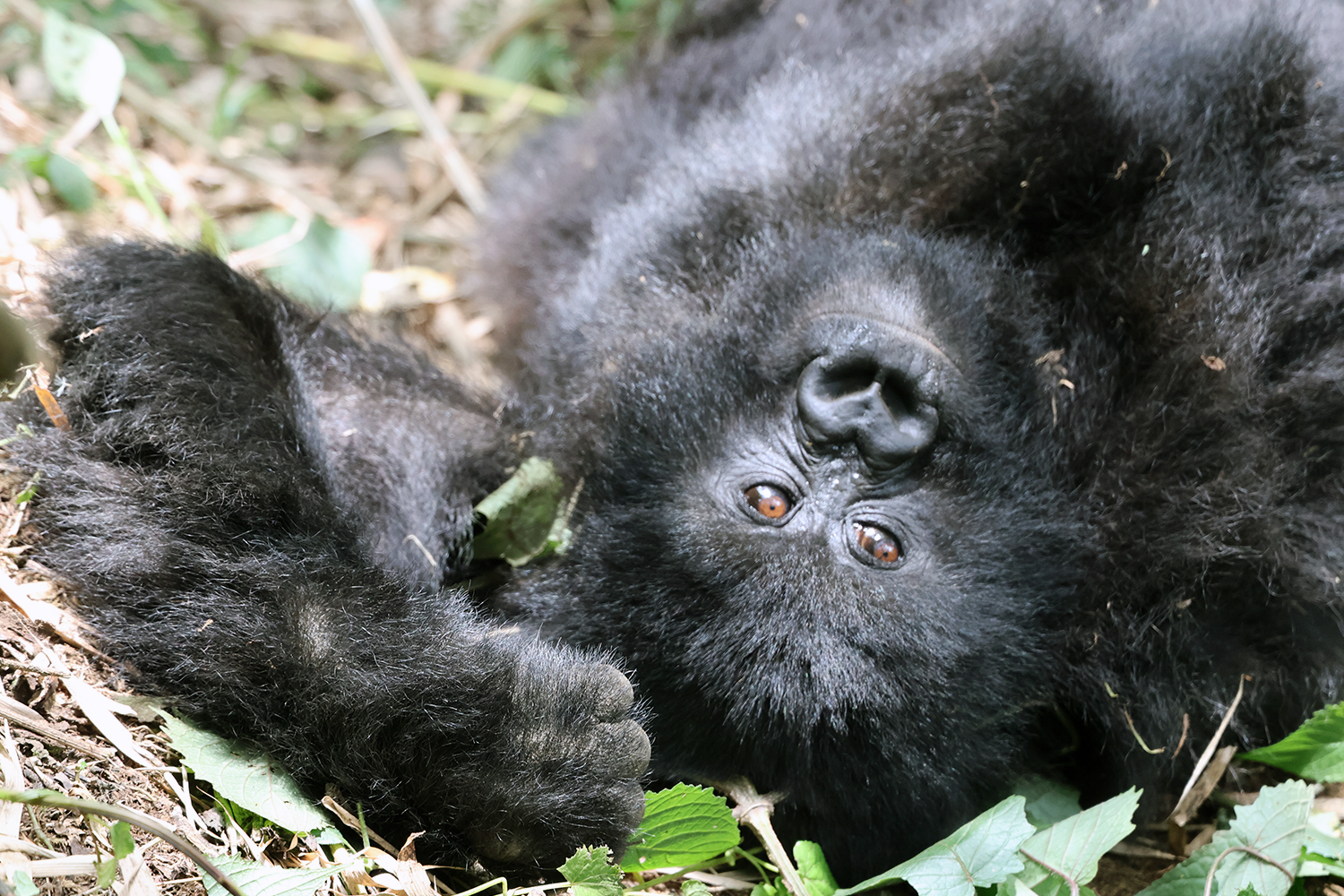
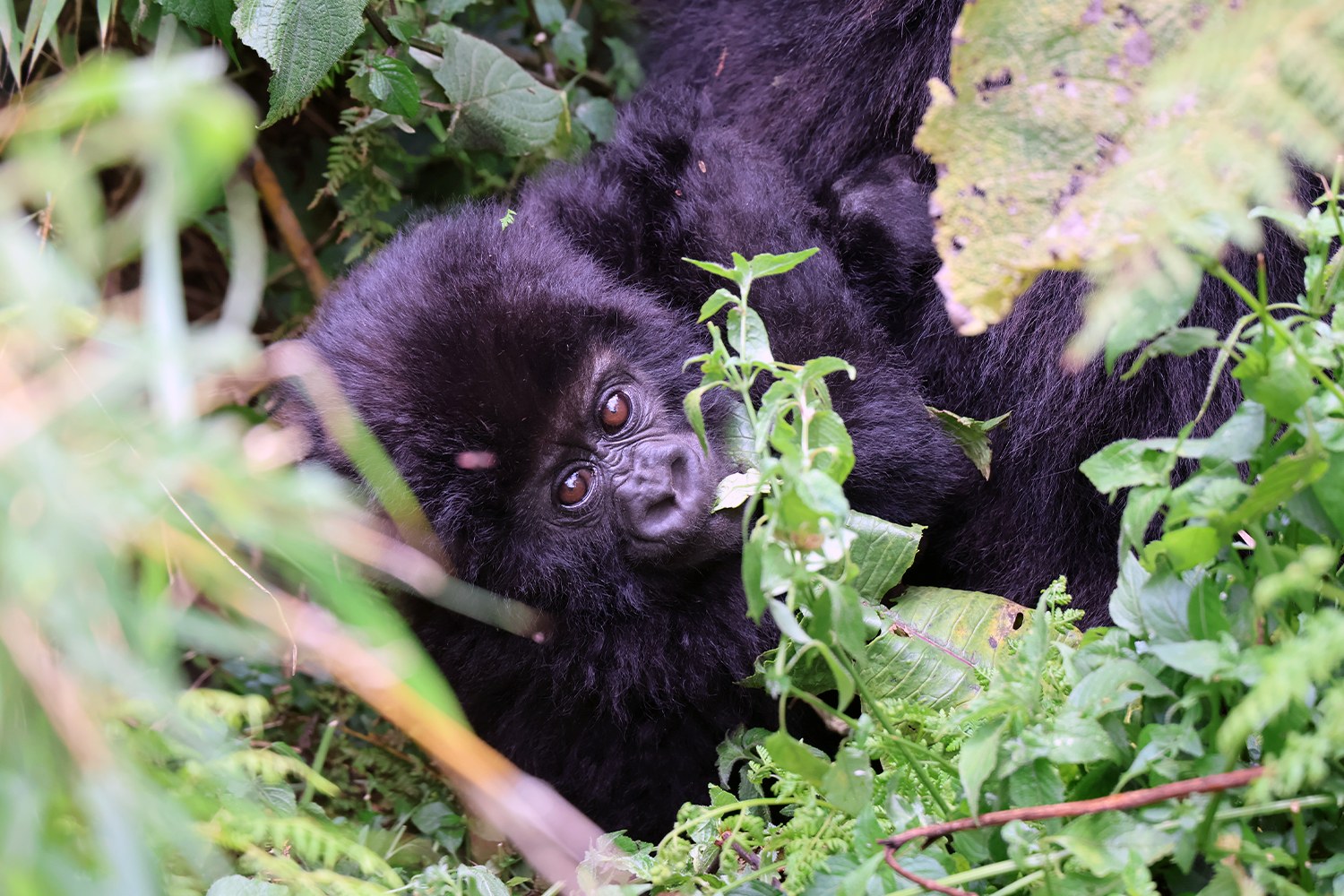
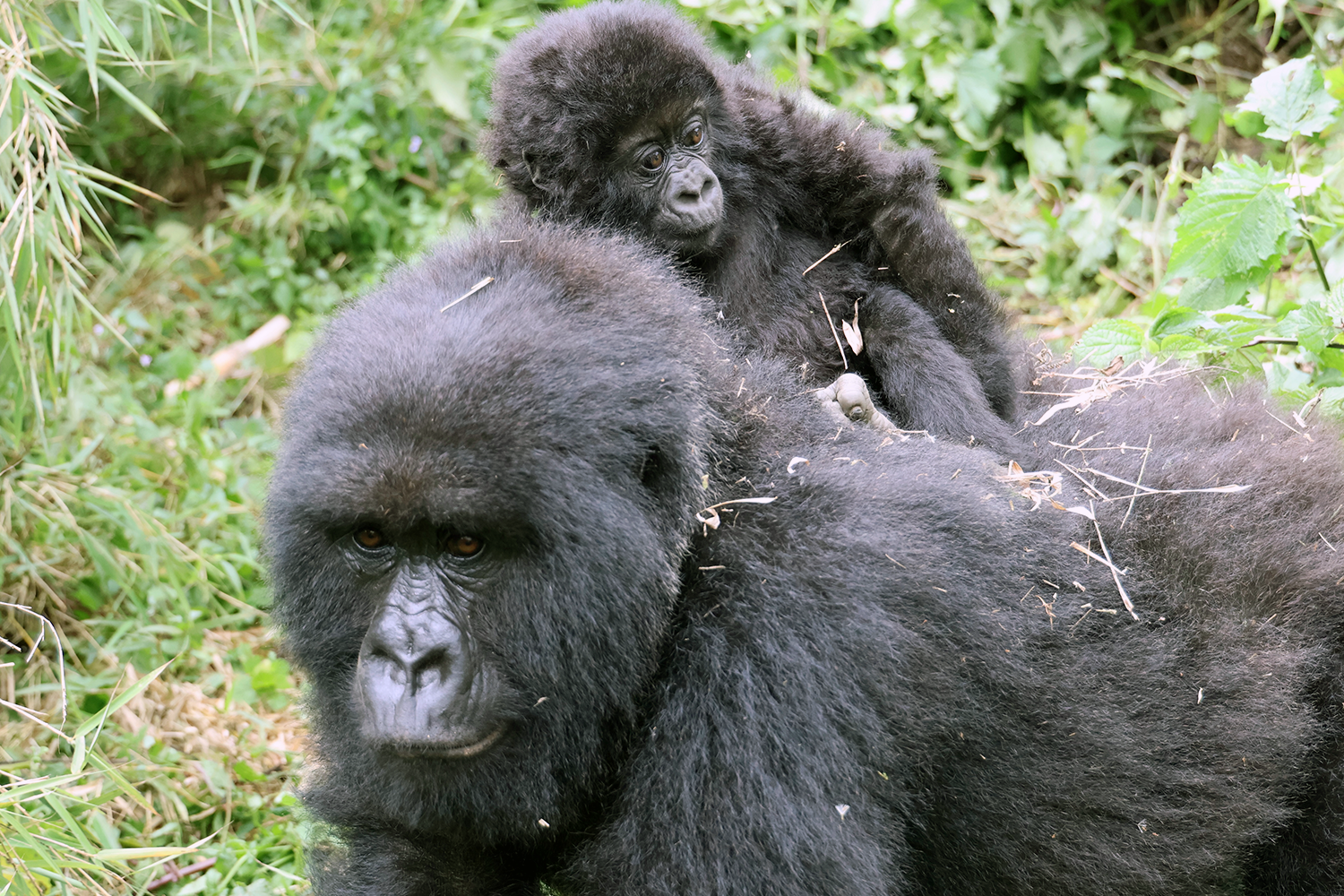
We spend our hour walking among them, sometimes snapping photos, more often simply standing in awe. Rangers advise soft voices, but the edict feels unnecessary — in the moment, I doubt I could have formed a single coherent sentence if I’d tried. It is a singular experience that nothing on earth could truly prepare you for.
Rwanda is not a place you passively consume. It demands your attention and respect. The gorillas don’t appear on cue, the landscapes don’t bend to your timetable. Instead, they invite you to meet them on their own terms. But when you do, you’re rewarded with memories that will last a lifetime: baby gorillas peering curiously through stalks of bamboo, lions stalking Akagera’s grasslands, a city park pulsing with over 100 reintroduced species of birds.
This is tourism with purpose. This is why you come to Rwanda. And if you’re really lucky, you may just run into an award-winning American director who’s as awestruck as you.
Meet your guide

More Like This
This article appeared in an InsideHook newsletter. Sign up for free to get more on travel, wellness, style, drinking, and culture..