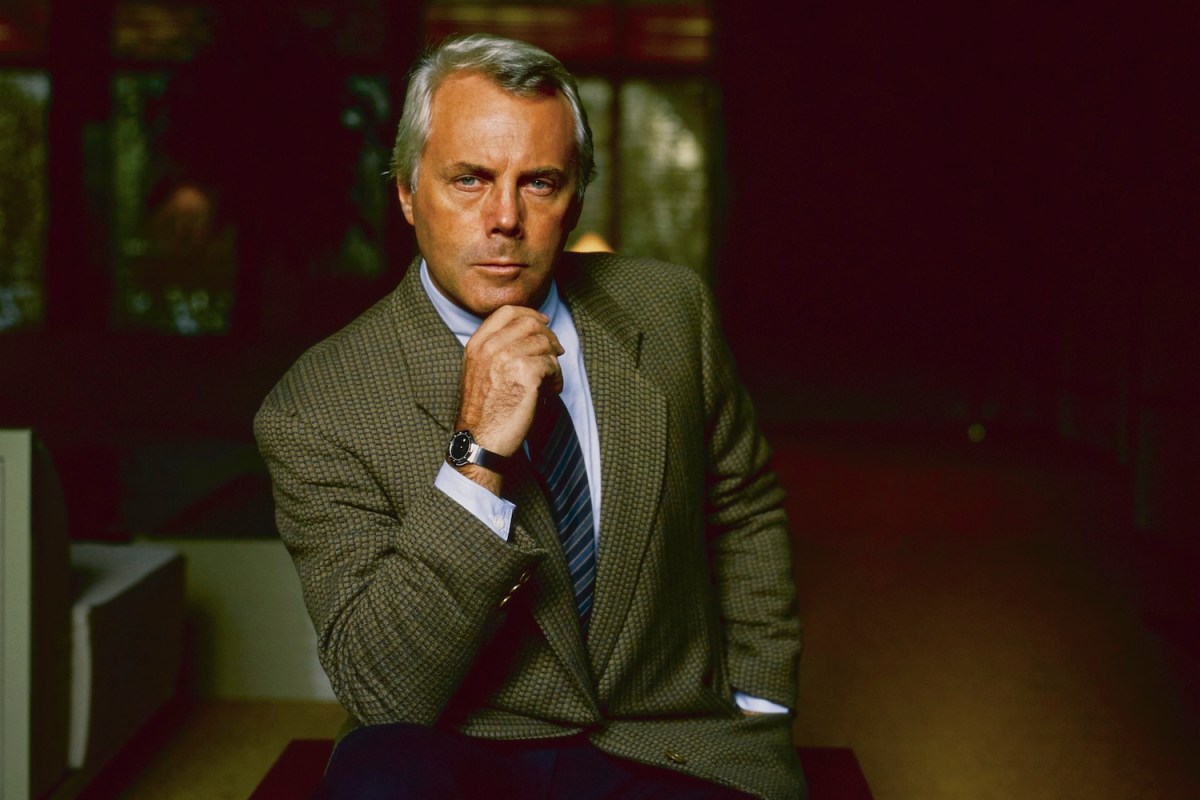
Giorgio Armani, the Italian fashion designer and billionaire who rose to fame through an elegant and simplified vision of men’s suiting, has died at the age of 91.
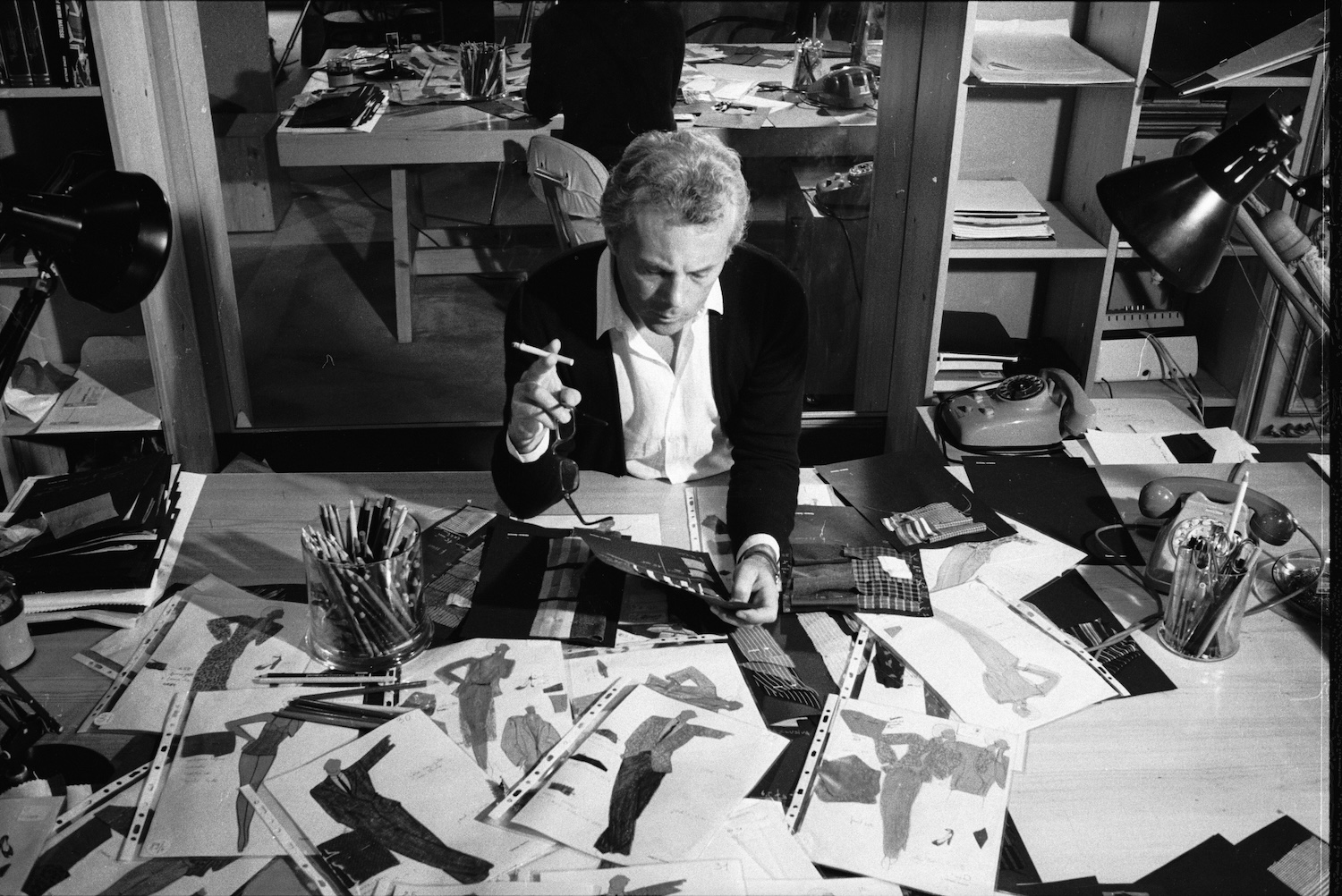
Armani’s legacy is marked by a sizable impact on both menswear sensibilities and the retail landscape. In the decades following the founding of his namesake brand in 1975, the designer revolutionized the modern suit, introducing softer, unlined designs celebrated as highly flattering and favored by consumers.
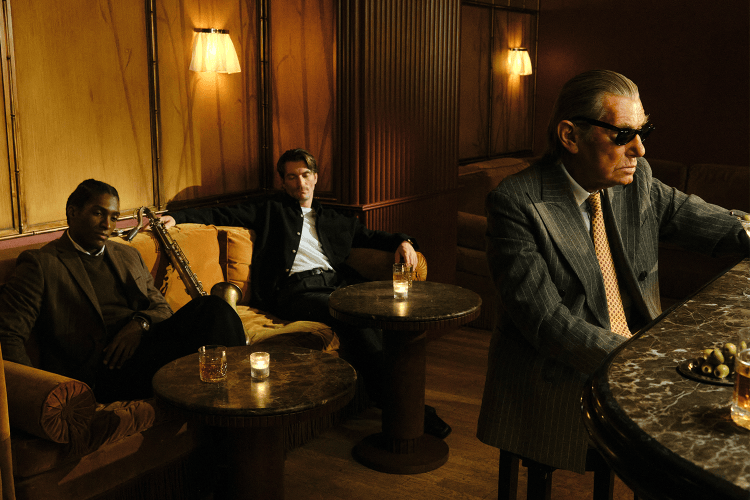
A mainstay in culture and style for over 50 years, the Armani archetype exceeded the traditional boundaries of runway fashion, becoming immensely popular among Hollywood and C-suite types alike in the mid-to-late ’80s — a trend spurred by high-profile pop culture appearances, including Richard Gere’s wardrobe in American Gigolo. The Armani brand became a cultural shorthand for a refined-meets-relaxed sensibility embraced by the affluent, confident and well-dressed man of the late 20th century.
In a statement from the Armani Group, the company noted that the designer and businessman “created a vision that extended from fashion to every aspect of life, anticipating the times with extraordinary clarity and concreteness,” and was “guided by an inexhaustible curiosity and a focus on the present and its people.”
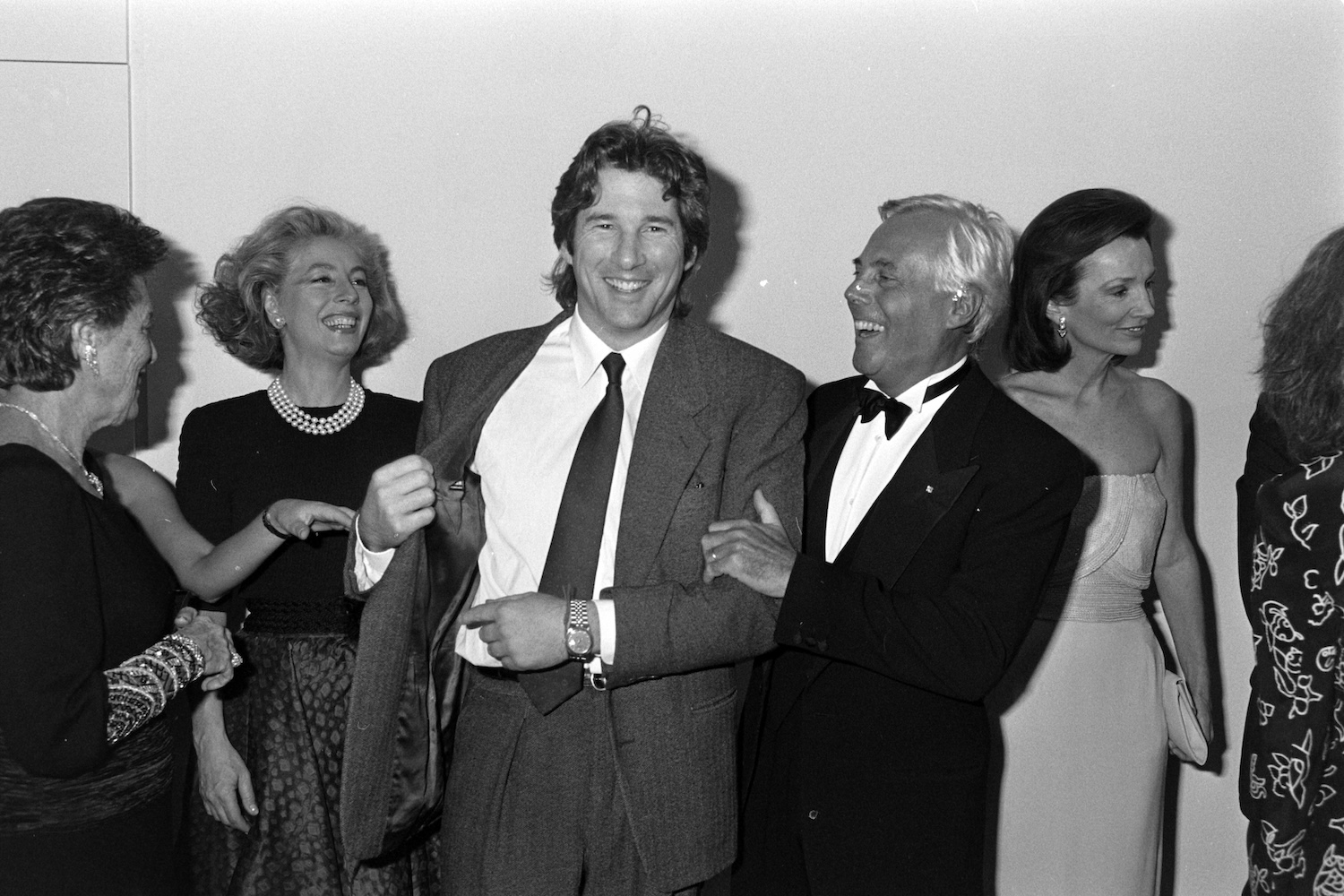
Along with a rich sartorial and cultural heritage, Armani leaves behind a market empire; according to various reports, the Armani Group, which includes sister labels Emporio Armani and Armani Exchange, as well as fragrance and accessory lines, is worth over $11 billion dollars, with annual revenues exceeding $2 billion.
A private funeral will be held for the designer in the coming days. Armani’s death comes just weeks before the brand’s annual presence at Milan Fashion Week, where it has long been a staple.

More Like This




This article appeared in an InsideHook newsletter. Sign up for free to get more on travel, wellness, style, drinking, and culture..