By now, we’ve all gotten the memo: sulfates are bad. In an era of natural everything (and, unfortunately, plenty of greenwashing), the ingredient has become a dirty word, to that point that “sulfate-free” labels have become a major selling point for shampoos.
But I’ve started to wonder why sulfates got such a bad rap in the first place and whether that reputation is entirely deserved. After all, they serve a purpose: They’re effective cleansing agents that help produce a satisfying lather (even if, in my experience, they can leave hair feeling dry). Synthetic doesn’t automatically mean harmful, and while I generally gravitate toward natural ingredients, that doesn’t mean they’re always superior. Have we overcorrected?
The shampoo reassessment: Are sulfates really all that bad?
The short answer? It’s complicated. According to Dr. Suzan Obagi, associate professor of dermatology and plastic surgery at the University of Pittsburgh Medical Center, “When you look at the science behind the safety of sulfates, there is very little to support an outright ban on these ingredients.”
However, the crusade against sulfates didn’t just randomly materialize. “The truly larger push for sulfate-free shampoos came from the growing number of consumers coloring or chemically straightening their hair and from the ‘curly hair’ movement of the 2000s,” explains Obagi.
Some men had good reason to seek out gentler cleansers. The same cleansing power that makes sulfates effective can also strip away natural oils, leaving hair feeling dry, accelerating color fading and making curls frizzier and less smooth. For those with sensitive scalps, certain sulfates can also cause irritation.
But somewhere along the way, a sensible recommendation for certain hair types became something closer to a universal rule. Sulfates were increasingly portrayed as ingredients everyone should avoid, regardless of hair type or scalp condition. As with many things in grooming (and, well, in life), there’s more nuance than that.
What sulfates actually do
Despite pushback, sulfates have stuck around for good reason: They’re inexpensive, effective surfactants that lift oil, dirt and styling-product buildup from the hair and scalp, while producing that rich lather many of us associate with clean hair. “[They] create a foam that surrounds oil and debris and allows it to wash off the scalp and hair,” explains Obagi.
That cleaning power can come at a cost. I’ve certainly used sulfate-containing shampoos that left my hair feeling stripped. But not all sulfates are created equal. Two of the most common are sodium lauryl sulfate (SLS) and sodium laureth sulfate (SLES). “SLS is a stronger surfactant than SLES. Both are very well tolerated by consumers with oily hair and are well suited for consumers with styling-product buildup,” says Obagi. SLS generally has greater potential to cause irritation, though a shampoo’s performance depends on the overall formula, not just one ingredient.
Of course, sulfate-free shampoos still need to clean. Ingredients like sodium cocoyl isethionate, cocamidopropyl betaine and decyl glucoside are common alternatives, and many foam well on their own. But more foam doesn’t necessarily mean cleaner hair, and these alternatives aren’t automatically gentler. People sensitive to sulfates “may still develop irritation to other surfactants used in sulfate-free shampoos,” says Obagi. Sulfate-free isn’t a synonym for gentle, just as sulfate-containing isn’t a synonym for harsh.
Who should (and shouldn’t) use sulfate shampoos?
Men with oily scalps or those who regularly use styling products are good candidates for sulfate-containing shampoos, according to Obagi. And even if you typically use sulfate-free formulas, a stronger cleanse can sometimes help tackle stubborn buildup. “Consumers may benefit from the occasional use of a sulfate-containing shampoo periodically to cleanse the hair and scalp well,” she says.
On the flip side, there are good reasons to stick with sulfate-free formulas, particularly if you have sensitive skin or certain hair types or treatments. “Consumers with curly hair or color-treated and chemically straightened hair may benefit from sulfate-free shampoos to help preserve their curl, color and smoothness,” says Obagi. Sulfate-free shampoos also “are best suited for consumers prone to irritant dermatitis of the face and scalp,” she says, though she cautions that these same people may still react to other surfactants.
And the elephant in the room — hair loss? Despite some claims to the contrary, there’s no convincing evidence that sulfates in properly formulated shampoos directly cause it. Still, Obagi notes that “consumers who are experiencing hair loss may also have a component of dry, unhealthy scalp skin.” In other words, if you’re dealing with thinning hair, keeping your scalp healthy is paramount, regardless of which shampoo you use.
The bottom line
Personally, I’ve gotten so used to sulfate-free shampoos that I subconsciously look for the label, and I’ll probably stick mostly with them, since so many do a stellar job. Ultimately, the point isn’t to swear off sulfates or swear by them, but to understand what works for your hair. Got an oily scalp or use a lot of styling products? A sulfate-containing shampoo is worth considering, if even as an occasional reset. Have curly, color-treated hair or a sensitive scalp? A sulfate-free formula may be better. And if your current shampoo gets the job done without leaving your hair or scalp dry or irritated, there’s probably no reason to scrutinize every ingredient.
“The best advice I can give a consumer is to make sure to get your information from reliable sources based on science rather than trends or fears,” says Obagi. Just because an ingredient has fallen out of favor doesn’t mean it no longer serves a purpose. Sometimes a good shampoo is simply one that cleans your hair well, feels good on your scalp and, yes, even gives you that satisfying lather.
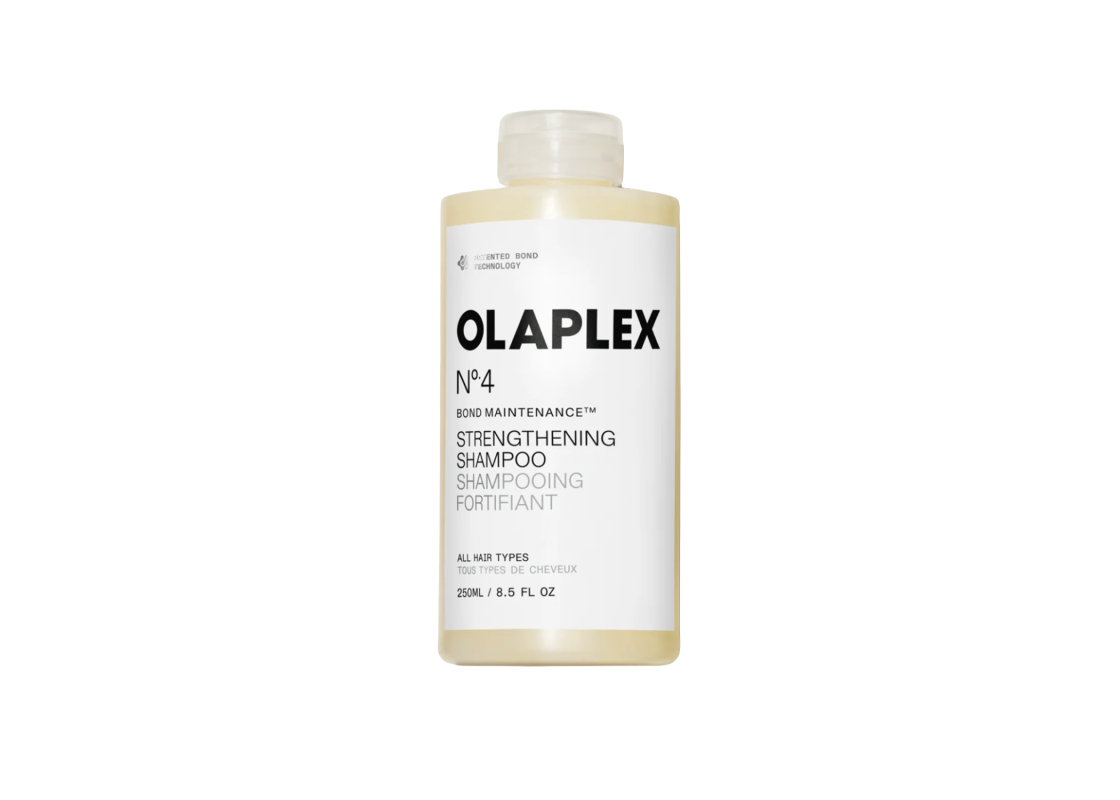
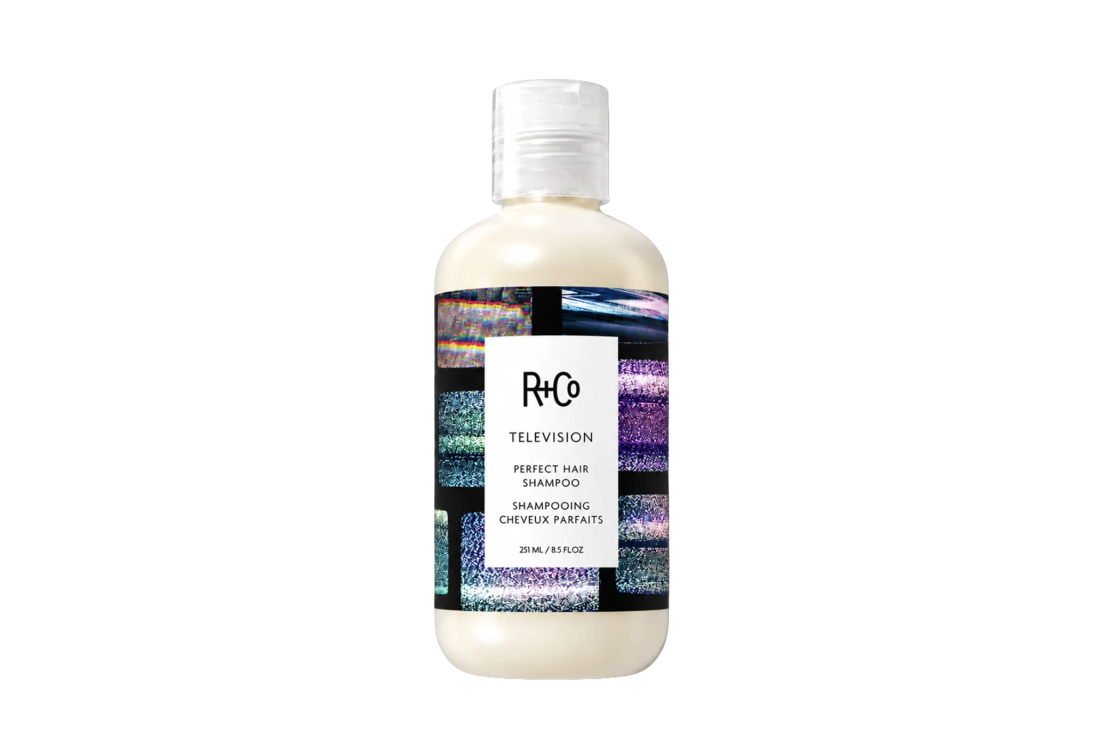
Shampoos worth trying, with and without sulfates
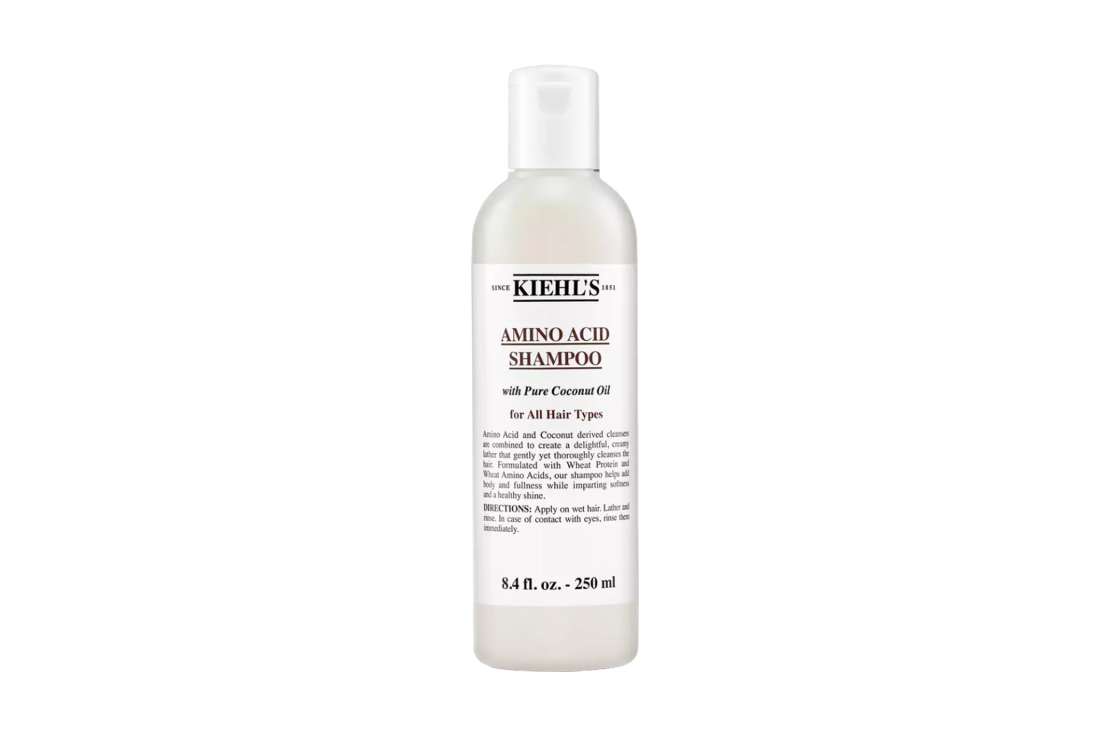
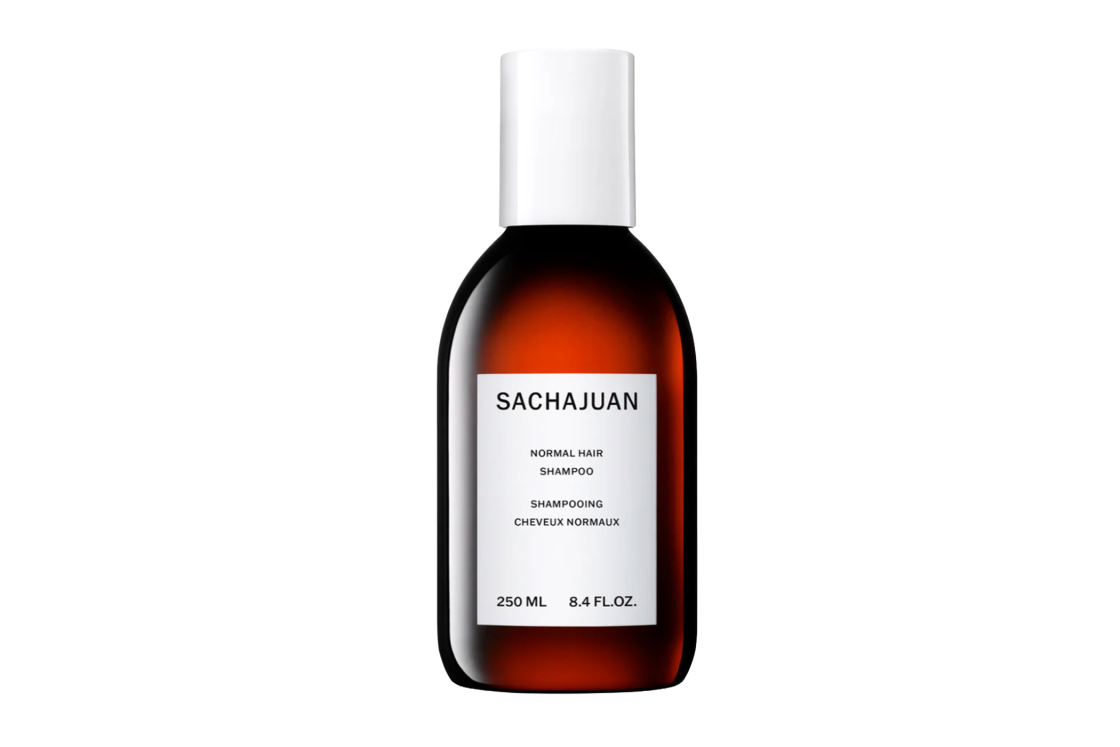
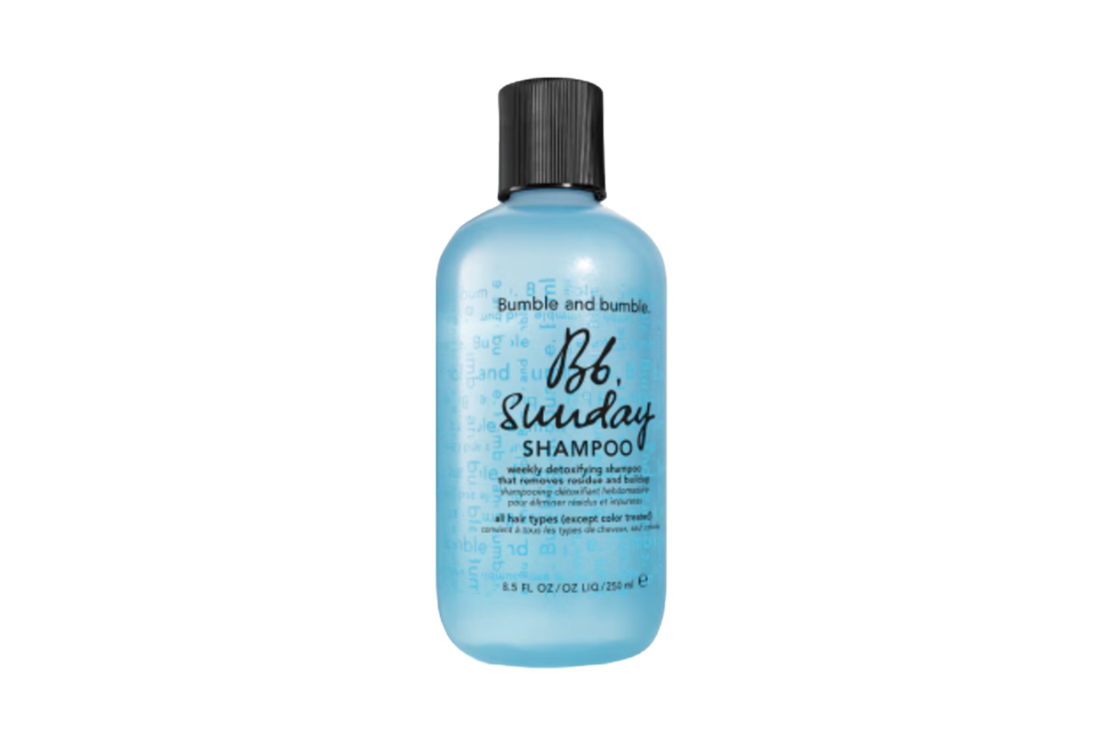
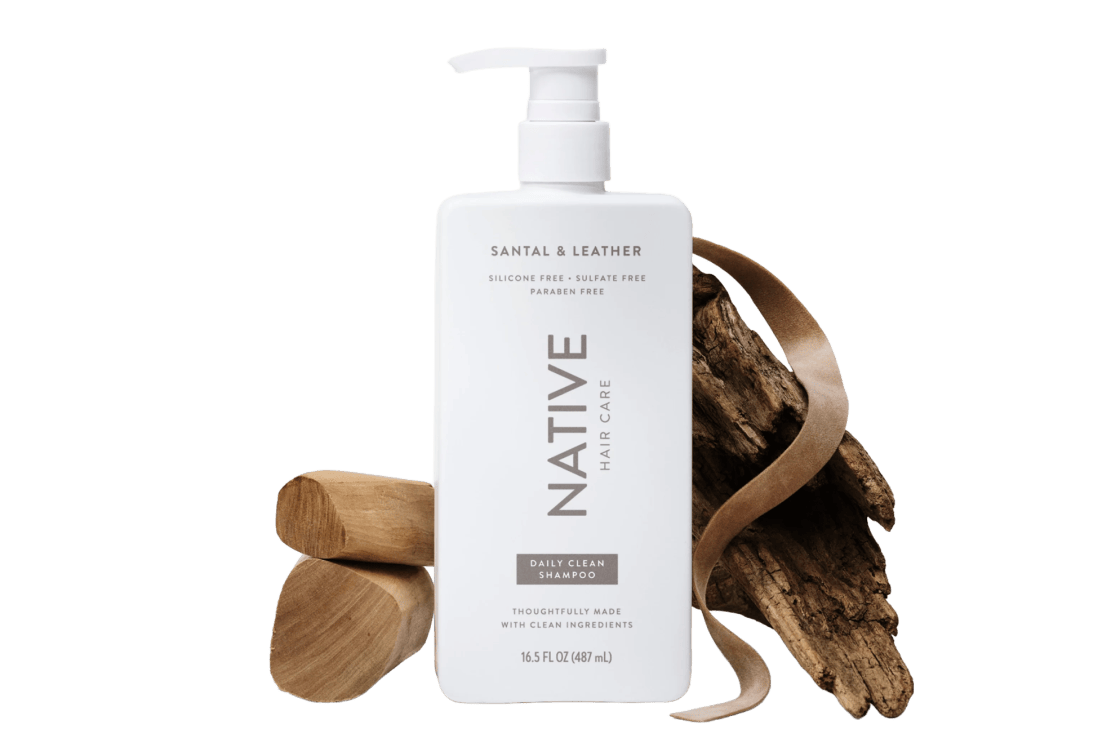
Without:
About the expert
Dr. Suzan Obagi, MD, is a dermatologist and cosmetic surgeon, board-certified by the American Board of Dermatology and the American Board of Cosmetic Surgery. She is an associate professor of dermatology and plastic surgery at the University of Pittsburgh School of Medicine and director of the UPMC Cosmetic Surgery & Skin Health Centers. A graduate of the University of Pittsburgh School of Medicine, Dr. Obagi specializes in skin health, dermatologic surgery and cosmetic treatments and has published extensively in medical journals and textbooks. Her expertise has been featured in USA Today, Elle, and CNN.com, and The New York Times Style Magazine recognized her as one of the country’s top cosmetic surgeons.

More Like This
This article appeared in an InsideHook newsletter. Sign up for free to get more on travel, wellness, style, drinking, and culture..