Justin Gurland didn’t know any sober people before he got sober. At the age of 25, he was living in an apartment on 26th Street and 6th Avenue in New York, addicted to heroin. He left his best friend’s funeral to buy the exact drug that killed him.
“That apartment represents such a dark time in my life,” Gurland told me recently. “A lot of addicts will probably tell you that it’s not always so bad — people drink and do drugs because it feels good — but the fun had ended a lot earlier.”
Gurland’s sister knew what was going on. “She got to the point where she was like, ‘I can’t take this anymore. If you don’t say something today, I have to.’ And she put me in a position to get honest with my parents and save my life.”
Once saved, that life had to start over. Gurland says he emerged from addiction to discover he had the maturity of a 10-year-old boy. He eventually got a job in a SoHo office: answering phones, running errands, earning $10 an hour. “It was the greatest thing for me because I learned how to show up, learned how to be on time and learned how to have a job.”
After a few months of this, he went to the substance abuse specialist who’d helped him turn everything around, his “guiding light,” and professed his desire to do something similar. “Everybody who gets sober wants to work in this field,” the man replied. If he was really committed, he’d have to go to grad school. Gurland got into Hunter College, earned a master’s in social work, and spent the next 15 years in the behavioral health space, climbing the ladder until he owned sober-living residences.
Social workers don’t always share their personal stories with clients, but after seeing it resonate with both patients and parents, Gurland made a point to. “I never had someone that I could look to and be like, ‘Okay, he turned out fine. I’m gonna be fine.’” Still, one thing always bugged him.
“Getting sober as a young person and then having all these clients over the years,” he said, “I was always confused why there wasn’t a place to go.”
Somewhere to Go
When you’re sober, you’re taught from day one that you’ve got to find ways to meet people, reconnect with people, have fun and stay busy. Attending recovery meetings is only part of the equation.
But how? What if your old high school or college friends don’t get it? Where do you watch huge sporting events? What are you supposed to do on New Year’s Eve? Gurland remembers finding guys to work out with…only to end up back home an hour later, showered, with nothing but time.
Entering his 40s, feeling fried from his behavioral health years and ready for a new challenge, Gurland started imagining what a dedicated sober space might look like. Maybe a coffee shop? A really nice one, with an IYKYK sober angle? Then he realized how many cups of coffee he’d have to sell to make it in New York. He had a crash course in hospitality and inventory, having provided food at the sober-living residences, but he didn’t want to start a restaurant, either. Besides, restaurants famously rely on alcohol sales to account for food’s razor-thin margins.
I’m a believer that every great party town has an equally great recovery community.
– Justin Gurland, founder of The maze
Eventually, Gurland found his own financial cushion. “At some point along this journey, I’m like, what about the membership model?” he said. “That revenue will hopefully balance out the fact that we don’t serve booze. Then things started falling into place.” He pictured a third space for the sober community, somewhere open 12 hours a day — part Italian coffee shop, part country club, part Manhattan lounge — a place where people could stop by at their leisure, could feel part of something.
Same Place, Right Time
When he pitched the idea to his inner circle, a few people thought he was crazy. But a surprising number of his non-sober friends thought it would work.
The landscape looked very different in 2024 compared to 2008, when Gurland got clean. There was no longer a steel curtain between worlds; the hush-hush stigma had disappeared. In late 2018, Ruby Warrington published Sober Curious. Not long after, the non-alcoholic (NA) market exploded, just as wearables like Whoop and Oura began to reveal the horrors of a drunken night’s sleep. Gen Z came to consider the “lo/no alcohol lifestyle” a given. Sobriety was umbrellaed under a broader push for purposeful living.
This was news to Gurland. All those years, he’d more or less kept his gaze right in front of him. “The only sober people I knew were in recovery, like myself,” he said. “Yet without me noticing, there’s this whole movement of alcohol-free people emerging. I really didn’t know at the time. I didn’t know about the community. I certainly didn’t know about the products. And then I was like, ‘Oh, shit. This is kind of happening.’”
Gurland signed a lease for The Maze on New Year’s Eve 2024. It’s located on 24th Street and 6th Avenue, two blocks south from the apartment where his life once hit rock bottom.
It’s one of those quintessential New York stories — but even New York’s never had a sober social club before.
Inside The Maze
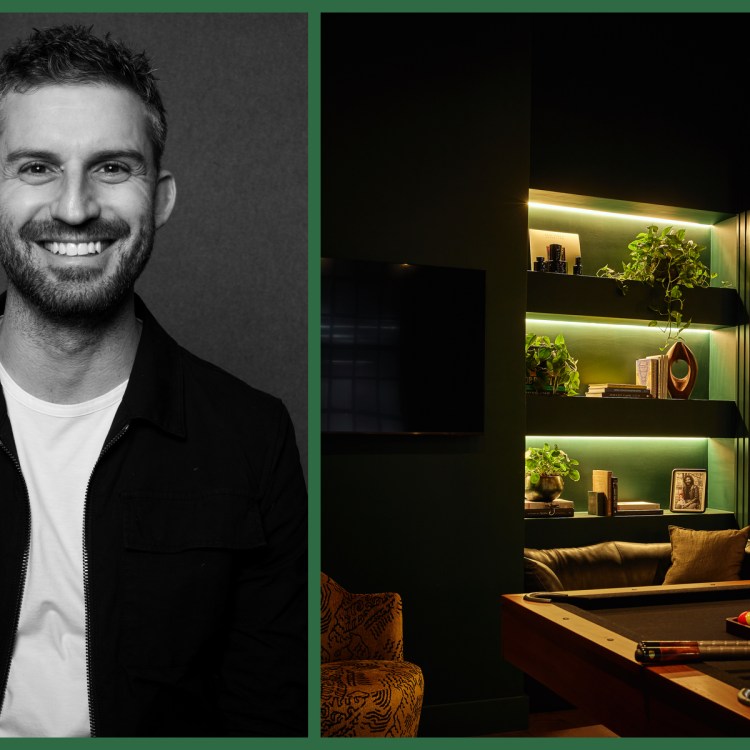
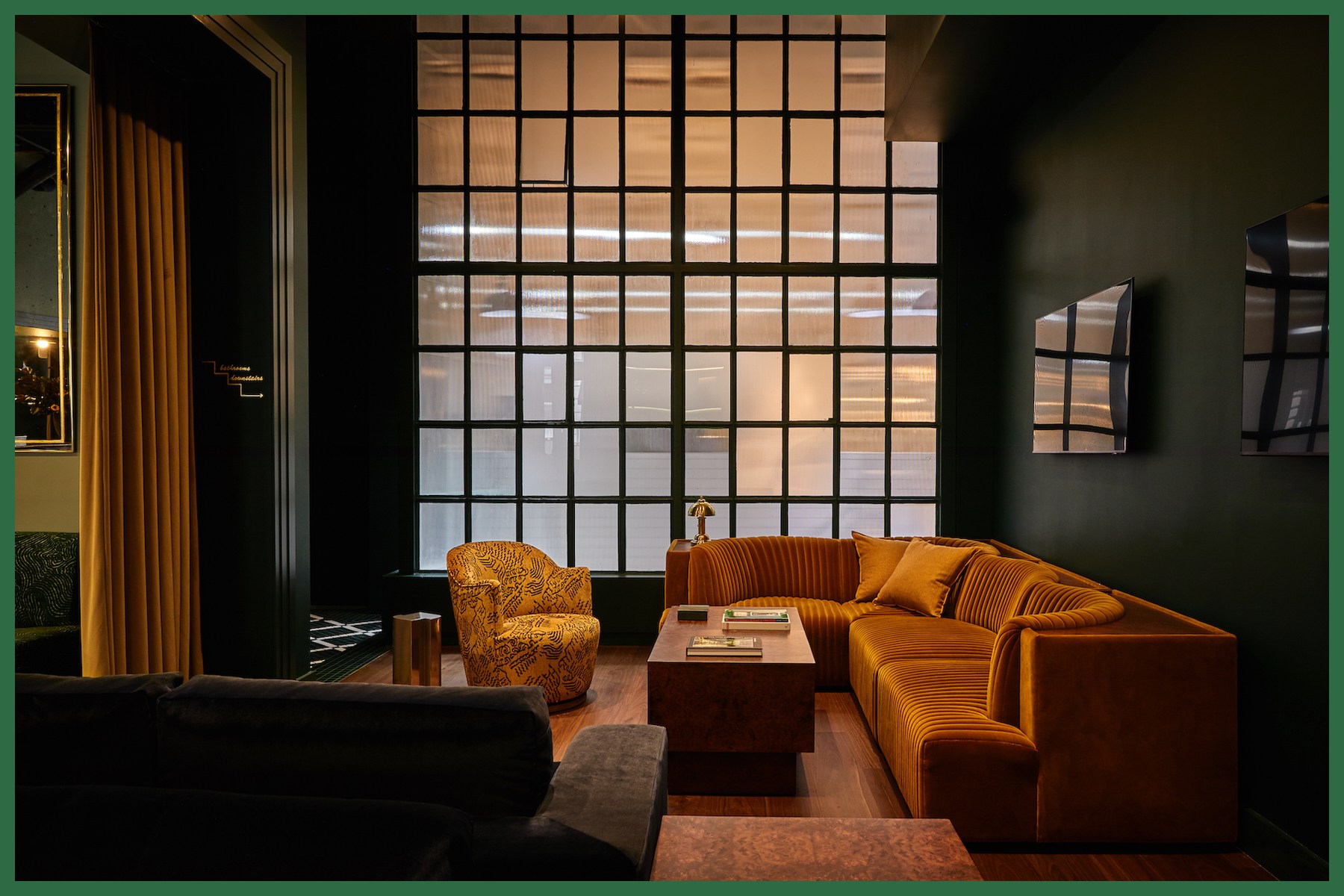
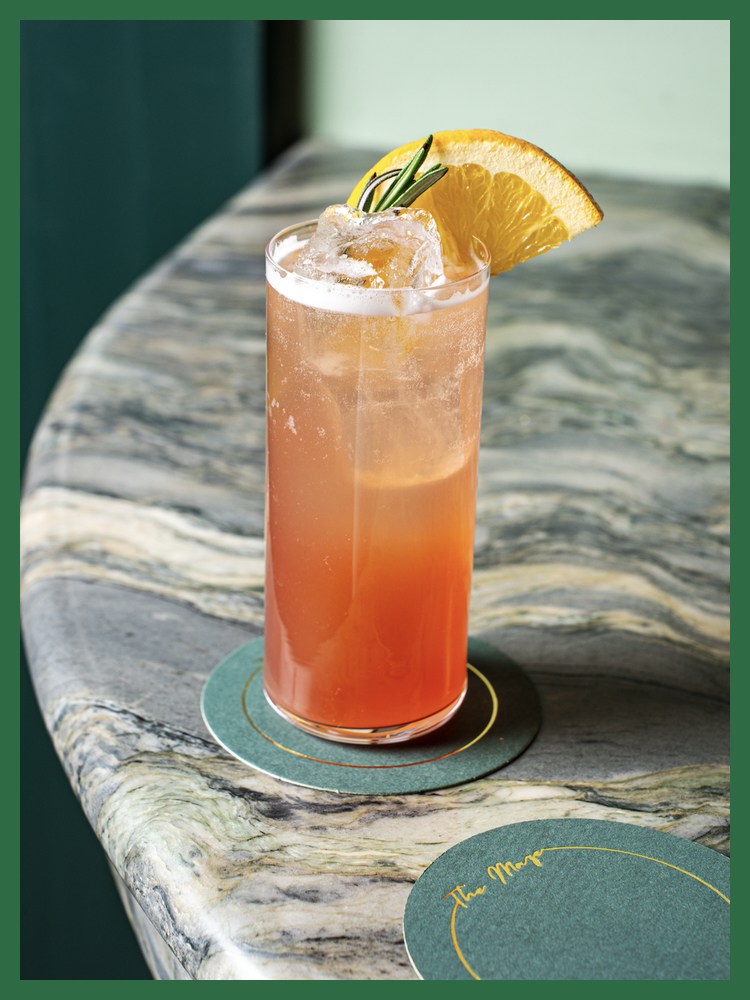
I stopped by The Maze on a Thursday after work, and sipped a mocktail (made with Aplós Arise, an NA liquor, plus cucumber and mint) as Gurland gave me a tour of the 4,600-square-foot facility. There was a dining room dressed in green drapes and velvet chairs; a pared-back bar with a midnight-blue La Marzocco espresso machine placed front and center; a lounge with couches and TVs; an ochre-hued speakeasy in the back, with framed records hanging on the wall; and a private backroom where a few staffers were setting up for an immersive cooking class. Taco night.
Just over a year since its launch party, The Maze has roughly 300 members and counting. They pay $3,300 per year, plus a one-time initiation fee of $1,500. (Though you can convert $1,000 of that to food and beverage credits in the first six months.)
Getting Cold Feet (and a Natural High) at the Ice Cold Club
A night of chance encounters, 50-degree plunges and euphoric breathwork on a Brooklyn rooftopAs envisioned, it’s a club built around sobriety — approximately 40% of its members are in recovery. But that remaining 60% represents a fascinating split: 40% identify as sober curious, while 20% are “actively exploring or reevaluating their relationship with alcohol.” For much of Gurland’s clientele, an age group that clusters in the 30s, The Maze isn’t just solving for a lack of sober community. It’s also offering an antidote to the particular loneliness of getting older in a big city.
The Maze hosts member mixers, trivia nights, yoga classes, tasting menus, comedy nights. They’ve brought in celebrity chef guests like Andrew Zimmern and hosted a Sober October party with DJ Samantha Ronson. On Thanksgiving Eve last year, traditionally a huge party night, they threw a “Steaksgiving” — carving huge tomahawk steaks on a table the length of the whole restaurant.
Gurland keeps track of which events flop and which ones resonate. Earnest talks given by sober athletes haven’t been well attended, but the people seem to love comedy night.
For all The Maze’s formal programming, though, what excites Gurland the most is “when people stop by on their way home from work.” This has been especially relevant in 2026, a sporting year for the ages; members have convened to watch the Knicks’ championship run, World Cup games, the U.S. Open and NFL Sundays.
Another draw: Tom Colicchio. Gurland was set up with the legendary restaurateur and Top Chef judge via a hospitality broker called Friend of Chef. Colicchio didn’t necessarily have a sober connection (or at least, Gurland qualified, that didn’t come up in their initial conversations), but he was excited to build a community and “do something more than just a restaurant.”
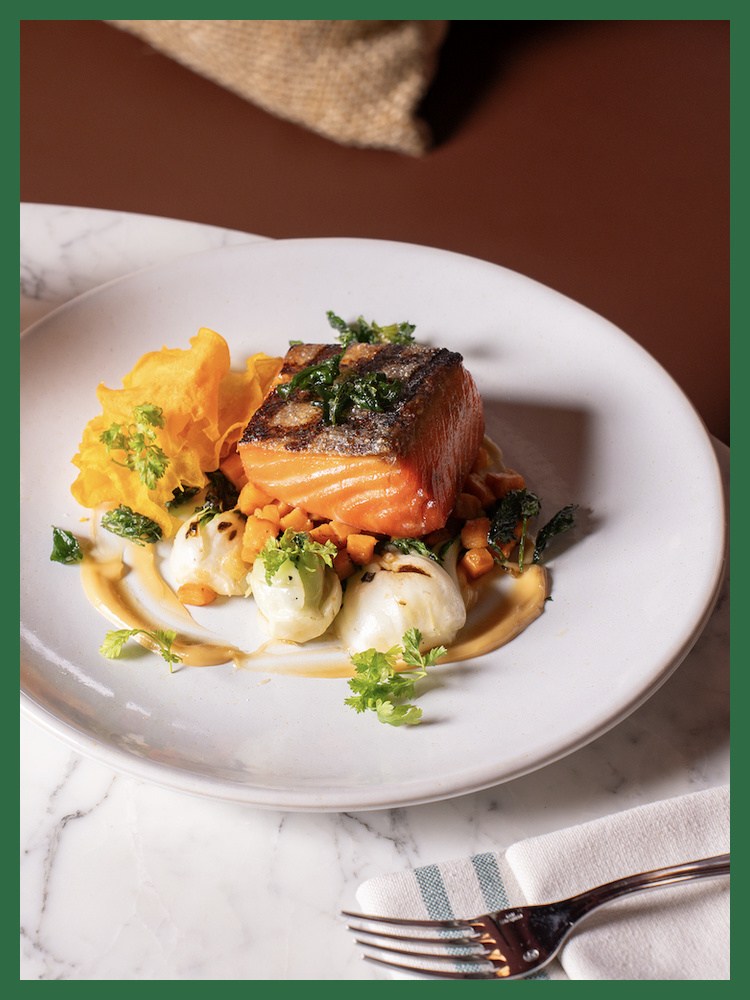
Colicchio’s Crafted Hospitality group designed the menu — a New American mix of steak, salmon, roast chicken, sandwiches and tacos — and the celebrity chef drops by periodically. “He’s certainly here when we need him to be,” Gurland said. “With his team, there’s just no question that can’t be answered.”
One day, Gurland hopes to bring The Maze to a different city. Ideally to lots of cities. “Having been sober for such a long time, being able to travel, experience recovery in other cities, I’m a believer that every great party town has an equally great recovery community,” he said. For now, though, he’s working on getting New York exactly right.
Gurland has personally made friends with some of his members. One couple joined The Maze while engaged and planned their wedding over visits to the space. “Back in the spring, they pulled me aside. They’re like, ‘Hey, I just want to tell you, we named our tables at the wedding after things that have been important to us.’ So one table was where they had their first date. One table is the name of their building. And they named a table The Maze after us because it’s been such an important part of their relationship.”
“That’s how you know you’ve made it,” I told Gurland.
He nodded, smiled. “If I ever had any doubts, if I’m feeling low, I remember that and think, ‘We’re gonna be okay.’”
More Like This
We're always on the scene eating, drinking and traveling near and far to bring you the best of what's happening out in the real world. Sign up for IRL now.