For anyone obsessed with cinema and men’s style, Alain Delon sits squarely at the center of that Venn diagram. The famous cheekbones, that hair, those wolfish, inscrutable eyes, which helped him play the perfect killer, always handsomely attired. Murder in Paris ‘68, however, tells a different Delon story, one in which the matinee idol, then at the height of his sex appeal and cinematic powers, became an unlikely suspect in the killing of a Yugoslav émigré. In the following excerpt from Edward Chisholm’s book, police have just learned that the murder victim, Stevan Markovic, listed Delon’s Paris mansion as his last address. In a case of life imitating art, they head to the actor’s Saint-Tropez villa to question him, days after he filmed a nearly identical interrogation scene for La Piscine.
Excerpted from Murder in Paris ’68: A True Story of Death and Glamour by Edward Chisholm.
Published by Pegasus Books, November 2026
Cut To: 4 October 1968 – Saint-Tropez
Three days after the questioning scene in La Piscine is shot, it’s time for its second running, this time for real. Two detectives – Inspector Raymond Amar and his colleague Edmond Blain, from the Parisian police – stand at the door of Delon’s rented villa, La Capilla, just down the road from the film set. The house is imposing, with a commanding view over the bay of Saint-Tropez.
On the long drive south, speeding down the nearly finished autoroute – la Route du Soleil – Amar and Blain had passed the time talking Delon. Favourite roles and favourite scenes. Le Samouraï came up more than once. Amar remembered the stillness of those interrogation scenes. The silence. The stare.
Now they will be questioning him. Except this time, it isn’t a film.
It’s seven o’clock in the evening and the air is still warm. After what feels like an eternity, a housekeeper opens the large front door and ushers them through the quiet villa.
Delon greets them in the lounge with a nod and then heads over to the dining- room table. The two detectives follow, uncertain, like schoolboys in the headmaster’s office. Delon takes his seat. Gestures for them to do the same.
The lights are low. Outside, the sun is setting. Cigarettes are offered and lit. Amar takes out his notepad. Delon’s presence is even more imposing than he had imagined. They’re here to do the interviewing, but for some reason it feels like it’s the other way around.
‘You’ve heard about Stevan Markovic, we assume.’ Amar speaks first. Clears his throat.
Delon exhales a long plume of smoke; he’s not looking at them yet. His brows are furrowed, as if in deep thought.
‘Nothing could have prepared me for such a thing,’ he says at last, flatly. Cold.
Then he looks up. Directly at them. To camera, almost. The stare is hypnotic. Terrifying. You want to look away, but you can’t. You want him to keep looking at you.
The detectives begin to probe, but hesitantly.
‘What was the nature of your relationship?’ Amar again.
‘Markovic was a friend,’ Delon says.
He lived in his house. He’d been with him since he got out of jail. Delon confirms it.
‘He was an employee, then?’
‘No. Not quite.’ A half-smile, as if he knows something and won’t tell them.
There’s a wall around him, something they feel more keenly with every answer. Attempts to get closer are quietly shut down.
The room seems colder now.
‘His papers say you employed him,’ Blain says, checking his notes.
Delon shrugs. Taps his cigarette out. ‘He needed a job to justify his status as a political refugee. I gave him a payslip.’
They jot it down. Still confused. They try again. He was your friend. He lived with you. He had a payslip. But you didn’t employ him?
‘By what means did he live?’ Amar asks.
Delon leans in, the blue eyes narrowing.
‘Look,’ he says. ‘I gave my friendship to Stevan. And when I give it, it’s without conditions.’
He pauses.
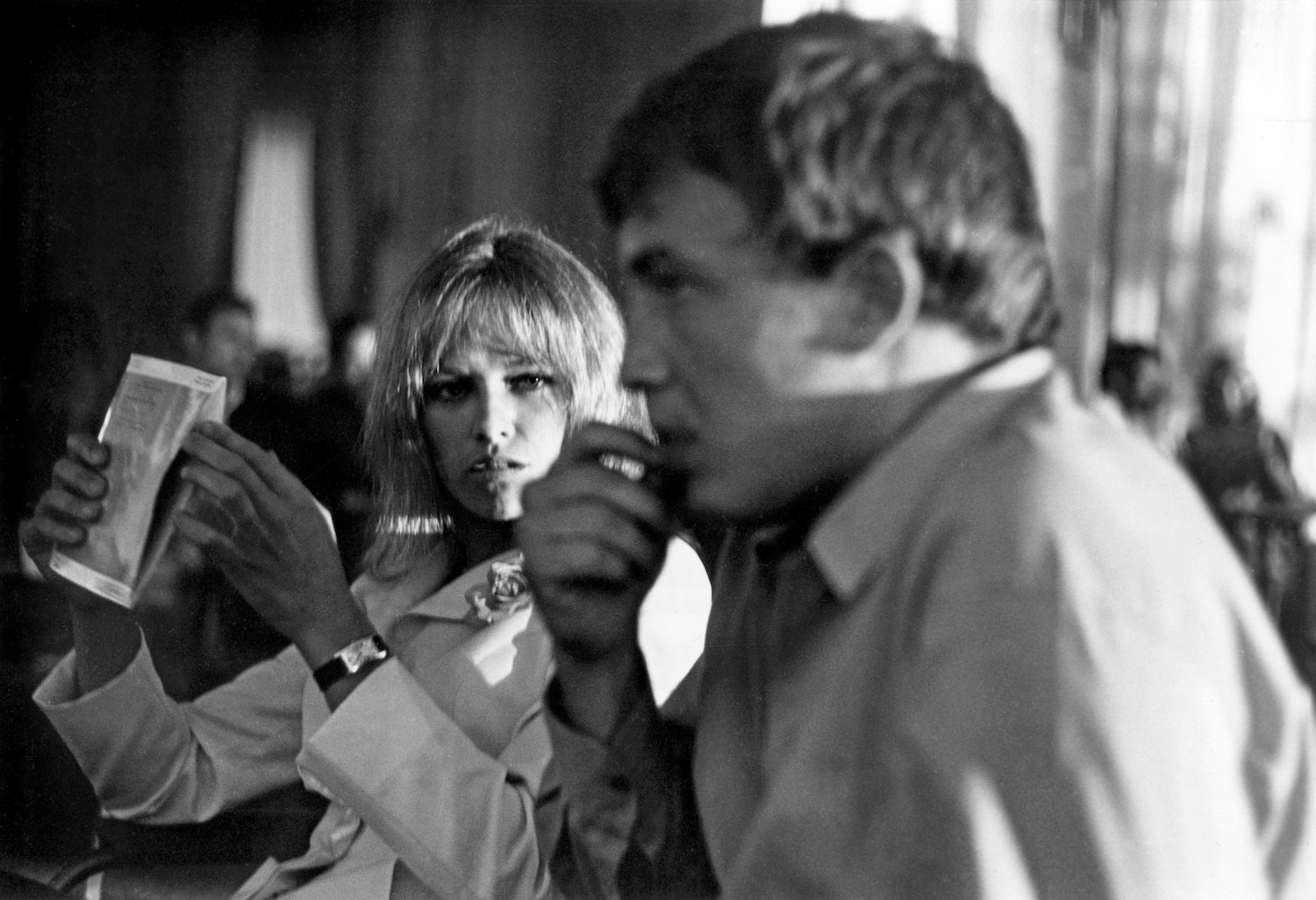
‘And even if that might surprise certain people, it didn’t mean I poked around in the rest of his life. I’m incapable of telling you exactly where Stevan got his money from.’
After dancing around the question of Markovic’s means of existence, the detectives change tack.
‘Who could’ve killed Stevan?’
The cicadas buzz outside.
Inside the villa: silence.
It feels scripted. Delon holds the moment, lets it breathe. Builds tension with absence.
Then finally:
‘I’ve absolutely no idea,’ he says.
Amar studies him. For a man whose close friend – someone who lived with him for years – has just been found violently liquidated, Delon is unnervingly composed. He speaks like his characters: only in essentials. Is this who he really is? Mute, unreadable, like Jef Costello in Le Samouraï ? Or is it a mask? A performance? Is he protecting something? Or someone?
‘We’ve heard that Stevan had a bit of a reputation as a playboy. Liked to flash the cash. Poker, parties . . . both male and female conquests. With that kind of success, surely someone might have grown jealous?’ Amar offers.
He wants Delon to like him. He can’t help it. The tone is confessional, almost friendly. You can trust me.
‘Among the Yugoslavs he was both loved and feared,’ Delon replies. ‘But Stevan wasn’t like them. He was top dog – top of the pack. Intellectually. Politically. His presence. His . . . physique.’
A beat.
‘Our relationship was different. I admired his personality. I appreciated his more heartfelt qualities.’
Then he goes cold again.
‘But our relationship ended when I left Avenue de Messine.’
‘So, you were no longer close?’ Blain asks.
‘No. He’d become indiscreet. He was no longer part of my life.’
The detectives let it hang. Try to read into what he’s really saying. They can’t.
‘When did you last see him?’ Blain again.
‘Beginning of August. In Paris. He was meant to come down for the shoot. Around the 25th. But he never showed.’
‘That didn’t worry you?’
‘He was old enough to look after himself.’
Delon is composed. Precise. No fumbling, no hesitation. The performance is flawless. Amar presses.
‘So that was the last time you heard from him?’
‘No,’ Delon says. ‘End of September, a certain “Uros” came to my office in Paris. I wasn’t there. My secretary patched him through to me here. He was panicked. Said Stevan had vanished. Said he’d gone to some kind of rendezvous – a card game with a “Monsieur François”. Said he saw Stevan get into a taxi with someone. Then . . . nothing.’
Delon makes a gesture with his hands. Gone.
The interview continues into the night. The detectives want to know more about this Uros. Delon tells them that the boy was paranoid. Suddenly, he shows up at Nathalie’s door saying he thinks he’s being followed and that he believes he’s in danger. Eventually, it was arranged for him to fly down to Saint-Tropez to see Delon, on 26 or 27 September.
‘He said Stevan had gone crazy,’ Delon continues. ‘That he needed money. That he was prepared to do anything to get it.’
‘Did he say what “anything” meant?’
‘He mentioned a drug deal. Said Stevan might’ve been mixed up in it. But no details.’
A telephone begins to ring in the hallway. All three men look.
‘Excuse me, gentlemen. Do you mind?’ Delon gets up.
They don’t.
He walks over, lifts the receiver.
‘Oui?’
He listens. Then gestures the detectives over. Amar picks up the spare earpiece.
It’s dead.
Delon begins repeating the conversation aloud.
‘The line’s bad . . . What did you say? He was what?’
The detectives exchange glances. The voice on the other end is loud, erratic.
‘Stevan was shot in the back of the head?’
Amar shakes his head.
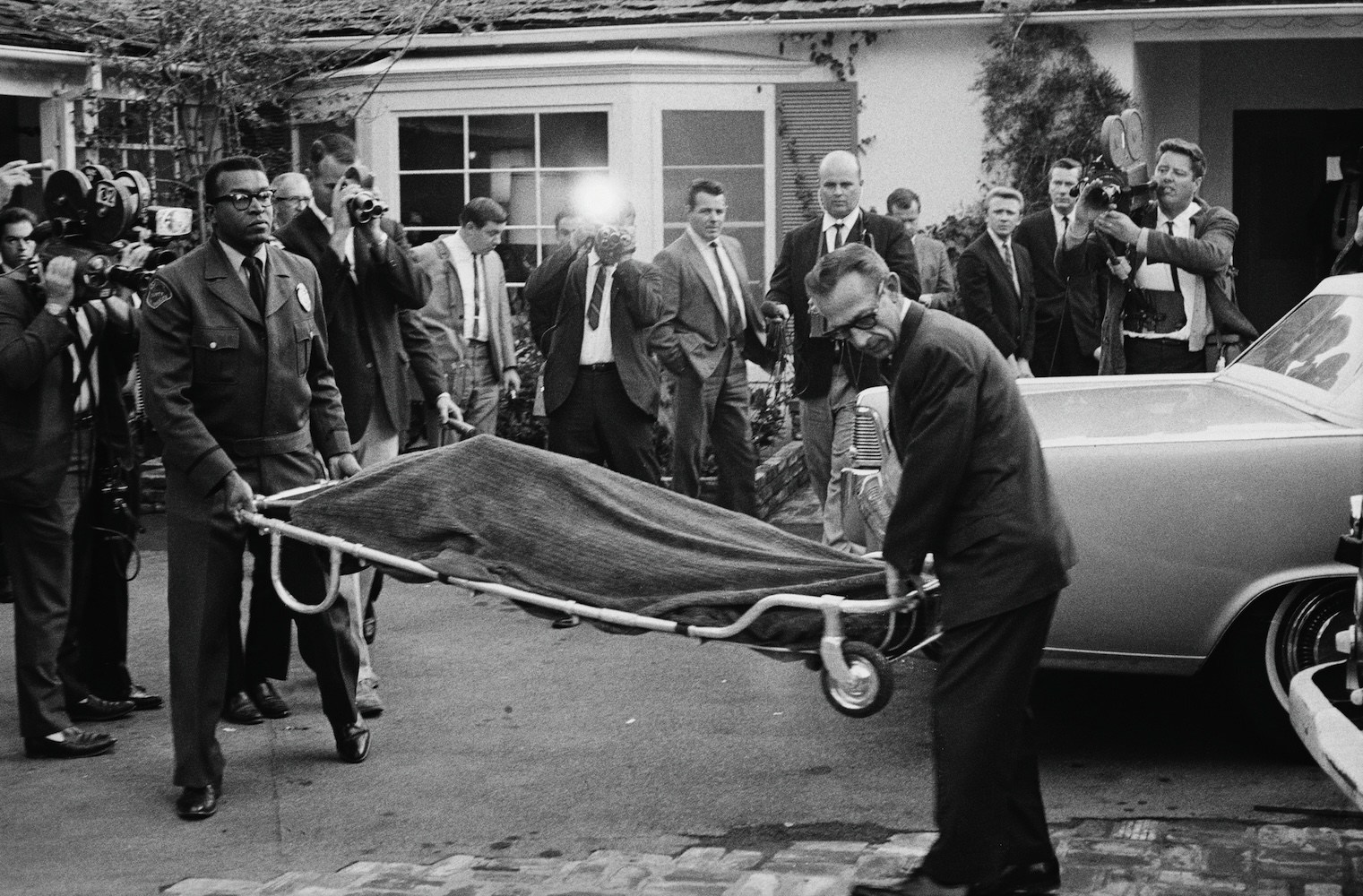
‘You saw the body?’ Delon repeats. ‘OK.’
There’s more heated shouting down the line until eventually Delon hangs up.
‘Who was that?’ Amar asks.
‘A cousin of Stevan’s. Djorge. He was angry – well, you heard that. He thought I had answers. He also said that Stevan was shot in the head. “All the Yugoslavians in Paris know it,” apparently.’
‘That’s nonsense,’ Blain replies. ‘The autopsy was clear: blunt trauma. No bullet.’
‘We’ve had others say the same,’ Amar adds. ‘I don’t know where they get it.’
The interview wraps just before 2am. Delon walks them to the door himself. A last flick of charm. Or control.
As he strides ahead, Amar suddenly remembers. He fumbles in his file and then pulls out the photos.
‘One last thing, Monsieur Delon. When Stevan was found, he was wearing these clothes. English made. Expensive. Any idea if he’d been to England?’
Delon studies the photos. Then looks up.
‘Stevan? No. But those clothes – they’re mine.’
The door shuts behind them.
No encore. No applause. Just the wide-open night.

More Like This

This article appeared in an InsideHook newsletter. Sign up for free to get more on travel, wellness, style, drinking, and culture..