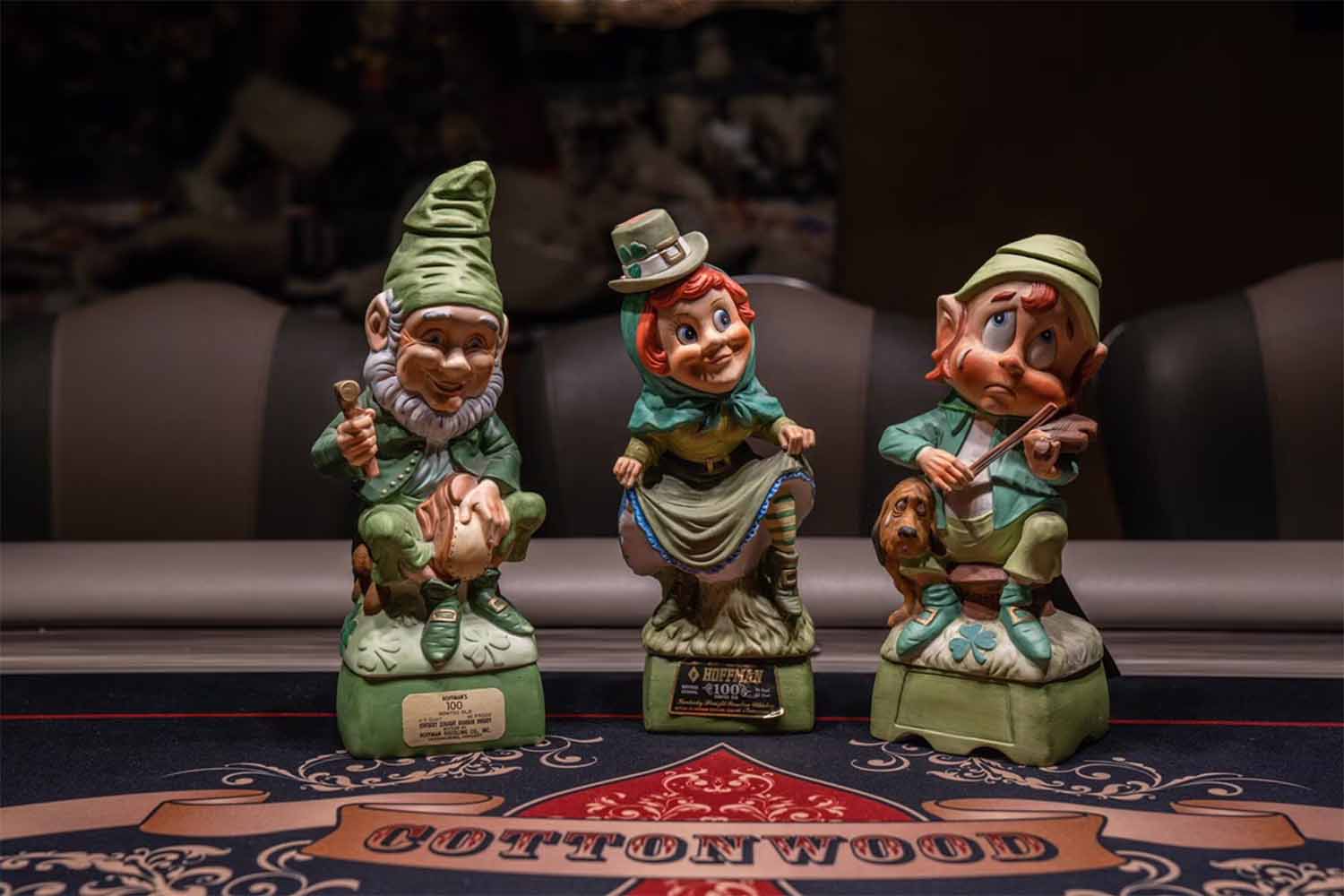
Uncle and nephew duo Andrew English and Zac Joseph crested the quiet, two-lane Highway 44 and dropped down into the holler responsible for several of the world’s best bourbons. Their eyes quickly met the ramshackle building of bourbon lore. A rusted tin tower on the right signified the former distillery, and a vine-covered, cinder-block office awaited. Stepping inside, the broken grins of discarded Hoffman Distillery leprechaun decanters welcomed them from a pit. Ten feet into the room, the floor had given out and collected the old ceramic in a graveyard of bourbon’s kitschy past.
This was the Commonwealth Distillery, the site where Julian Van Winkle III once reclaimed his family’s brand and bottled the most sought-after bourbons on earth. In 2002, he formed a partnership with Buffalo Trace and moved out. Now, it was home to Lou DeFino, a Vietnam-serving Marine with a sign-making shop on one side, an apartment on the other and the pit of leprechauns in the middle. English and Joseph had a deal in mind for DeFino that would restore bourbon’s sacred ground.
“Seeing the history in the building, the old labels and decanters gathering dust, we felt compelled to preserve the history and this sacred place,” English says. “We just knew this place had more left to give.”
For a spirit built on heritage and myth, it’s baffling that such hallowed ground for bourbon could sit in neglect for so long. In fairness to DeFino, it was run-down in Julian’s time, too — he described it as “a rat trap.” But now, the site is coming back to life, and the new stewards are bringing long-lost bourbon brands with it.
Since taking over, English, Joseph and their team have revived Old Commonwealth 10 and Kentucky Nectar, as well as a pair of ultra-rare labels from Van Winkle’s tenure: Colonel Randolph 16 and D.H. Cromwell 15. Although Old Commonwealth is what’s called a non-distilling producer (NDP) — meaning they purchase barrels of bourbon rather than distill their own liquid — their work is a blend of honoring bourbon’s past and innovating its future. Kentucky Nectar, for example, is now a honey cask-finished wheated bourbon.
“People think NDPs simply find a barrel and bottle it — there’s way more to rectifying it,” says English, referring to the finishing steps, such as aging in a second barrel or blending. “Kentucky Nectar and Old Commonwealth 10 Year took a year of R&D. We were finding the perfect barrels, dialing-in the perfect honey finish levels, optimizing honey barrel aging temperatures and landing on the best proof points.”
The results thus far have ranged from impressive to stunning.
The idea to build today’s Old Commonwealth came from a revelation delivered by dusty bottles. English, Joseph and family friend Troy LeBlanc had evolved from bourbon enthusiasts to collectors when they found themselves staring at two nearly identical bottles of Van Winkle bourbon. One was priced at $3,000, the other at $7,000. “The only difference was where it was bottled,” English says. “The more expensive one came from the Commonwealth Distillery.”
That moment led him to the near-forgotten distillery in Lawrenceburg, Kentucky’s bourbon heartland, also home to Wild Turkey. Three years later, English, Joseph and LeBlanc own the place and several of the brands it once produced. Currently, bottling takes place on-site, and a visitor center is slated to open in spring 2026.
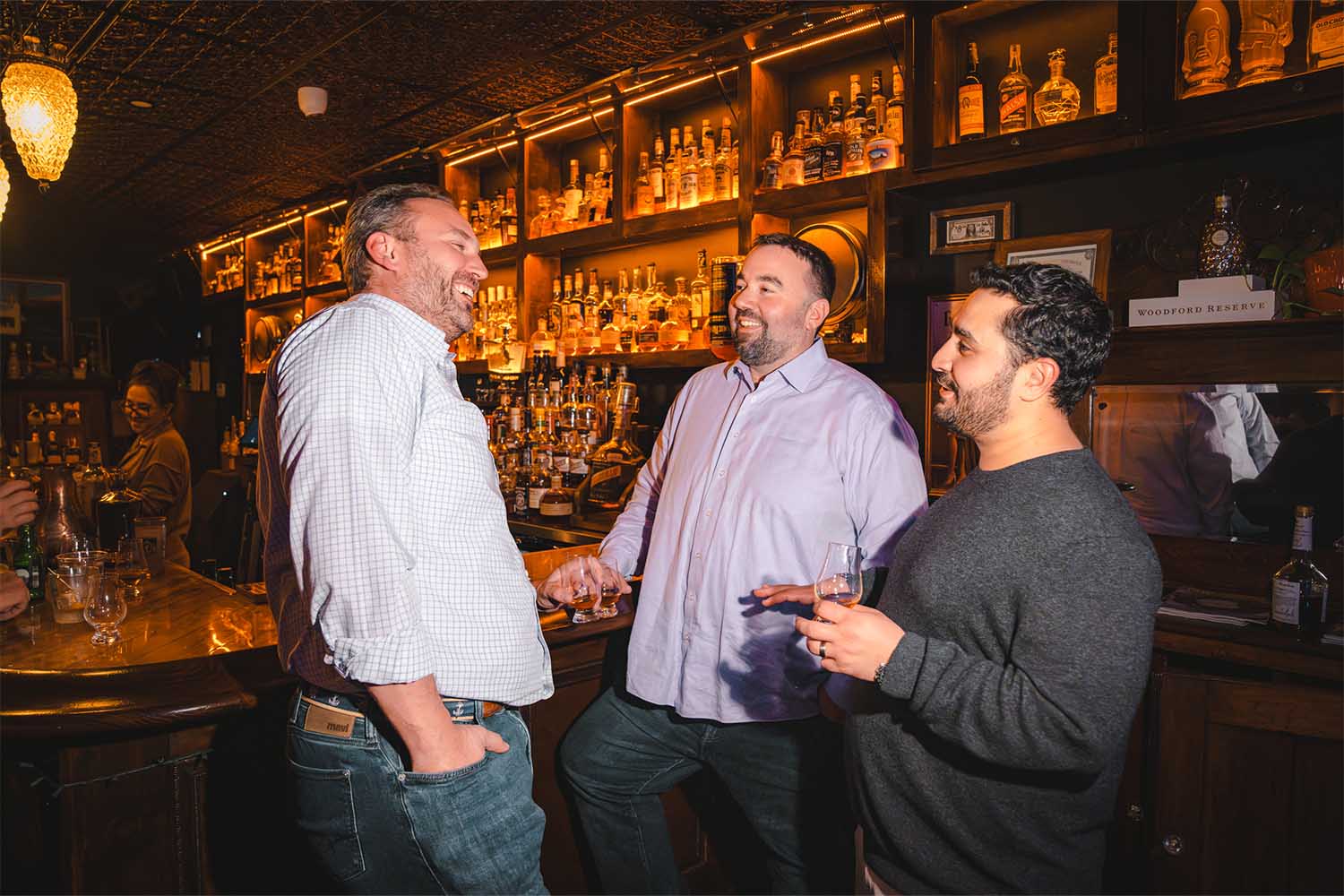
“We want people to come here and understand why this piece of land matters,” English says. “We’re telling the story through the bourbon.”
The rebirth of the Van Winkle family’s bourbon is merely one chapter in this distillery’s intriguing saga. The site was founded in 1889, soon becoming the Hoffman Distilling Company and shipping its barrels on the Salt River that runs through the property. After Prohibition, brothers Robert and Ezra Ripy — of the same Ripy family that founded Wild Turkey — expanded the site, launching the Ezra Brooks label in 1957 to compete with Jack Daniel’s.
“Pappyland” Will Make You Rethink Everything You Know About Whiskey
Wright Thompson’s tale of the Pappy Van Winkle legacy is both a beautiful affirmation and deconstruction of the cult bourbon mythologyAs bourbon’s market shrank in the 1970s, the distillery survived on novelty decanter sales, producing many variations of those leprechauns that would later greet English and Joseph. Hoffman held out until it was forced to shutter in 1979, and the distillery lay dormant until a struggling Julian Van Winkle III moved into the beleaguered site four years later. There, he brought in barrels — including many from the Stitzel-Weller Distillery his family previously owned — and bottled them under the Old Rip Van Winkle and Pappy Van Winkle brands. In addition to his namesake whiskeys, he also produced white-label bourbons for stores, single-barrel releases and export-only brands like Old Commonwealth, D.H. Cromwell and Colonel Randolph.
Resurrecting whiskey brands that haven’t seen a fresh bottle in 20 to 50 years demands scientific precision matched with artisanal intuition. The team approaches each revival like archaeological bourbon work, studying original bottles, tracking down former collaborators and sometimes reverse-engineering a vintage whiskey’s flavor profile.

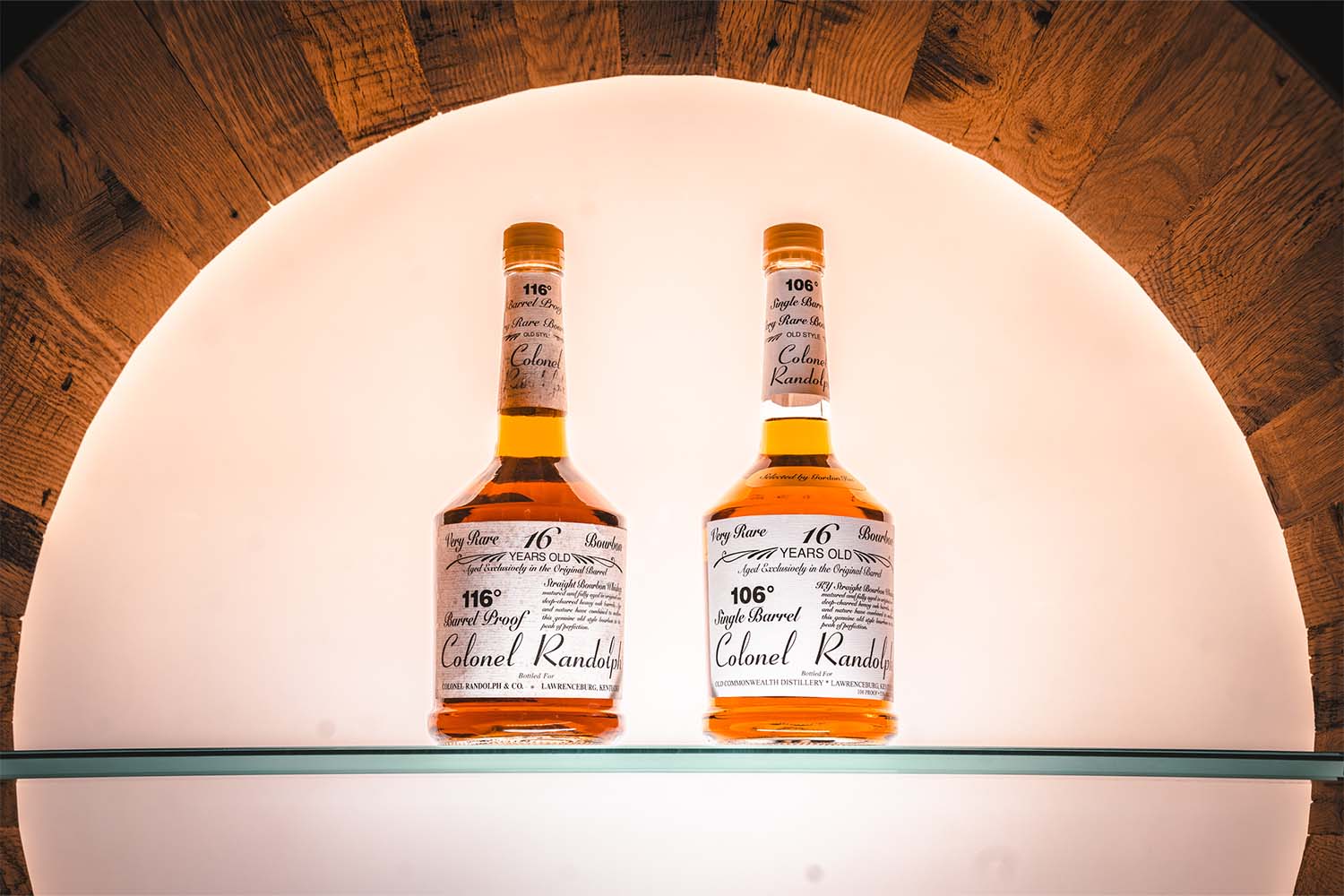
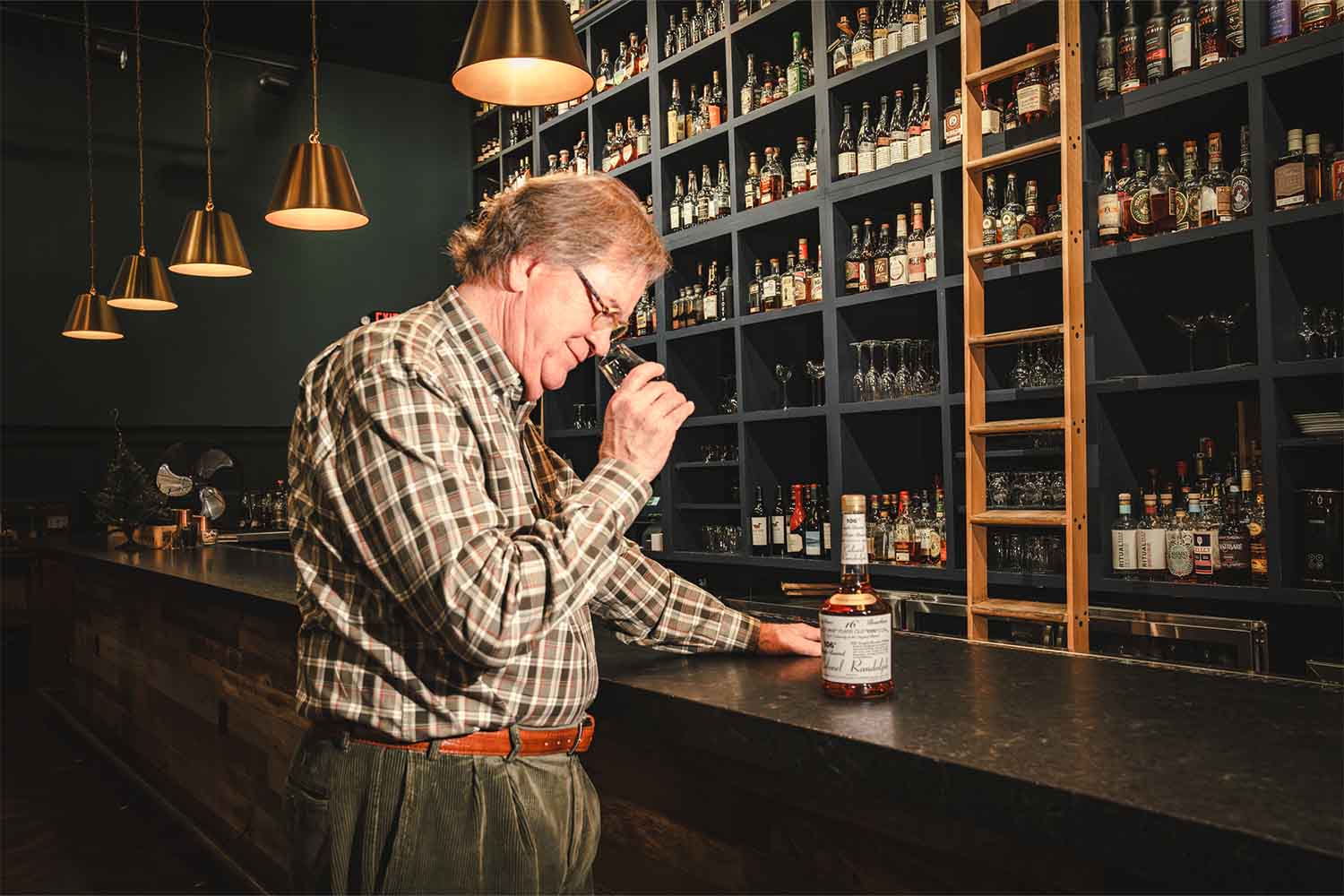
While their flagship Kentucky Nectar doesn’t resemble its 1960s bottled-in-bond counterpart, the limited Colonel Randolph 16 release strikes much closer to its original form. The brand was created by liquor store owner Gordon Hue as a premium export for a Japanese department store in the early 1990s. Hue sourced barrels from Pennsylvania, and most of them became the legendary A.H. Hirsch for American markets, but about 50 cases of 116-proof Colonel Randolph 16 crossed the Pacific.
In recreating this deep bourbon cut, Old Commonwealth brought Hue back into the fold to select a 16-year-old single barrel with the same mash bill. The result is a sublime medley of cherry, crème brûlée, honey, butterscotch, melon and popcorn. And while Old Commonwealth 10 departed from Van Winkle’s gentler wheated recipe, its rye-forward mash bill delivers bold yet harmonious flavors reminiscent of sipping 107-proof Old Rip Van Winkle 10-year, but with a dusty edge.
The long-term vision for Old Commonwealth includes new rickhouses built along the Salt River. The site, after all, was chosen 140 years ago for its ideal whiskey-aging geography. English says the surrounding valley creates a microclimate that’s five degrees cooler than the surrounding region and greater temperature swings that help coax spirits in and out of barrel staves.
Next year, Old Commonwealth will open to the public. Visitors will be able to sip rare pours and cocktails on a patio overlooking the Salt River, browse vintage bottles, and walk through a bourbon story more intimate and intriguing than any corporate tour. VIP tastings will occur in immersive, theatrical rooms themed to match rare pours — think a recreation of Dirty Helen’s Milwaukee saloon for D.H. Cromwell tastings, or a 1990s Tokyo department store setting where Colonel Randolph bottles were once sold.
The community response to the Old Commonwealth reopening has been overwhelming. “I can’t say the number of times we’ve been out there working and somebody stops by to say, ‘Hey, thank you for preserving this. My dad worked here. My grandmother worked here. I remember being a kid and stealing what was left over in a barrel out of the back door,’” English says.
DeFino still stops by regularly, checking on the place he occupied for nearly two decades. He also made the building’s new signs. And while visitor center construction presses on, Old Commonwealth has more resurrections in the pipeline. A yet-to-be-revealed label will launch this fall that spans both the Van Winkle and Hoffman eras, and two additional releases are planned for winter. Some bottles reach retail partners across Kentucky, and others will drop direct-to-consumer in online releases.
Old Commonwealth has years of work ahead to reach its full potential. But already, the broken leprechauns have been cleared out, a bottling line is running and this holler on the Salt River is once again turning out whiskeys worth talking about decades from now.

More Like This
This article appeared in an InsideHook newsletter. Sign up for free to get more on travel, wellness, style, drinking, and culture..