Usually, when we think of dysmorphia, the mind goes straight to the bodily kind. But as it turns out, dysmorphia comes in all sorts of flavors — travel included.
According to a new study from Talker Research on behalf of Scenic Group, nearly seven in 10 Americans suffer from “travel dysmorphia,” defined as the feeling that they haven’t seen enough of the world compared to others. A survey of 2,000 U.S. adults, evenly split by generation, found that less than half are satisfied with how much they’ve traveled in their lifetime. And, unsurprisingly, the culprit is social media.
Over a third (35%) of respondents said friends’ and family members’ travel posts trigger those feelings, while another 32% pointed to travel conversations with peers. Among Gen Z, the effect is even sharper: 47% said influencer and YouTube content contributes to their travel dysmorphia, and more than half (55%) admitted that social media makes them feel “behind” in life overall. More than a quarter of both Gen Zers and Millennials also confessed to feeling embarrassed about their travel experiences, or lack thereof.
The main barriers respondents cited were cost, work commitments, family responsibilities and sheer logistical fatigue — all of which, as a Senior Gen Z (read: Millennial), I can absolutely relate to. Honestly, even more so now than when I was Gen-Z aged. These days, it feels like leaving the house requires a small fortune. Shelling out what little disposable income I do have on a big trip is often incredibly guilt-inducing, especially with student debt still looming.
But here’s the thing that often gets lost: quantity and quality are not mutually exclusive. The idea that the former counts more than the latter is exactly what fuels dysmorphia in the first place, when in reality there’s just as much value in knowing a few places deeply as there is in skimming the surface of many.

The Journey by InsideHook
Join over 100K travelers seeking trip ideas, the latest travel news, and all the inspiration you need for your next vacation.
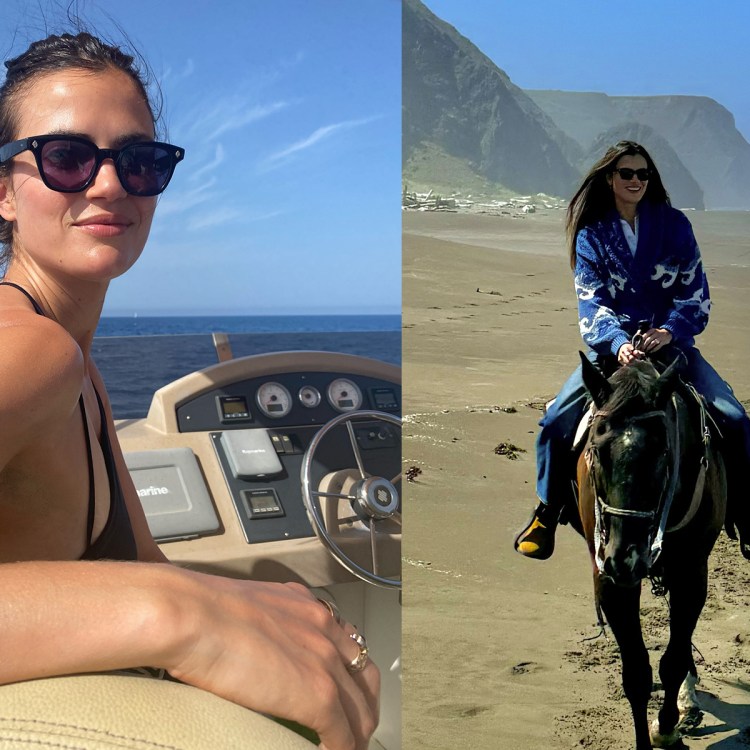
And an even bigger thing: social media isn’t real. By design, it doesn’t reflect the realities of people’s lives — it’s curated to leave an impression. No one is posting the boring or the bad. The mom influencer shows her kids when they’re smiling, not when they’re melting down in the middle of Target. And if someone posts exclusively about their travels, it will inevitably create the illusion that they’re constantly on the move.
Others are even more disingenuous when it comes travel. Numerous influencers have been caught staging entire vacations — renting props, borrowing designer luggage and drip-feeding old photos to stretch a weekend getaway into months of “content.” In those instances, it’s less about the trip itself and more about projecting a jet-set lifestyle convincing enough to keep followers engaged, but, unfortunately, that’s where travel dysmorphia really takes root — when the curated version of someone else’s life starts to feel more real than your own, even if it was never real to begin with.
Of course, some people really do travel a lot. But for many young people, it comes at a cost. They make tradeoffs, because they believe the chance to travel outweighs whatever they’re sacrificing. Plenty are even going into debt to make it happen. Personally, I wouldn’t call that “being ahead.”
At the end of the day, travel dysmorphia is just another byproduct of the comparison game. The world will always feel bigger than our ability to see it, and that’s okay. Don’t waste time chasing someone else’s highlight reel.

More Like This
We're always on the scene eating, drinking and traveling near and far to bring you the best of what's happening out in the real world. Sign up for IRL now.