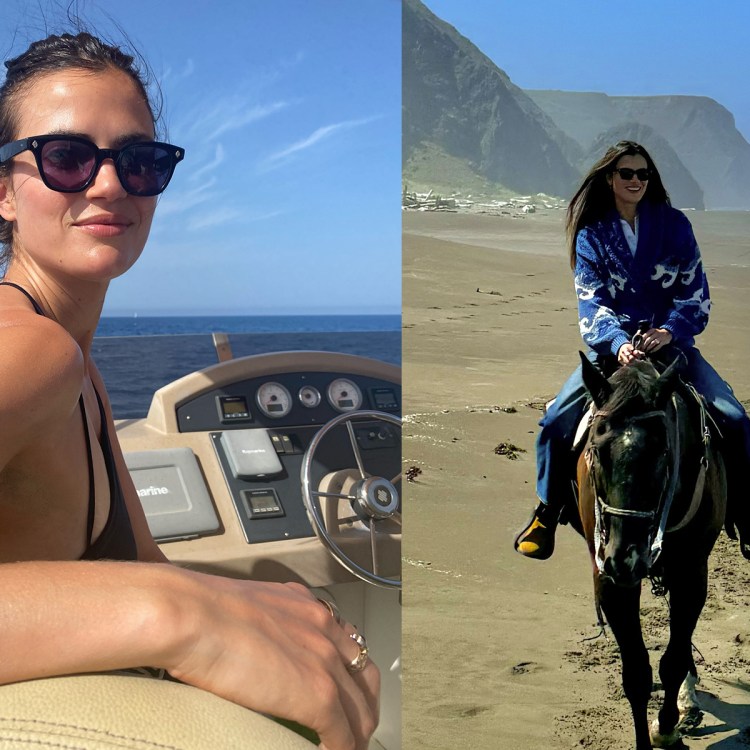
Influencer-led travel is having a moment. According to The Times, these group trips, often organized by content creators in partnership with companies like TrovaTrip and Plotpackers, are booming. The model is simple: influencers curate an itinerary, promote it to their followers and sell spots on the trip. Oh, and the Instagrammer, YouTuber or TikToker comes along, too.
These trips are sold under the banner of community, connection and “once-in-a-lifetime” access. But they’re also a monetization tool — another revenue stream in the influencer economy.
This trend didn’t come out of nowhere. Travel influencers started gaining serious traction a decade ago, and in the years since, they’ve carved out a real foothold in the industry, specifically with Gen Z. And who can blame these young travelers? This is a generation raised on smartphones and social media, shaped as much by online personalities as Boomers were by JFK. Now, as they enter adulthood and start planning their own bucket-list getaways, it makes sense that they’d look to those same voices, and trust them enough to spend real money.
Here’s where I start to take issue. I’ve long been skeptical of most travel influencers. Many — not all, but many — come off as disingenuous at best and irresponsible at worst, and those tendencies appear to extend to these trips. Case in point: in July 2024, the influencer Molly Thompson led a 16-person trip to Bali, charging £1,410 (about $1,890) per person, as The Times detailed in its story. I don’t know much about Thompson personally, so I won’t speculate on her platform or intentions. But what I can say is that, at the time, Bali was already buckling under the pressure of overtourism. A surge in both international and domestic arrivals was straining the island’s infrastructure, natural resources and local culture — a reality well known to anyone even loosely tied to the travel industry.

The 100 Best Travel Products
Editor-approved essentials that’ll make your travels betterThere’s nothing inherently wrong with leading group trips. Regenerative tourism is gaining momentum — a practice where travelers leave a destination better than they found it — and someone like Thompson could, in theory, be well-positioned to support that shift. But according to The Times, her trip itinerary included snorkeling, temple tours and sacred monkey forests, with “photo opportunities aplenty.” That doesn’t exactly scream sustainability.
And perhaps my biggest gripe of all is that it takes money directly out of the pockets of the local guides and operators whose livelihoods depend on tourism. These are the people who, not for nothing, know the destination better than anyone, and whose work is rooted in a genuine connection to place. When their role is replaced by an influencer’s branded package, it’s not just the local economy that suffers, it’s the quality and authenticity of the travel experience itself.
There is research to suggest that influencers who are passionate about environmental issues can encourage their audiences to travel more responsibly. A recent study out of Penn State’s School of Hospitality Management found that influencers can play a role in promoting pro-environmental behavior. But that doesn’t seem to be the primary goal for these influencer jaunts. The goal, at least from where I’m sitting, is content and monetization.
Look, I’ve visited over-touristed destinations, and I’ve posted plenty of photos of myself. But I try to be thoughtful about my footprint and where my money is going. If I’m booking a tour or traveling with a guide, I do the research. If my dollars are going straight into someone else’s pocket, I want it to feel like a net positive for the location I’m visiting.
For me, influencer-led travel seems like a great way to fuel the fire of overtourism. Sure, everyone gets the shot for social, but it’s the destination that pays the price.


We're always on the scene eating, drinking and traveling near and far to bring you the best of what's happening out in the real world. Sign up for IRL now.