Human beings have been getting tattooed for more than 5,000 years. We know this because Ötzi the Iceman was sporting ink circa 5,300 years ago. Given that it’s unlikely we found the very first dude with a tattoo — not to mention that myriad early civilizations spanning the continents developed their own tattoo systems and an entire culture surrounding them — it’s a safe bet that the practice of tattooing dates back much further. Indirect evidence points to tattoos being at least several thousand years older than that, if not more.
Such a lengthy and far-reaching history indicates there’s a deep-set and innate human desire to share a part of one’s personal story with the world, to express oneself with a permanent visual representation of important beliefs or cherished ideals. The purposes of tattoos over the millennia have ranged from conveying social status, sharing familial ties and history, declaring religious devotion or invoking spiritual protection, and, eventually, deciding something looked rad as fuck on your bicep, bro.
There’s an incredible diversity of traditional tattooing methodologies that have developed, too. Hand poking with needles, tapping with wooden tools and sharp implements carved out of ivory tusks or teeth, and carving with knives are a few of the most well-known. But anything that could apply some type of ink or dye into human flesh has probably been practiced by one culture or tribe or another.
Such traditional forms of tattoos aren’t relegated to the past, either. You can even spend your time traveling the world for tattoos, ensuring you come back with a souvenir that’s a whole lot more meaningful than that I ♥️ NY shirt you were thinking about. Hear me out: What about an I ♥️ NY tattoo? Now we’re talking. Here are five traditional tattoo styles from around the world that are still being practiced today.
5 Tattoos From Around the World

Tebori
Practiced in: Japan
Methodology: Hand-carving
Originated: 17th century
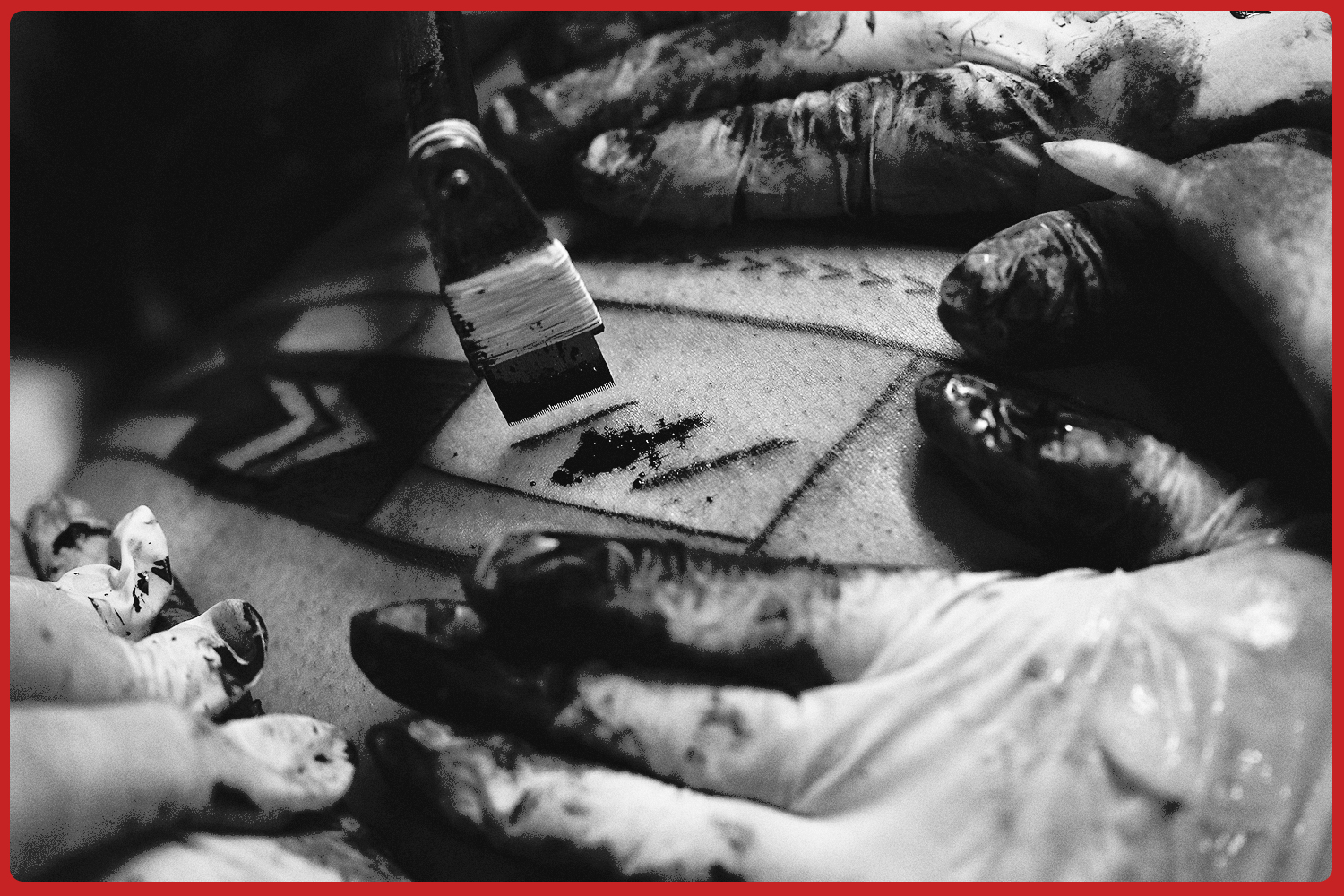
Tebori, which translates to hand-carved, is a form of Japanese tattooing that originated in the 17th century amid the Edo era, though evidence of tattooing in Japan stretches back thousands of years. The practice is one form of traditional irezumi, referring to Japanese tattoo artwork on the whole, often inspired by the artistic craft of woodblock printing.
To perform tebori, a master in the discipline — designated by the prefix “hori,” indicating “carving master (I’ve been privileged to work with the renowned Horimitsu in Ikebukuro, Tokyo more than 10 times) — applies ink via a grouping of several needles that creates a knife-like implement affixed to a narrow, handheld grip. If the experience is a bit harrowing for some, the resulting colors are remarkably vibrant and long-lasting, the work is far more precise than you might envision, and the recovery process is often less intensive than tattoos performed via modern tattoo guns.
Tattoos have a complicated history in Japan, as they were once used as permanent scarlet letters for criminals. The yakuza ingrained tattoos into a direct representation of criminal culture. Tattoos were eventually banned but have since slowly reentered society since World War II. Travelers to Japan today still need to be mindful of the stigmas that tattoos have, especially to older generations and in more remote parts of the country. You still won’t be able to visit public onsens if sporting tattoos.
Tātau
Practiced in: Polynesia
Methodology: Tapping tools
Originated: About 2,000 years ago
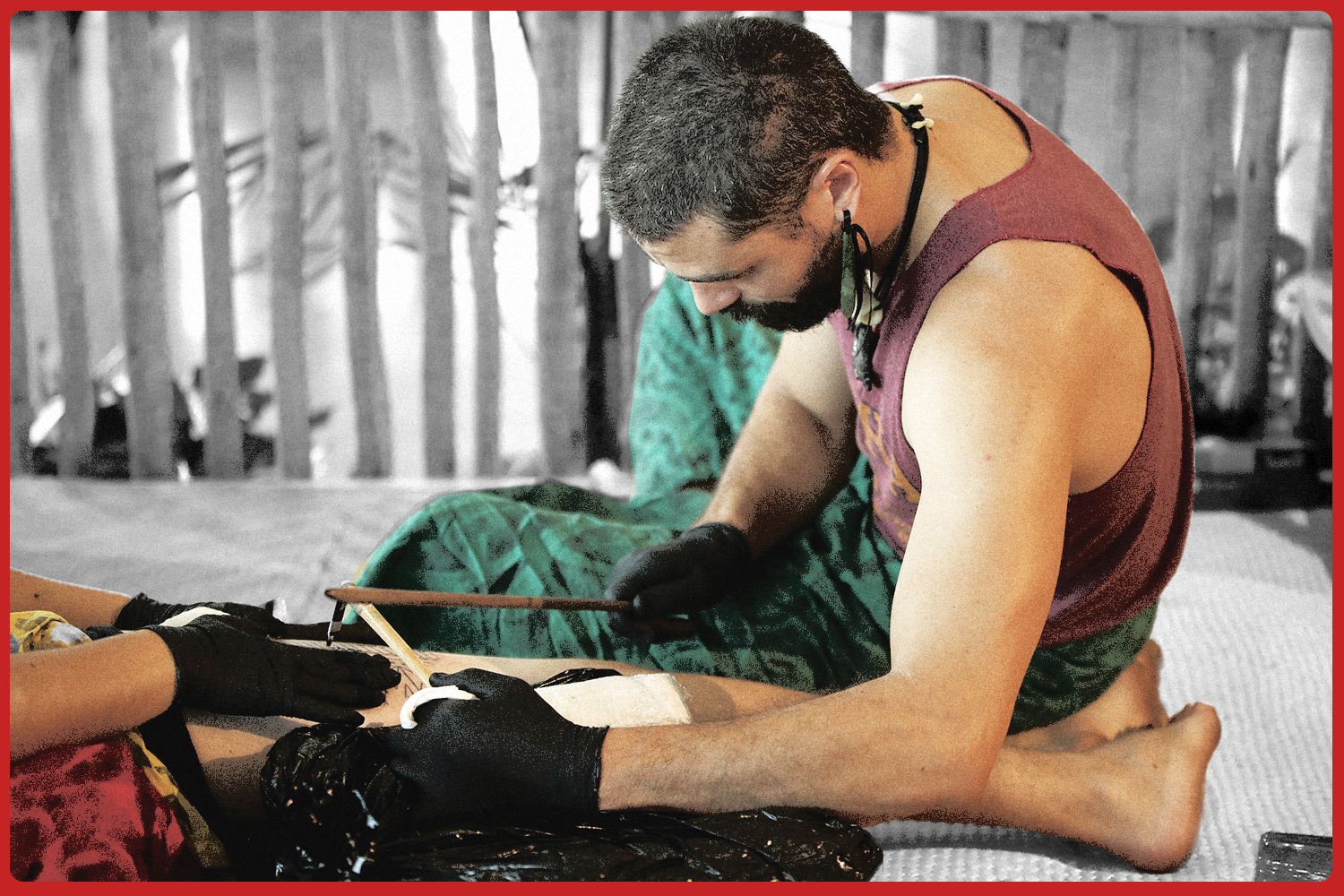
Polynesian culture developed the craft of tātau — which, yes, is where we obtained the word — or “to make marks by striking,” about 2,000 years ago. It’s said to have come with the forebears to Polynesians themselves when they migrated to the vast sprawl of the oceanic islands from Asia and elsewhere.
Tātau were often given as important rites of passage, including coming-of-age or marriage rituals, and were also used for spiritual protection. Displaying family history and ties within a tribe and community were also important applications. Chisel-like implements are crafted from bone, teeth and tusks and affixed to the end of a narrow handle. That handle is then hit by another potentially heavier one, creating a seesaw like movement that applies ink to the body.
Tātau is an overarching categorization — Tahitian, Hawaiian, Marquesan, Samoan and Māori (see below) tattoos are each considered separate disciplines.
Tā Moko
Practiced in: New Zealand (Aotearoa) by the Māori
Methodology: Tapping tools
Originated: 13th century
The Māori are descendants of Polynesian settlers who first migrated to Aotearoa in the 1200s. They brought with them the culture of tātau, and it continued to be practiced with much the same methodology in their new home.
Māori tā moko then evolved to have its own meaning and style, much as their culture on the whole became a distinctive offshoot from Polynesia. Hand-crafted uhi, or chisels created from bone and teeth, are used to apply ink via tapping on a handle with a second wooden implement. Despite how that sounds, this is often less painful than modern tattooing.
Traditional Moko were given to women on their lips and chins, while men received them on their faces and legs, although other parts of the body were used for both sexes as well. Moko are representative of social status and family history and are therefore highly specific and tailored to the individual.
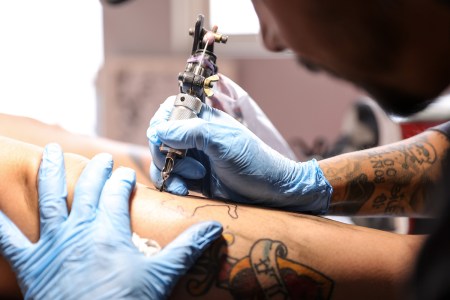
Tattoos Are the Best Travel Souvenirs
Can you think of a better way to memorialize a trip?
Sak Yant
Practiced in: Thailand, Cambodia and neighboring regions
Methodology: Hand-poking via bamboo needle
Originated: 9th century
Sak yant (sometimes spelled sak yon, or sakyant) originated during the Khmer Empire. It renders moot the idea of whether the practice is Cambodian, Thai or even Laotian because the expression comes from the Khmer language at a time when the entire region was under the empire’s dominion. Each modern country also continues practicing Theravada Buddhism.
The words sak and yant together can be translated loosely to a sacred blessing given by tapping, or more succinctly, a sacred blessing tattoo. The art was practiced by Buddhist monks, with geometrical shapes and prayer incantations given to impart different types of spiritual protection and belief. Receiving the tattoo may be one part of a larger blessing or religious ritual, part of which included making an offering.
Sak yant is a form of hand-poking, though perhaps more intensive than you may be envisioning. A long, thick needle is placed at the end of a sturdy bamboo rod, or today perhaps a metal implement, and the hand-poking is performed more akin to the motion of shooting a small billiards cue between one’s fingertips rather than holding a narrow needle in one hand and making small, direct poking movements.
More broadly, hand poking or stick and poke tattoos originated amid many cultures, eras and geographic regions. The style is the most common and perhaps rudimentary form of tattooing in the sense that it may be the easiest to come up with or even try your hand at (just ask your drunk freshman year roommate, right?). Though it does vary greatly depending on where and when it was being put to use and by whom.
Batek
Practiced in: Philippines
Methodology: Tapping tools
Originated: 15th century
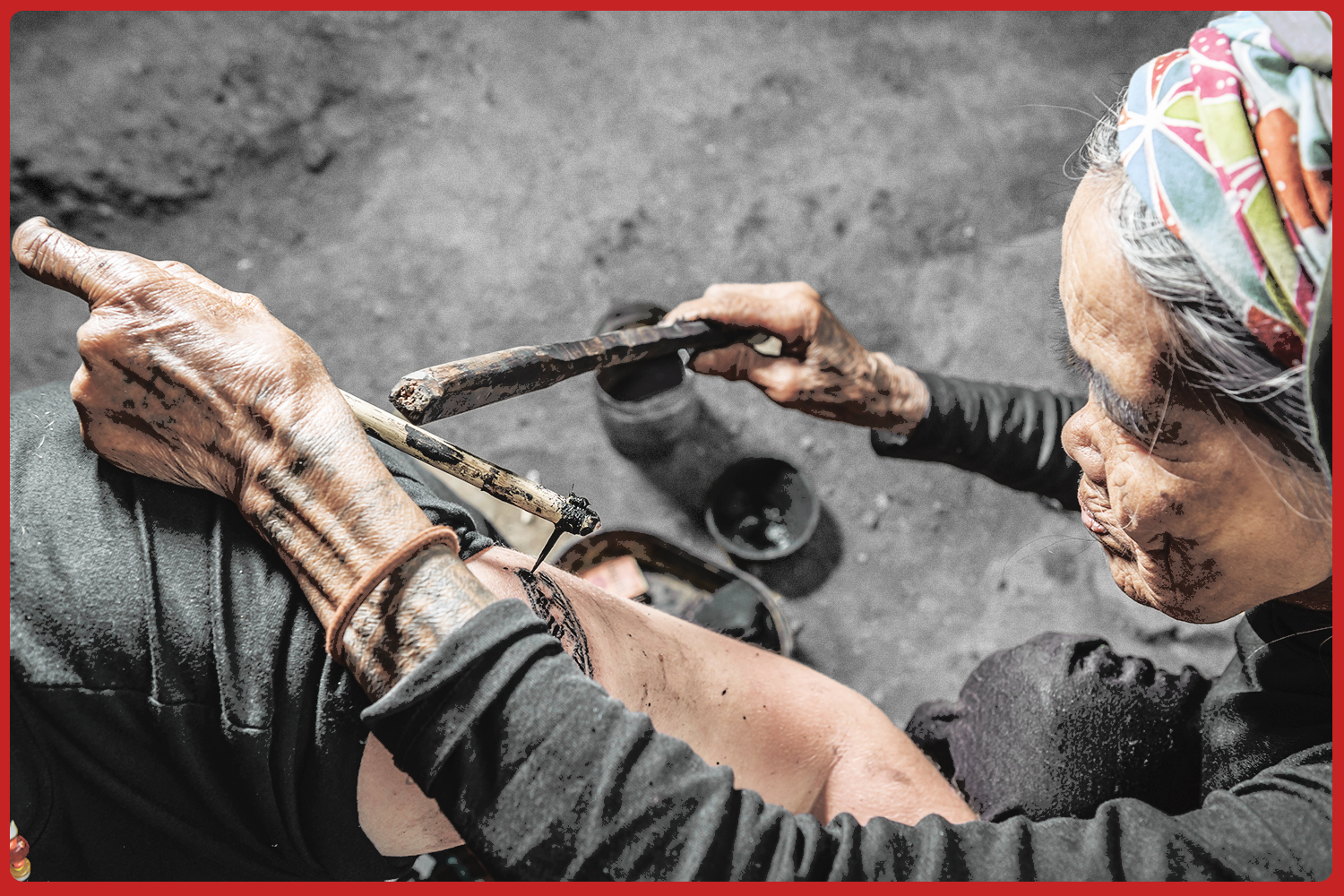
Tattoos were found to be widespread across the Philippines by the time the Spanish arrived in the 1500s. Batek — which may also be known as batok and translates to “to hit” or “to strike” — is therefore at least this old, though likely quite older. It was widespread by this time, with distinctive tattoo symbology and meaning from one tribe to another, while overall evidence of tattoos on the islands stretches back nearly 3,000 years.
Batek tattoos are ceremonial and performed via tapping tools. Geometric motifs and representations of animals, often those seen as having traits such as strength or wisdom, were common designs. Myriad patterns and shapes were used to denote family ties or even personal achievements and social status.
Many of the above tattoo methodologies and the culture surrounding them faded away in the modern era. This was never by accident and tended to be the direct result of religious missionaries and cultural eradication. However, from New Zealand to India, Tahiti to the Philippines, dedicated practitioners have reemerged and are working to share their culture and their people’s ancient crafts and stories with a modern world.
When done with respect and intention, you may even be able to receive authentic renditions of such tattoos yourself. But just as you shouldn’t get a Chinese hanzi or Japanese kanji character unless you’re really sure it means what you think it does, you shouldn’t request a traditional design in any of the above styles from a practitioner who doesn’t represent those people and practices. Copying a design you’ve seen in a photo and getting it done on yourself may be “copying” that individual’s history, family or beliefs. Authentic designs tend to be created as a result of one-off consultations, with the explicit approval of a culturally-attuned artist, most of whom work with their traditional tribes and communities to bring the art forward.
All of this only scratches the surface (pun intended), of course. Tattoos were practiced by the Vikings, by the Native Americans and Inuit, by the Egyptians and Nubians, and more. It’s as human as anything else we do. Good luck telling that to your parents when you come home with your first one.

More Like This


We're always on the scene eating, drinking and traveling near and far to bring you the best of what's happening out in the real world. Sign up for IRL now.