“Let’s convert our disadvantage into our advantage.”
It’s May, and I’m sitting in a barrel-aging cellar with Carlos Camarena at Tequila Ocho’s new(ish) Los Alambiques distillery in Arandas, about two hours outside of Guadalajara, Mexico. As the co-founder and maestro tequilero of Ocho, Camarena is leading a tasting of six different expressions of his tequila with a small group of friends and media. The distillery dog, Ocha, is nuzzled under my seat.
Six is a lot. But that’s six samples out of nearly 50 tequila releases that have been produced at Los Alambiques. You see, Ocho never releases the same expression twice. So while there are blancos, reposados, añejos and whatnot, each expression changes year to year, based on the agaves they harvest.
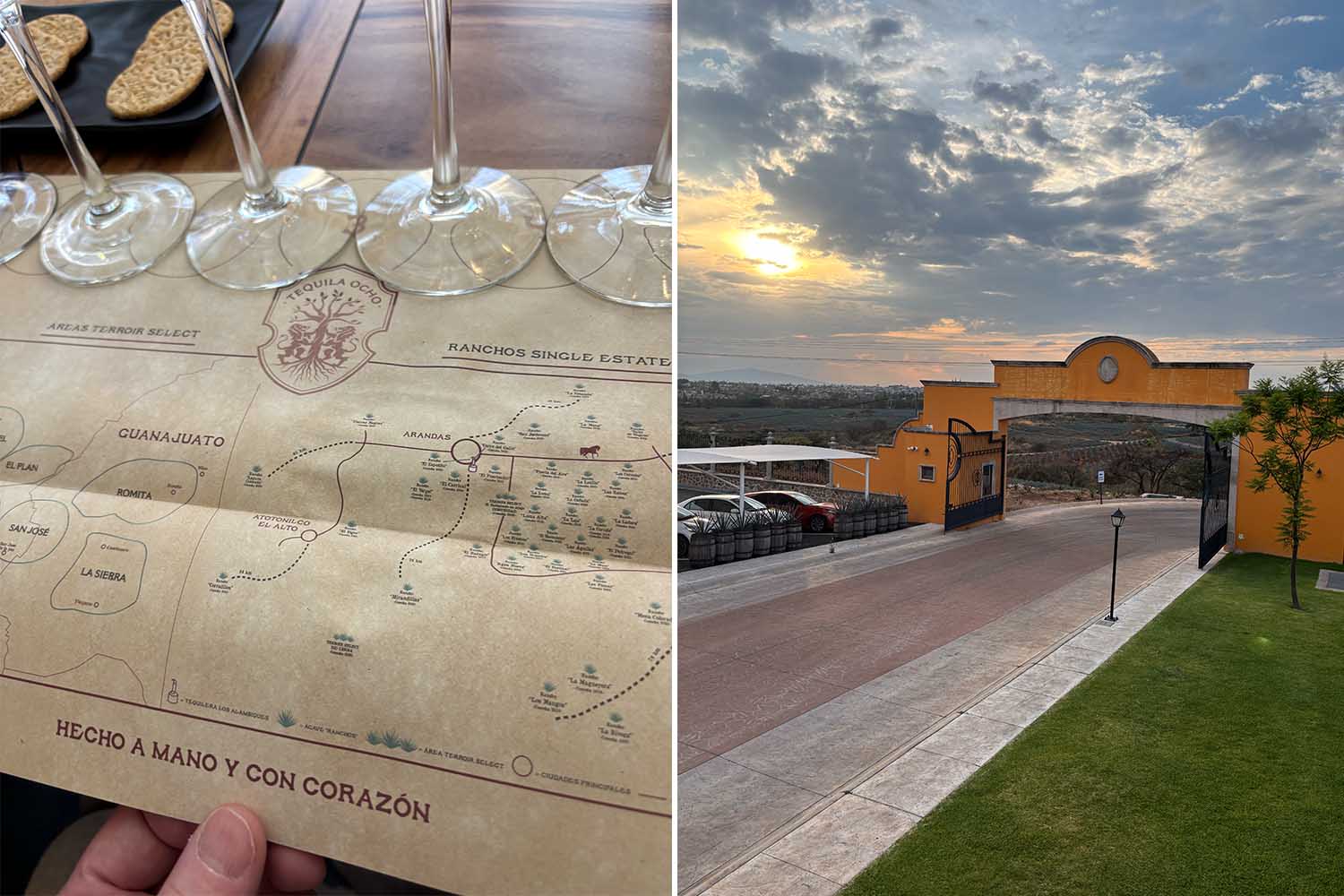
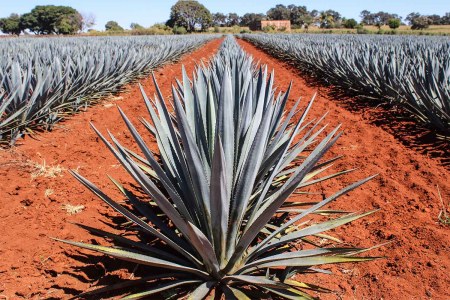
“We have only three raw materials in our tequila: water, agave and yeast,” Camarena says. “The only variable we can really control is the agave. So we grow our own.”
Ocho was launched in 2008 by the late Tomas Estes, a restaurant/bar owner who helped popularize tequila in Europe, alongside Carlos, a fifth-generation agave farmer and third-generation tequilero (various Camarena family members are active with G4 and El Tesoro, two other fantastic and coveted tequilas). His great-great-grandfather was credited with bringing agave from the valley to the highlands decades ago.
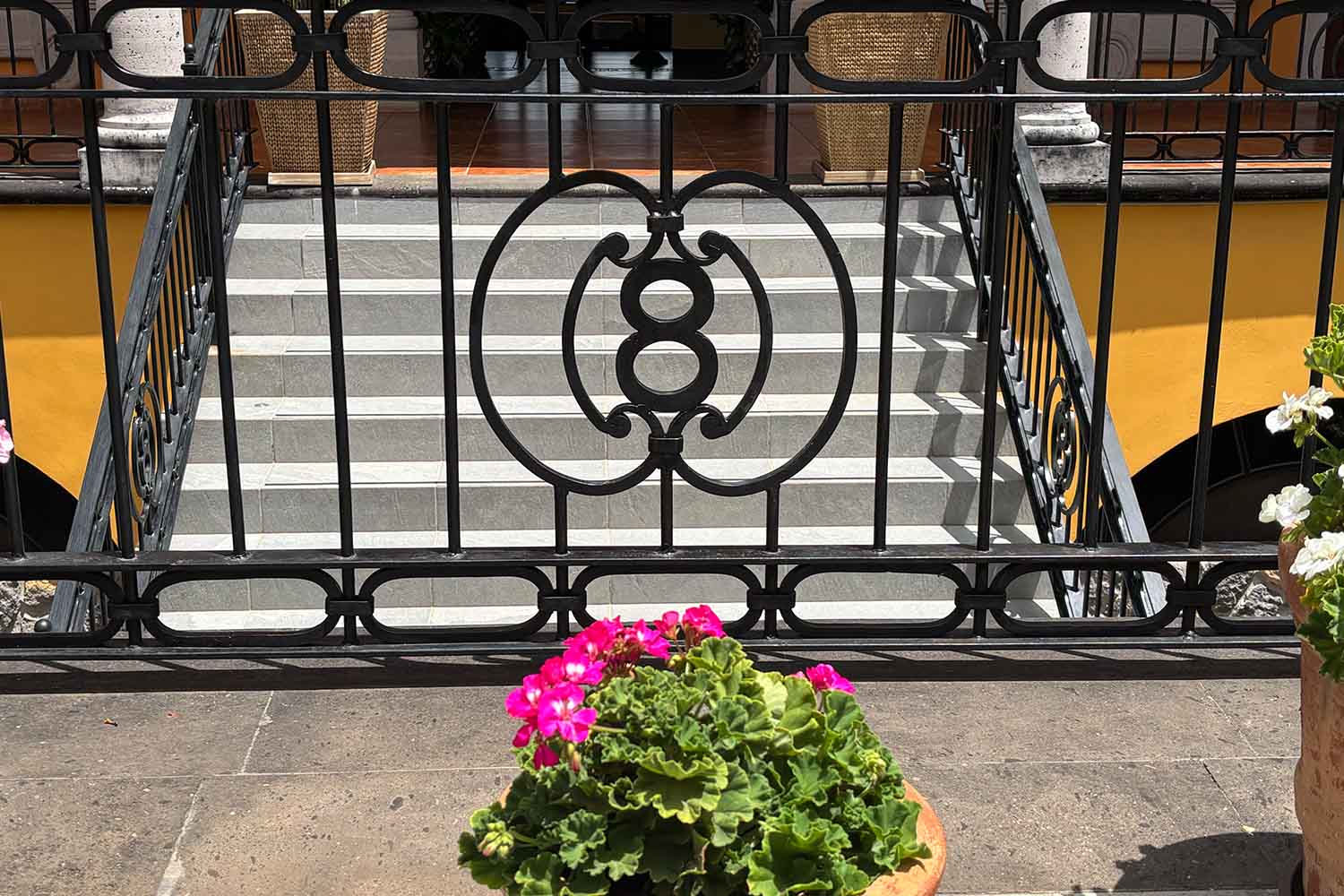
Estes and Camarena experimented with different processes when coming up with their initial Ocho release (tahona versus roller mill, fermenting with or without agave fibers, etc.). It was the eighth sample that won them over. And that number eight has gone on to define the brand: The agaves grow roughly eight years, the brand was founded in 2008, it takes 8kg of agave to make 1L of tequila. Walk around Los Alambiques, and you’ll see the number subtly integrated into the building and floor designs.
The goal with Ocho was to prove terroir exists in tequila, much like it does in the wine world (and, increasingly, the whisky world). Each bottle released reflects the nuances of the fields from which the agaves were harvested and the year of harvest. Which means your Plata or Barrel Select Añejo bottle from 2023 or 2025 will be different from the one released this year or next.
“What I want from the notes of the tequila is the agave telling a little bit of a story,” says Camarena, holding up two glasses of seemingly similar plata (aka blanco) tequilas. “That’s what we try to capture. Smell and test these two. Compare these to a person. I would say this first person was born and raised on the outskirts of the city, in the suburbs, so they had a little bit easier life. A smoother, softer life, so the character is more gentle. And the second one is from a very popular neighborhood inside the city. So every day getting out of the home is a fight for survival. It has a little bit of edge, which here lends it minerality. The first one was in red soil, flat and better conditions [on Ocho’s estate]. The other was agave grown in a rockier environment. Everything else was the same, including the amount of water they received.”
What Is Single-Estate Tequila, and Why Does It Matter?
Exploring a newfound focus on terroir with agaveIt’s pretty radical that agaves grown on the same property could produce different tasting notes. Add in the year of production and (in applicable cases) the barrels used for aging, and you can start to see how a variable here or there lends itself to a unique tequila expression.
“In the past, everybody was looking for consistency in tequila,” Camarena says. “We didn’t want the consumer to notice there was a difference between one batch and another batch. So we tried to do that. But the agave conditions were always different, so you had to constantly fine-tune the process. But by knowing that every batch will be completely different, instead of trying to hide it, we said, ‘Let’s show it to the world.’”

The Spill by InsideHook
Want more tequila? Subscribe to our drinks newsletter (it’s free!).
In other words, Ocho embraces the inconsistency and lets the land decide what each batch will taste like, which should be familiar to those in the wine world. “Terroir is not exclusive to wine,” Camarena adds. “As far as I know, [when we started] nobody had explored that direction for a distilled spirit.”
The processes behind the tequila at Ocho are decidedly old-school. Cooking, natural airborne yeast fermentation and distillation take place in slow-cooking stone ovens, wooden vats and copper pot stills. Most of their expressions are considered single-estate (meaning the agaves come from a single, specific property), although late last year Ocho did launch Terroir Select vintages, which are single-region, multi-field tequilas made from agaves grown in one of eight designated zones of Mexico’s Highlands region.
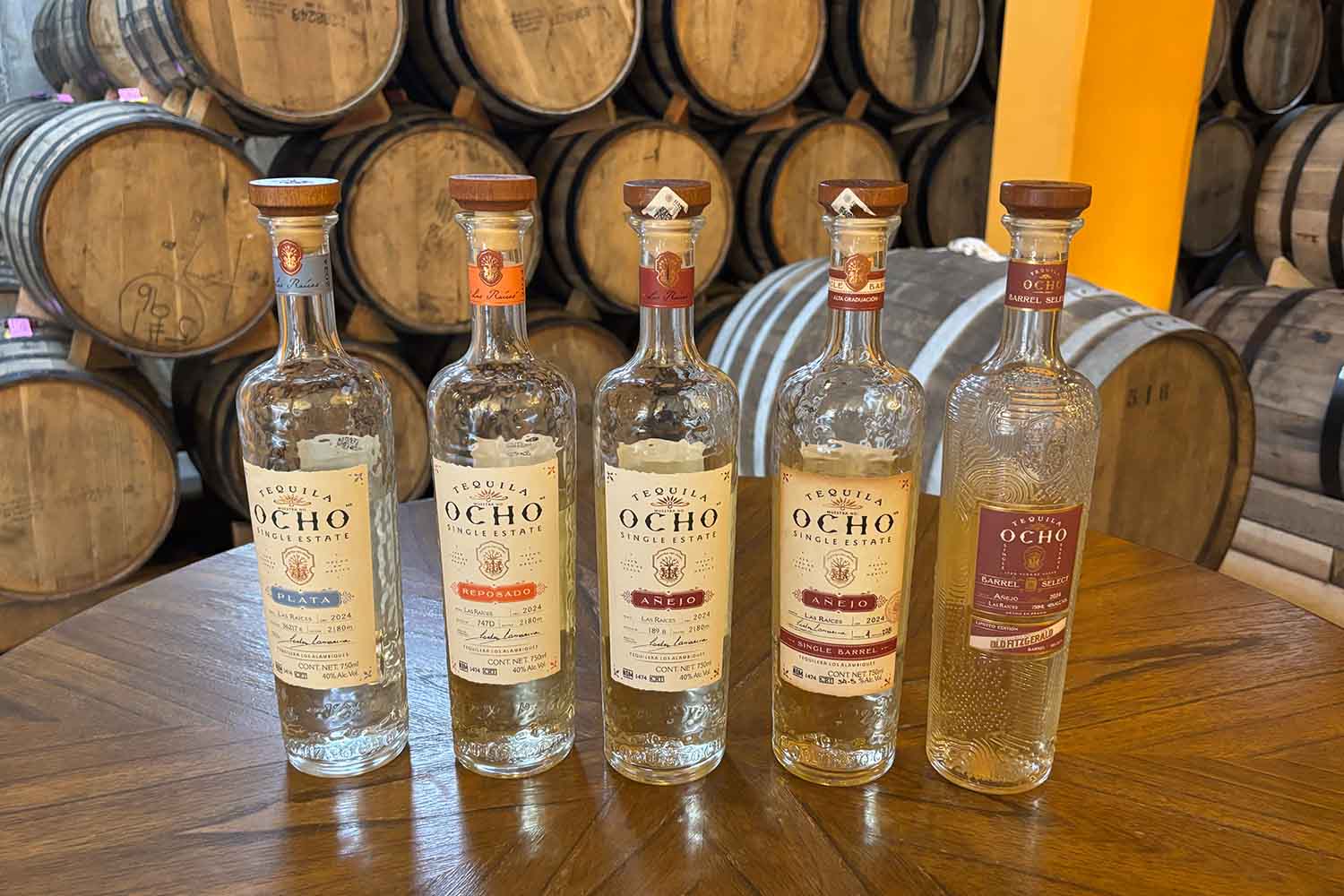
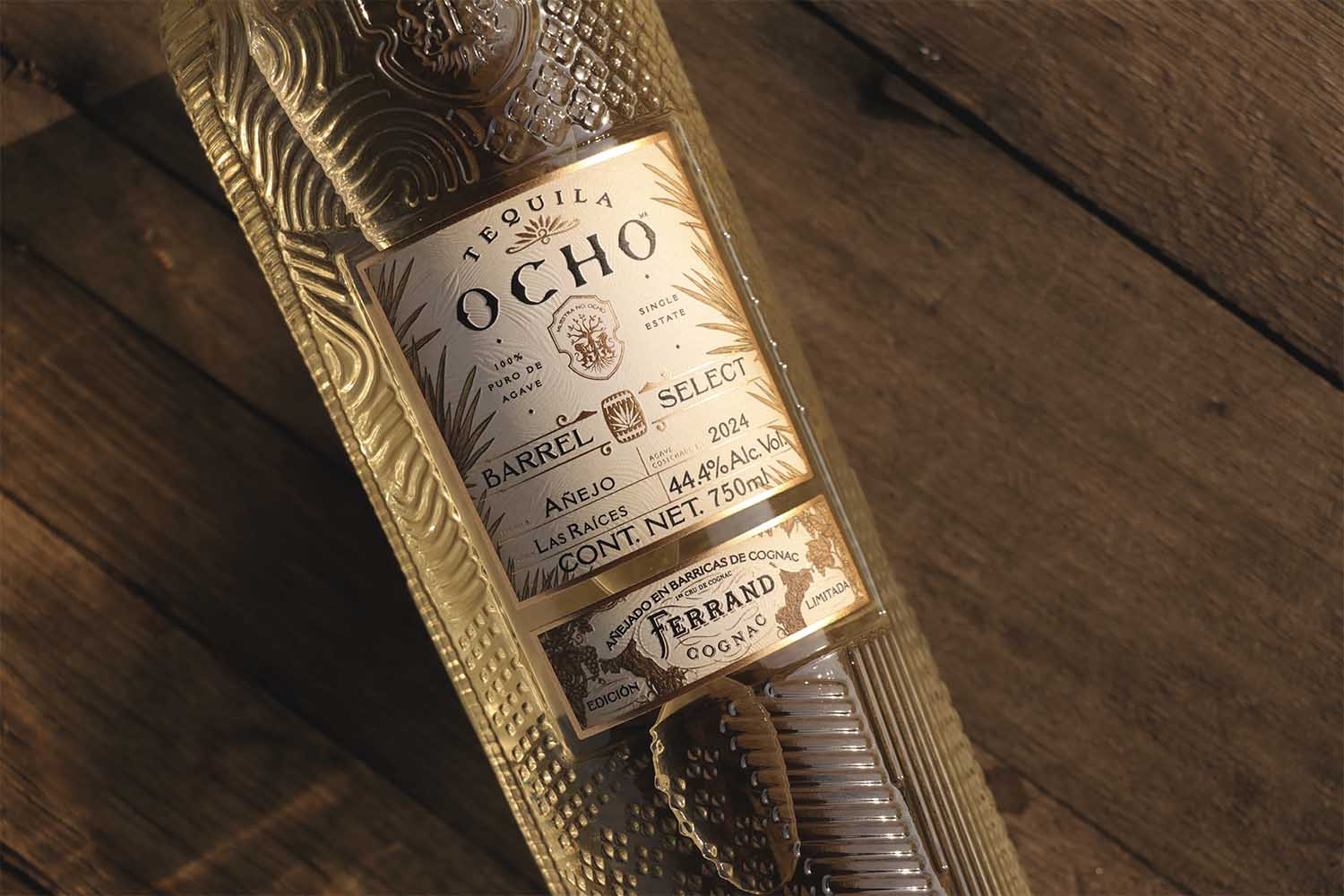
Now, about that perfect bottle of tequila. I was actually in Arandas to try Tequila Ocho Barrel Select Añejo, the third collaboration between Ocho and Ferrand Cognac (the previous two collabs were based around ex-rum barrels). Using agaves harvested from the tequila property’s Rancho Las Raices field, located due east of the distillery, this tequila was then aged in French oak Cognac casks. The result is certainly one of the most complex tequilas I’ve ever tasted. There are floral notes and hints of pear and honey among the delicate oak spice and cooked agave. You’ll be able to taste this in the United States starting in August.
“When we barrel age, we try to do it for the least amount of time required by law and in barrels that have been used several times before,” Camarena says. “The barrels are usually exhausted — we don’t want so much influence. But with French oak, I find notes of chocolate, toffee and, this shocks me, tropical fruits.”
That said, it’s the third drop of Añejo Old Fitz that won me over. Taken from a 2024 agave harvest at Las Racies and shipped this February, it’s a 96-proof tequila aged in Old Fitzgerald wheated bourbon barrels. Coffee, toffee, maple, vanilla, chocolate, agave, a little fruit, a slight minerality — as someone who primarily drinks higher-proof bourbon and tequila, this might be a case where the sum is even better than its wonderful parts. I sipped it neat, in an Old Fashioned and in two other cocktails (the distillery’s on-site bar is exceptional).
The only problem is that once this Old Fitz expression is gone, it’s gone. And the next batch, if there is another one, won’t taste the same. Then again, there’s always a chance that this seemingly perfect tequila will actually improve.
“I like to say we have consistency of quality,” Camarena says. “And we’re transparent about it.”

More Like This
We're always on the scene eating, drinking and traveling near and far to bring you the best of what's happening out in the real world. Sign up for IRL now.