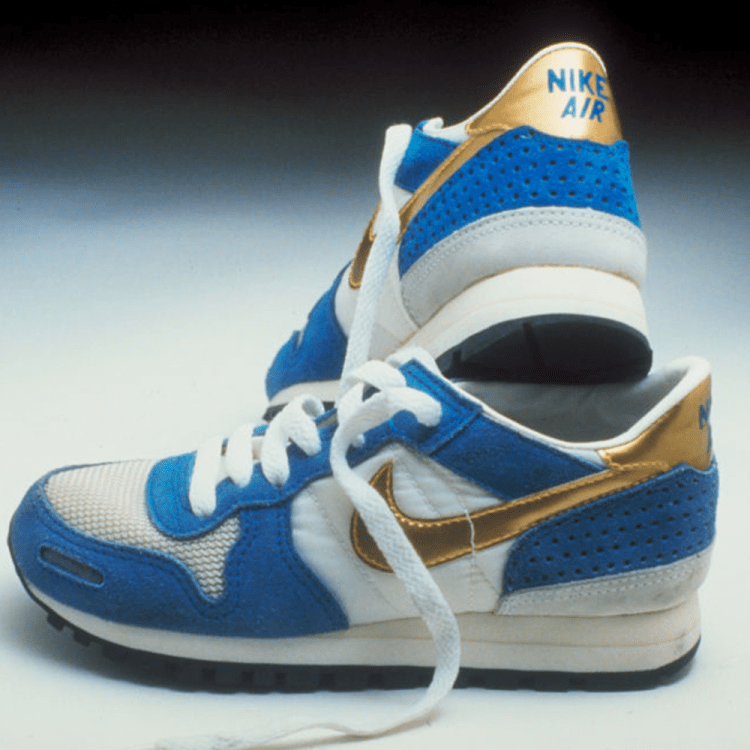
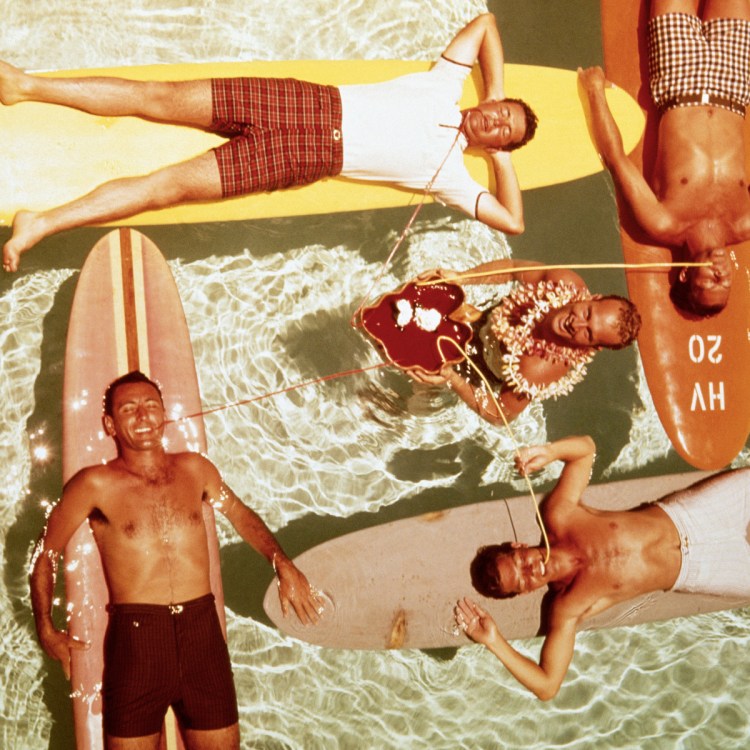
Before I break down the benefits of digital detoxing, let’s talk nostalgia.
Not all nostalgia is created equal. According to Dr. Krystine Batcho, a professor of psychology at LeMoyne College, the complex emotional experience has two distinct forms: personal and historical. The former is a force for good. It “motivates us to remember the past in our own life [and] helps to unite us to that authentic self,” Batcho explained in an interview with the American Psychological Association. Historical fiction, on the other hand, is trickier: “My research suggests [it’s] more likely triggered by dissatisfaction with the present,” Batcho said.
She continued: “If people are unhappy for any reason with how things are today, they’re more likely to then experience this sense that things must have been better in the past. How far they have to go in terms of their longing can depend upon how much they know about history.”
’90s Fever
Over the last year, historical nostalgia has taken over social media — and the ’90s are the main course. Chas Newkey-Burden summed it up well for The Week: “Even Gen Z is nostalgic for a decade it can’t recall.” Part of this is a consumerist lunge for aesthetic; young people want to dress, go out and listen to music in accordance with an era that feels grainy and cool. (Brands have capitalized on the trend.)
But there’s a real bitterness undergirding this movement. YouTube has an extensive library of videos with titles like “Last Day of School 1999.” Based on the replies, people feel robbed. Every comment is a variation on “look how free they all were,” “life was so normal back then” and “social media has destroyed society.”
There’s even a longing for ’90s mundanity. Content featuring weary New York adults on their commutes has gotten lots of traction. It all looks better than what we’ve got.
I’ve started noticing it while watching films. Not period pieces; I mean movies actually made in that era, in which the characters’ phone-less living, decision-making, whole vibe, etc., reflects a level of presence that is never coming back.
I was rewatching You’ve Got Mail the other day (ironically, a film where new tech is a protagonist in itself), and felt simultaneously thrilled and devastated to watch Tom Hanks and Meg Ryan bounce around the city. They’ve got issues like anyone else. But something about them feels more…awake? More alive? Gimme that, I thought.
When It Gets Personal
If you’ve hate-feasted on some historical nostalgia in recent months, I’d gently suggest that it’s time to convert that experience into personal nostalgia. This is harder the younger you are, I’ll cop to that. But most of us born before the year 2000 can likely remember life before phone addiction, can recall once having an easier (or just more natural) time harnessing creativity, giving attention to others or just sitting in silence.
This is even relevant for baby boomers, believe it or not. Digital addiction is soaring amongst the cohort. A recent article called them the “real iPad babies.”
That made me so sad, and at the same time, grossly fascinated. I am 30 years old. It’s really hard for me to make sense of what happened to my everyday existence over the last 15 years (to say nothing of the hammer AI will take to our lives over the next 15). So I can’t imagine living 50-some-odd years before the age of hyper-connection…yet inevitably falling down the same rabbit hole as the rest of us.
Why I Stopped Tracking My Sleep
In the age of wearables, I ditched the data — and finally got some restDigital Detox Studies
How do we harness our personal nostalgia for good? If an “authentic version” of yourself still exists somewhere, how do you actually get back to it? I’ve found a few digital detox studies that have been instructive and even inspiring on this front.
In a randomized controlled study published last year, researchers used a tool to block all mobile internet access from participants’ phones for two weeks; the idea was to remove the “smart” feature (internet access) from smartphones, then track progress. A whopping 91% of the volunteers reported “improved mental health, subjective well-being, and objectively measured ability to sustain attention.”
I love the practicality of that specific intervention. The subjects still had access to their phone’s traditional applications (texting, calling), and still interacted with the internet via desktop computers. But as they moved through the world, they weren’t constantly fishing their phones from their pockets to check for updates or hunt and gather dopamine. They came to understand there wouldn’t be anything there.
I experienced something similar a couple of years ago, after realizing that all my best ideas were coming to me on planes, when my mobile internet access was nowhere to be found. That’s just a few hours in the air. Imagine two weeks on this protocol.
Tangible benefits could start as early as 72 hours into an experiment, according to another study, which found that a three-day period is enough to modulate the “reward processing” that our tech overlords are so good at manipulating. Meanwhile, this research demonstrated that a one-week break from social media leads to “significant improvements in well-being, depression, and anxiety.”
What You Can Do
Start by getting yourself Brick, which is a portable device that locks the apps of your choice with a physical tap. If you leave the house, you can’t access those apps until you return and tap your Brick again. You can “brick” social media platforms, Safari, whatever. That’s an excellent way to simulate the intervention the authors staged in that two-week study.
If you’re not into Brick, consider a flip phone, a “dumb” device like Meadow (which has Maps, Spotify and Uber) or even an Apple Watch. I know buying more Apple products is against the spirit of this piece, but if it has data, you might feel more secure leaving your phone at home all the time. As for that point…
Try leaving your phone at home whenever heading out for a lunch walk or running errands. If that sounds too hard, start by leaving it in the car. If that sounds too easy, graduate to leaving your phone at home when you go out to dinner, or whenever you take a local field trip (park, museum, upstate). Sign up for classes, go to things and host events where having your phone out would be unacceptable and/or strange (yoga, live theater, dinner parties).
I also highly recommend detoxing from tech while traveling. Head to cabins without internet access, or deliberately forget to set up an international phone plan when traveling abroad. I visit my fiancée’s home country at the end of each year, and at one point in 2025, my phone was dead for a day and a half. Bliss!
The more present you are, the more personal nostalgia you’ll have to cherish and make use of in the future. You won’t find yourself lusting over a decade without really knowing why, or sighing over some fictional bookshop owners who live in perpetual autumn. You’ll be thankful for the life you got, because you wrested some control back from the tech that tried to steal it.

More Like This


Twice a week, you'll find guinea pig features, personal essays and expert interviews on living better — for however long you’re here. Subscribe to Champ now.